




Antananarivo


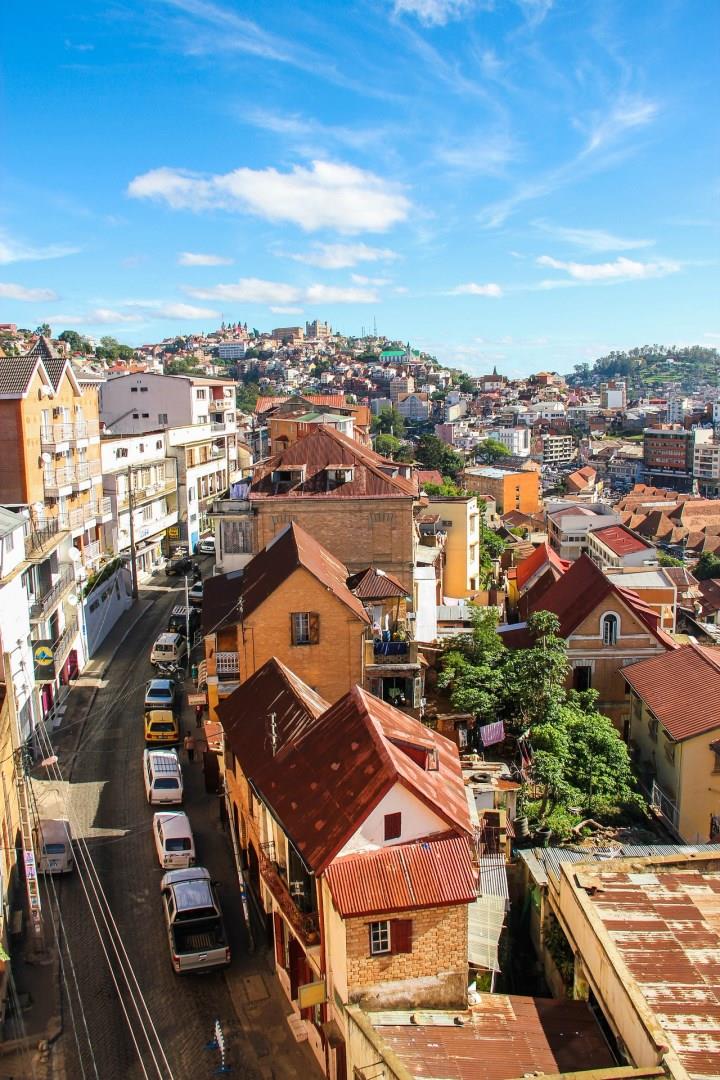

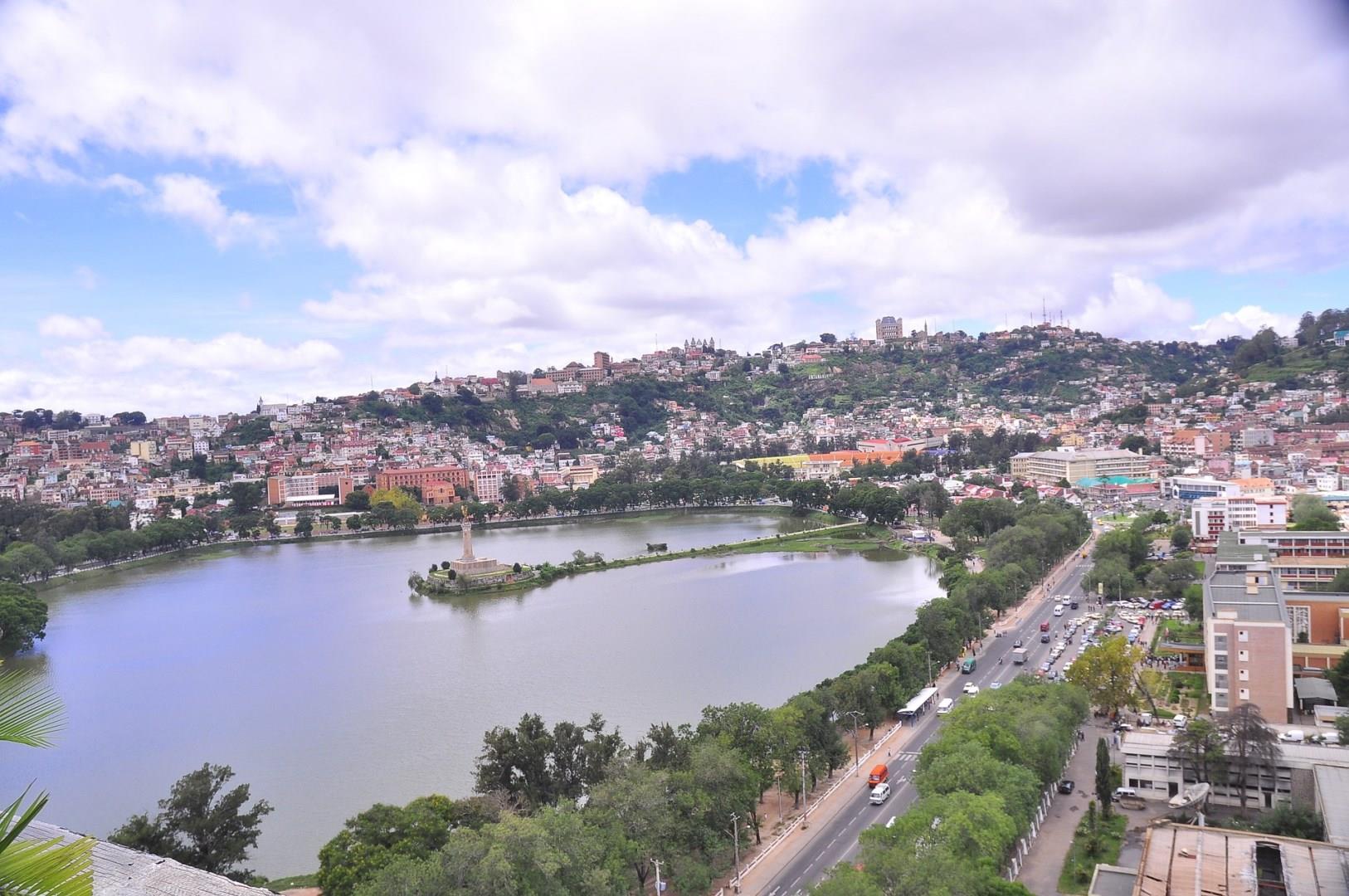

Antananarivo, Madagascar’s vibrant capital, offers a unique blend of cultural richness and historical depth. Perched on a series of hills, the city’s layout is characterized by its steep streets and traditional architecture. The Royal Palace, or Rova of Antananarivo, is a central landmark, offering a glimpse into Madagascar's royal past. Although much of the palace was destroyed by fire in 1995, the site remains a significant cultural and historical monument.
Antananarivo’s markets are bustling with life and offer a feast for the senses. The Analakely Market is a kaleidoscope of colors and sounds where you can sample local street food, buy handcrafted goods, and experience the daily hustle of Malagasy life. For a taste of the city’s colonial past, a stroll through the Avenue of Independence reveals charming buildings and vibrant local cafes
Cultural enthusiasts will enjoy exploring the city’s museums, such as the Musée d'Art et d'Archéologie, which houses a collection of artifacts from Madagascar’s past, including ancient tools and sculptures. The Andafiavaratra Palace, now a museum, was once the residence of Prime Minister Rainilaiarivony and offers insights into the political history of Madagascar.
Fun fact: Antananarivo is named after a 17th-century Merina king, Andrianjaka, who established the city as the center of his kingdom. The name "Antananarivo" translates to "City of a Thousand" or "City of the Thousand," referring to the number of soldiers he maintained in his capital.
Antananarivo’s markets are bustling with life and offer a feast for the senses. The Analakely Market is a kaleidoscope of colors and sounds where you can sample local street food, buy handcrafted goods, and experience the daily hustle of Malagasy life. For a taste of the city’s colonial past, a stroll through the Avenue of Independence reveals charming buildings and vibrant local cafes
Cultural enthusiasts will enjoy exploring the city’s museums, such as the Musée d'Art et d'Archéologie, which houses a collection of artifacts from Madagascar’s past, including ancient tools and sculptures. The Andafiavaratra Palace, now a museum, was once the residence of Prime Minister Rainilaiarivony and offers insights into the political history of Madagascar.
Fun fact: Antananarivo is named after a 17th-century Merina king, Andrianjaka, who established the city as the center of his kingdom. The name "Antananarivo" translates to "City of a Thousand" or "City of the Thousand," referring to the number of soldiers he maintained in his capital.
