
USA | California | Santa Rosa
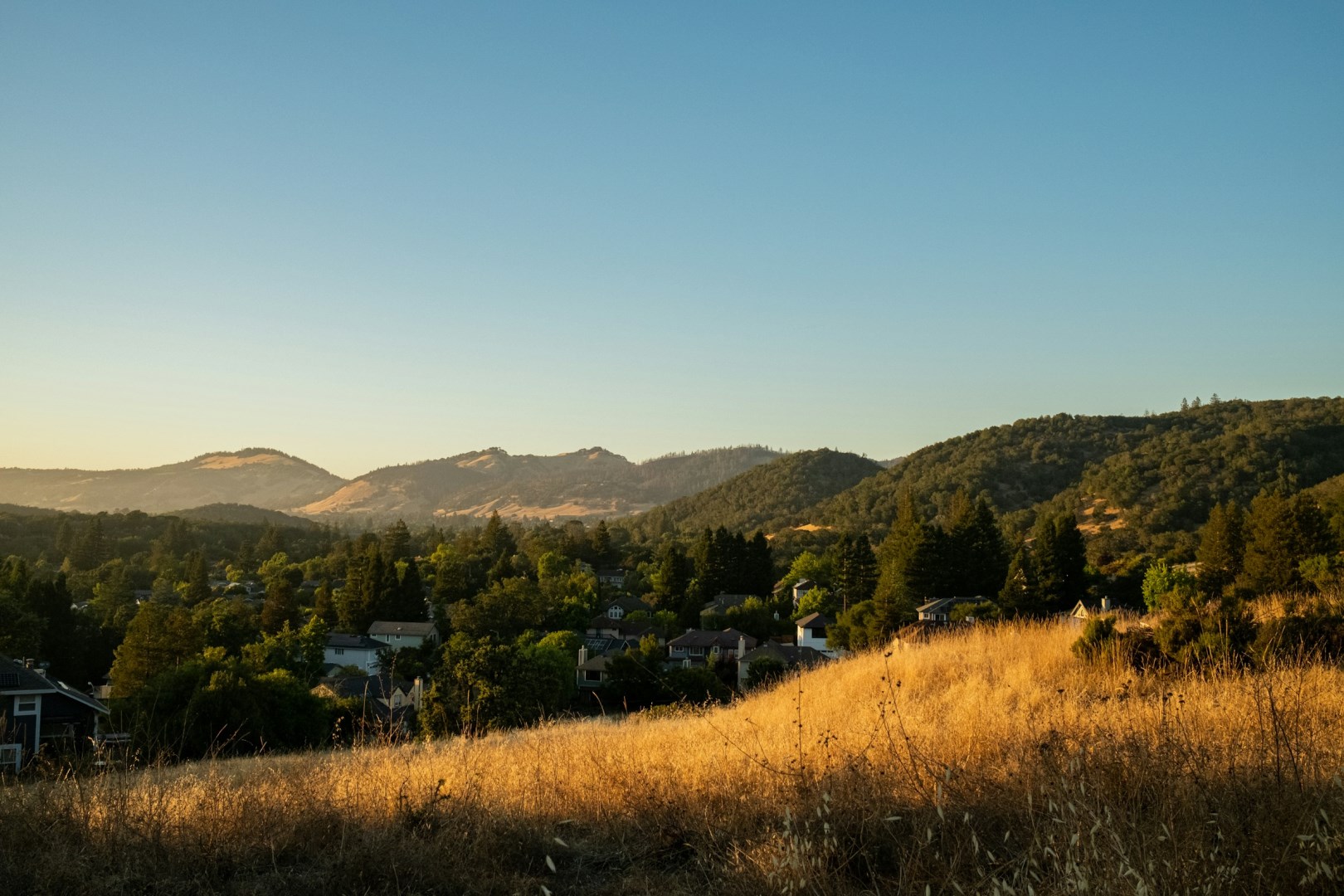

Santa Rosa is the largest city in Sonoma County and serves as a regional center in California's North Bay. Set among vineyards, oak woodlands, and rolling hills, the city combines an established urban core with easy access to Sonoma County's agricultural landscape. Downtown Santa Rosa includes Courthouse Square, Railroad Square, museums, restaurants, and local shops, while surrounding neighborhoods range from historic homes to newer developments. The city is also associated with Charles M. Schulz, creator of the Peanuts comic strip, whose work remains part of Santa Rosa's cultural identity through the Charles M. Schulz Museum and related public art.
Santa Rosa's cultural history begins with the Southern Pomo and Coast Miwok peoples, who lived throughout the region before European settlement. The city later developed around agricultural communities and became an important commercial center for Sonoma County. Historic Railroad Square preserves buildings connected with the region's rail and commercial history, while the Luther Burbank Home & Gardens commemorates the horticulturist who conducted much of his plant-breeding work in Santa Rosa. The city also has a strong literary and artistic identity, reflected in museums, theaters, public murals, and the continuing presence of Peanuts characters in local culture.
Santa Rosa offers several notable places to explore, from central Courthouse Square to the wooded grounds of the Luther Burbank Home & Gardens. The Charles M. Schulz Museum displays original artwork, memorabilia, and exhibits about the Peanuts characters and their creator. Spring Lake Regional Park provides trails, picnic areas, and water-based recreation, while Trione-Annadel State Park extends into oak woodland, grassland, and rocky hills on the city's eastern edge. The nearby Laguna de Santa Rosa, one of the largest freshwater wetlands in Sonoma County, supports birds and other wildlife and forms an important part of the area's natural landscape.
Santa Rosa's food culture reflects the agricultural resources of Sonoma County, with restaurants making use of locally grown produce, artisan cheeses, olive oil, and regional wines. The city has a strong farm-to-table tradition, while farmers markets provide direct access to fruit, vegetables, baked goods, and other products from nearby farms. Craft breweries and independent food businesses add to the local scene. A distinctive detail is Santa Rosa's connection to Luther Burbank, whose work with plants included fruits, vegetables, flowers, and ornamental plants. His former home and gardens preserve an important part of the city's horticultural heritage.
Other Popular Destinations in California