Tampa, Florida, offers more than just sunshine and palm trees, it’s a city with character, history, and plenty of unexpected experiences. Founded as a military outpost in the 19th century, Tampa has grown into a vibrant waterfront city with strong Cuban, Spanish, and Italian influences. This cultural blend is especially noticeable in Ybor City, a historic district known for its red-brick buildings and deep cigar-making roots.
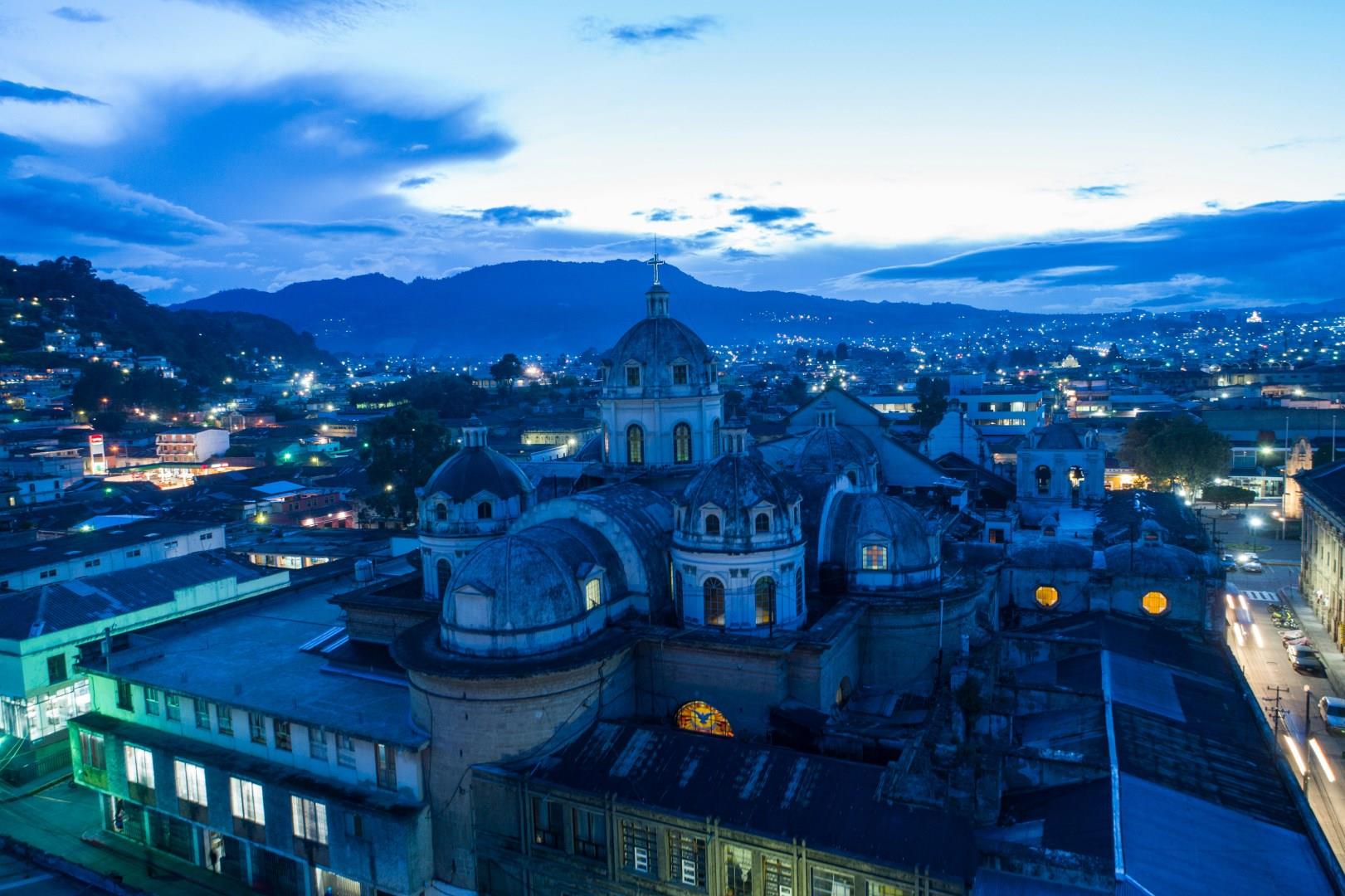
Antigua is a city shaped by centuries of artistry, tradition, and natural forces. Set in a highland valley and surrounded by volcanoes, its streets are lined with colorful buildings, hidden courtyards, and open-air plazas. The Santa Catalina Arch is one of Antigua’s most recognizable features, originally built as a passage between two sections of a convent. Today, it frames a dramatic view of Volcán de Agua and is a popular gathering spot for both locals and visitors.
Badlands National Park stretches across southwestern South Dakota, where layered rock formations and sharply eroded spires reveal nearly 75 million years of geological history. The park’s banded cliffs and pinnacles were shaped by wind and water, exposing ancient seabeds and fossil-rich layers that have made the area one of North America’s most important paleontological sites.
Taiwan is an island nation that blends rich cultural traditions with modern innovation. Taipei, the capital, features landmarks such as Taipei 101, traditional temples, and night markets that offer a window into local life and culinary culture. Historic towns like Tainan preserve centuries-old temples and street art, reflecting Taiwan’s layered heritage.
Westport is a coastal town on the northwest side of New Zealand’s South Island, located near the mouth of the Buller River. The town serves as one of the main settlements of the Buller District and has long been connected to coal mining, fishing, and river trade.
The Chobe River forms the northern boundary of the Chobe National Park. Animal lovers and safari enthusiasts know it as the place where the elephants congregate during winter's dry season and migrant birds are in full color during the wet summer months. The river itself is actually a section of the Cuando River, known as the Chobe from the seasonal lake Liambesi to its outflow at the Zambezi River.
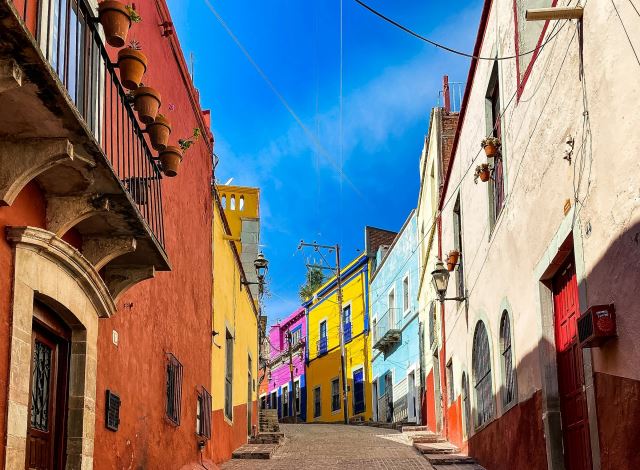
Guanajuato is situated between the dry north of the country and the more verdant south, and geographically belongs to the Trans-Mexican Volcanic Belt, the Mexican Plateau.