
Praslin Island, the second-largest island in the Seychelles, is a tropical paradise renowned for its stunning natural beauty and serene atmosphere. With its lush landscapes and pristine beaches, Praslin offers an idyllic escape for those seeking relaxation and adventure.
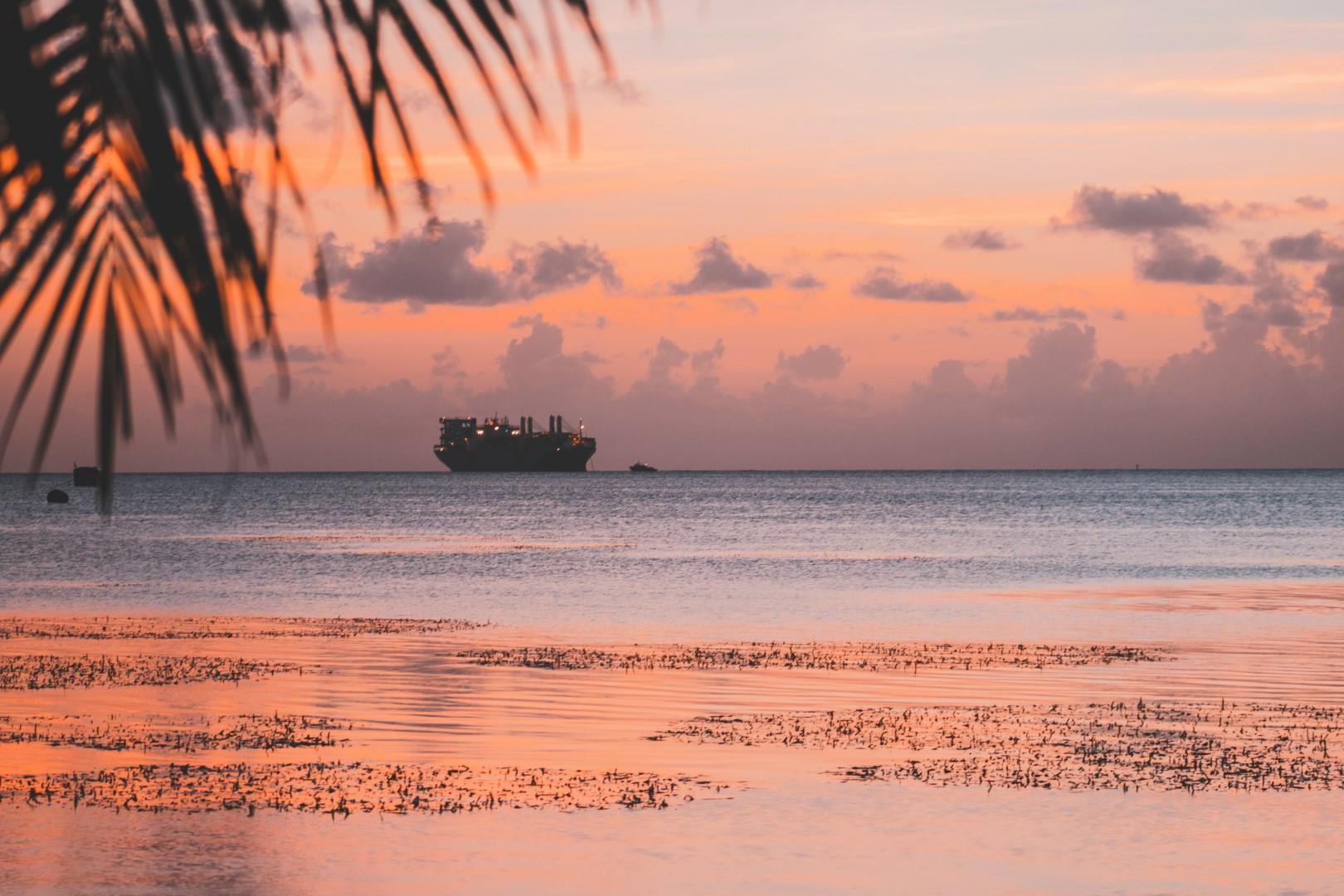
Saipan, the largest of the Northern Mariana Islands, offers a rare combination of deep historical roots, island traditions, and dramatic landscapes. Located in the western Pacific, this U.S. territory was once the site of one of the most pivotal battles in the Pacific during World War II. Visitors today can explore the remains of bunkers, tanks, and hidden caves at sites like Suicide Cliff, Last Command Post, and the American Memorial Park.
Dominica, known as the “Nature Island of the Caribbean,” is a haven for eco-tourists and adventure seekers. Nestled between the French islands of Guadeloupe and Martinique, this lush island boasts a remarkable landscape of volcanic mountains, dense rainforests, and stunning waterfalls. Dominica’s most iconic natural wonder is the Boiling Lake, the second-largest hot spring in the world.
Trinidad and Tobago is a nation of contrasts, where vibrant cultural traditions meet diverse natural landscapes. Together, the two islands balance energy and relaxation, heritage and nature.
Sarajevo, the capital of Bosnia and Herzegovina, is a city where history, culture, and resilience converge. Often called the "Jerusalem of Europe," Sarajevo is a place where East meets West, reflected in its diverse architecture, which seamlessly blends Ottoman, Austro-Hungarian, and modern influences.
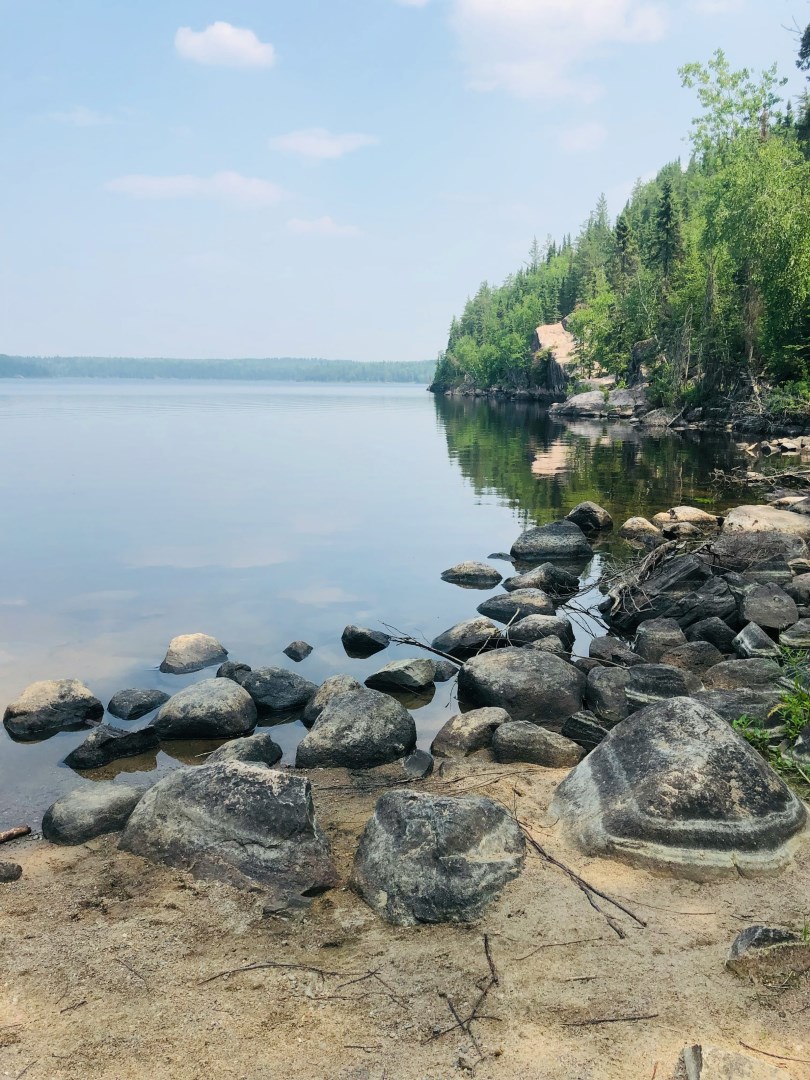
Winnipeg is Manitoba's capital, and its total area equals 250,999 sq. miles. The northern half of the province has dense forests, and mineral-rich soil, while the southern half produces wheat.
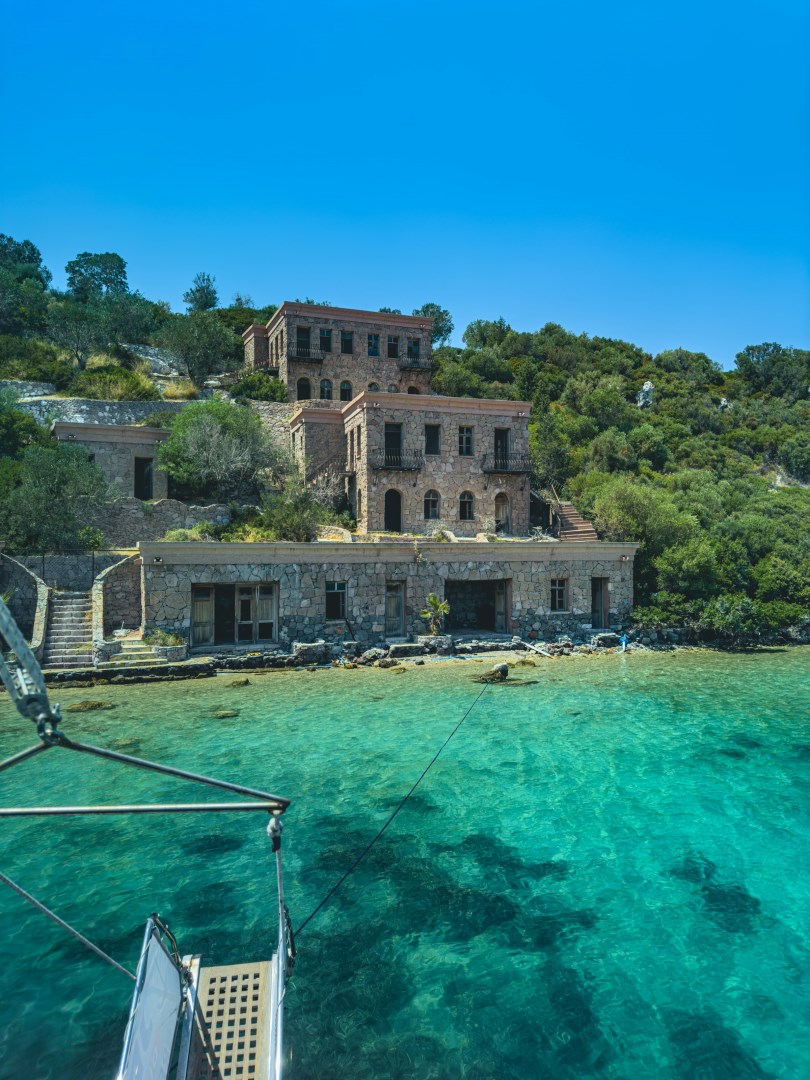
Dikili leads the way to the ancient city of Pergamum, also known as Bergma. This city thrived under the Romans from the 2nd century BC to the 2nd century AD. One of the most fascinating aspects of the ancient site is the medical complex, Asklepieon, where advanced psychological treatments were practiced. The complex was named after Asklepois, the god of medicine, and treatments included extended periods of sleep, massage, therapeutic baths and observing comedy theater. Elsewhere on the site are temples, baths, a gymnasium and a library containing 200,000 ancient scrolls made from Egyptian papyrus.