



Hualien
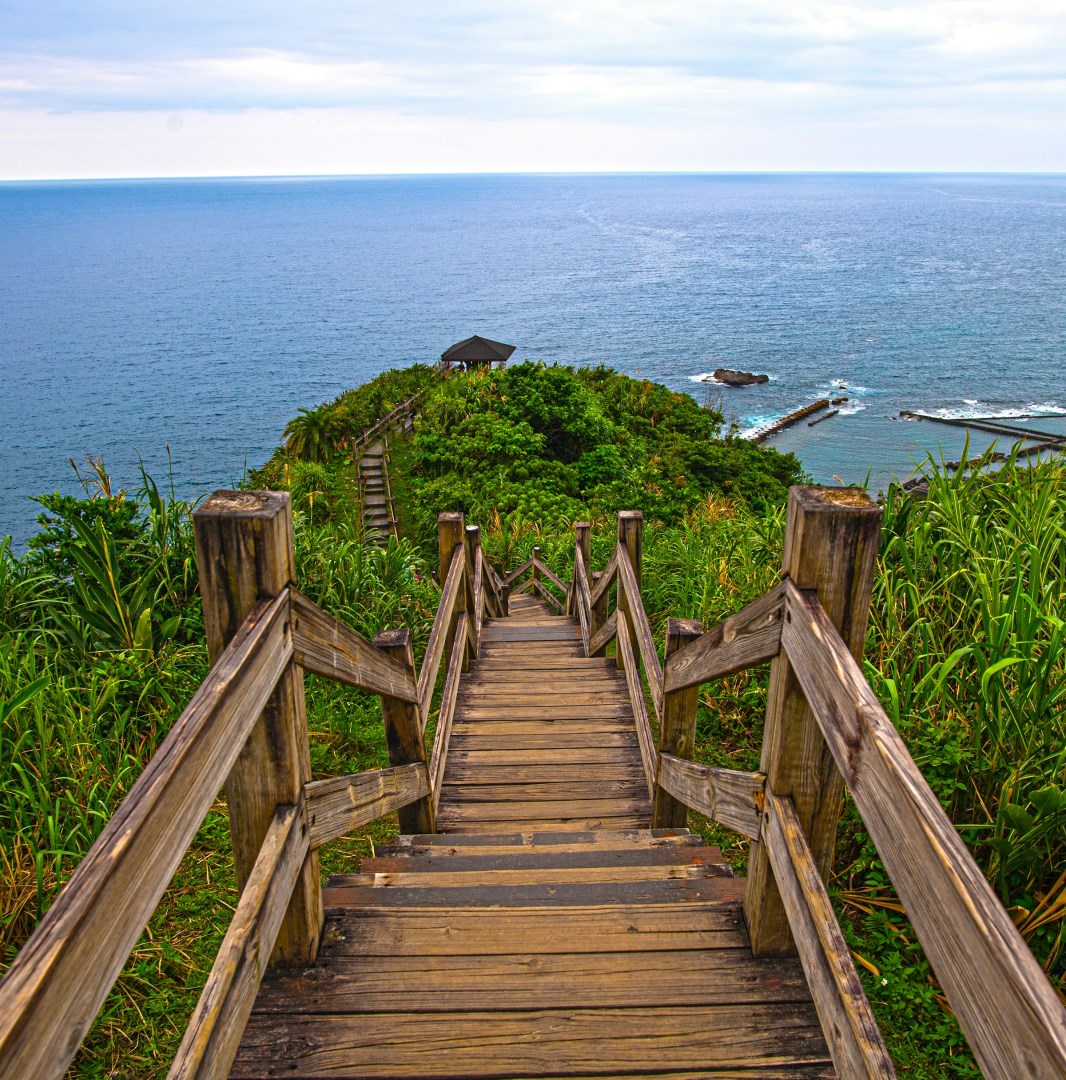

Nestled between the Pacific Ocean and the towering Central Mountain Range, Hualien, Taiwan offers an enchanting blend of natural beauty and cultural richness. This coastal city is renowned for its proximity to the stunning Taroko Gorge, a marvel of nature where marble canyons and lush vegetation create a dramatic landscape. Visitors can embark on breathtaking hikes along the Swallow Grotto Trail and the Shakadang Trail, each offering spectacular views of waterfalls and unique rock formations.
Hualien's charm extends to its vibrant local markets and culinary delights. The Dongdamen Night Market is a bustling hub where visitors can sample local specialties such as the famous Hualien-style beef noodles and fresh seafood. The market also showcases a variety of handcrafted goods and traditional snacks, providing a true taste of Taiwanese street food culture.
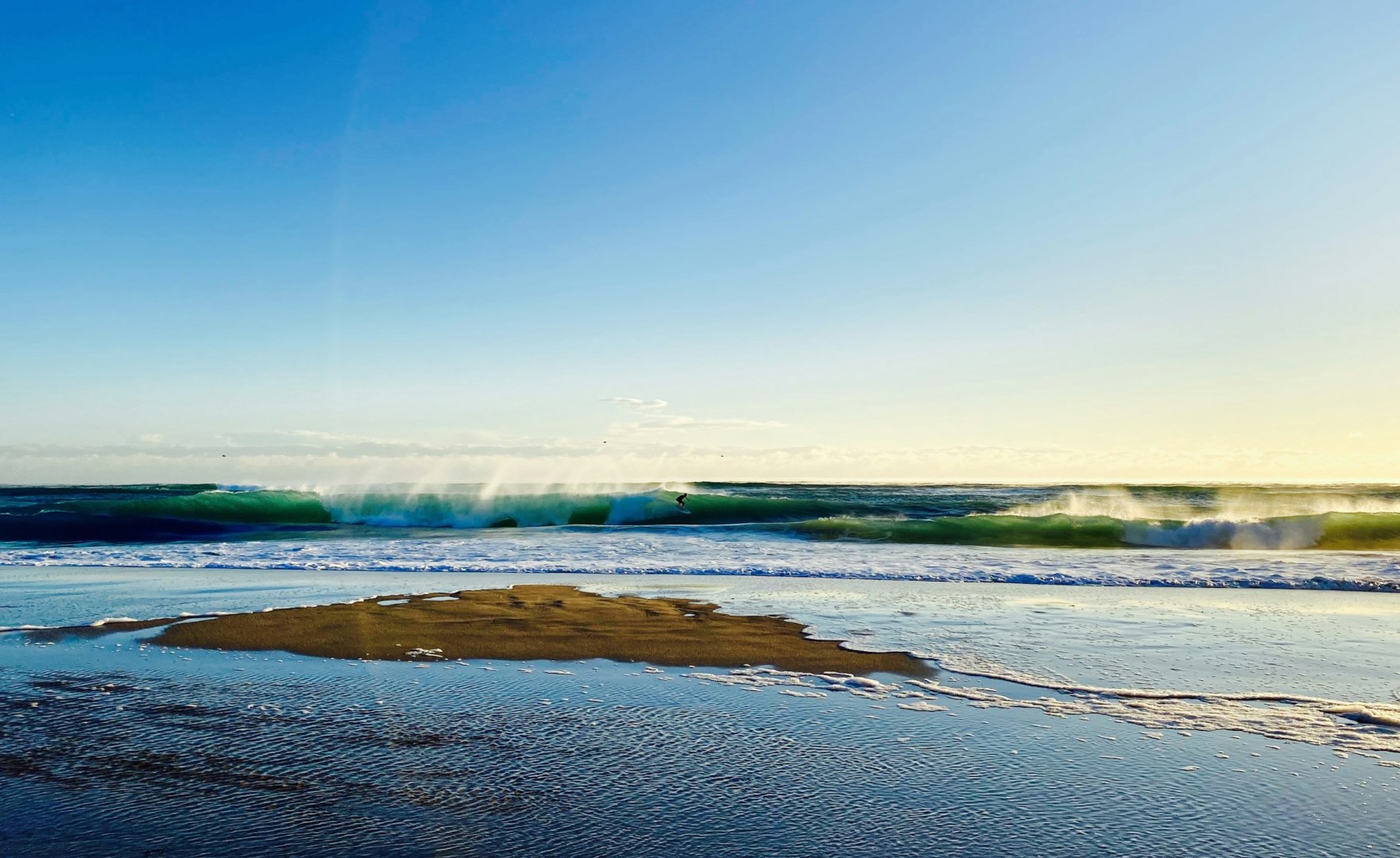
For a dose of tranquility, the city's serene Qixingtan Beach offers a picturesque retreat with its clear waters and pebbled shores. It’s a perfect spot for a peaceful walk or a leisurely bike ride along the scenic coastline. Additionally, Hualien’s Liyu Lake provides opportunities for boating and picnicking amidst its scenic surroundings.
Fun Fact: Hualien is known for its "stone carving" art, a local tradition that transforms the abundant marble from the nearby Taroko Gorge into intricate and beautiful sculptures, reflecting the city’s deep connection to its natural resources.
Hualien's charm extends to its vibrant local markets and culinary delights. The Dongdamen Night Market is a bustling hub where visitors can sample local specialties such as the famous Hualien-style beef noodles and fresh seafood. The market also showcases a variety of handcrafted goods and traditional snacks, providing a true taste of Taiwanese street food culture.
For a dose of tranquility, the city's serene Qixingtan Beach offers a picturesque retreat with its clear waters and pebbled shores. It’s a perfect spot for a peaceful walk or a leisurely bike ride along the scenic coastline. Additionally, Hualien’s Liyu Lake provides opportunities for boating and picnicking amidst its scenic surroundings.
Fun Fact: Hualien is known for its "stone carving" art, a local tradition that transforms the abundant marble from the nearby Taroko Gorge into intricate and beautiful sculptures, reflecting the city’s deep connection to its natural resources.
