

Mt Hood
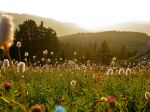
Nestled in the heart of the Pacific Northwest, Mt. Hood, Oregon, is a stunning natural playground renowned for its diverse outdoor activities and breathtaking landscapes. In winter, Mt. Hood transforms into a skiing and snowboarding paradise at Timberline Lodge, which boasts the longest ski season in North America. The lodge itself is a historic gem, built in the 1930s and featured in the iconic film "The Shining."
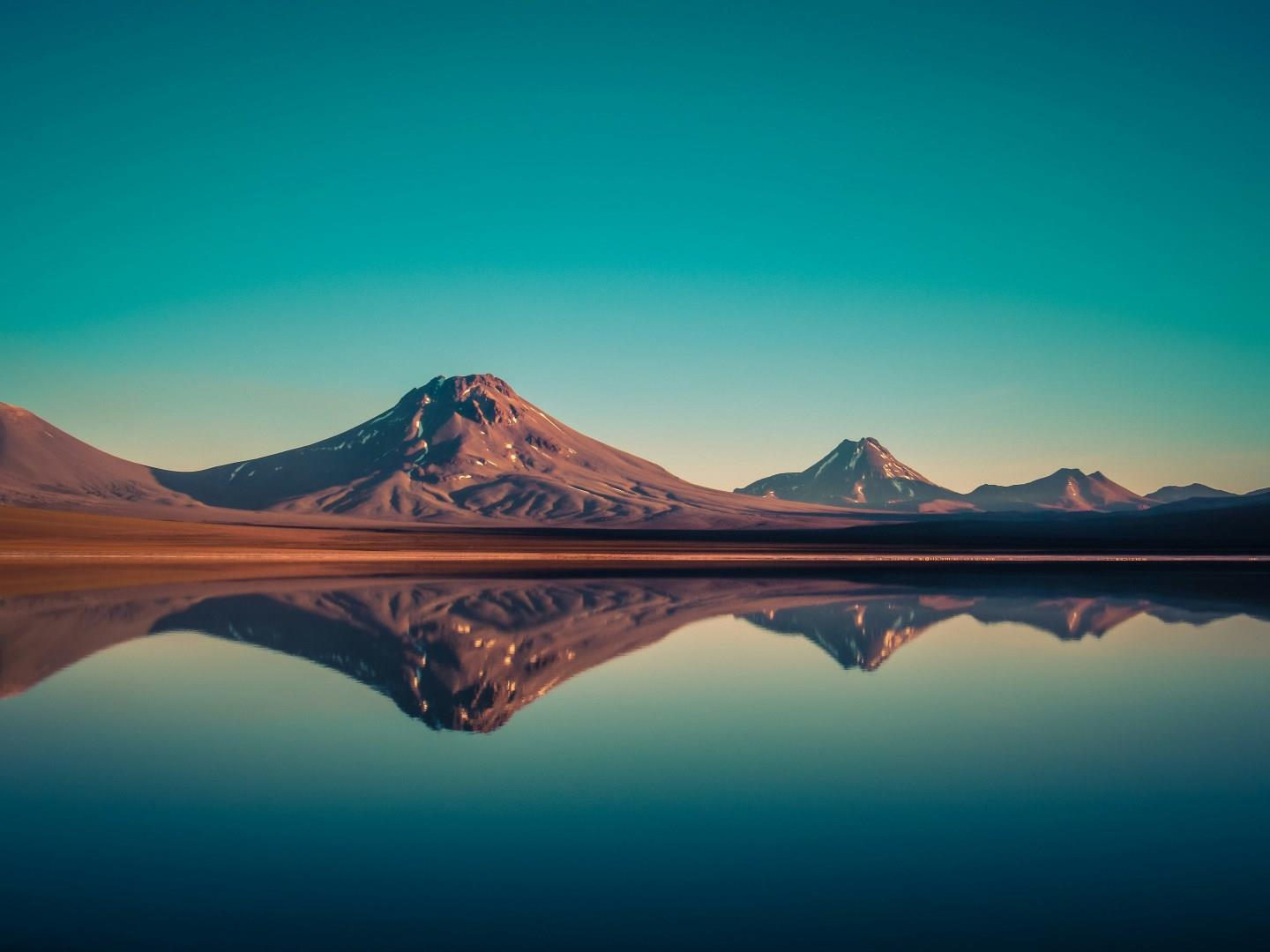
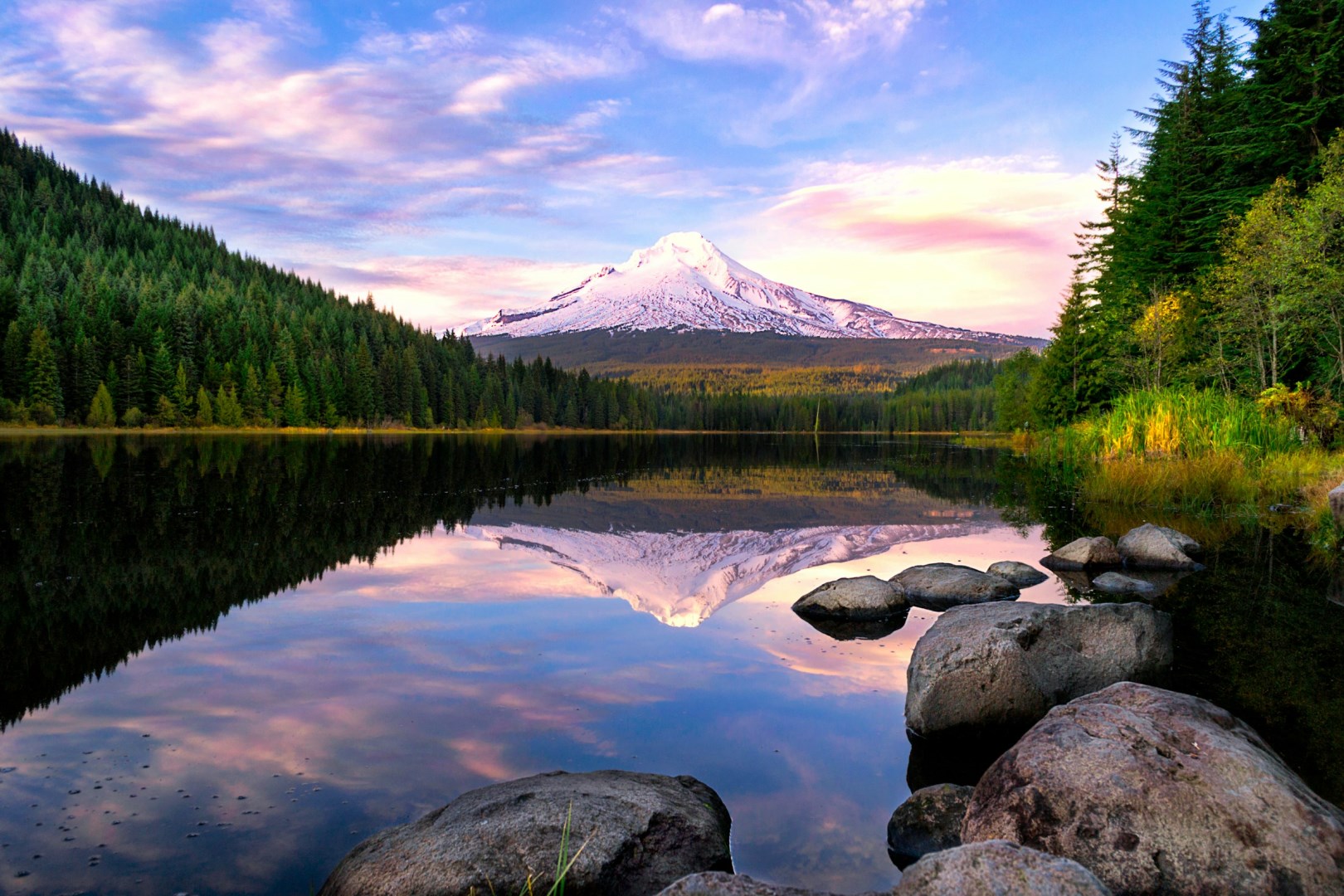
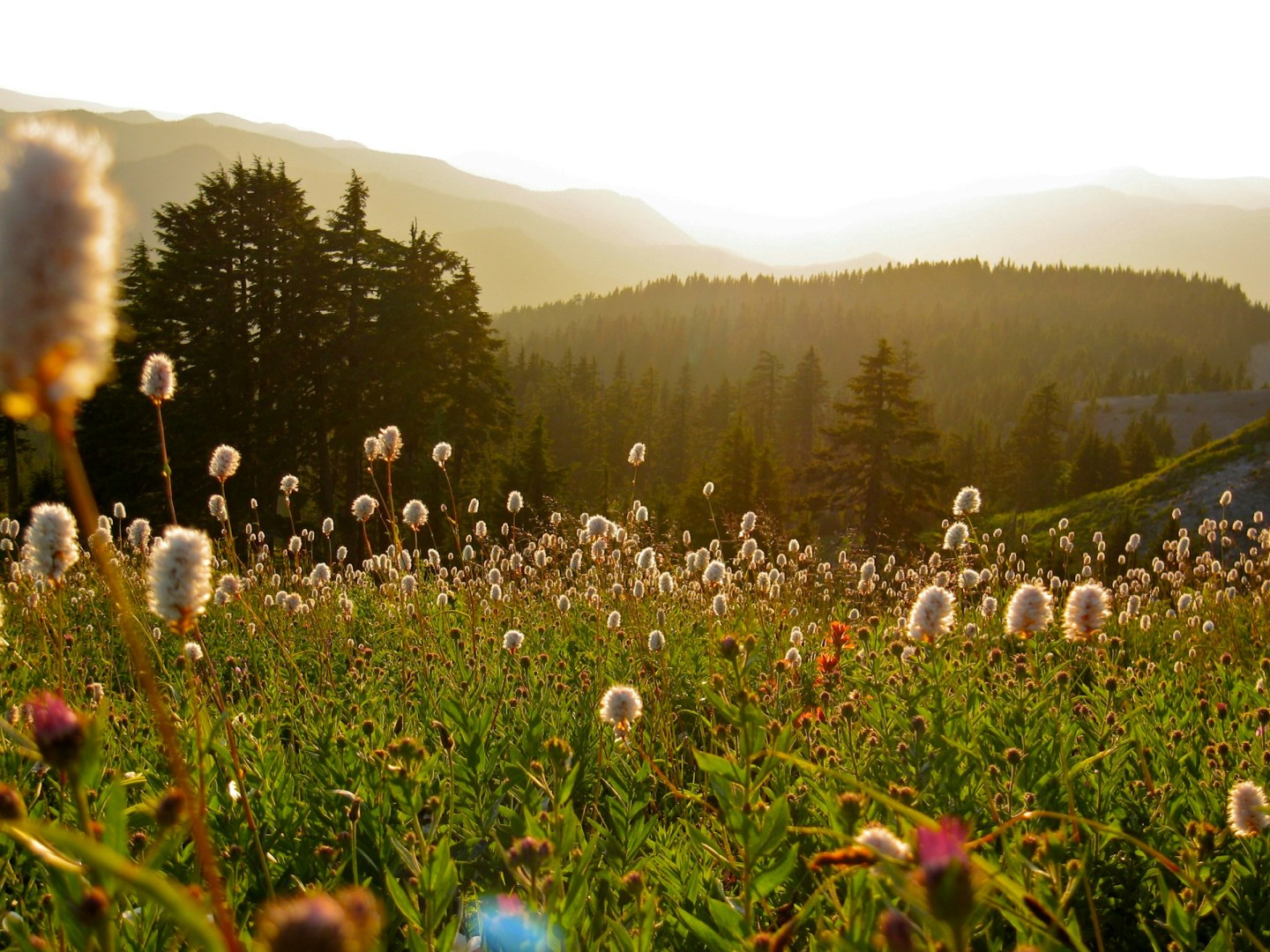
During the summer months, Mt. Hood’s stunning terrain is ideal for hiking, mountain biking, and climbing. The Timberline Trail offers a spectacular loop around the mountain, showcasing alpine meadows, glaciers, and lush forests. For a less strenuous but equally rewarding experience, visitors can explore the serene Trillium Lake, perfect for fishing, kayaking, and picnicking with a backdrop of Mt. Hood's reflection on the water.
The local charm of the nearby town of Government Camp adds to the area's appeal. This quaint mountain village provides cozy accommodations, local dining, and a welcoming atmosphere.
A fun fact about Mt. Hood is that its name comes from the Hood River, which was named by British explorer Captain Robert Gray in honor of his friend, Vice Admiral Samuel Hood. The area's unique blend of historical and natural attractions makes Mt. Hood a captivating destination for outdoor enthusiasts and history buffs alike. For the best experience, visit during the spring or fall to enjoy mild weather and fewer crowds.
During the summer months, Mt. Hood’s stunning terrain is ideal for hiking, mountain biking, and climbing. The Timberline Trail offers a spectacular loop around the mountain, showcasing alpine meadows, glaciers, and lush forests. For a less strenuous but equally rewarding experience, visitors can explore the serene Trillium Lake, perfect for fishing, kayaking, and picnicking with a backdrop of Mt. Hood's reflection on the water.
The local charm of the nearby town of Government Camp adds to the area's appeal. This quaint mountain village provides cozy accommodations, local dining, and a welcoming atmosphere.
A fun fact about Mt. Hood is that its name comes from the Hood River, which was named by British explorer Captain Robert Gray in honor of his friend, Vice Admiral Samuel Hood. The area's unique blend of historical and natural attractions makes Mt. Hood a captivating destination for outdoor enthusiasts and history buffs alike. For the best experience, visit during the spring or fall to enjoy mild weather and fewer crowds.
