
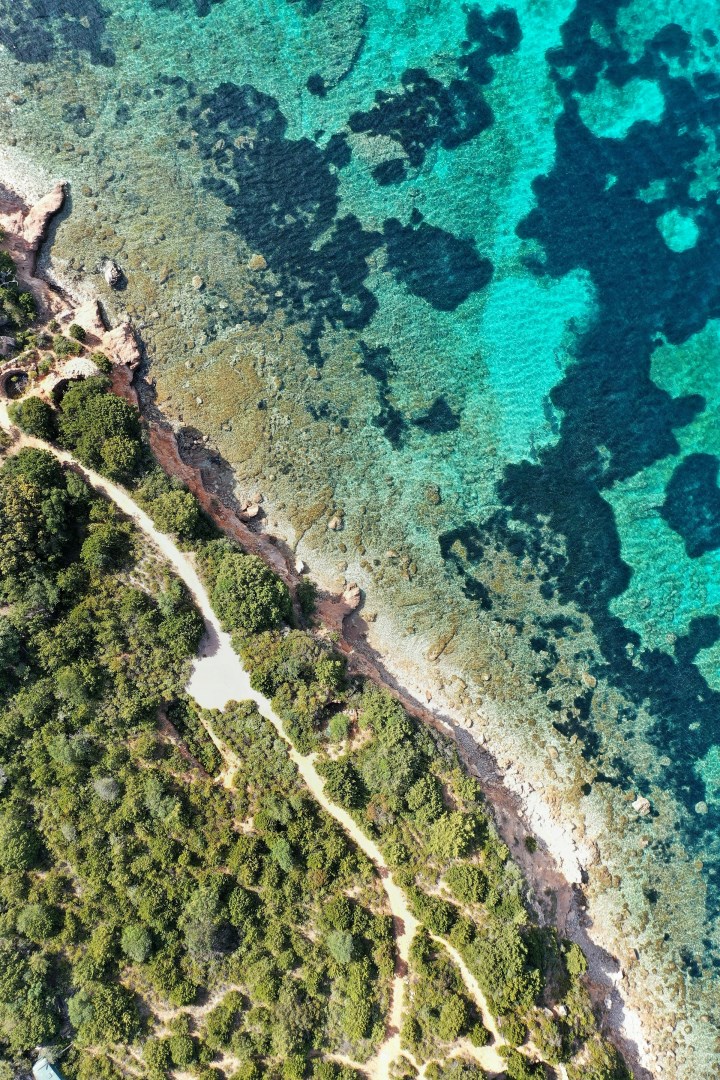





Olbia, located on the northeast coast of Sardinia, offers a blend of history and modernity. The city is known for its well-preserved ruins and historical sites, such as the Basilica di San Simplicio, an 11th-century Romanesque church built from local granite.
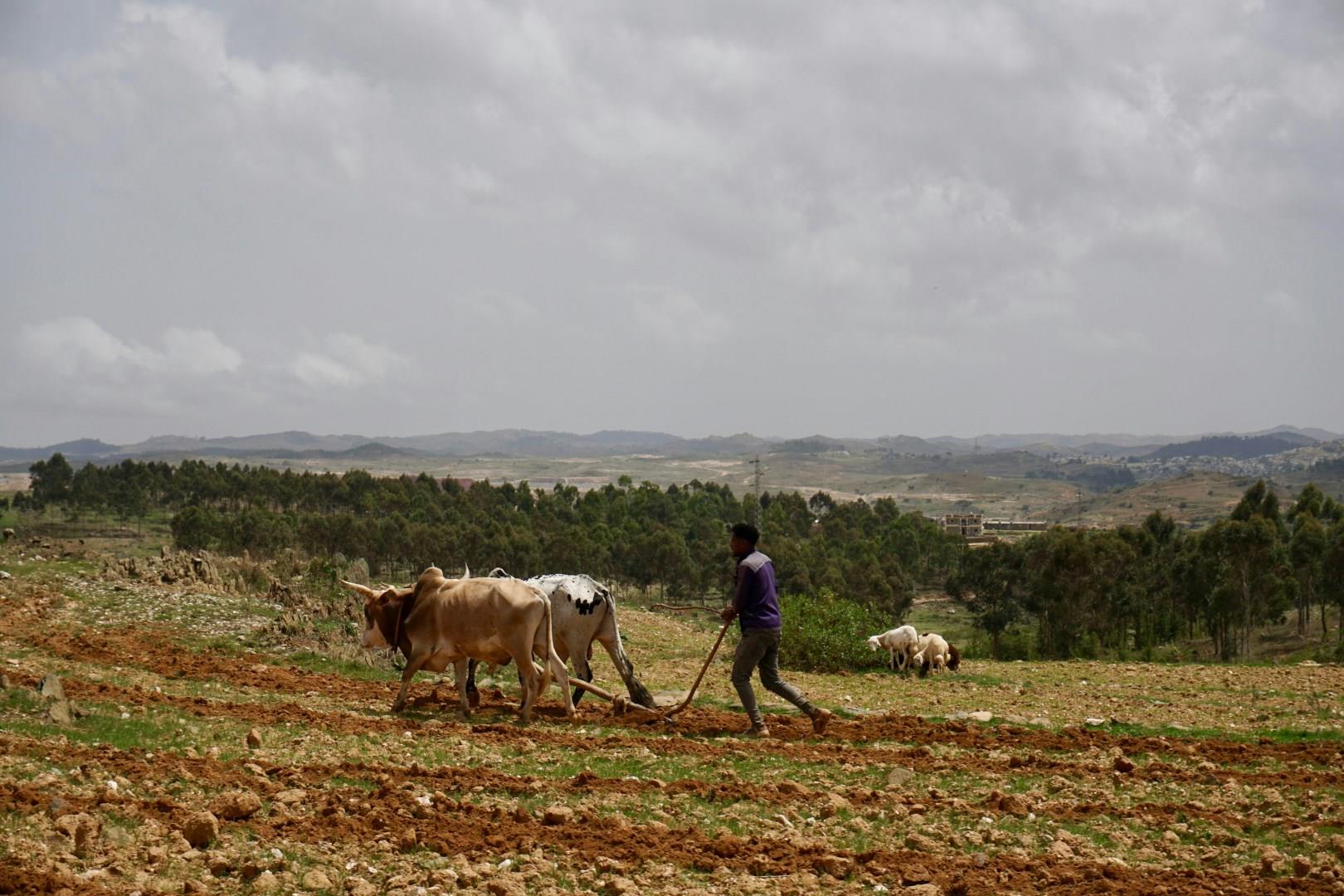
Asmara, the capital of Eritrea, is a city where time seems to have paused in the mid-20th century. Known for its remarkably preserved Italian modernist architecture, the city has earned recognition as a UNESCO World Heritage Site.
Dominica, known as the “Nature Island of the Caribbean,” is a haven for eco-tourists and adventure seekers. Nestled between the French islands of Guadeloupe and Martinique, this lush island boasts a remarkable landscape of volcanic mountains, dense rainforests, and stunning waterfalls. Dominica’s most iconic natural wonder is the Boiling Lake, the second-largest hot spring in the world.
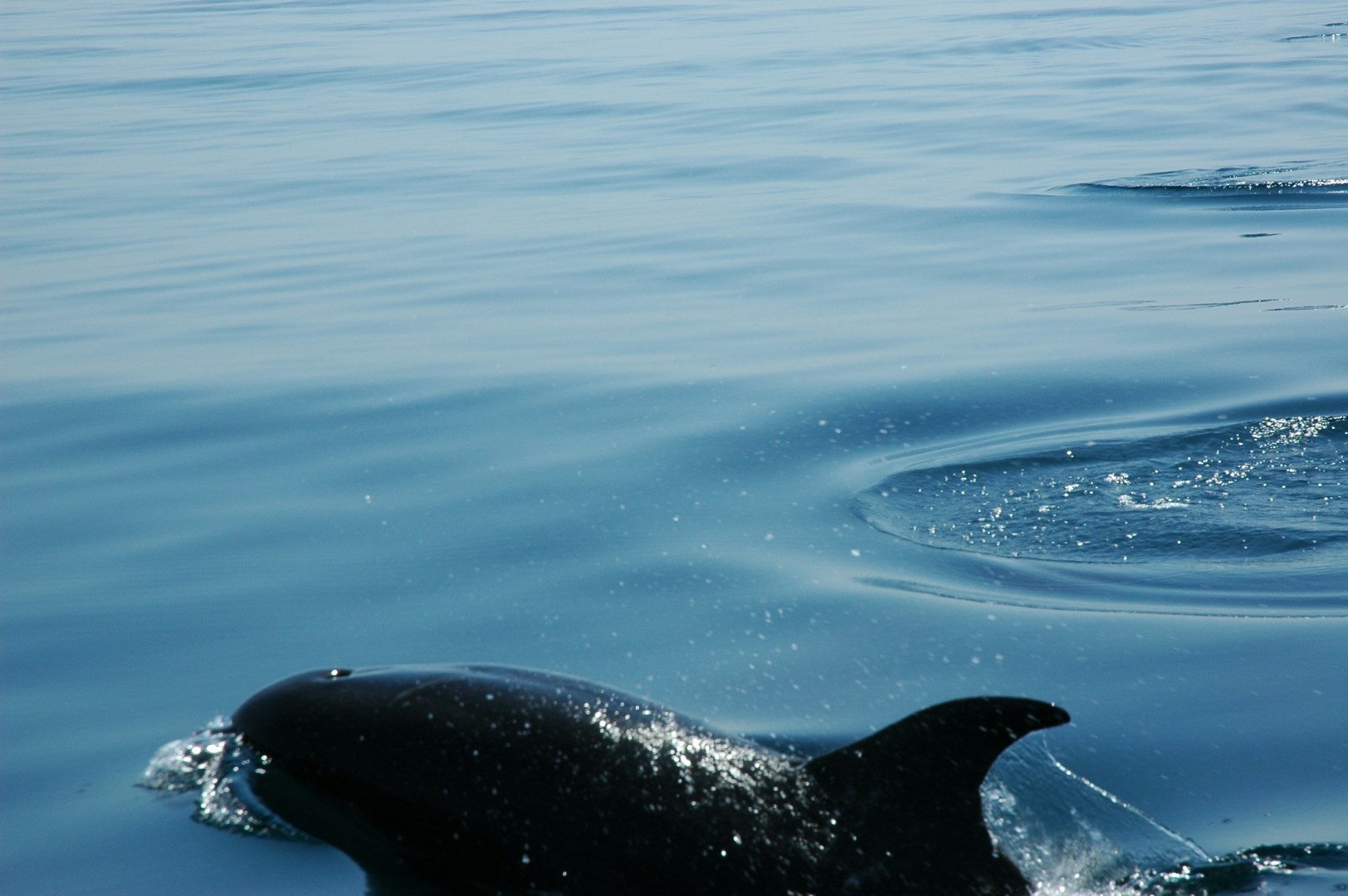
The Gulf of California, also known as the Sea of Cortez, is a dazzling stretch of water that separates the Baja California Peninsula from mainland Mexico. This remarkable body of water offers a paradise for nature enthusiasts and adventure seekers alike.
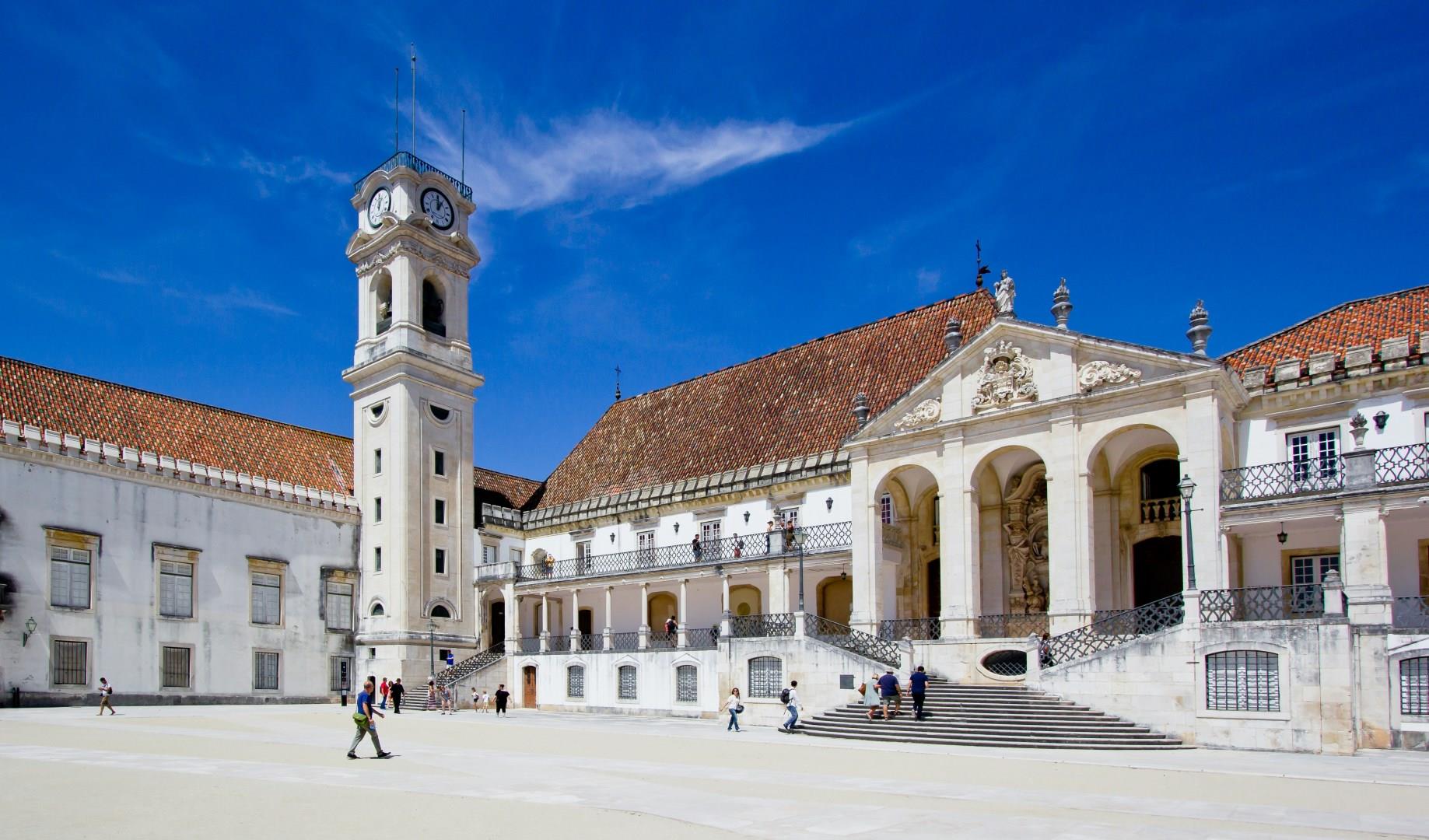
Coimbra, set along the banks of the Mondego River in central Portugal, is a historic city known for its academic legacy and old-world charm. Once the medieval capital of Portugal, it is home to the University of Coimbra, one of the oldest in Europe and a UNESCO World Heritage Site.
Papua New Guinea is a land of surprises, where misty highlands give way to tropical coasts and vibrant festivals stir every sense. In the Highlands, the air carries the echoes of ceremonial drums and elaborate sing‑sings like the famed Goroka Show, where over 100 tribes gather in September to perform dances adorned with feathered headdresses, body paint, and the haunting clay masks of the Asaro Mudmen.
Photo Credit: Photo by Robert Greinacher on Unsplash
Photo Credit: Photo by Andrew Dawes on Unsplash
Photo Credit: Photo by Lori Ayre on Unsplash
Photo Credit: Photo by Thomas Wilson on Unsplash
Photo Credit: Photo by Jonathan Greenaway on Unsplash
Loch Na Keal
Photo Credit: Photo by Dan Russon on Unsplash
Fionnphort
Photo Credit: Photo by Andrew Dawes on Unsplash
Photo Credit: Photo by Jonny Gios on Unsplash
Fionnphort
Photo Credit: Photo by Andrew Dawes on Unsplash
Photo Credit: Photo by David Makin on Unsplash
Photo Credit: Photo by Jeremy Boley on Unsplash
Photo Credit: Photo by Hazel Clifton on Unsplash
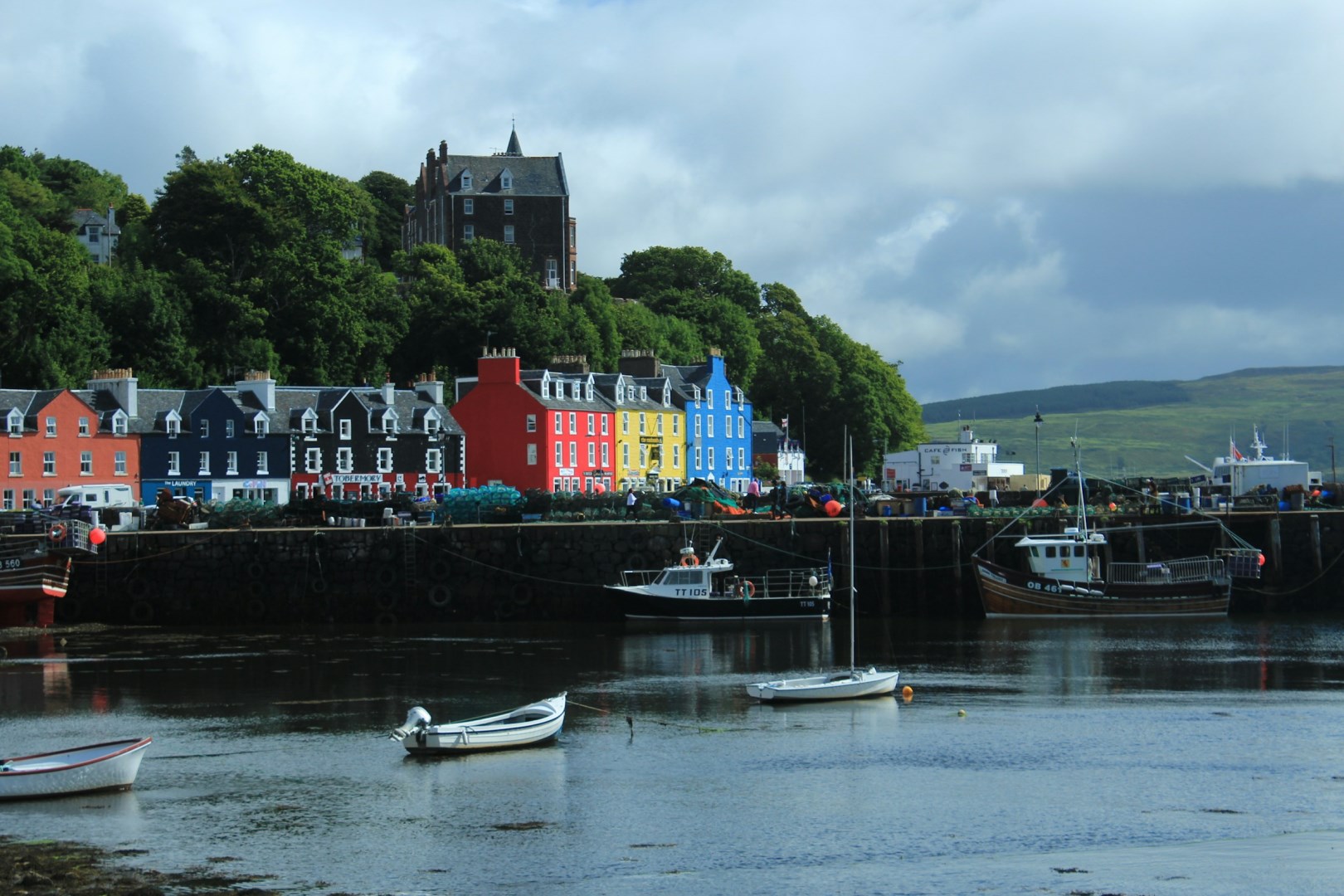
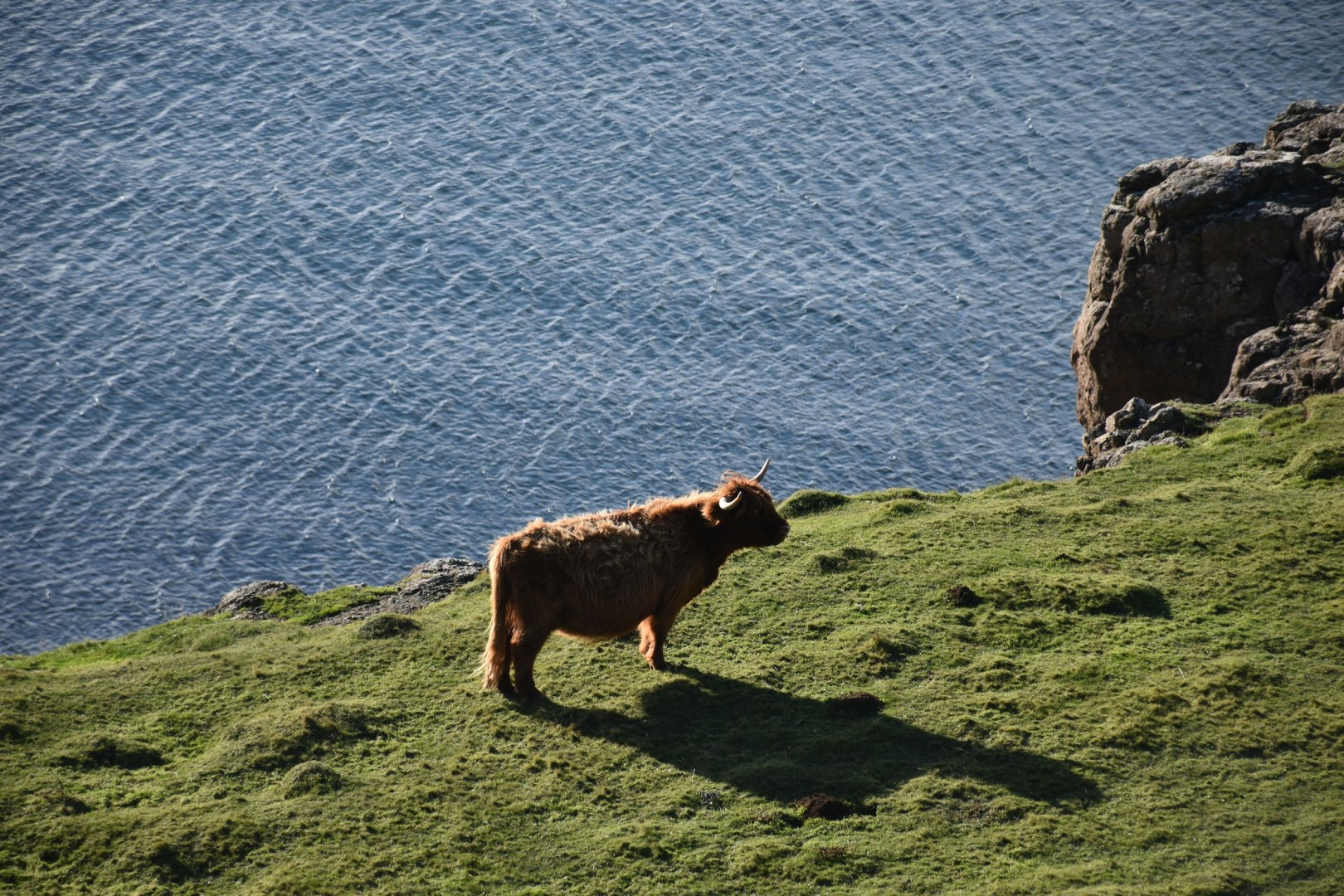
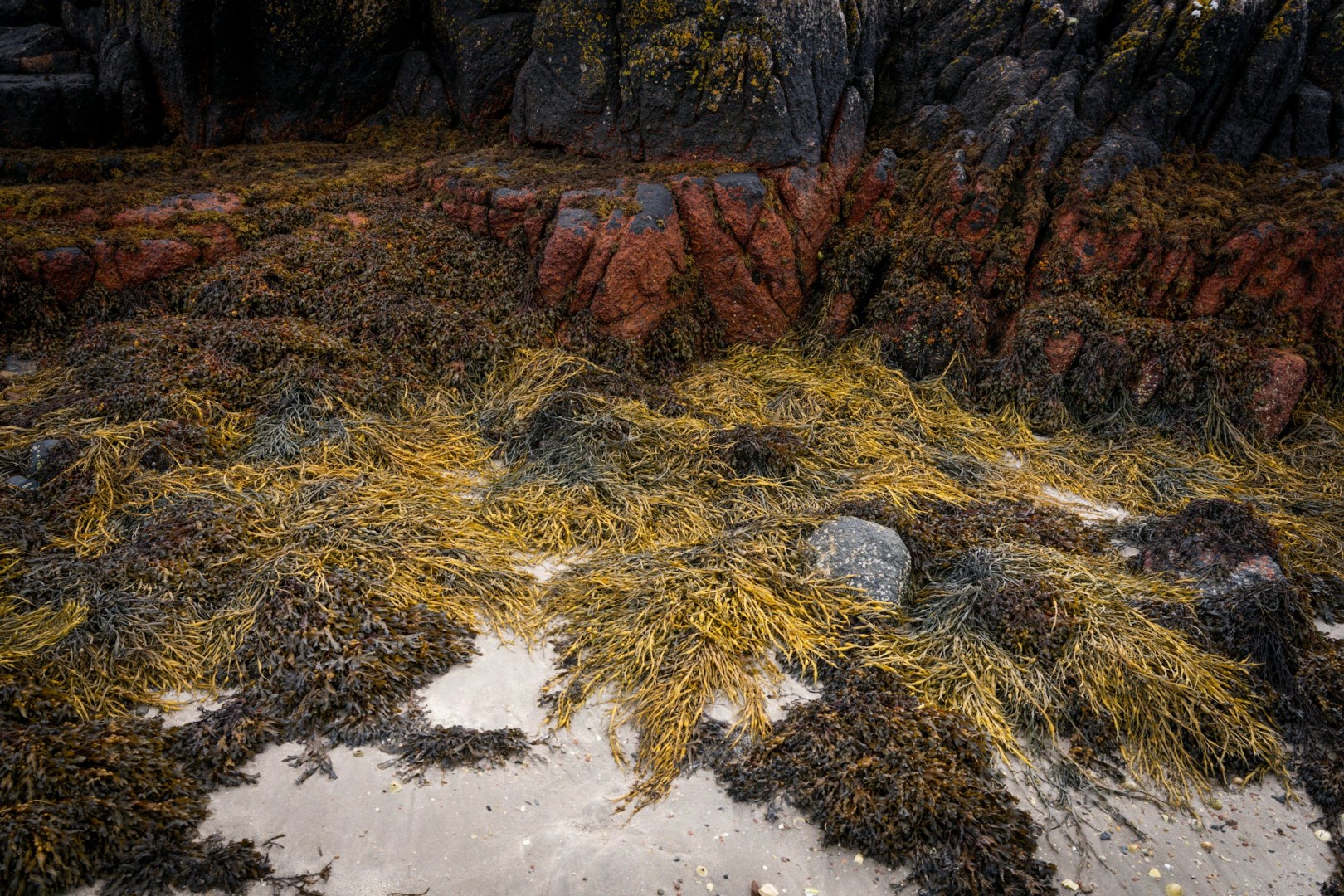
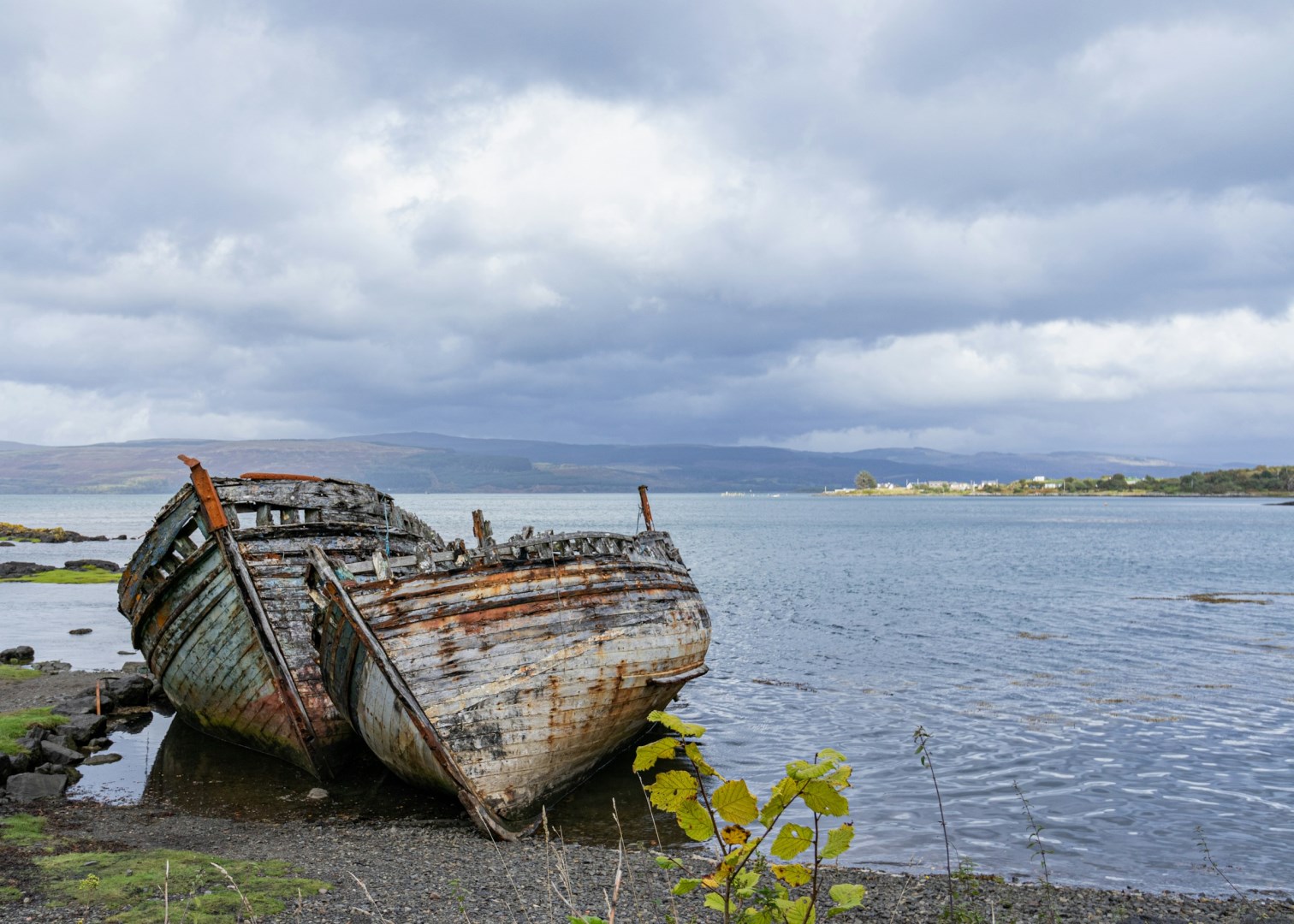
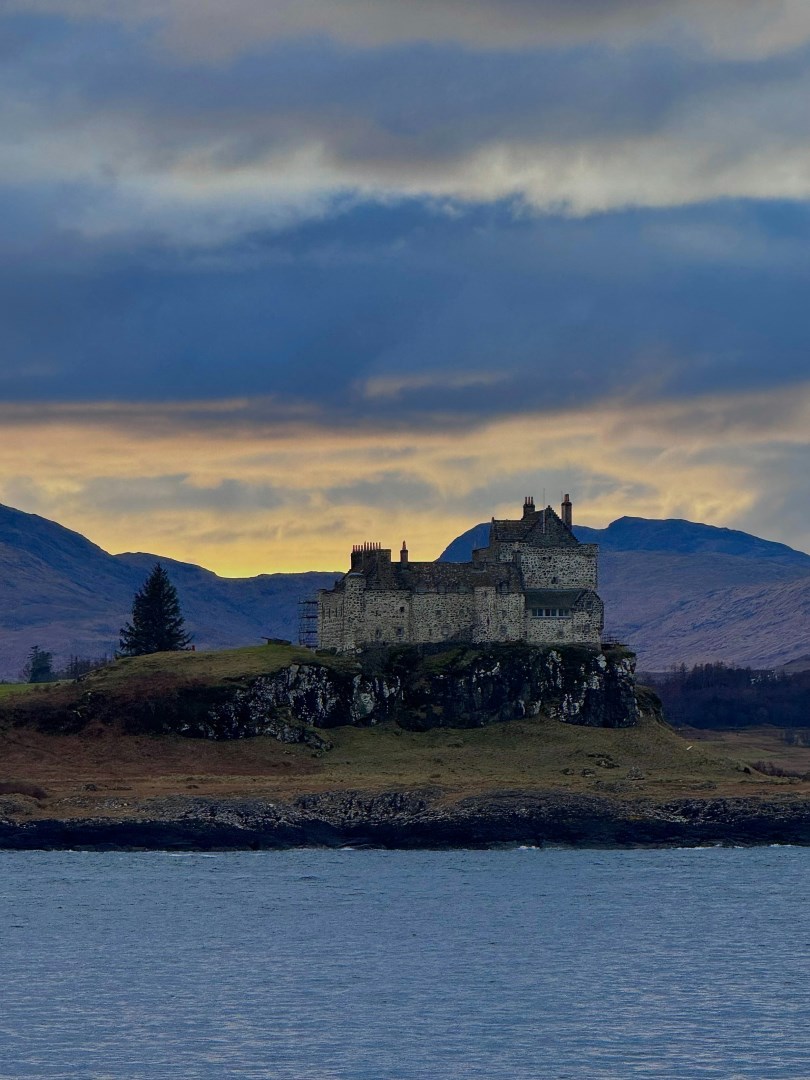
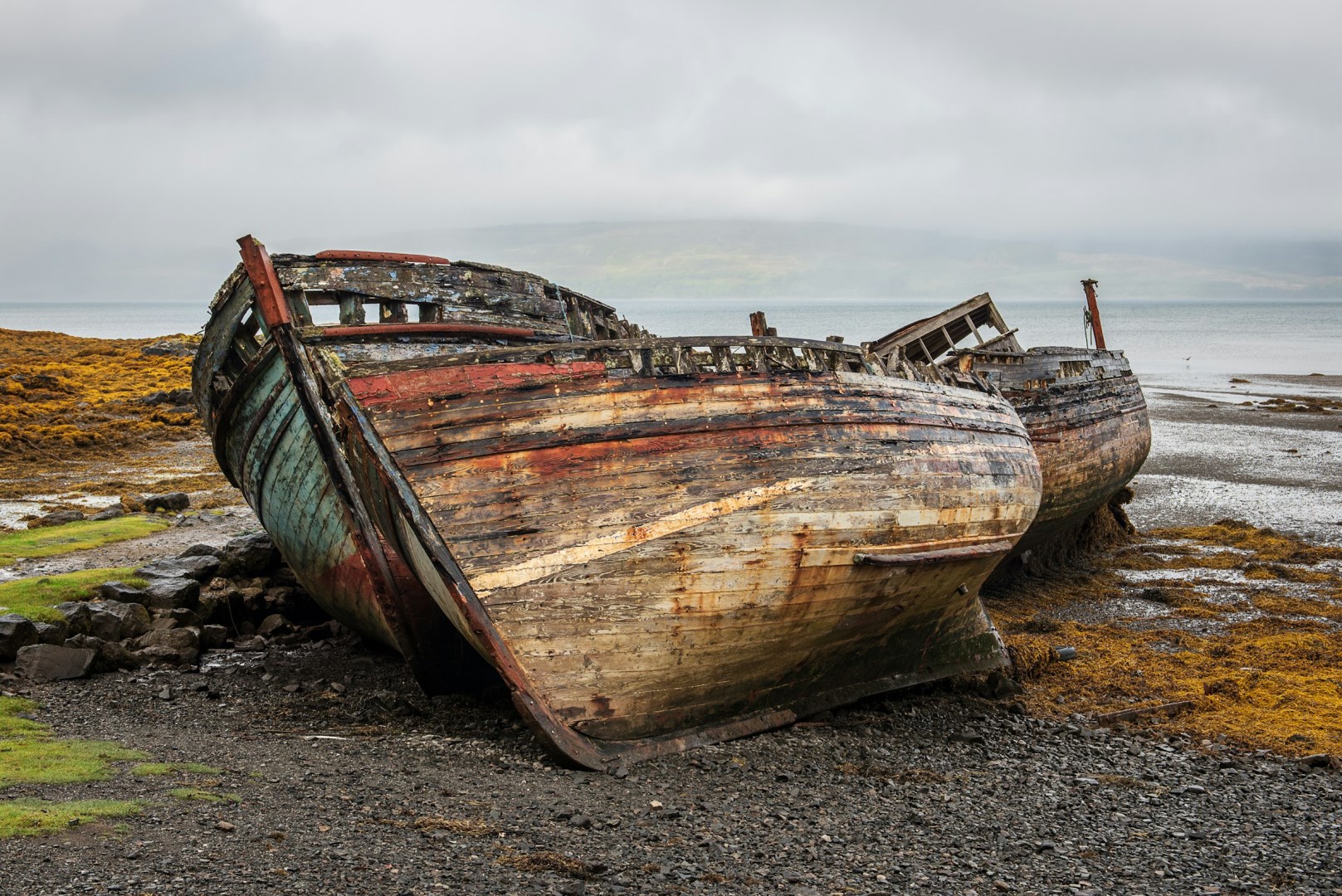
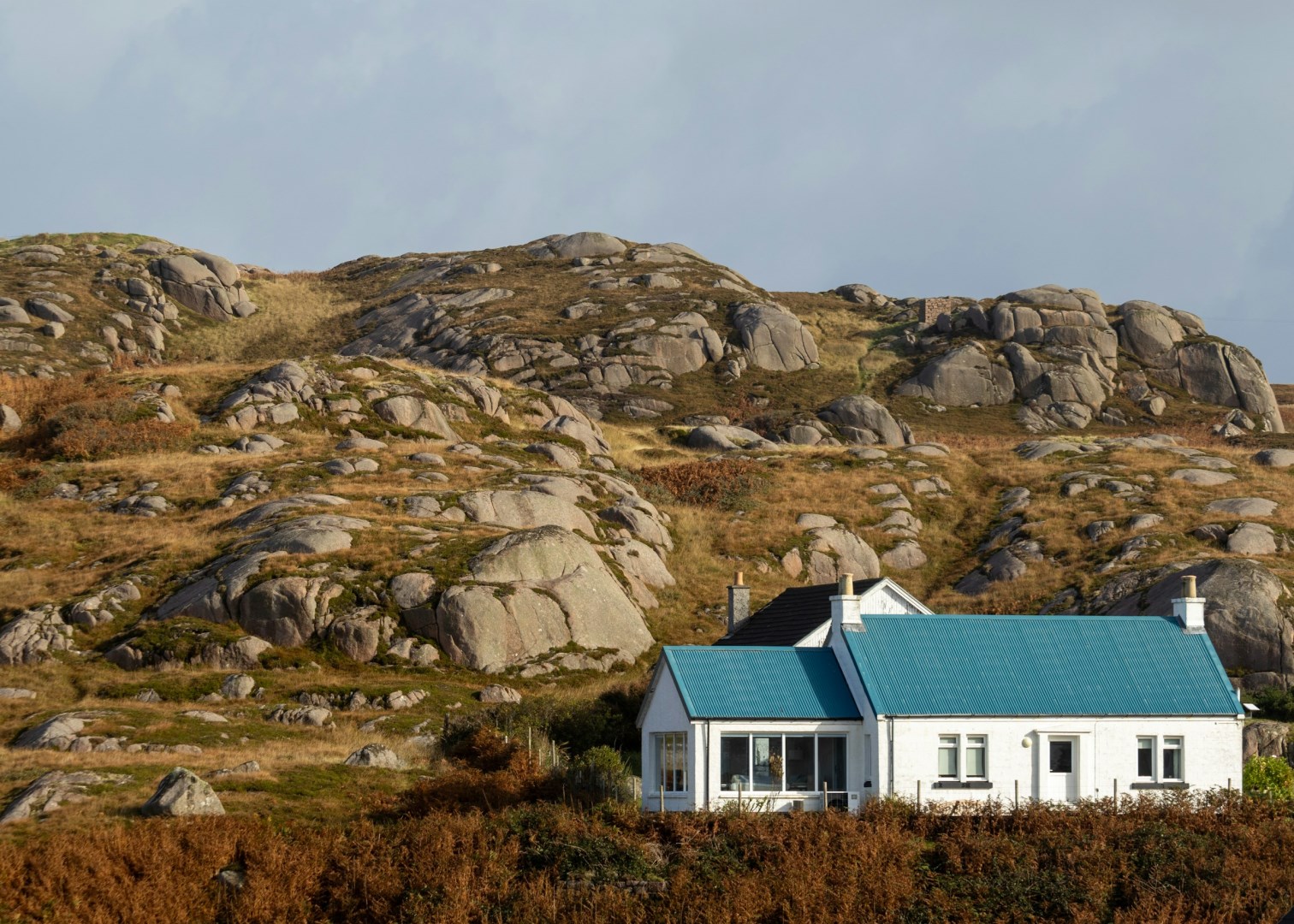
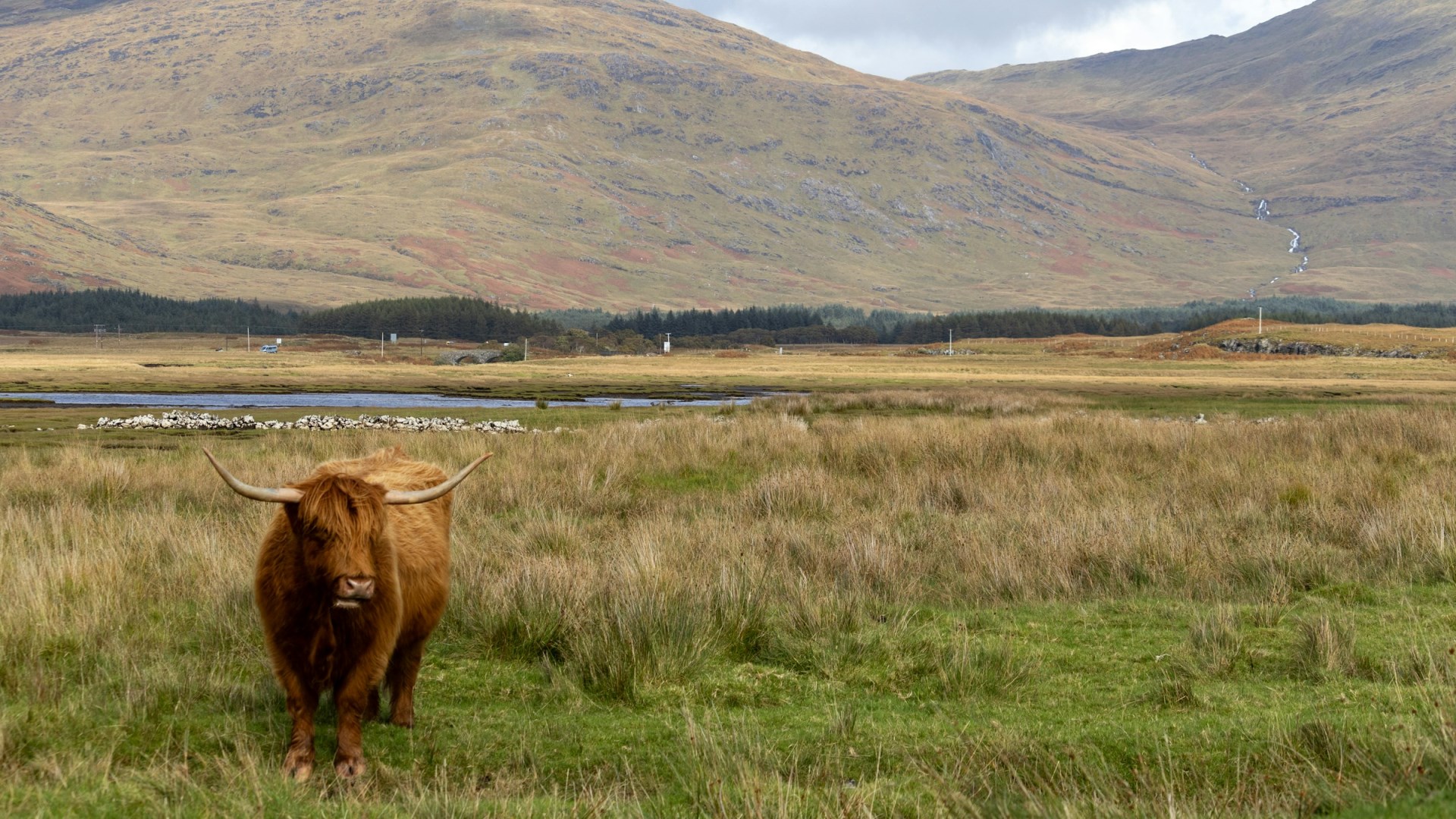
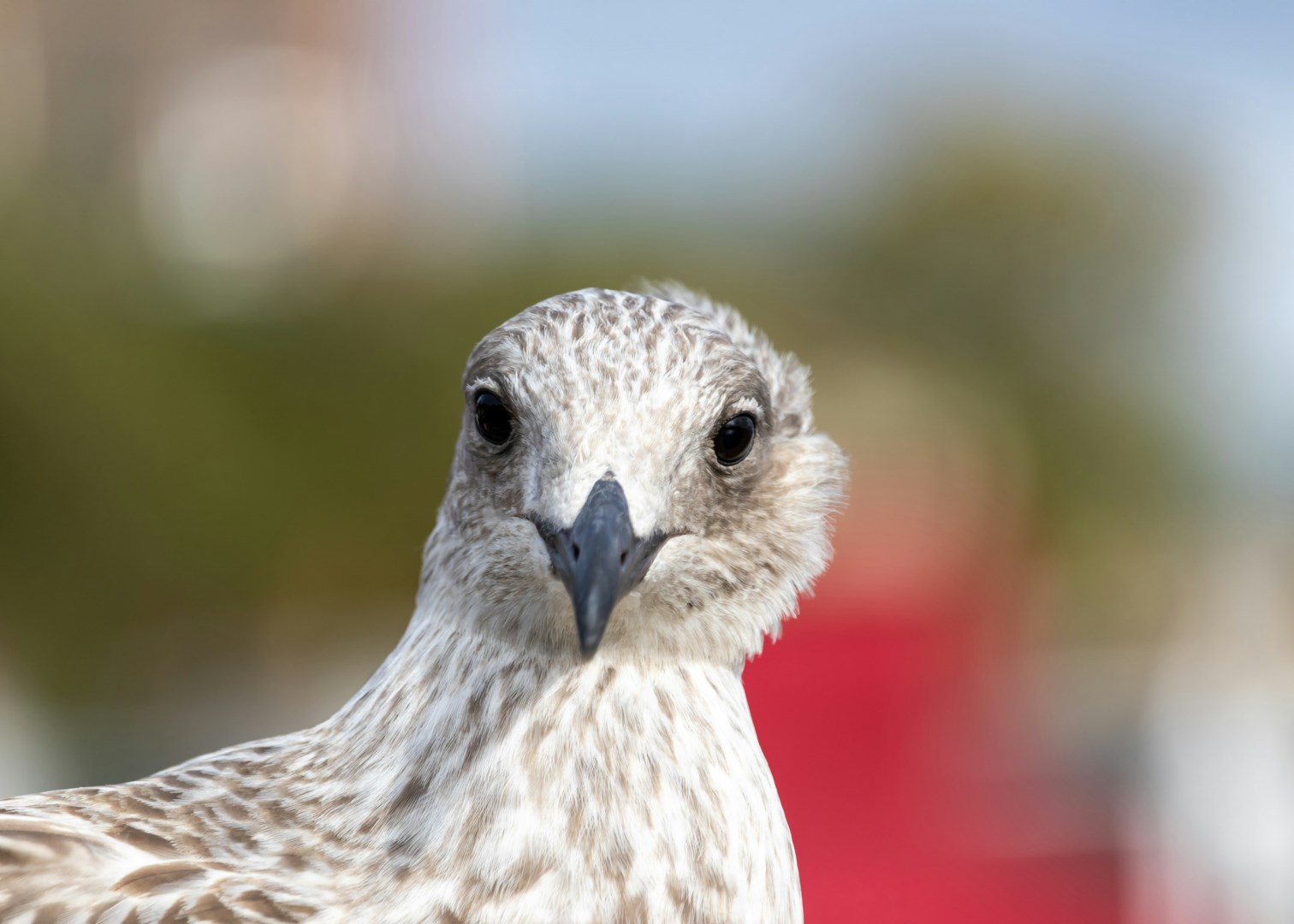
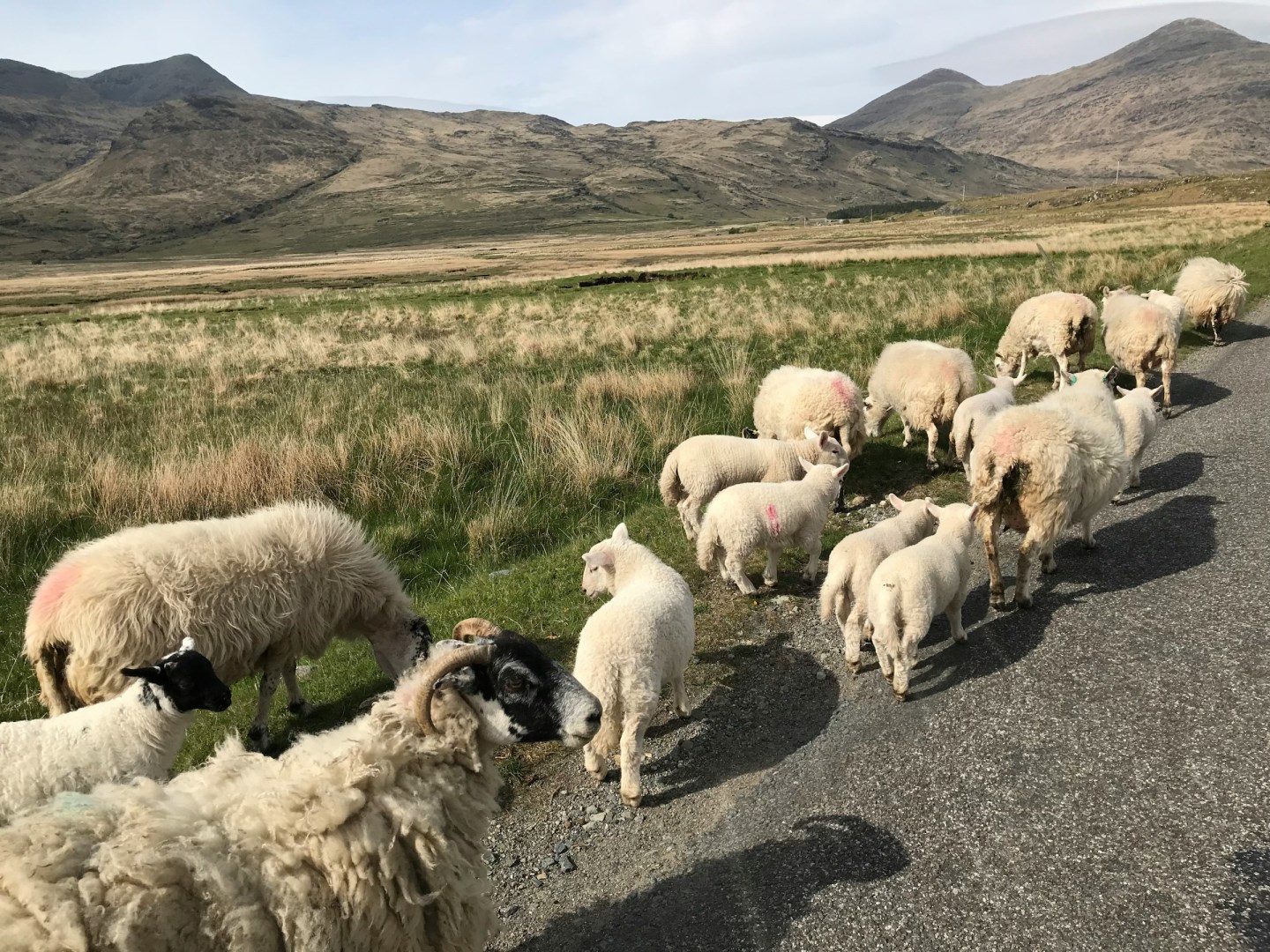
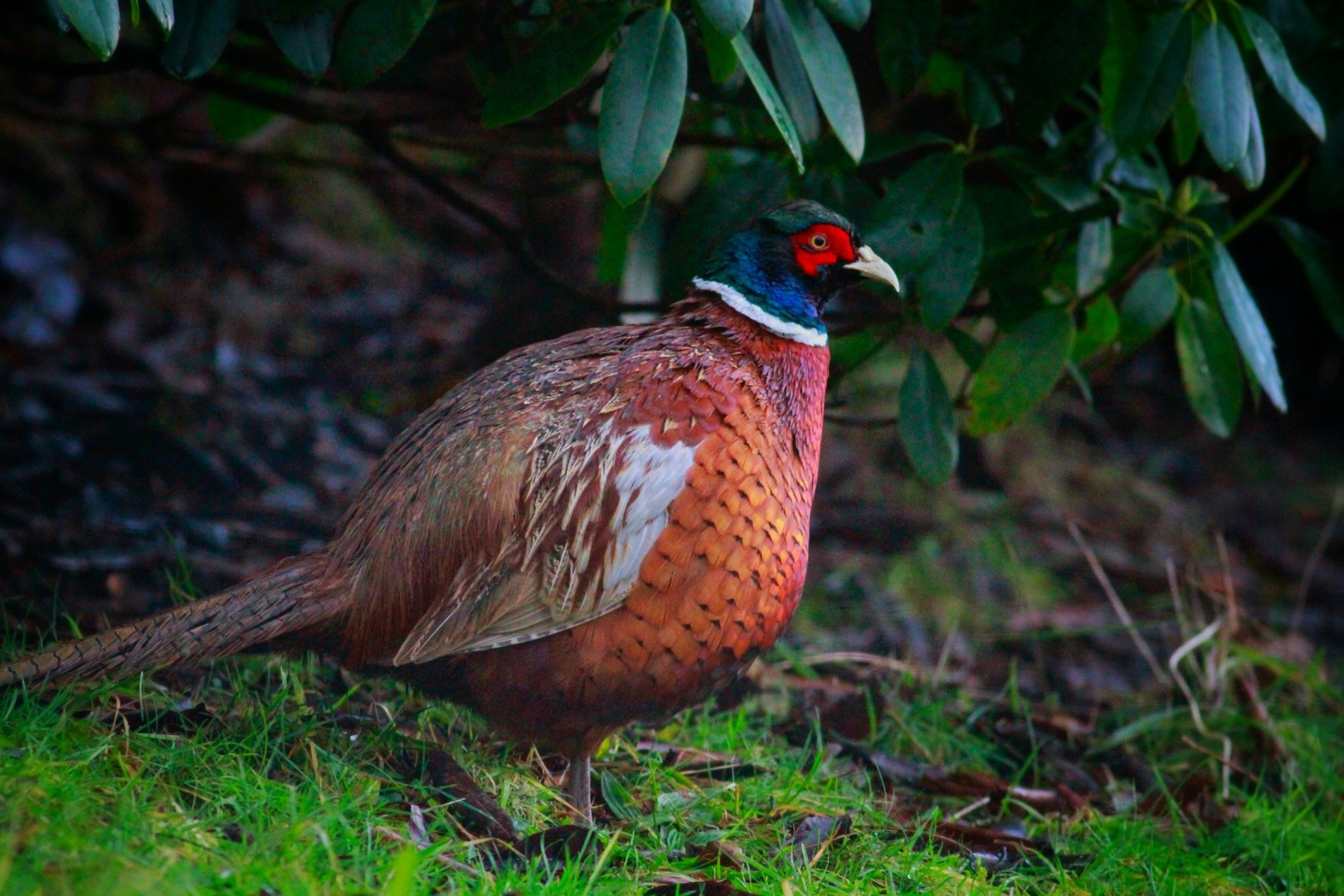
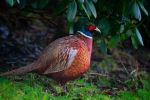
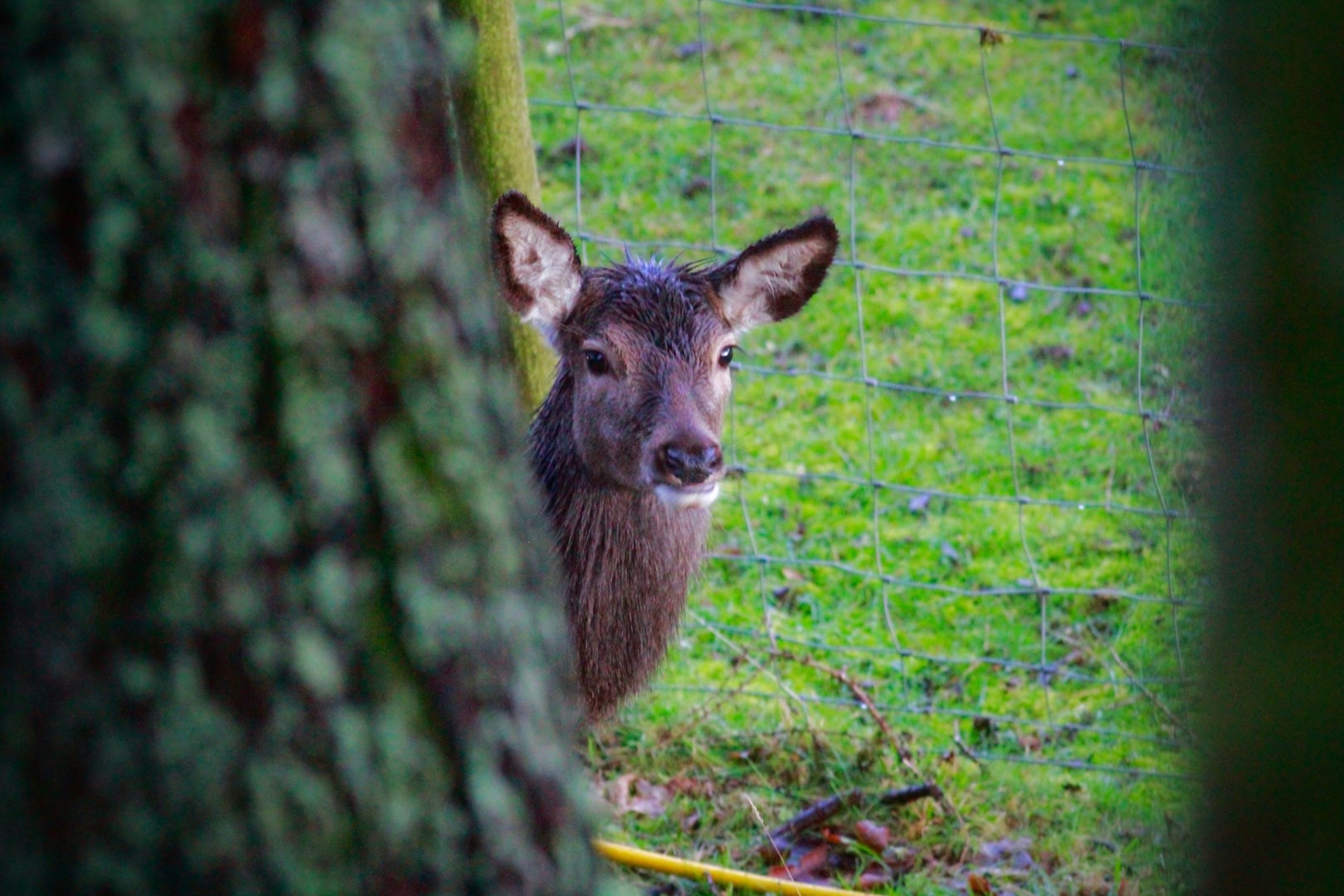
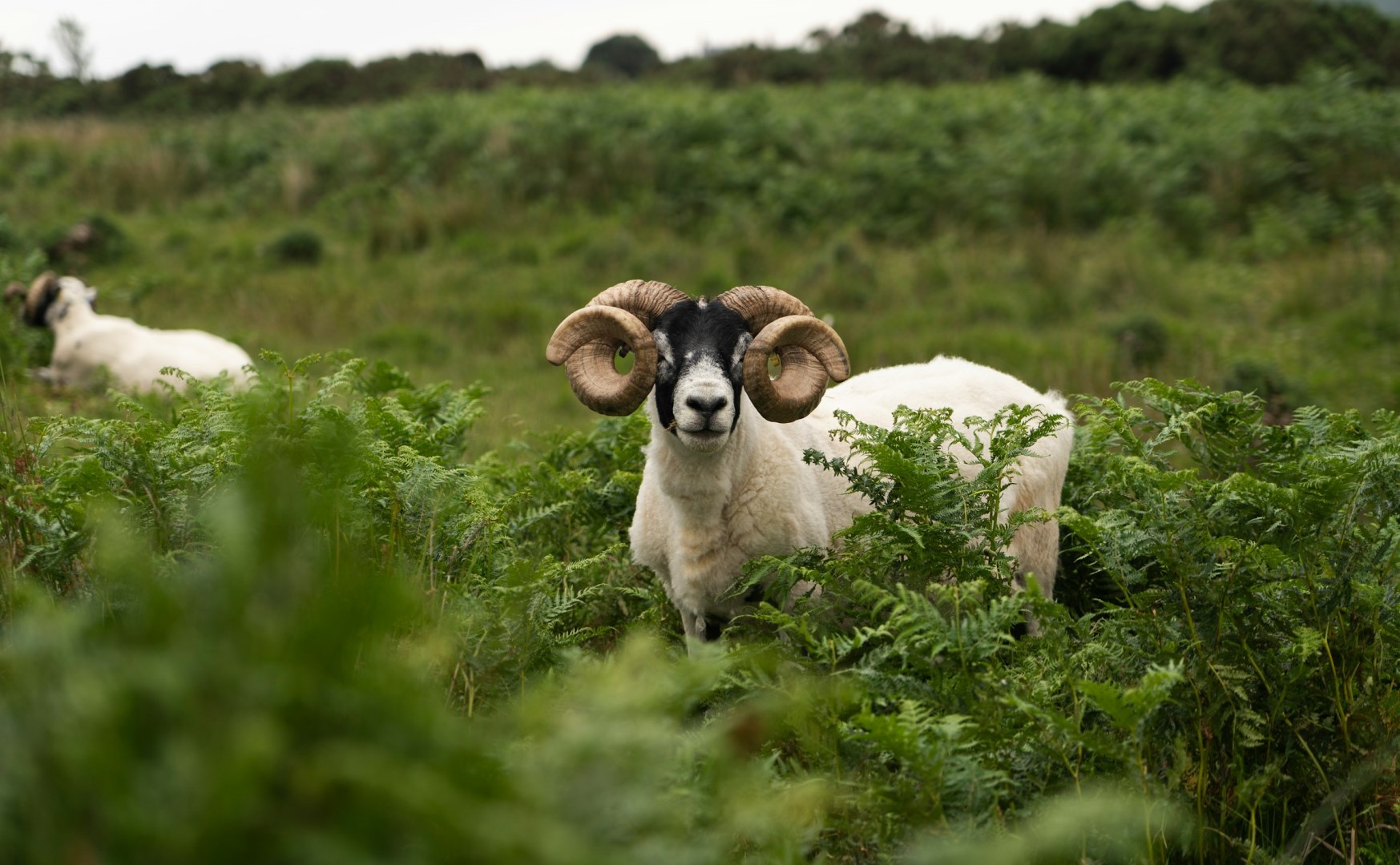
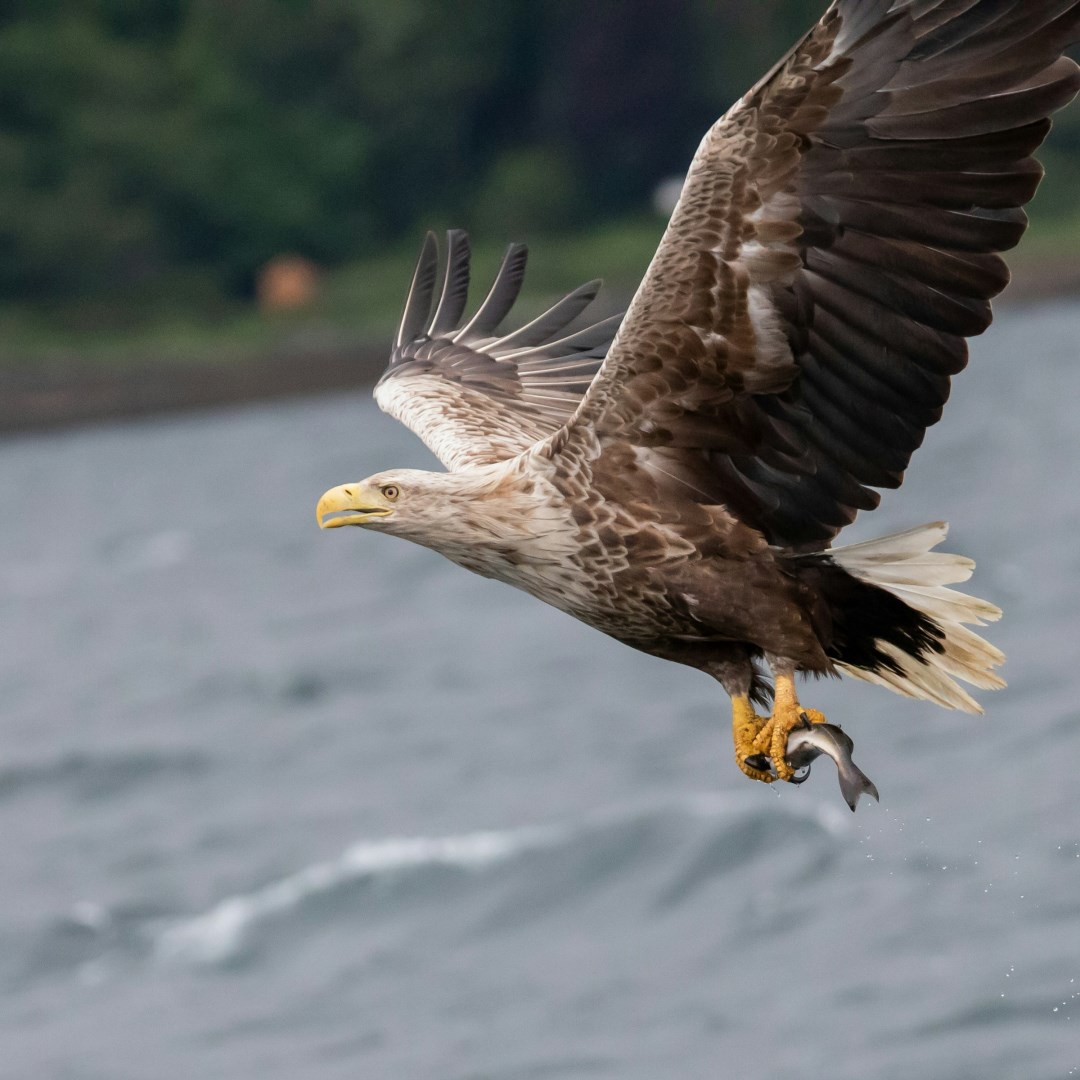
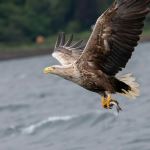
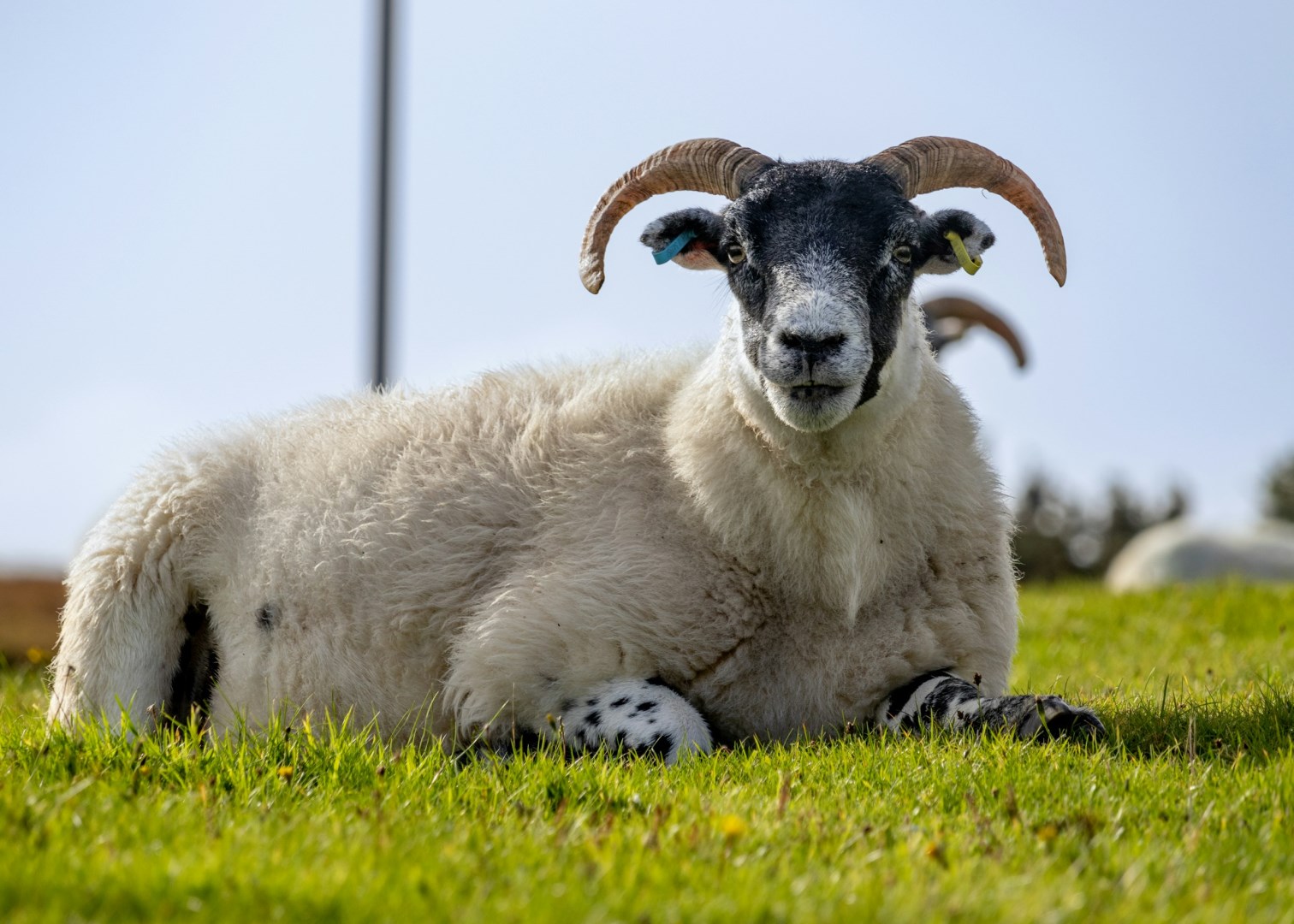
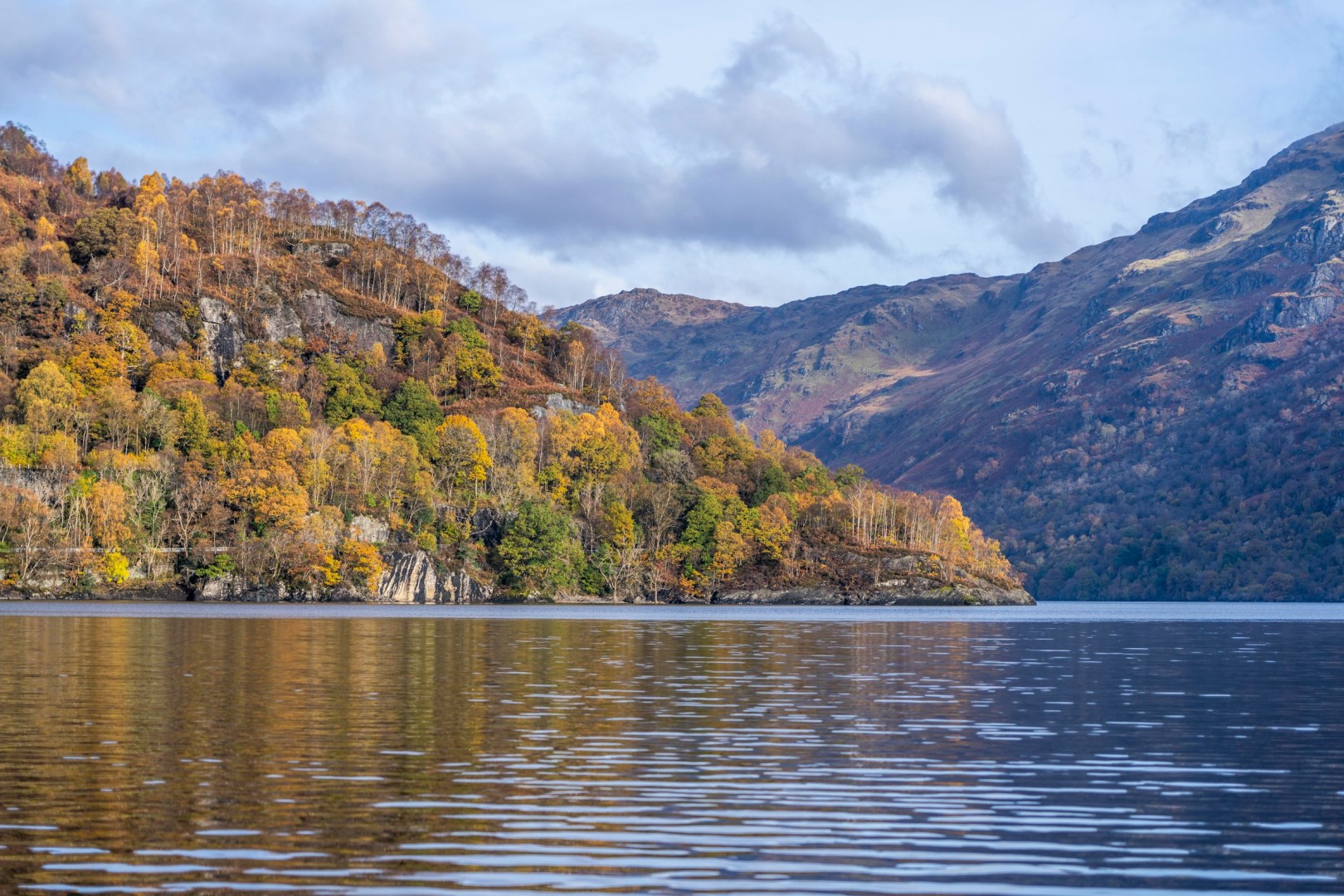
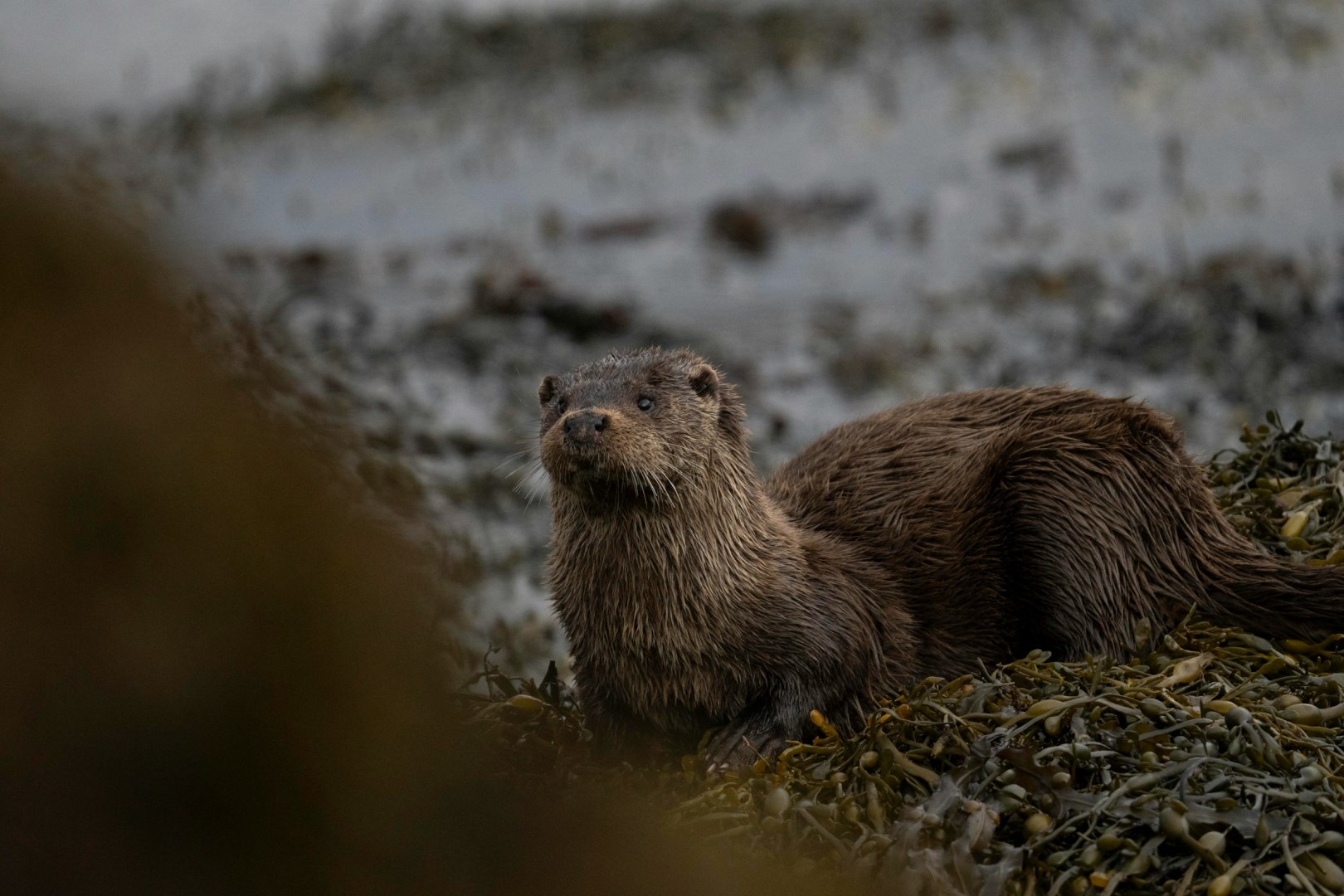
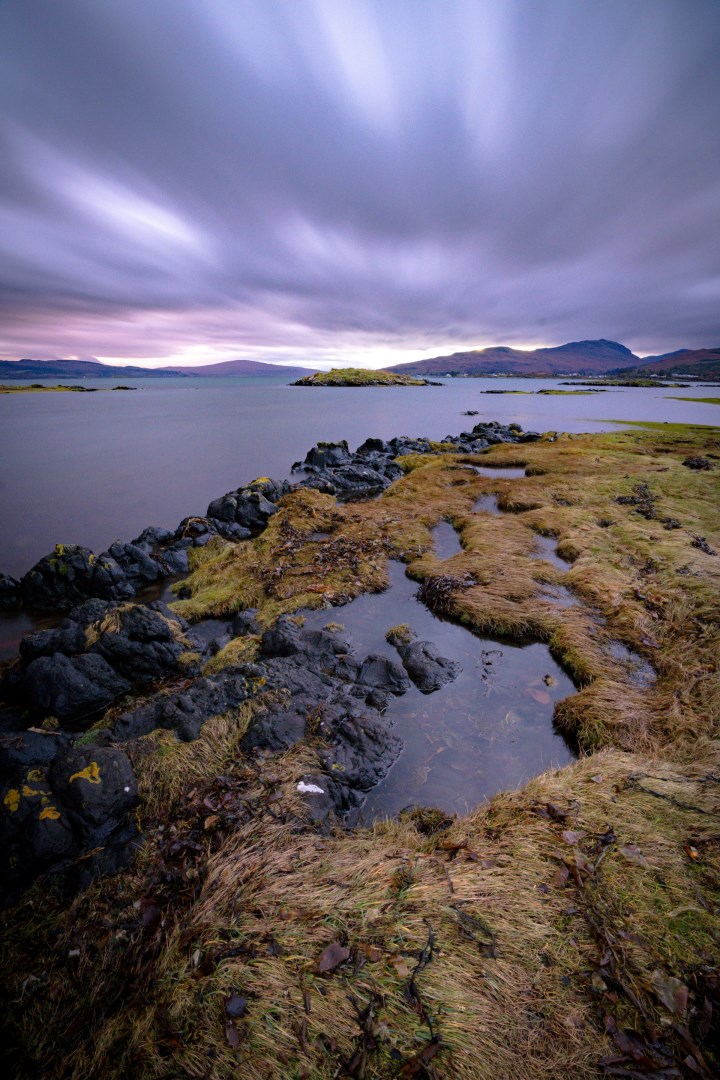
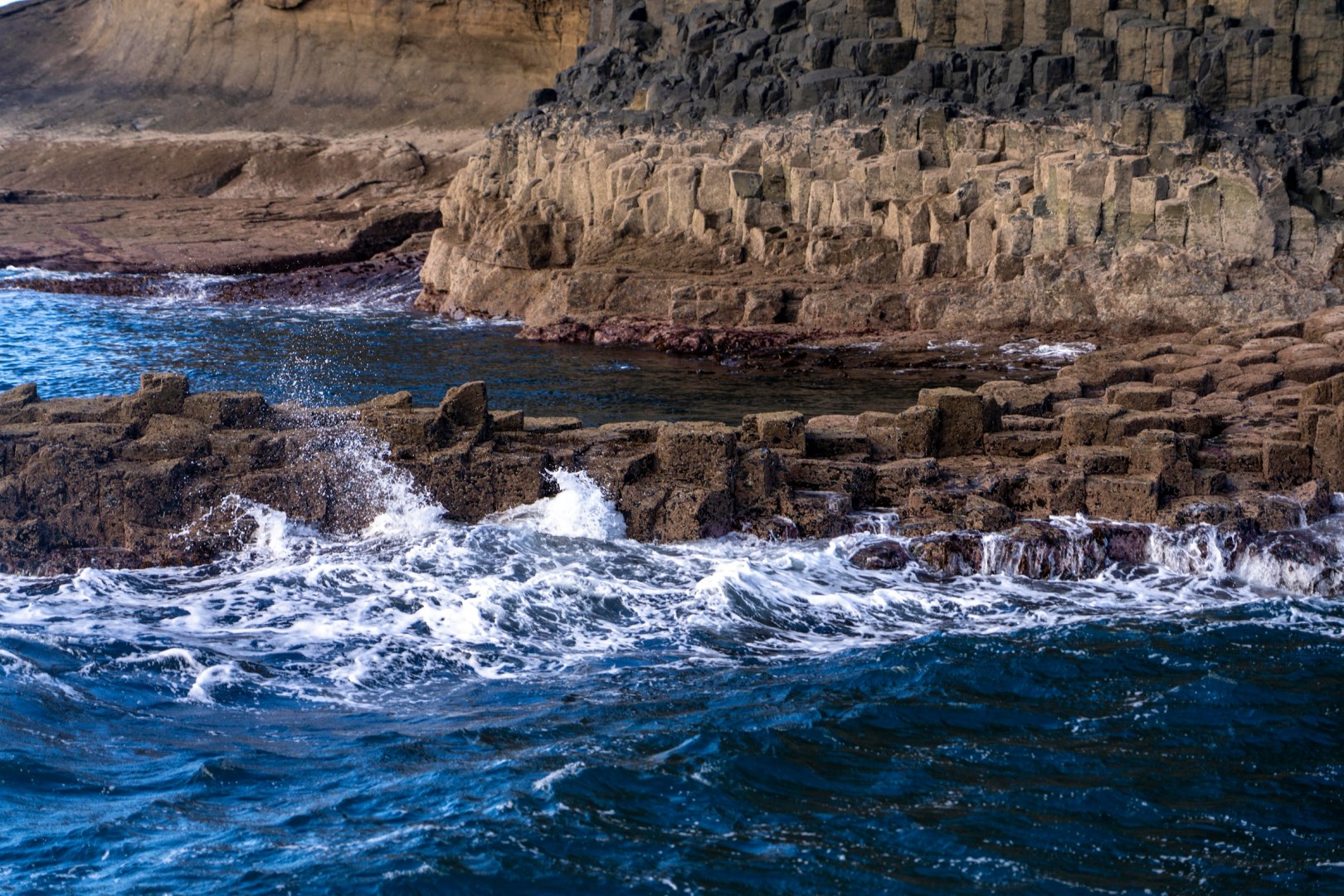
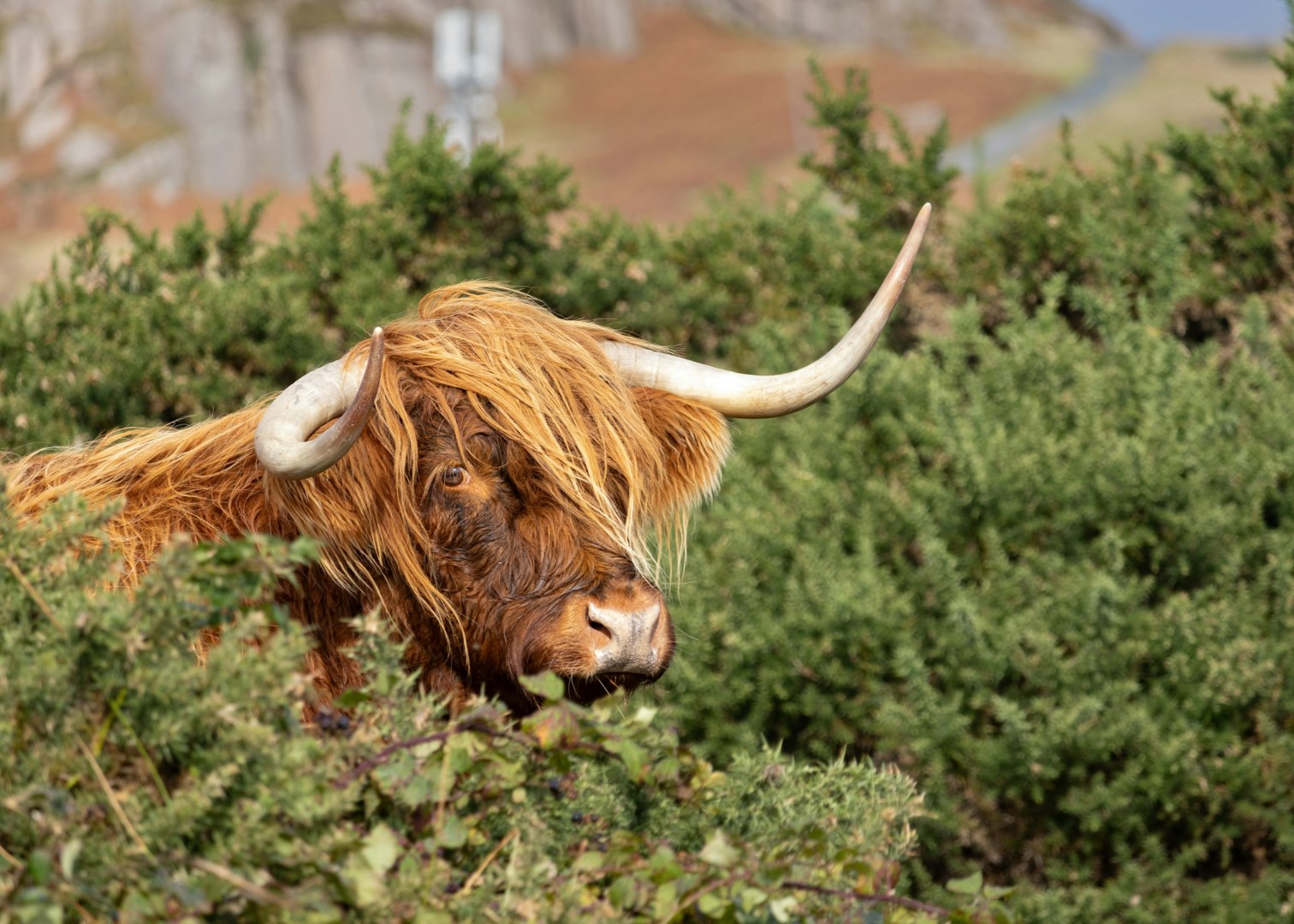
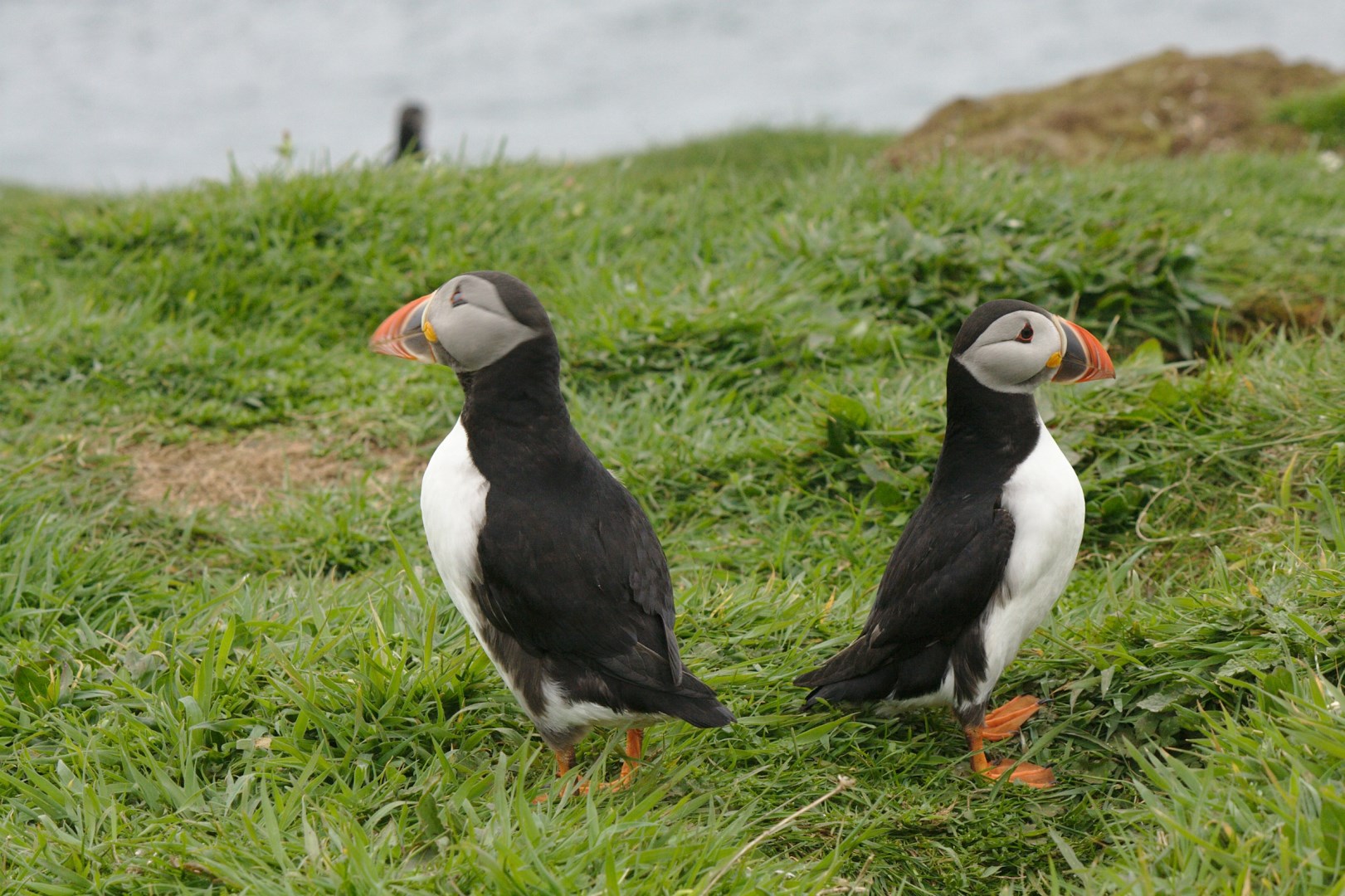
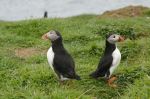
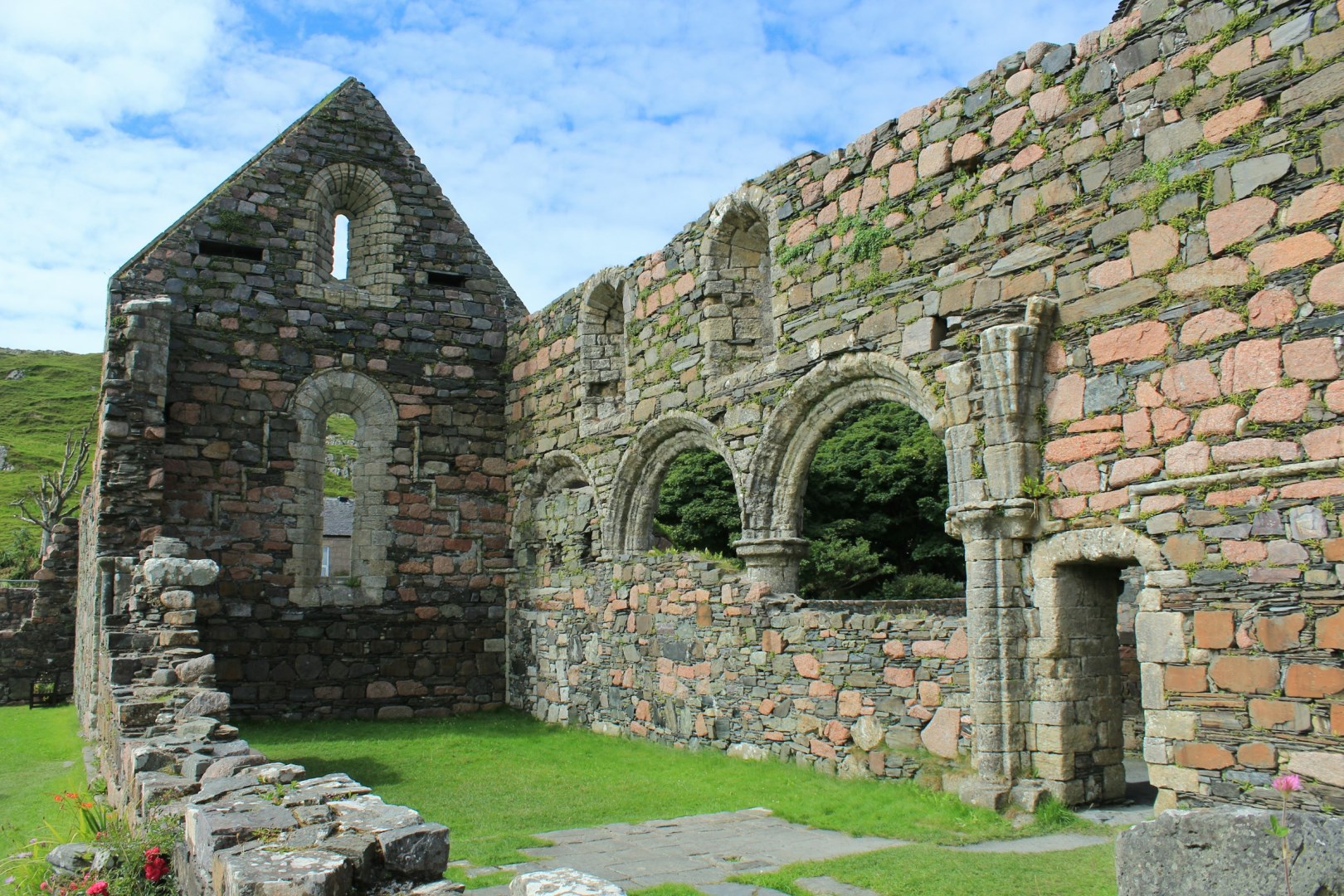
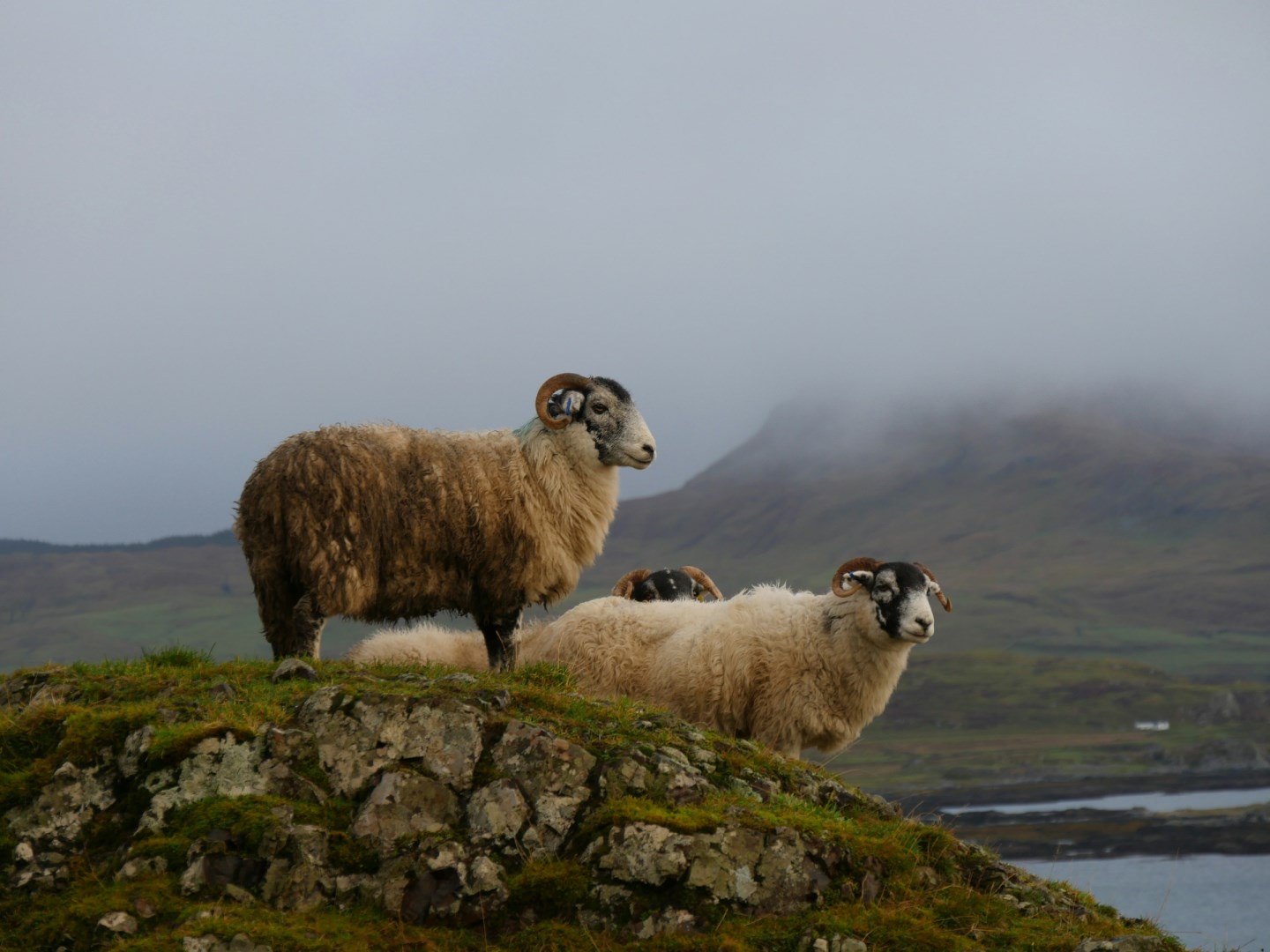
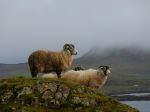
Set among Scotland’s Inner Hebrides, the Isle of Mull features a varied landscape of rugged coastline, mountain terrain, sheltered sea lochs and sandy beaches. Its main town, Tobermory, is known for the brightly painted buildings lining its harbor, while the island’s countryside and surrounding waters provide habitats for wildlife including otters, seals and sea eagles.