


Saguenay


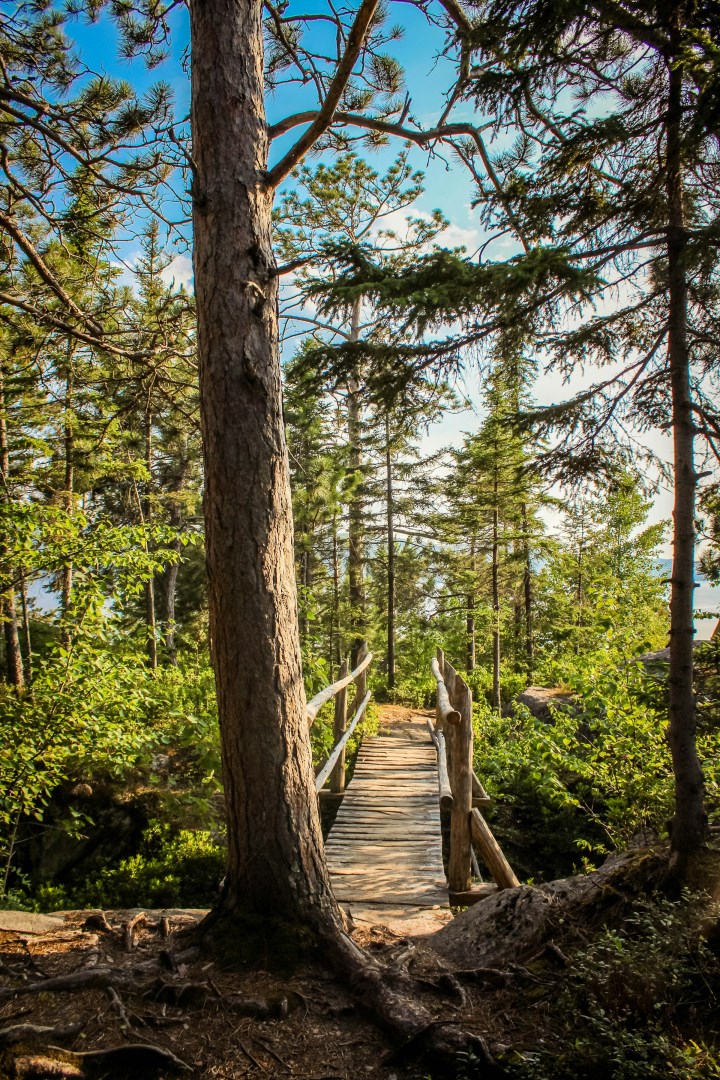

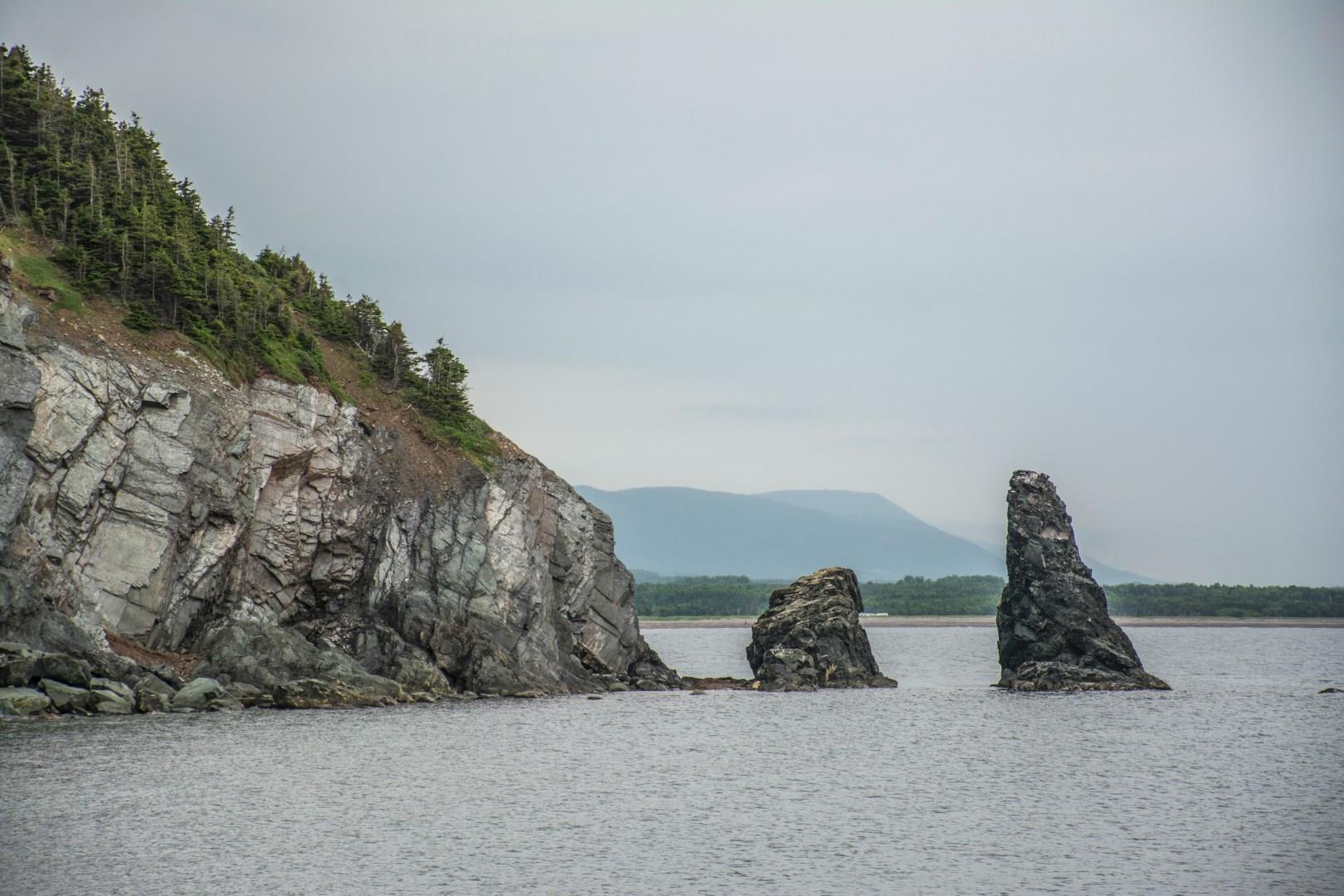
Nestled in the heart of Quebec, Saguenay is a city that invites travelers to experience the perfect blend of natural beauty and vibrant culture. Set along the picturesque Saguenay River, this city is a gateway to the Saguenay Fjord, one of the longest fjords in the world, where steep cliffs rise dramatically from the deep waters. Visitors can explore this majestic landscape by boat, kayak, or even on foot, with numerous trails offering breathtaking views and opportunities to spot wildlife such as belugas and seals.
Saguenay is also rich in cultural experiences. The La Pulperie de Chicoutimi, a former industrial site turned museum, delves into the city’s history, showcasing its transformation from a booming pulp mill town to a cultural hub. The museum also features rotating exhibitions of contemporary art and Quebec heritage, making it a must-visit for art and history enthusiasts (La Pulperie de Chicoutimi). Another cultural gem is the Petite Maison Blanche (Little White House), a symbol of resilience after surviving the catastrophic floods of 1996, which has since become a local museum dedicated to the event (Petite Maison Blanche).
For those seeking adventure, Saguenay offers year-round activities. In winter, the region transforms into a snowy playground, ideal for skiing, snowshoeing, and snowmobiling. Monts Valin National Park is particularly popular for its “ghost forest,” where snow-laden trees create a surreal winter wonderland (Sepaq Monts-Valin). In summer, the city’s proximity to the Saguenay–St. Lawrence Marine Park makes it a hotspot for whale watching, offering unforgettable encounters with these gentle giants of the sea (Marine Park).
Fun Fact: Saguenay boasts one of the highest rates of sunny days in Quebec, making it an ideal destination for outdoor activities throughout the year!
Saguenay is also rich in cultural experiences. The La Pulperie de Chicoutimi, a former industrial site turned museum, delves into the city’s history, showcasing its transformation from a booming pulp mill town to a cultural hub. The museum also features rotating exhibitions of contemporary art and Quebec heritage, making it a must-visit for art and history enthusiasts (La Pulperie de Chicoutimi). Another cultural gem is the Petite Maison Blanche (Little White House), a symbol of resilience after surviving the catastrophic floods of 1996, which has since become a local museum dedicated to the event (Petite Maison Blanche).
For those seeking adventure, Saguenay offers year-round activities. In winter, the region transforms into a snowy playground, ideal for skiing, snowshoeing, and snowmobiling. Monts Valin National Park is particularly popular for its “ghost forest,” where snow-laden trees create a surreal winter wonderland (Sepaq Monts-Valin). In summer, the city’s proximity to the Saguenay–St. Lawrence Marine Park makes it a hotspot for whale watching, offering unforgettable encounters with these gentle giants of the sea (Marine Park).
Fun Fact: Saguenay boasts one of the highest rates of sunny days in Quebec, making it an ideal destination for outdoor activities throughout the year!
