

East and Southeast Asia | Malaysia | Port Kelang
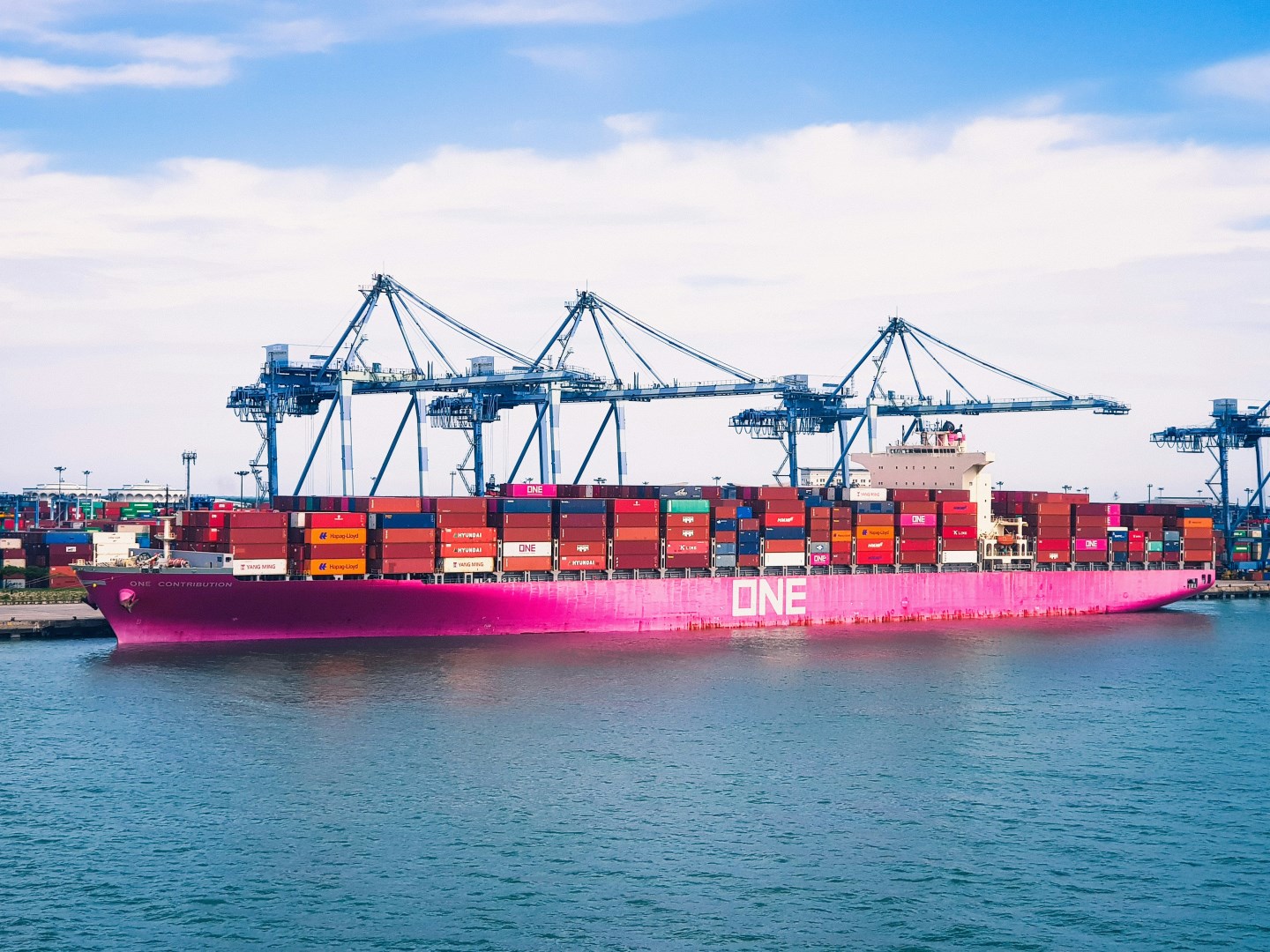
Port Klang, Malaysia’s bustling port city, is a gateway to both vibrant urban life and serene coastal escapes. As Malaysia’s primary port, Port Klang serves as a vital hub for commerce and travel, making it an exciting destination for those interested in maritime history and logistics. Visitors can explore the Port Klang Maritime Museum to learn about the city's historical significance as a major trading post.
The city is also the launchpad for exploring the nearby Klang Valley, known for its diverse culture and attractions. Just a short drive away, you’ll find the bustling town of Klang, famous for its delicious local cuisine, including the renowned Bak Kut Teh, a savory herbal pork soup.
For nature enthusiasts, Port Klang provides easy access to beautiful Pulau Ketam, also known as Crab Island. This charming fishing village, located just a short boat ride away, is renowned for its picturesque wooden houses on stilts and traditional seafood. Visitors can enjoy a relaxing day exploring the island’s tranquil environment and savoring freshly caught seafood at local eateries.
Fun Fact: Port Klang is the largest and busiest port in Malaysia, handling a significant portion of the country's cargo traffic.
Visit Port Klang from December to February to enjoy the cooler and drier weather, making it ideal for both exploring the city and venturing to nearby attractions.
The city is also the launchpad for exploring the nearby Klang Valley, known for its diverse culture and attractions. Just a short drive away, you’ll find the bustling town of Klang, famous for its delicious local cuisine, including the renowned Bak Kut Teh, a savory herbal pork soup.
For nature enthusiasts, Port Klang provides easy access to beautiful Pulau Ketam, also known as Crab Island. This charming fishing village, located just a short boat ride away, is renowned for its picturesque wooden houses on stilts and traditional seafood. Visitors can enjoy a relaxing day exploring the island’s tranquil environment and savoring freshly caught seafood at local eateries.
Fun Fact: Port Klang is the largest and busiest port in Malaysia, handling a significant portion of the country's cargo traffic.
Visit Port Klang from December to February to enjoy the cooler and drier weather, making it ideal for both exploring the city and venturing to nearby attractions.
Other Popular Destinations in Malaysia
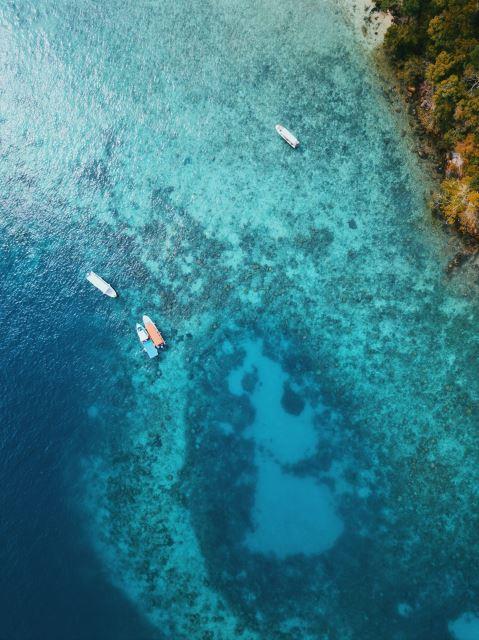
Kota Kinabalu, the capital of Sabah on the island of Borneo, is a vibrant city where modern life meets wild landscapes. Overlooking the South China Sea and backed by lush rainforests and mountains, it serves as both a cultural hub and a gateway to Borneo’s extraordinary biodiversity.

Sandakan, on the northeast coast of Sabah in Malaysian Borneo, is a city where history, wildlife, and culture come together. Once a major trading port known as “Little Hong Kong” for its bustling connections to the wider world, Sandakan has retained its multicultural character, with influences from Chinese, Malay, and Indigenous communities visible in its temples, markets, and cuisine.
