
Brno, the vibrant heart of the Czech Republic's Moravian region, offers a captivating blend of historical charm and modern dynamism. As the second-largest city in the country, Brno is known for its striking architecture, including the Špilberk Castle, which overlooks the city from its hilltop perch. Originally a medieval fortress, Špilberk Castle has evolved into a cultural and historical museum, showcasing exhibits on the city’s rich past and providing panoramic views of Brno.
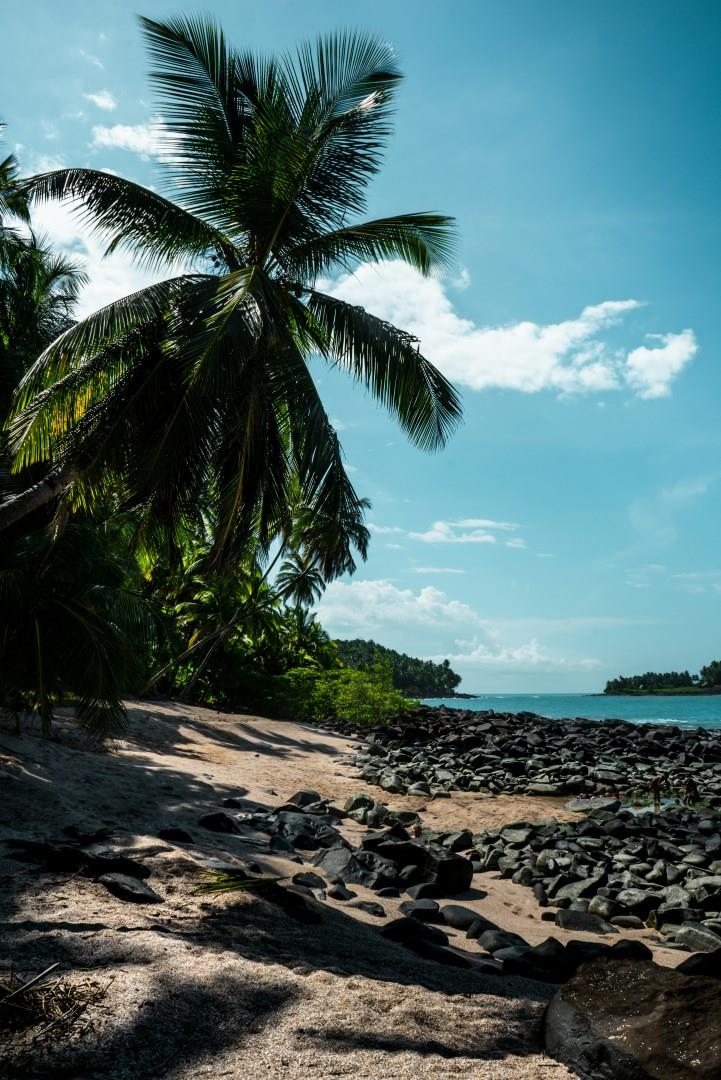
Cayenne, the lively capital of French Guiana, sits where the Cayenne River meets the Atlantic Ocean, blending South American rhythms with French-Caribbean influence. While it's officially part of France, Cayenne feels worlds away from Paris, with colorful markets, colonial architecture, and a language mix that includes French, Creole, Portuguese, and Indigenous dialects.
San Gimignano, a stunning medieval hilltop town in Tuscany, Italy, is often called the "Medieval Manhattan" due to its remarkable skyline of ancient towers. Encircled by 13th-century walls, the town is a UNESCO World Heritage site that offers a mesmerizing journey back in time. As you stroll along the cobbled streets of the historic center, you'll be enchanted by the preserved Romanesque and Gothic architecture, from charming piazzas to grand churches.
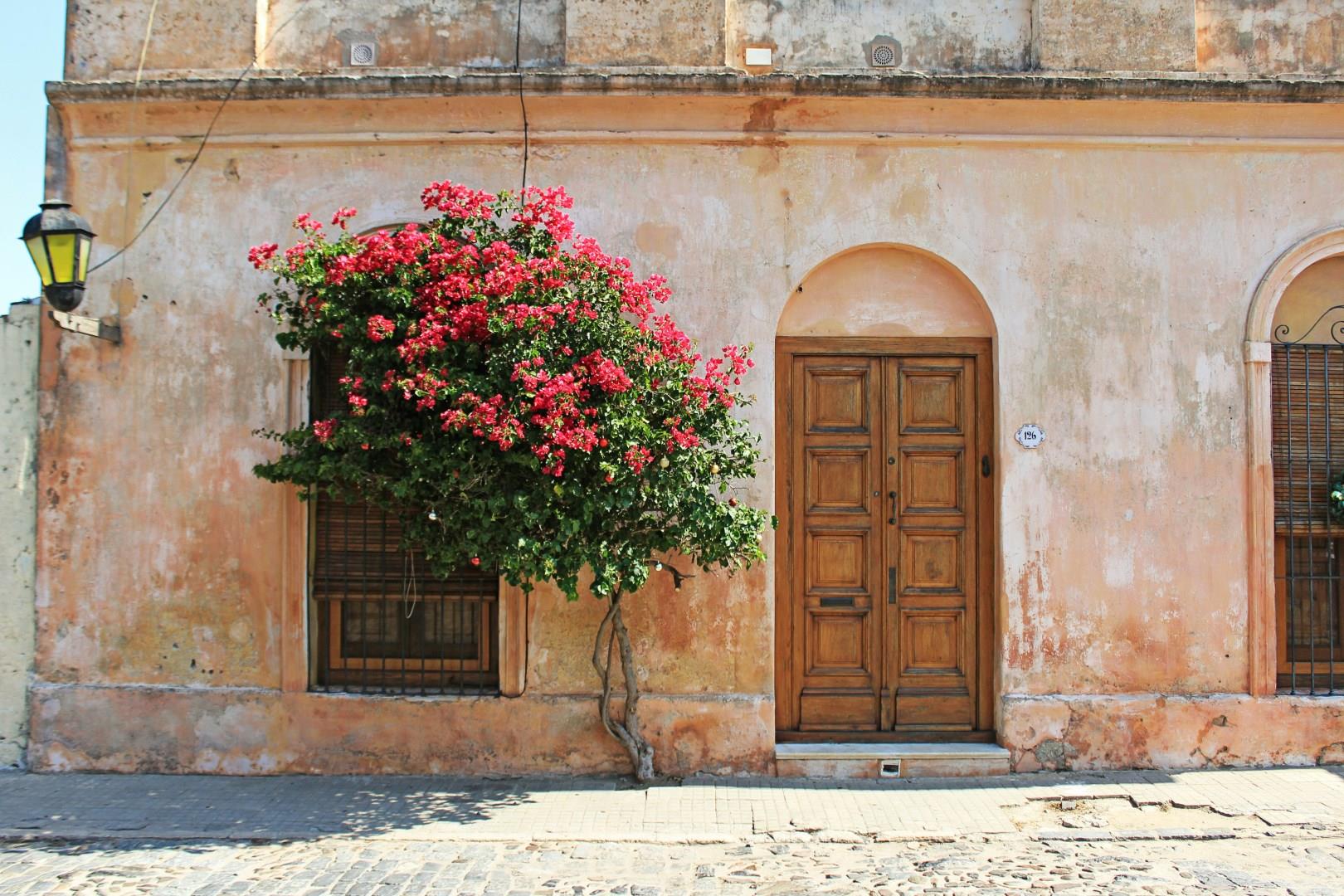
Colonia del Sacramento is where time lingers. Founded in 1680 by the Portuguese and later contested by the Spanish, the town’s past is etched into its cobblestone streets and weathered facades. The Barrio Histórico, a UNESCO World Heritage Site, is compact enough to walk in an afternoon yet layered with centuries of stories. Visitors can explore remnants of the original city walls and climb the iconic lighthouse for sweeping views of the Río de la Plata.
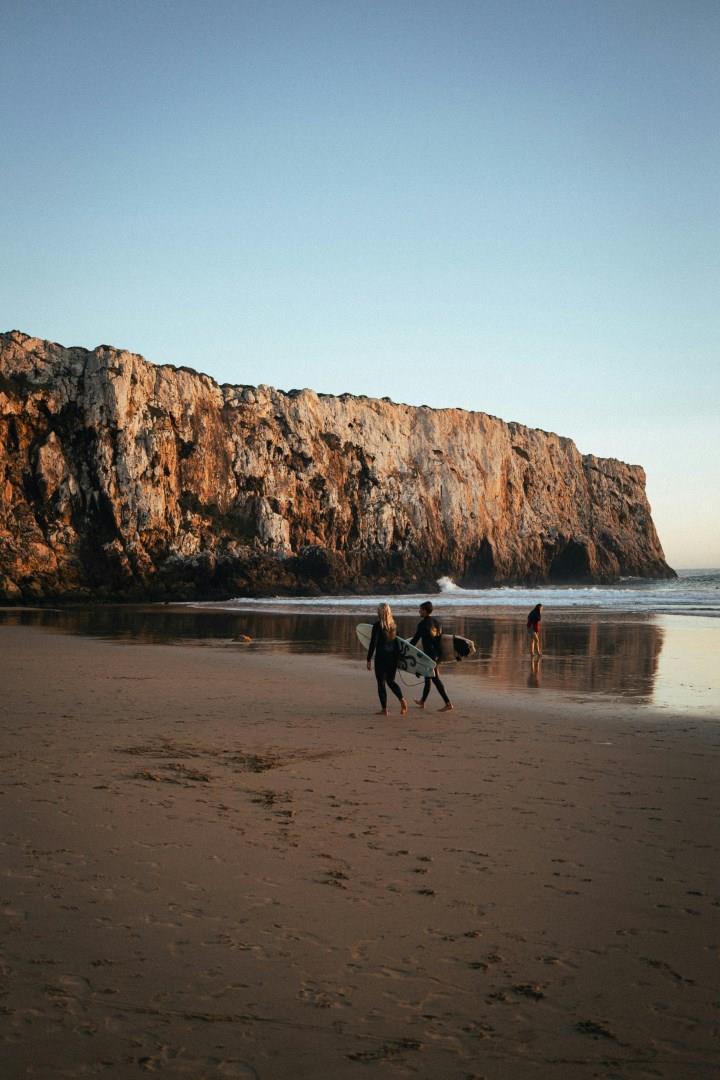
Sagres sits at the southwestern edge of continental Europe in Portugal’s Algarve region, where the Atlantic’s wide horizon meets rugged cliffs and open skies. For centuries this point was linked to maritime adventure and visitors can still feel that sense of discovery in the air. Here, people like Prince Henry the Navigator gathered cartographers, shipbuilders and astronomers in the 1400s to push beyond maps of the known world and shape the early Age of Discovery from Sagres’ dramatic headlands.
Brazil is a country that moves to its own rhythm whether it be samba, bossa nova, the roar of waterfalls or the quiet of the rainforest. Stretching from the Amazon Basin to the Atlantic coastline, Brazil offers both iconic cityscapes and vast natural frontiers. In Rio de Janeiro, visitors can ride a cable car up to Sugarloaf Mountain, watch the sunset from Arpoador, or join a drumbeat-filled bloco during Carnival, where the streets turn into one massive celebration of music, movement, and color.
Nunavut comprises a major portion of Northern Canada, and most of the Canadian Arctic Archipelago. Its vast territory makes it the fifth-largest country subdivision in the world, as well as the largest in North America.
