
Spain offers a wide range of experiences shaped by centuries of layered history and regional diversity. From the Moorish palaces of Andalusia to the Roman aqueduct in Segovia and the Gaudí-designed landmarks of Barcelona, each city reflects a different chapter in Spain’s past. In Granada, the Alhambra still stands as a masterpiece of Islamic architecture, with detailed carvings, hidden courtyards, and panoramic views of the Sierra Nevada mountains.
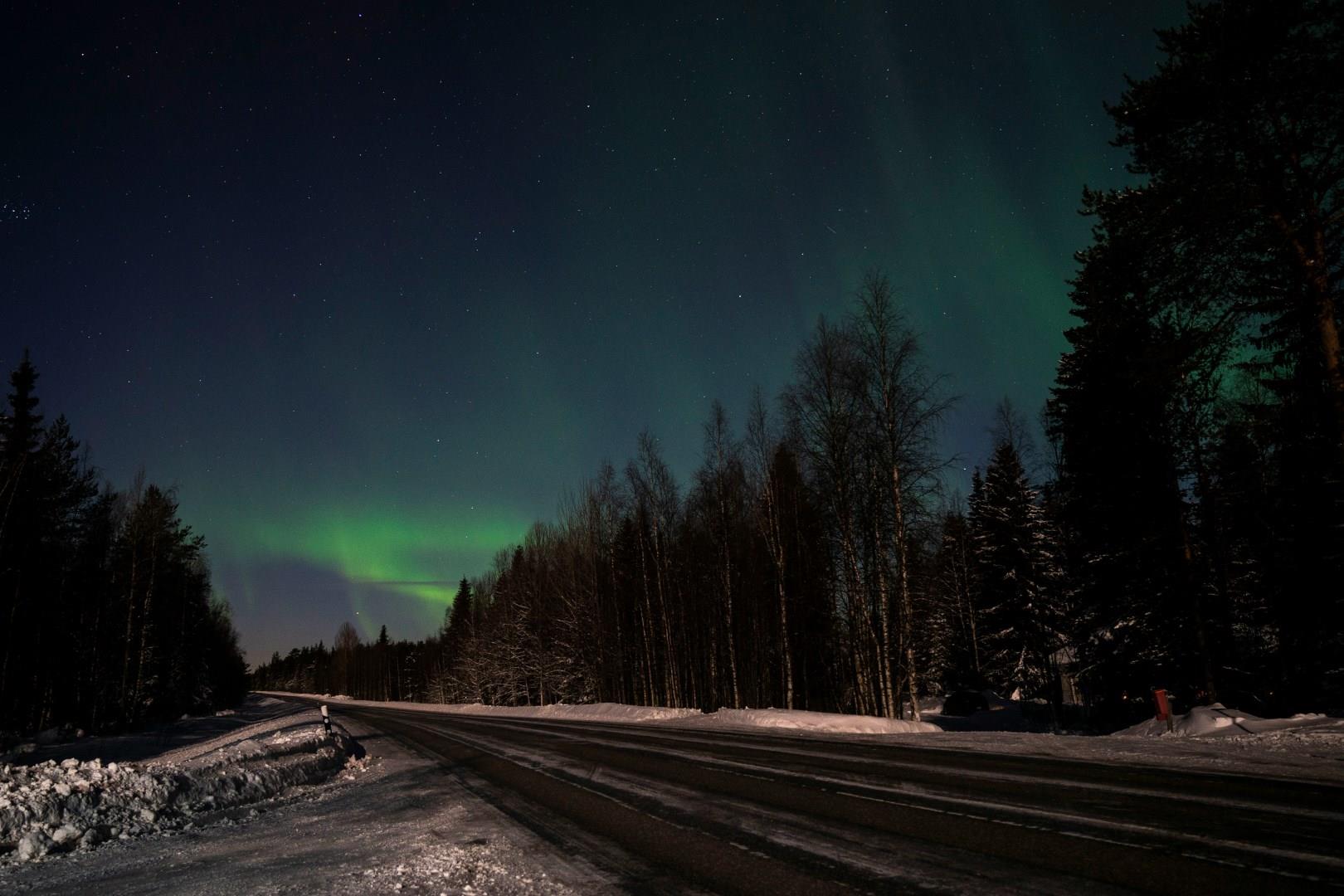
Rovaniemi, located just a few kilometers south of the Arctic Circle, is widely recognized as the official hometown of Santa Claus. From late August through early April, the Northern Lights are visible on clear nights, and several local guides offer nighttime tours to remote locations for optimal viewing. During summer, the sun doesn't set for weeks, giving travelers the rare chance to hike or kayak under a sky that stays bright at midnight.
Bakersfield, located in the southern part of California’s Central Valley, is a city known for its agricultural significance, oil industry heritage, and vibrant cultural scene. Positioned at the junction of the Sierra Nevada and the San Joaquin Valley, Bakersfield offers a mix of urban amenities and easy access to California’s diverse landscapes.
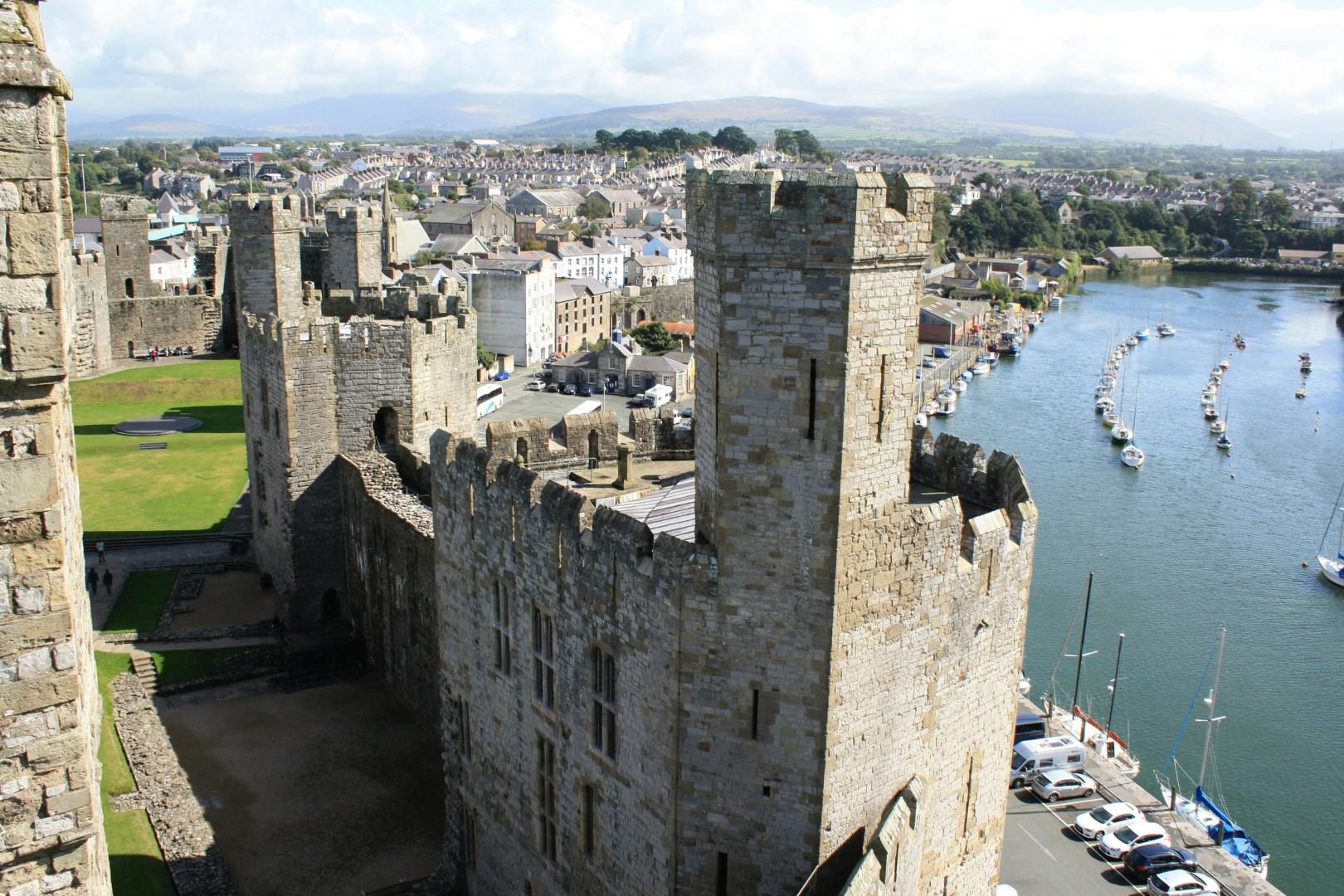
Caernarfon, a town in northwest Wales, is famed for its medieval heritage, most notably Caernarfon Castle, a UNESCO World Heritage Site built by Edward I in the late 13th century.
Belfast, the vibrant capital of Northern Ireland, is a city steeped in rich history and brimming with cultural charm. Known for its role in the Industrial Revolution, it was once a major shipbuilding hub, most famously the birthplace of the RMS Titanic. Today, visitors can explore the Titanic Quarter, where the Titanic Belfast museum stands as a modern architectural marvel, offering a fascinating and interactive journey through the ship's history.
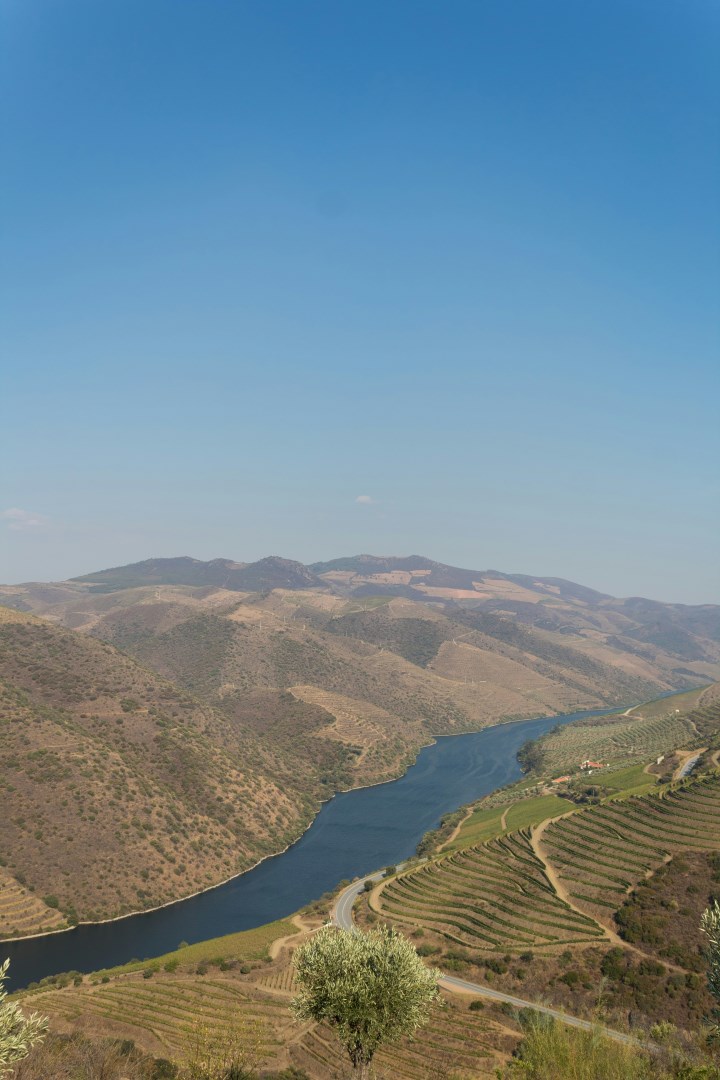
Coa Valley lies in northeastern Portugal near the Douro River, in a landscape shaped by steep hills, schist cliffs, vineyards, olive groves, and almond trees. The area is best known for its open-air prehistoric rock engravings, spread across the banks of the Coa River and protected as a UNESCO World Heritage Site.
Located on the banks of the Danube, Spitz an der Donau is a charming market town in Austria's Wachau valley. Occupied since Celtic times, Spitz offers spectacular views of the Danube valley. Picturesque Renaissance and Baroque houses line quaint cobblestone streets at the foot of Tausendeimerberg (the "Hill of a Thousand Buckets), so named for its abundant vineyards. To the south, towering above Spitz is the famous fortress of Hinterhaus Castle, the thousand-year-old ruins of which are in fine condition and only a short hike away. History buffs will also want to visit the late Gothic church, St. Mauritius, which houses the wooden Apostles statues that date back to 1380, and a high altarpiece painting by Austrian artist Kremser Schmidt.
