


Central Asia | Sri Lanka | Minneriya National Park
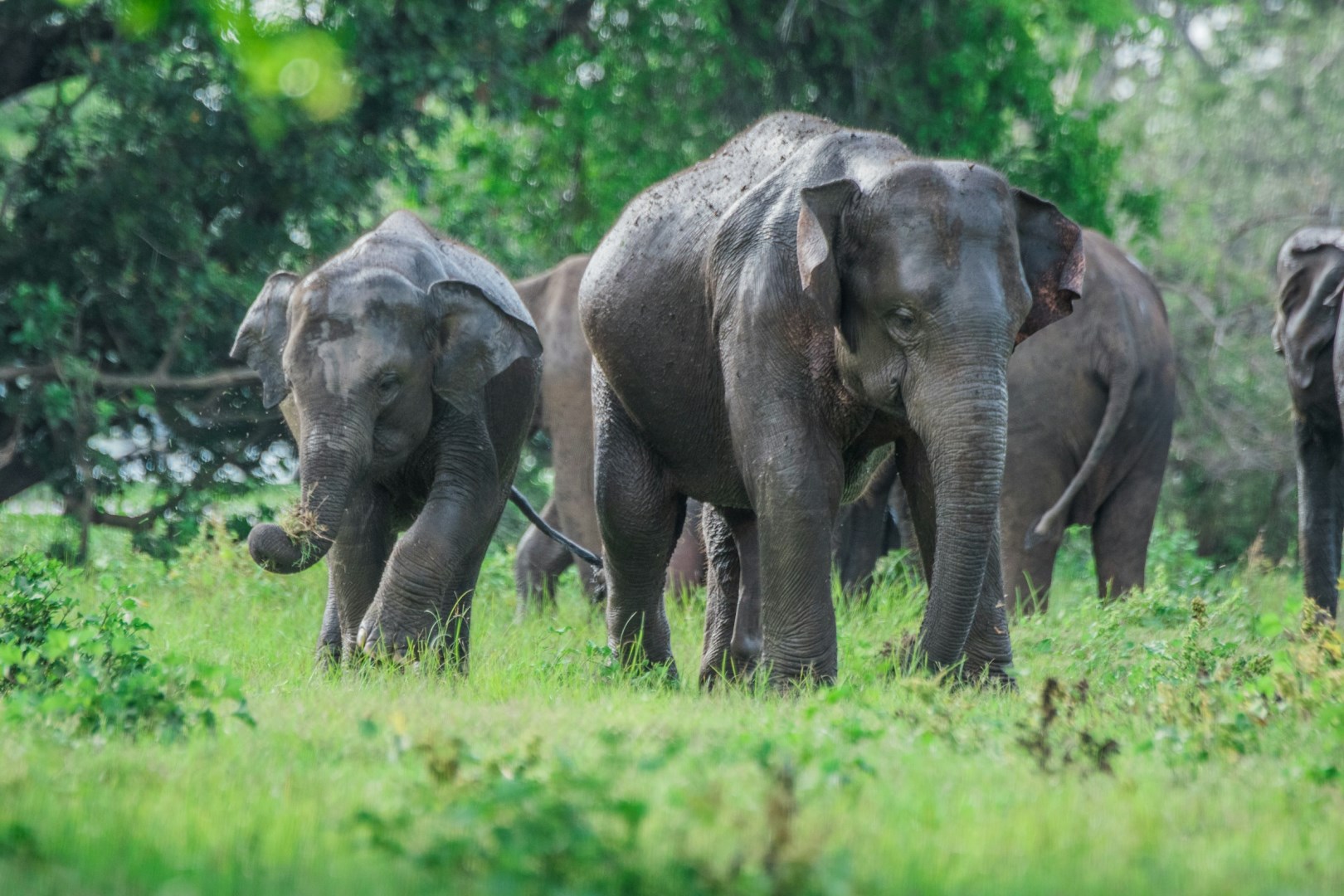
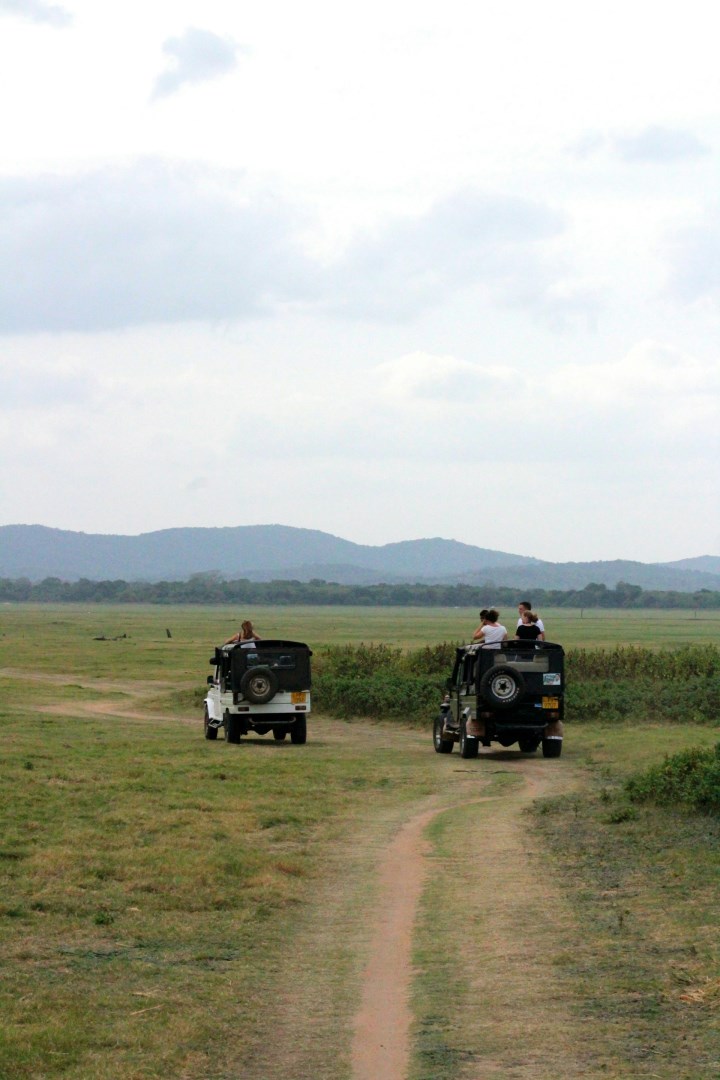
Minneriya National Park lies in Sri Lanka’s North Central Province between Habarana and Polonnaruwa, within the island’s dry zone. The park covers about 8,890 hectares and is centered on the Minneriya Tank, an ancient irrigation reservoir that remains an important source of water for the surrounding landscape. Dry mixed evergreen forest, scrub, grassland, wetlands, and open areas around the reservoir create a varied habitat for wildlife. The park is particularly known for its Asian elephants, which move between surrounding forests and the reservoir as water levels and food availability change.
Minneriya’s cultural significance is closely connected to Sri Lanka’s ancient irrigation traditions. The Minneriya Tank was constructed under King Mahasena and remains an important part of the region’s agricultural water system. The reservoir demonstrates how sophisticated water management became an essential part of life in Sri Lanka’s dry zone. The park also sits within the broader Cultural Triangle, with the historic cities of Polonnaruwa and Anuradhapura and the rock fortress of Sigiriya located within the surrounding region. This proximity allows visitors to experience wildlife alongside some of the island’s most important archaeological landscapes.
The park is best known for the seasonal gathering of Asian elephants along the shores of Minneriya Tank. During the dry season, receding water exposes fresh grass around the reservoir, attracting large groups of elephants from surrounding forests. The gathering can involve hundreds of animals and is one of Sri Lanka’s most notable wildlife spectacles. Elephants remain the main attraction throughout the year, while the park also supports sambar deer, spotted deer, wild boar, toque macaques, gray langurs, leopards, sloth bears, and Indian pangolins. The reservoir and wetlands also provide habitat for waterbirds including painted storks and other resident and migratory species.
Food experiences are generally found in nearby Habarana, Dambulla, and Polonnaruwa rather than inside the national park, where visitors primarily come for wildlife safaris. Local cuisine commonly includes rice and curry, hoppers, string hoppers, dhal, sambols, freshwater fish, and tropical fruit. One distinctive feature of Minneriya is the way an ancient human-built reservoir has become central to a modern wildlife ecosystem. As the tank changes with the seasons, its exposed grasslands provide feeding grounds for elephants while its remaining waters attract birds and other animals. The park therefore illustrates the close relationship between traditional water management and Sri Lanka’s dry-zone wildlife.
