




Africa | Madagascar | Nosy Komba
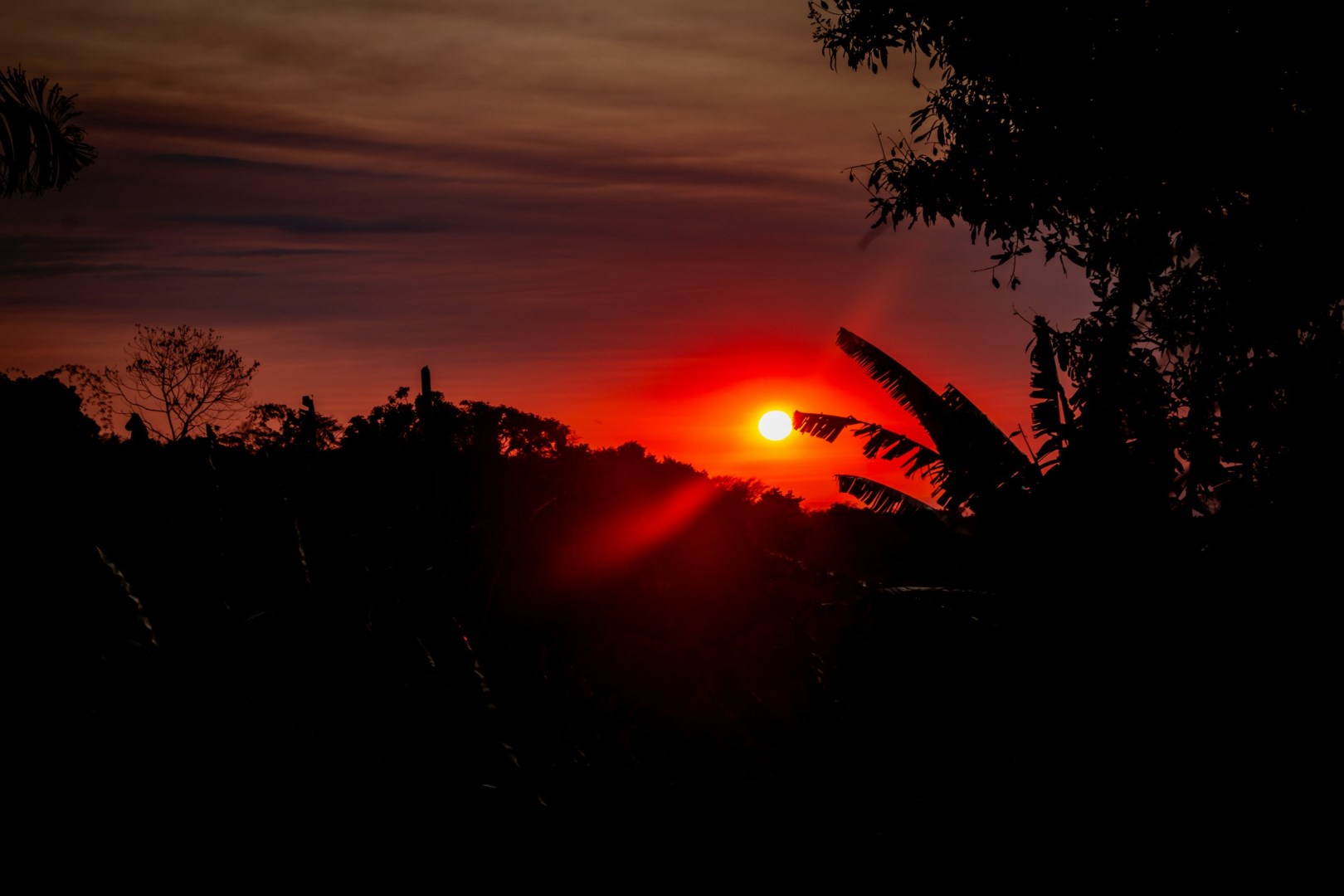
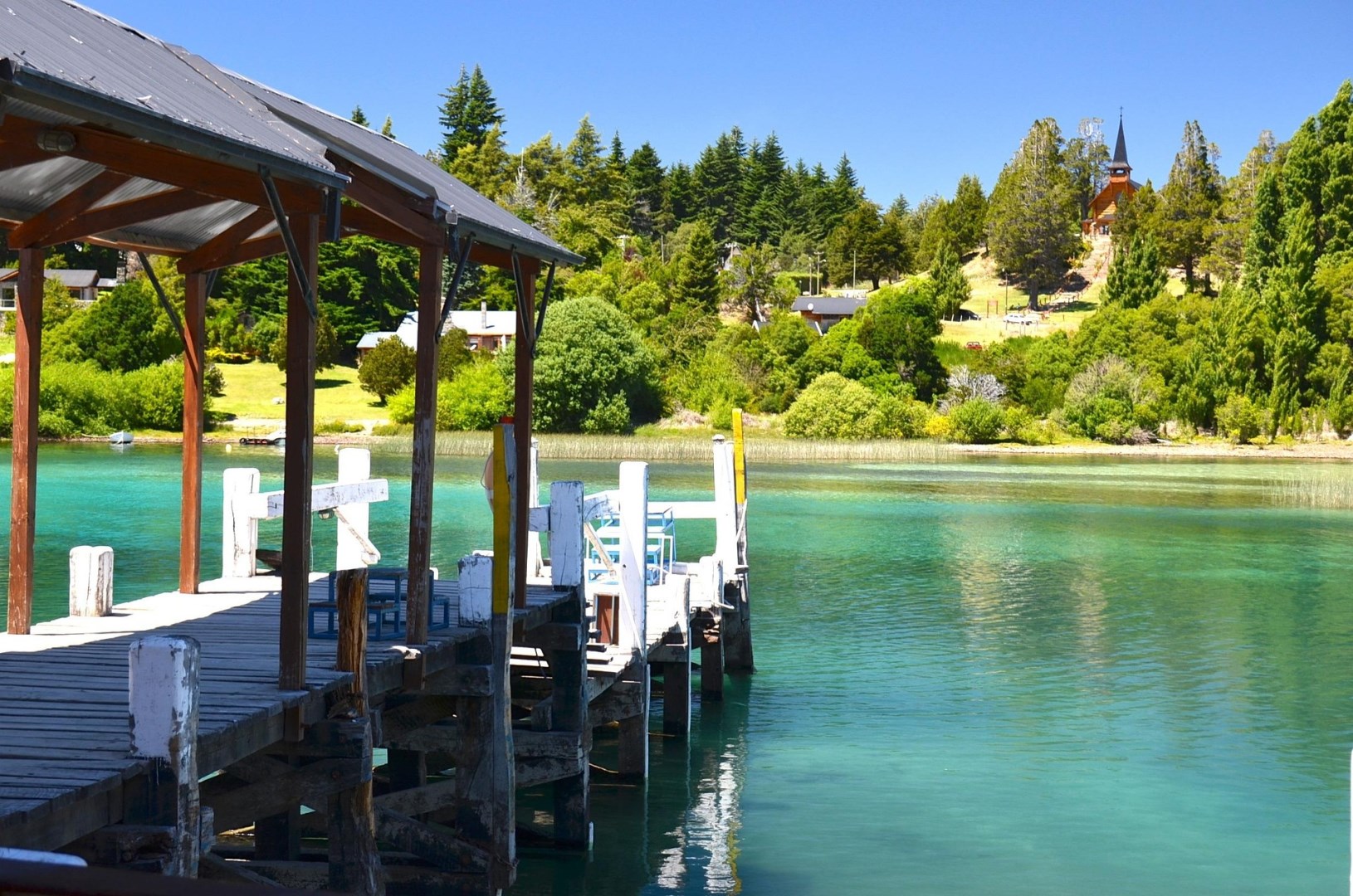
Nosy Komba is a small volcanic island in northwestern Madagascar, located between the larger island of Nosy Be and the mainland. Its slopes rise from the sea and are covered with tropical vegetation, while the coastline includes sandy coves, rocky shores, and clear waters. The island has no large urban center, and villages are spread along the coast and lower hillsides. Forested interiors provide habitat for Madagascar's distinctive wildlife, while offshore waters contain coral reefs and marine habitats. Nosy Komba is known for its combination of traditional island communities, forested volcanic terrain, and accessible coastal scenery.
The island is home mainly to Sakalava communities, whose traditions are closely linked to fishing, farming, and the sea. Villages along the coast maintain local customs, with fishing and small-scale agriculture remaining important sources of food and income. Traditional pirogues, often fitted with outriggers, are widely used for fishing and transport between the island and nearby settlements. Handicrafts also form part of local life, with woven goods, embroidery, woodwork, and other handmade products sold in village markets. Community relationships with the sea and surrounding forests remain central to the island's cultural identity.
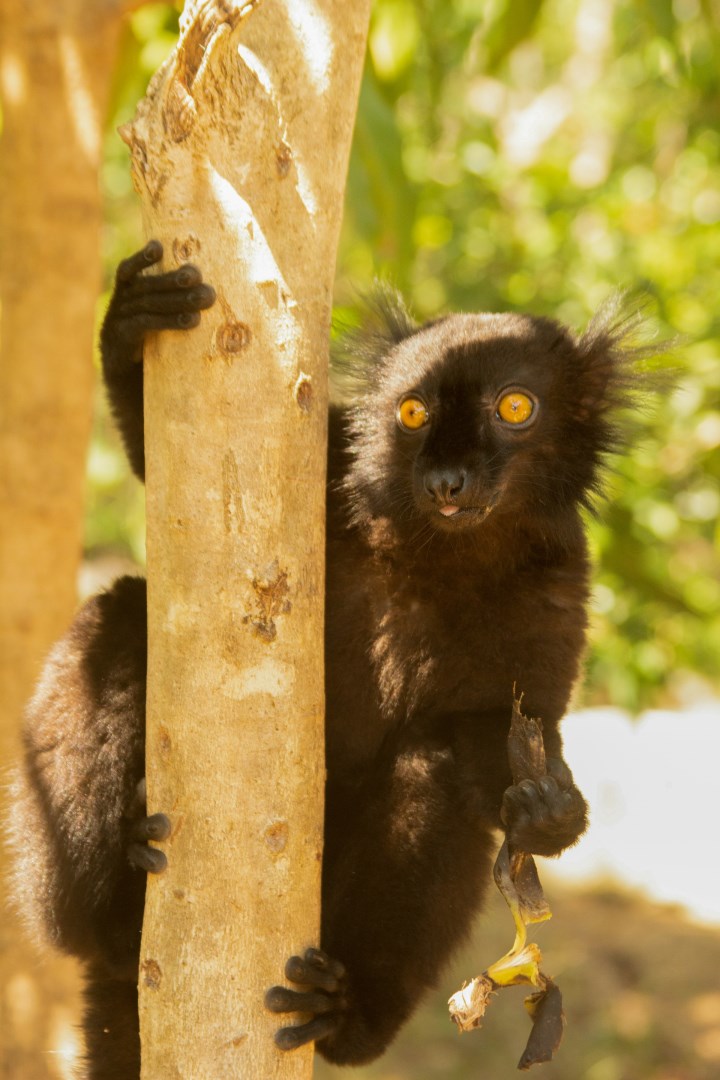
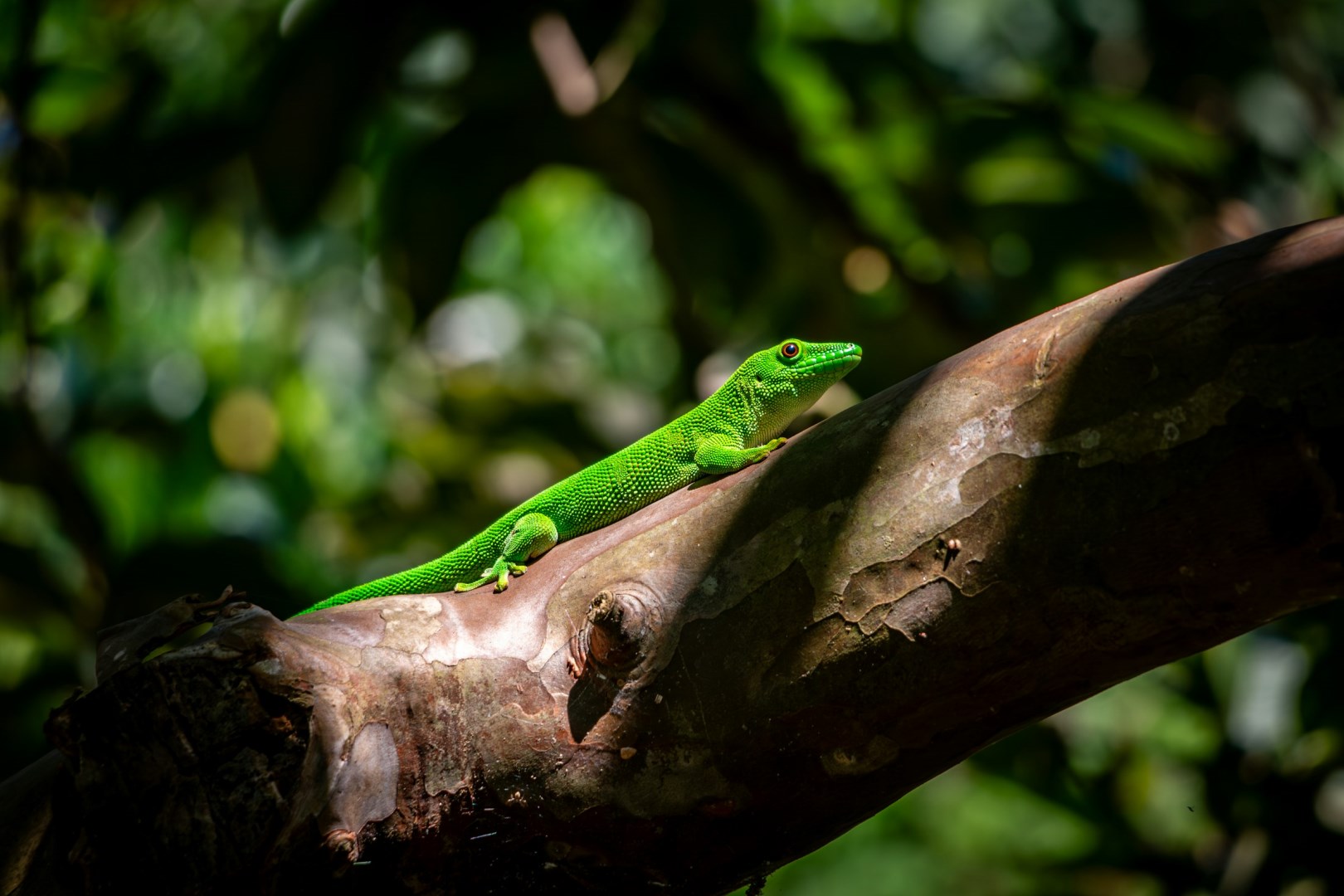
Nosy Komba's forested slopes provide habitat for the black lemur, a species found naturally in the Nosy Be region, as well as several native birds and reptiles. The island is also associated with the Nosy Komba Reserve, where protected forest contains a range of endemic plants and wildlife. Along the coast, snorkeling and diving reveal coral reefs populated by tropical fish and other marine organisms. Boat trips can reach nearby islands and coastal areas, while walking trails lead through villages, plantations, and forest. Mount Nosy Komba provides higher viewpoints across the surrounding waters and neighboring islands.
Seafood is central to the local diet, with freshly caught fish, crab, lobster, and other marine products commonly prepared with rice and vegetables. The island also produces crops such as vanilla, coffee, cocoa, bananas, and other tropical fruits in its fertile volcanic soils. One distinctive feature of Nosy Komba is the presence of traditional fishing villages alongside protected forest and marine habitats, allowing different forms of livelihood and conservation to exist within a small area. The island's volcanic origin, black lemurs, coral reefs, and Sakalava traditions make it an important destination in Madagascar's northwest.
