


Divundu is a small settlement in northeastern Namibia, situated along the Kavango River near the western entrance to the Bwabwata National Park. The river creates a green corridor through a region otherwise dominated by dry woodland and sandy plains. Divundu is an important stopping point between Rundu and Katima Mulilo and serves as a gateway to several wildlife and cultural sites in the Kavango and Zambezi regions. The surrounding landscape includes river channels, floodplains, forests, and open grasslands, creating a noticeable contrast between the waterways and the drier terrain farther from the river.
Divundu lies within a region where Kavango cultural traditions remain closely connected to the river. Fishing, crop cultivation, basket making, woodcarving, and livestock keeping are important parts of local livelihoods. Traditional Kavango homesteads can be found along the river and surrounding settlements, while dugout canoes remain a practical form of transport in some areas. Basketry made from local reeds and grasses is a well-known regional craft, with geometric patterns often carrying cultural meaning. The Kavango River has therefore shaped not only the local economy but also settlement patterns, transportation, food traditions, and community life.
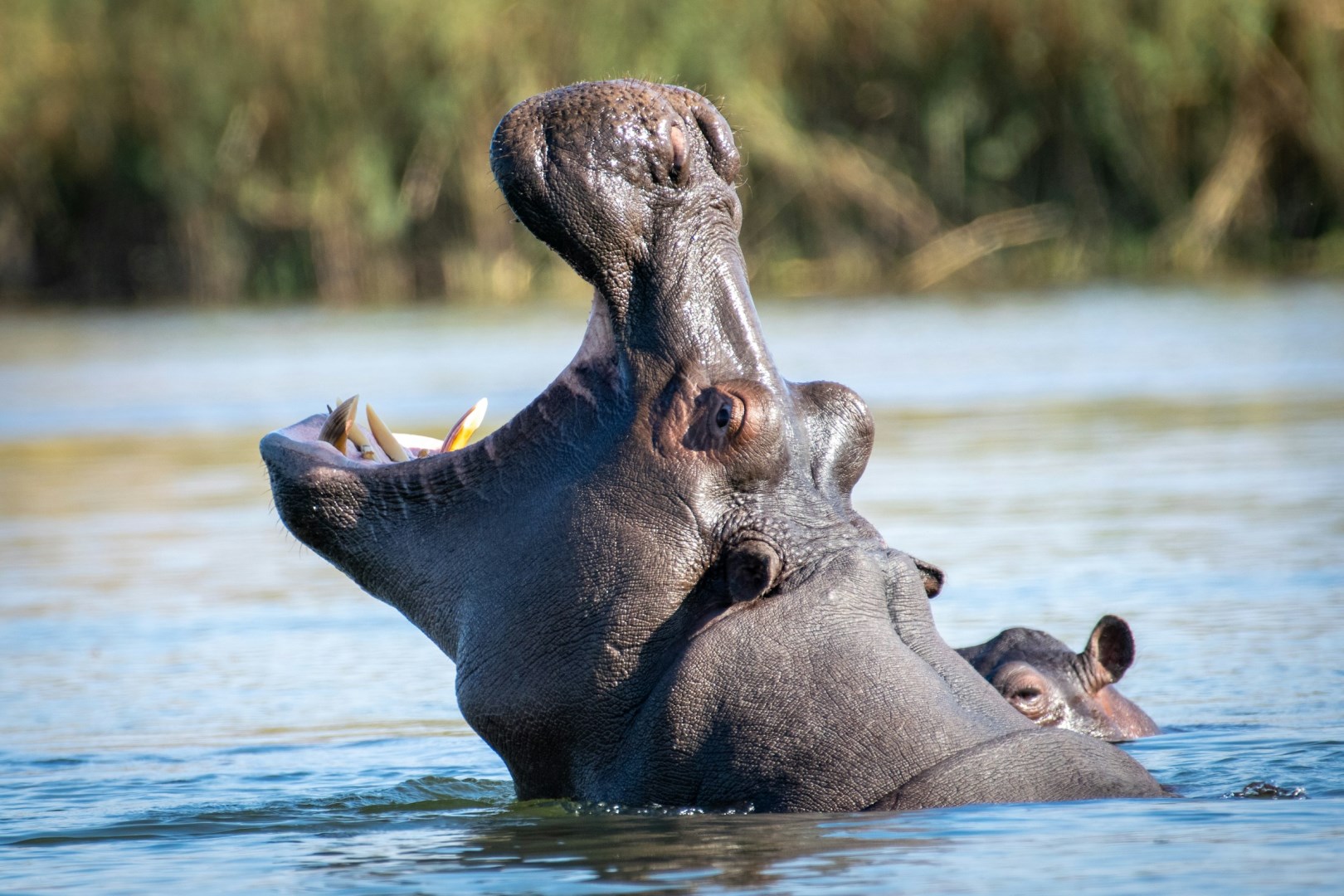
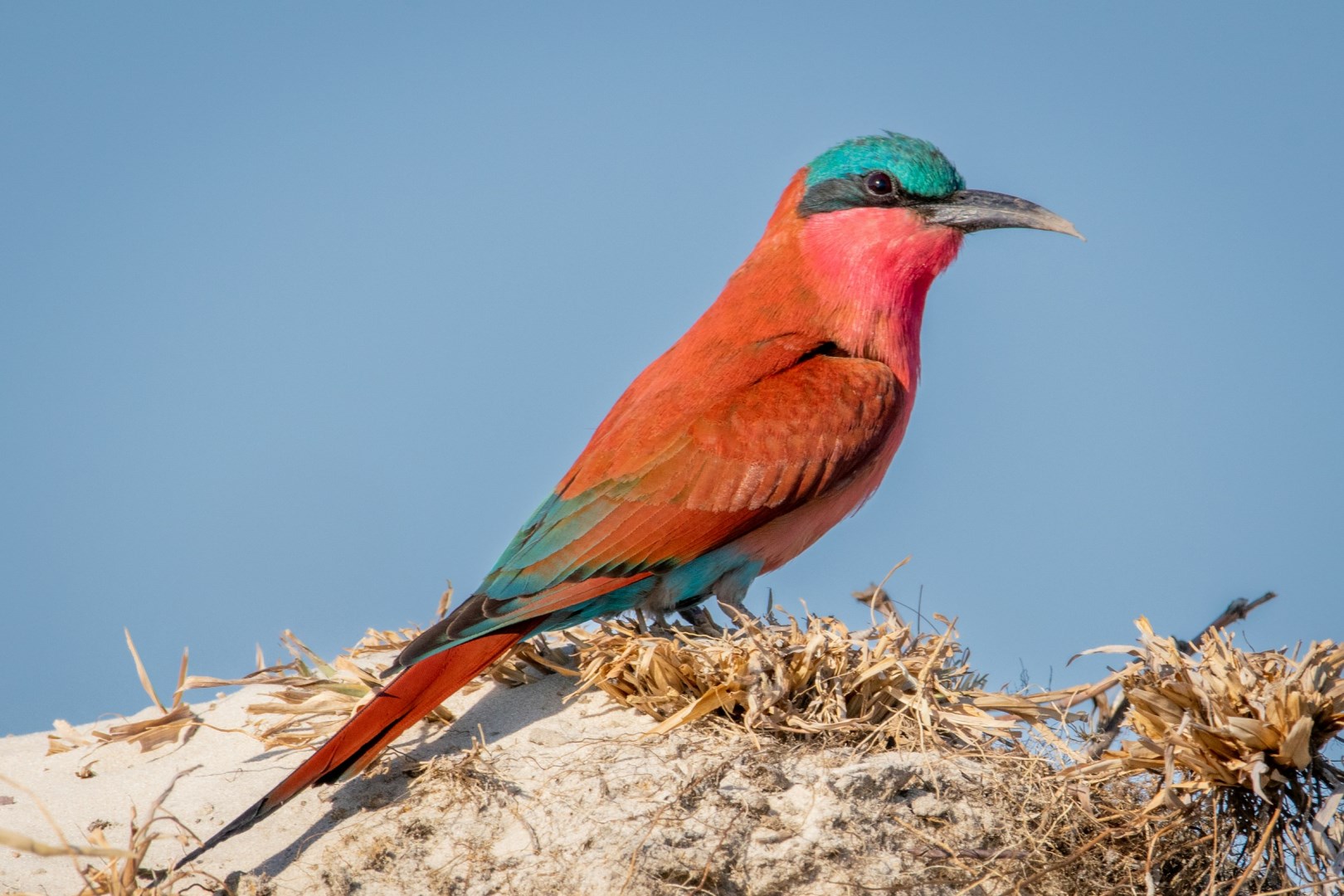
The Kavango River is the main natural feature around Divundu, offering opportunities for boating, fishing, birdwatching, and wildlife viewing. Nearby Popa Falls consists of a series of rapids and channels where the river passes over rocky ledges before continuing eastward. Bwabwata National Park begins close to Divundu and protects a large area of woodland, floodplain, and grassland inhabited by elephants, buffalo, hippos, crocodiles, and numerous antelope species. Boat trips along the river provide another way to observe birds and wildlife, while the Mahango area of Bwabwata is particularly known for its concentration of animals near the water.
Fresh fish from the Kavango River is an important local food, with species such as bream commonly prepared by river communities. Maize, mahangu, vegetables, and seasonal wild foods also contribute to local diets. Basketry is one of the area's most recognizable products, with skilled makers using reeds and grasses to create baskets and household items. Divundu is particularly distinctive because several different environments meet nearby: the permanent waters of the Kavango River, the rapids of Popa Falls, the floodplain, and the dry woodland of Bwabwata National Park. This setting gives the settlement an important role in exploring northeastern Namibia.
