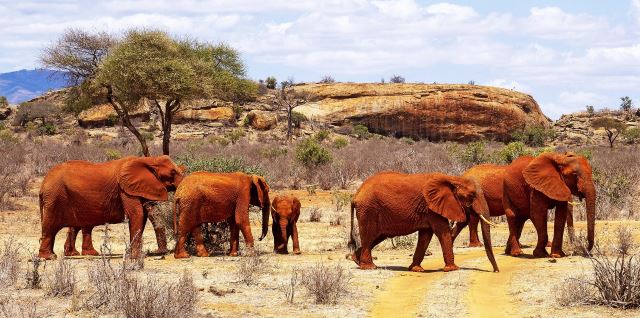

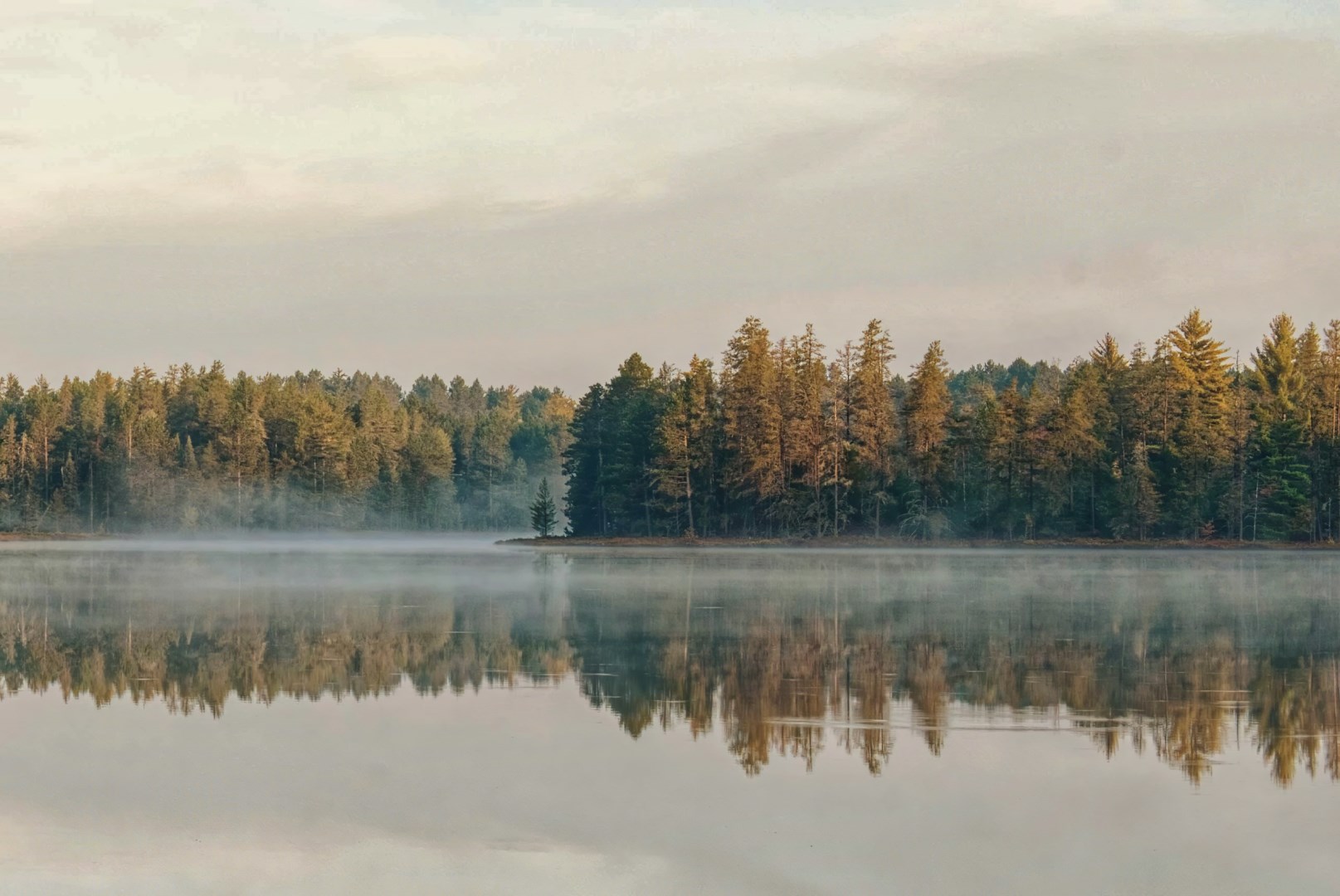



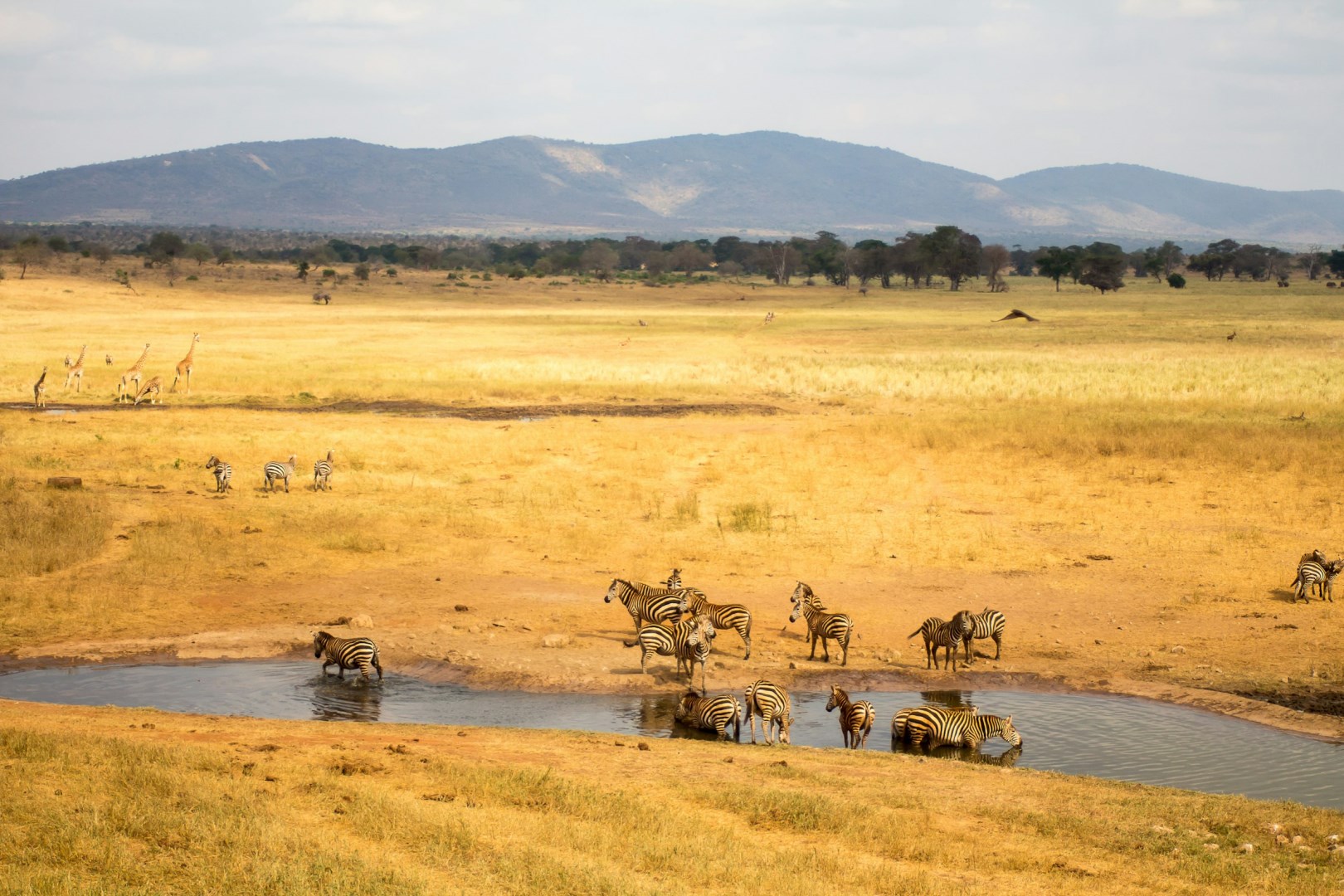
Taita Hills rise above the dry plains of southeastern Kenya in Taita-Taveta County, forming a mountainous landscape between the Tsavo plains and the coastal region. The hills are part of the northern Eastern Arc Mountains and include steep slopes, cultivated valleys, and remaining patches of indigenous forest. Their cooler and wetter conditions contrast with the surrounding semi-arid lowlands, creating a range of habitats within a relatively small area. The region is also known for the Taita Hills Wildlife Sanctuary, where grassland and woodland provide habitat for elephants, buffaloes, giraffes, zebras, and other wildlife.
The Taita Hills are closely connected with the Taita people, whose cultural identity is rooted in the mountains and surrounding communities. Traditional music and dance remain important expressions of local heritage, including the Mwazindika dance of the Taita and the Uruasi dance associated with the Taveta community. Farming is also an important part of local life, supported by the comparatively moist mountain environment. The wider landscape contains cultural and historical sites, including locations associated with military activity around the hills. Community conservation projects increasingly connect local livelihoods with protection of forests and wildlife habitats.
The remaining forest patches are among the most important features of the Taita Hills. Ngangao, Mbololo, Chawia, Fururu, Susu, and Iyale forests provide habitat for species found nowhere else in the world. The Taita Apalis, Taita Thrush, and Taita White-eye are among the best-known birds associated with these forests, while the Taita Hills warty frog and Taita dwarf shrew add to the area's unusual wildlife. The hills are recognized as a Key Biodiversity Area, and their forests also serve as important water catchments for the surrounding landscape. Hiking, birdwatching, and wildlife viewing are key ways to explore the region.
The Taita Hills Wildlife Sanctuary provides a different experience from the forested mountain areas, with open habitats supporting large mammals and a range of bird species. Wildlife activities include game drives, guided walks, and birdwatching, while nearby conservancies offer hiking, cultural visits, and community-based experiences. Local agriculture contributes foods such as maize, beans, vegetables, and fruit to the regional diet, reflecting the productive conditions of the mountain valleys. The combination of rare forest species, wildlife-rich lowlands, traditional communities, and dramatic changes in elevation makes Taita Hills an important part of Kenya's southeastern landscape.
Other Popular Destinations in Kenya