




Africa | Madagascar | Ankazobe
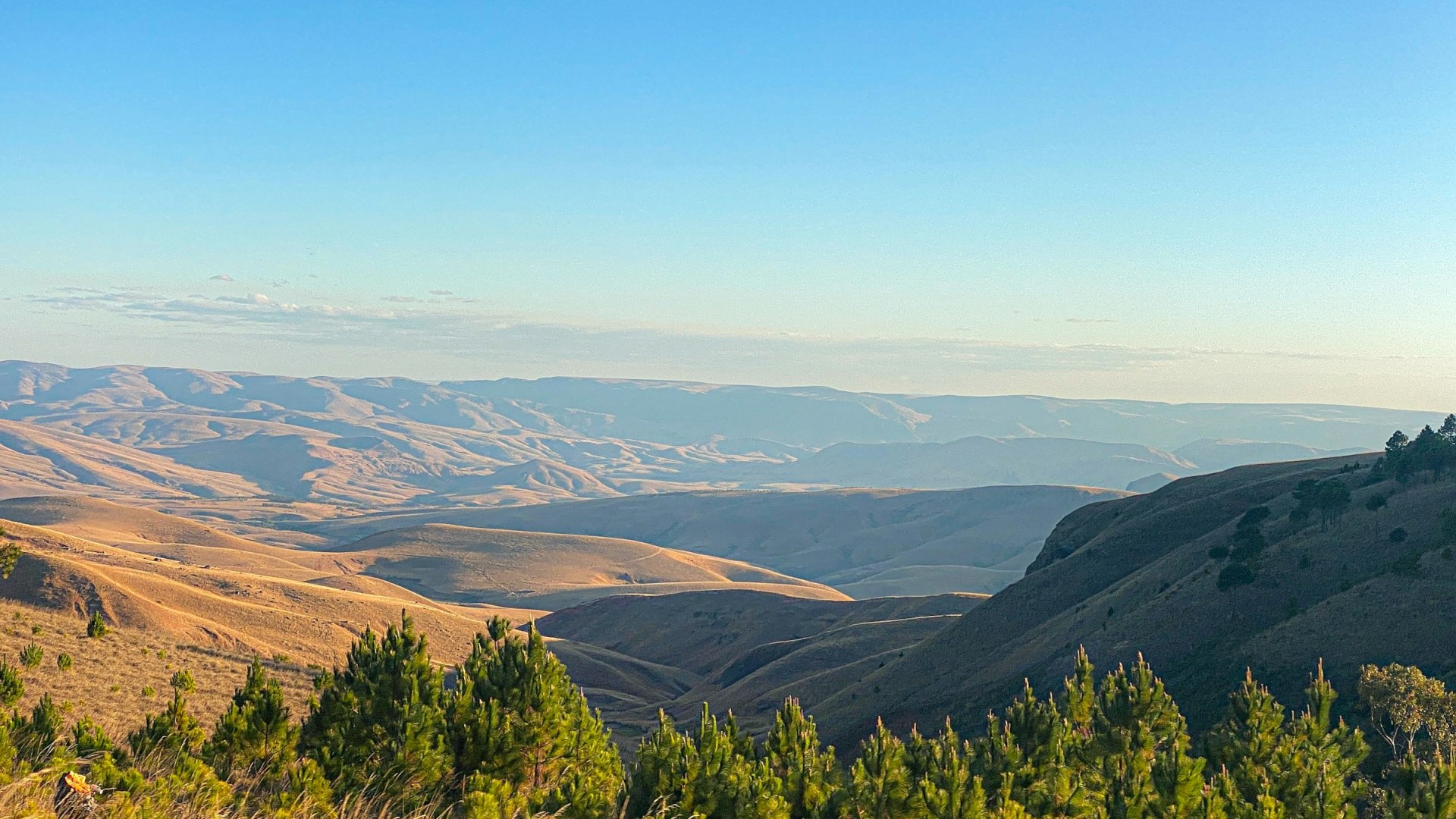
Ankazobe is a rural town in central Madagascar, located in the Analamanga region northwest of Antananarivo. The surrounding landscape consists of rolling highlands, open grasslands, rice fields, and scattered areas of forest. Its elevated setting gives the area a cooler climate than much of the island's lowland regions. Ankazobe is also part of a broader agricultural zone where farming and livestock keeping shape the countryside. Rather than being defined by major tourist landmarks, the town provides a view of Madagascar's central highlands, where villages, cultivated valleys, red earth, and open mountain terrain form the everyday landscape.
Local life around Ankazobe is closely linked to the traditions of Madagascar's central highlands, particularly farming communities whose livelihoods depend on rice cultivation, livestock, and small-scale agriculture. Rice fields are a familiar feature of the valleys, while cattle are important both economically and culturally. The area also reflects the broader Merina cultural influence found across the central highlands, including distinctive architecture, family traditions, and respect for ancestral heritage. Rural markets provide an important setting for trade, bringing together agricultural products, livestock, and household goods from surrounding communities.
The countryside around Ankazobe offers a landscape of highland valleys, grassy hills, streams, and agricultural fields. One of the region's notable natural features is the Manankazo forest area, which contains remaining native vegetation within a landscape that has been extensively altered for agriculture. The wider Ankazobe district also includes several lakes and wetlands that support local agriculture and wildlife. Travelers passing through the area can observe traditional rice farming, hillside cultivation, livestock grazing, and rural settlements, providing a closer look at the agricultural landscapes that characterize much of central Madagascar.
Food in Ankazobe reflects the wider highland Malagasy diet, with rice forming the foundation of many meals and commonly accompanied by vegetables, beans, meat, or poultry. Zebu cattle are an important part of local agriculture and are also significant in Malagasy social traditions. The region's red laterite soils are another recognizable feature, contrasting with the green rice fields and grass-covered hills during wetter periods. Ankazobe's significance lies less in a single landmark than in its rural setting and its role within the central highlands, where farming, livestock, local markets, and traditional communities remain closely connected.
