

Africa | South Africa | Durban

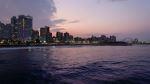
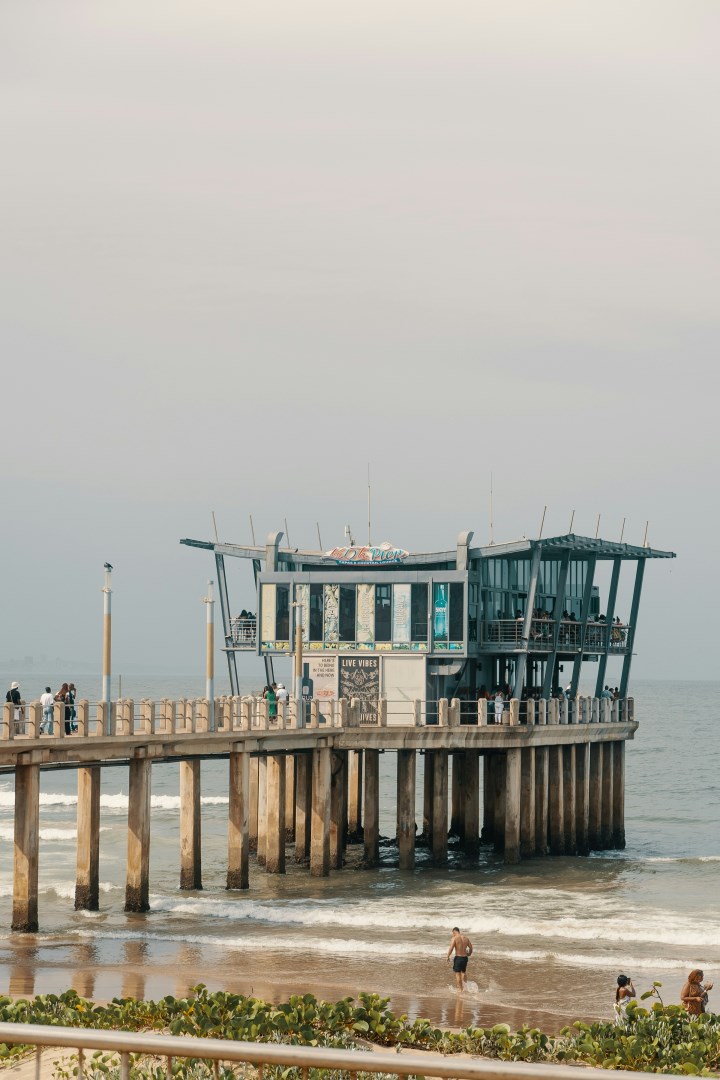
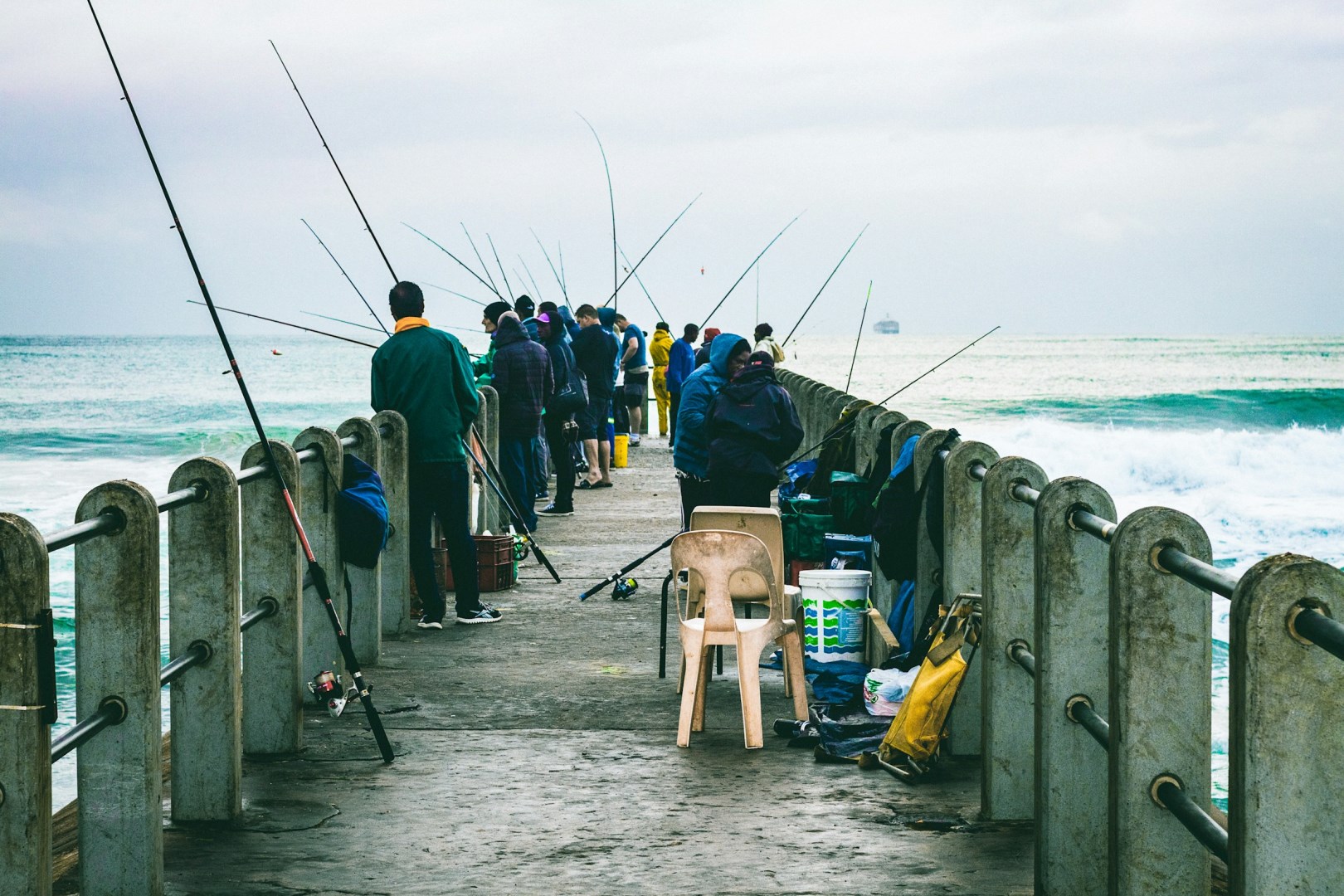
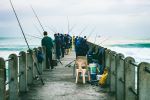
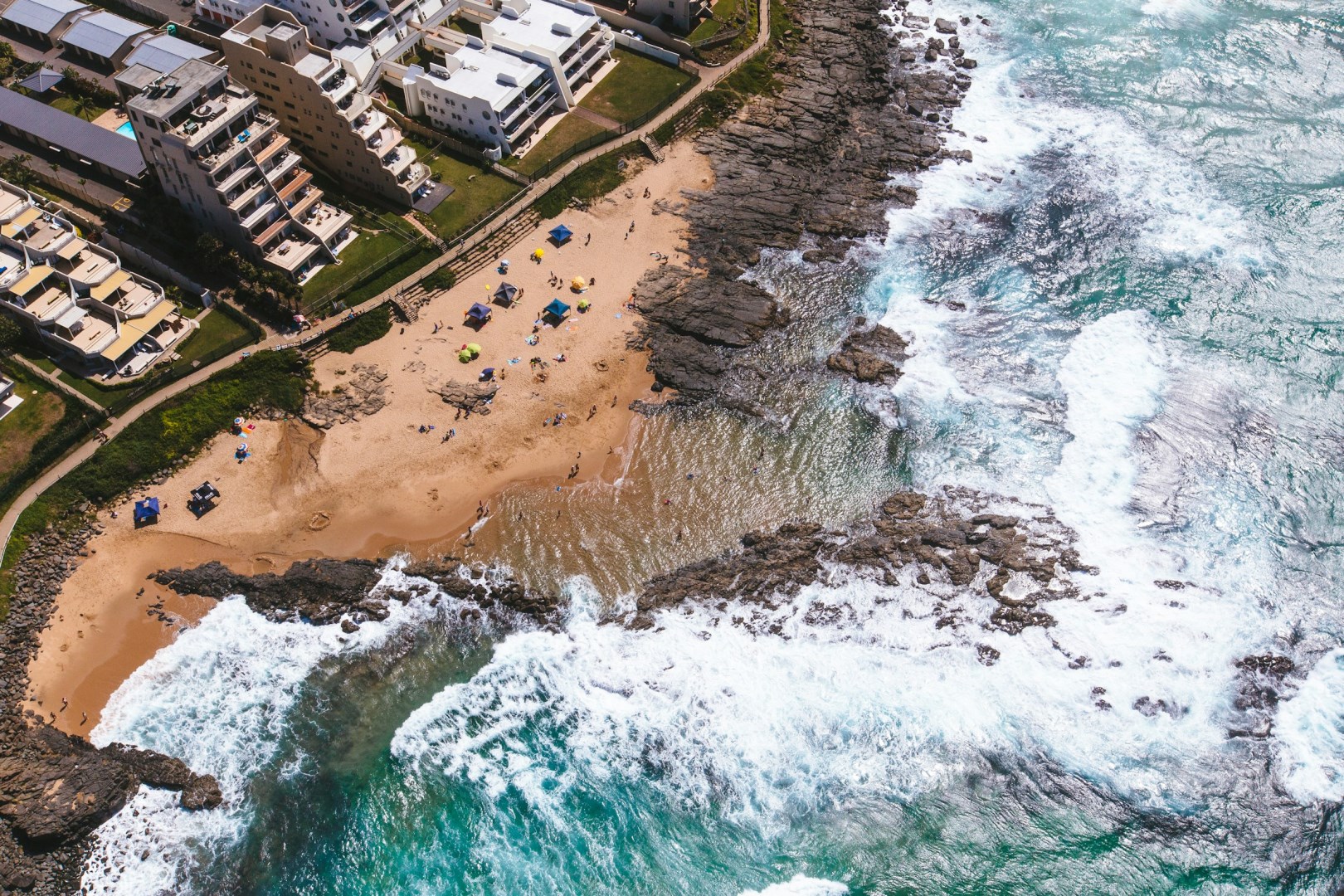
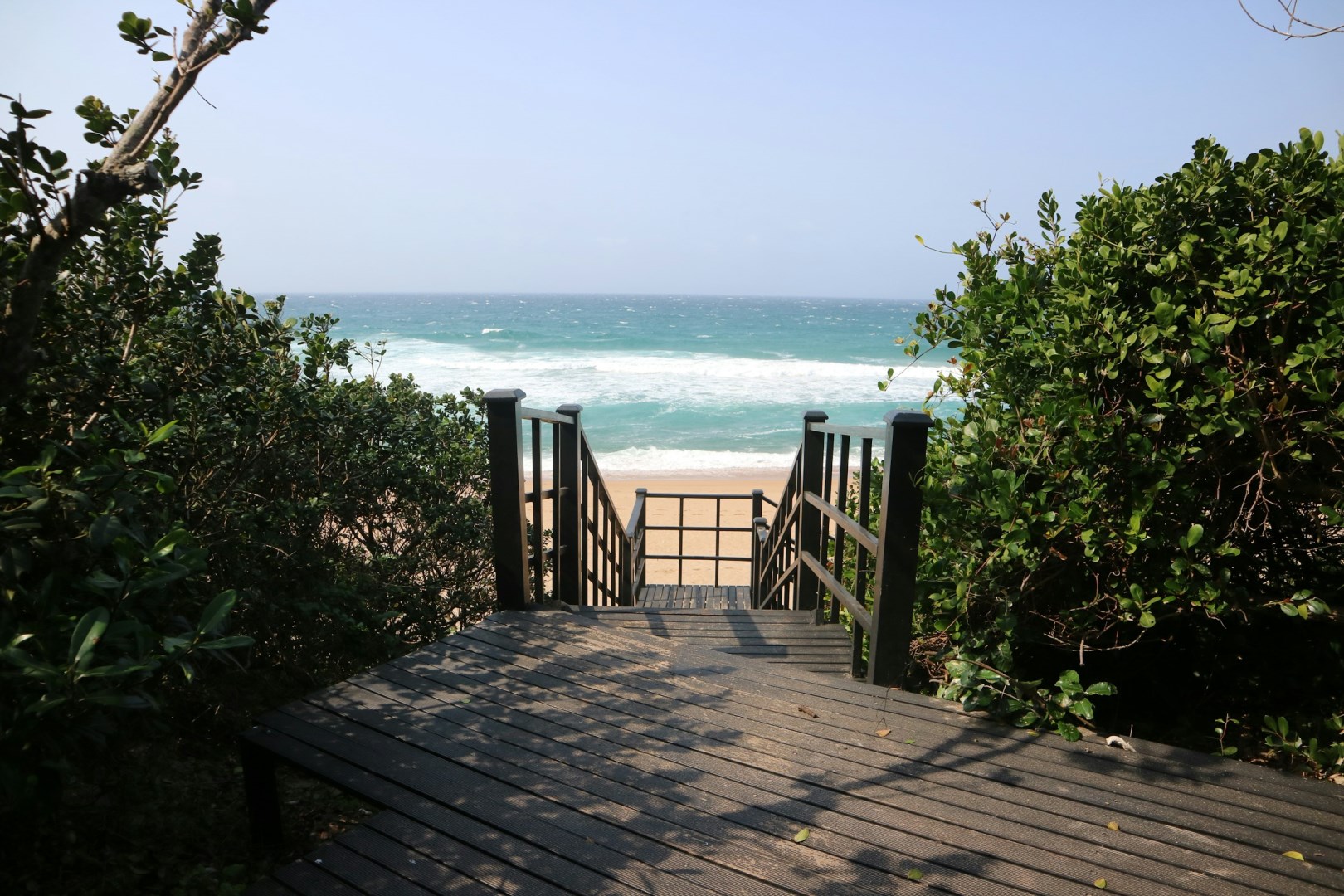
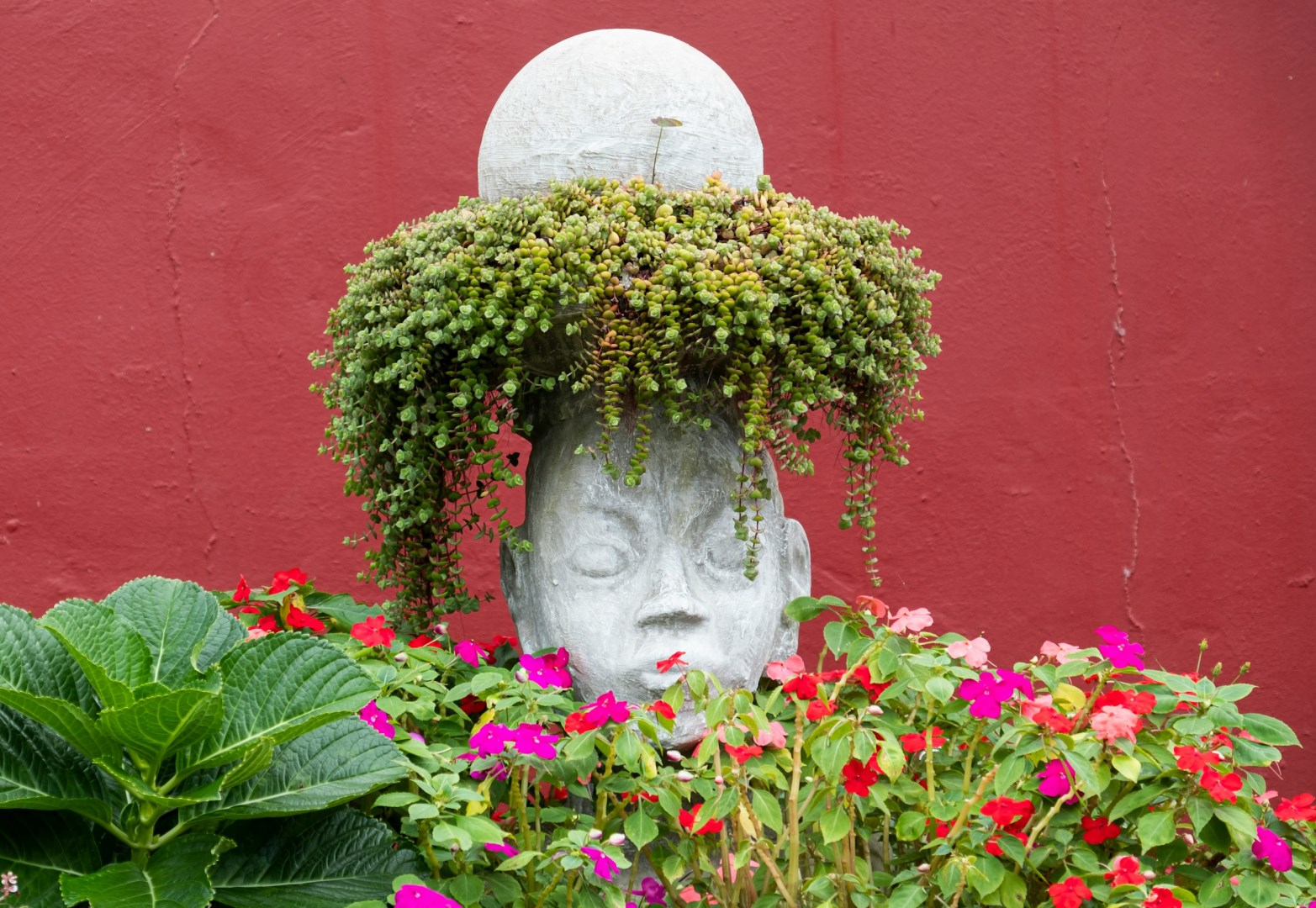
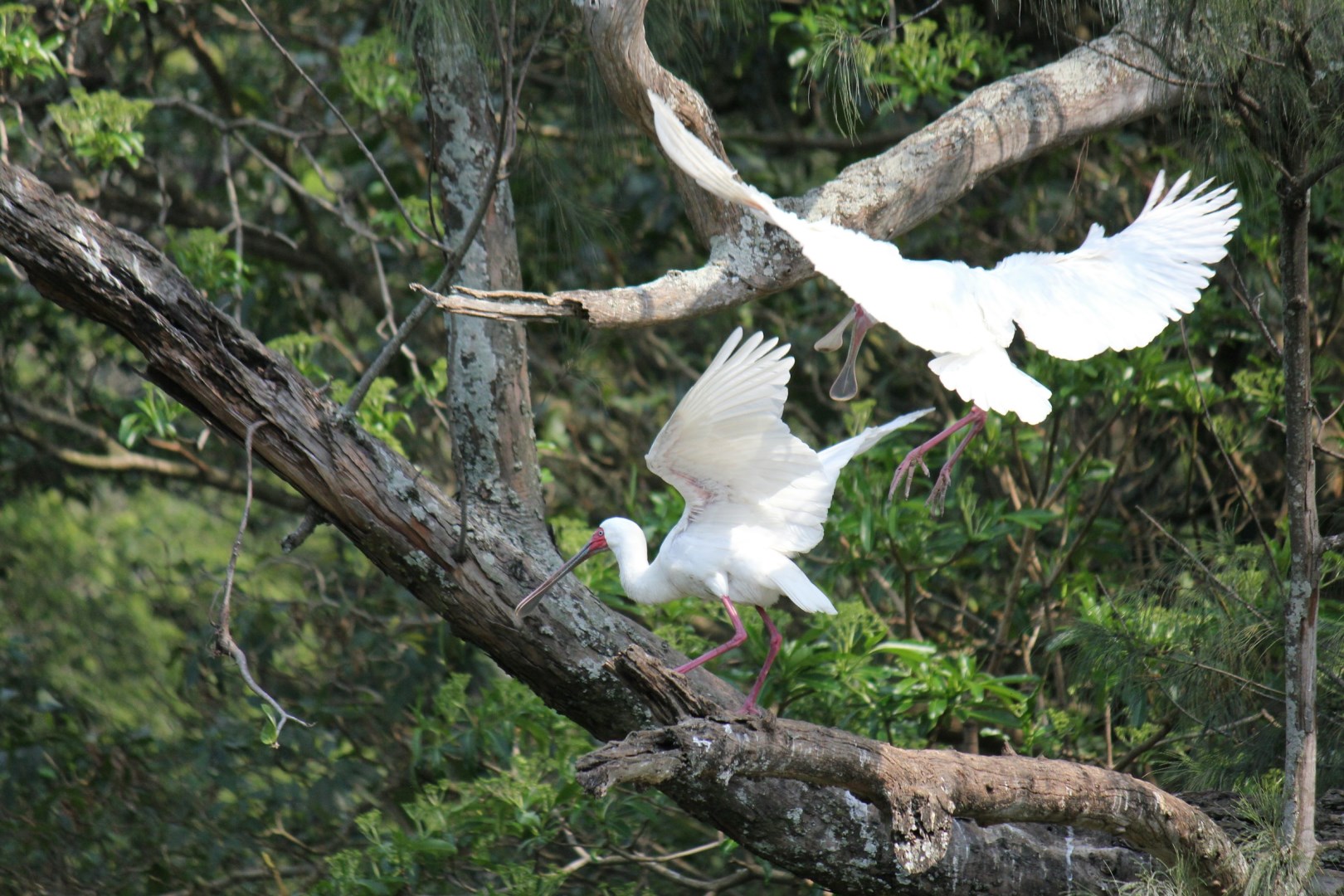

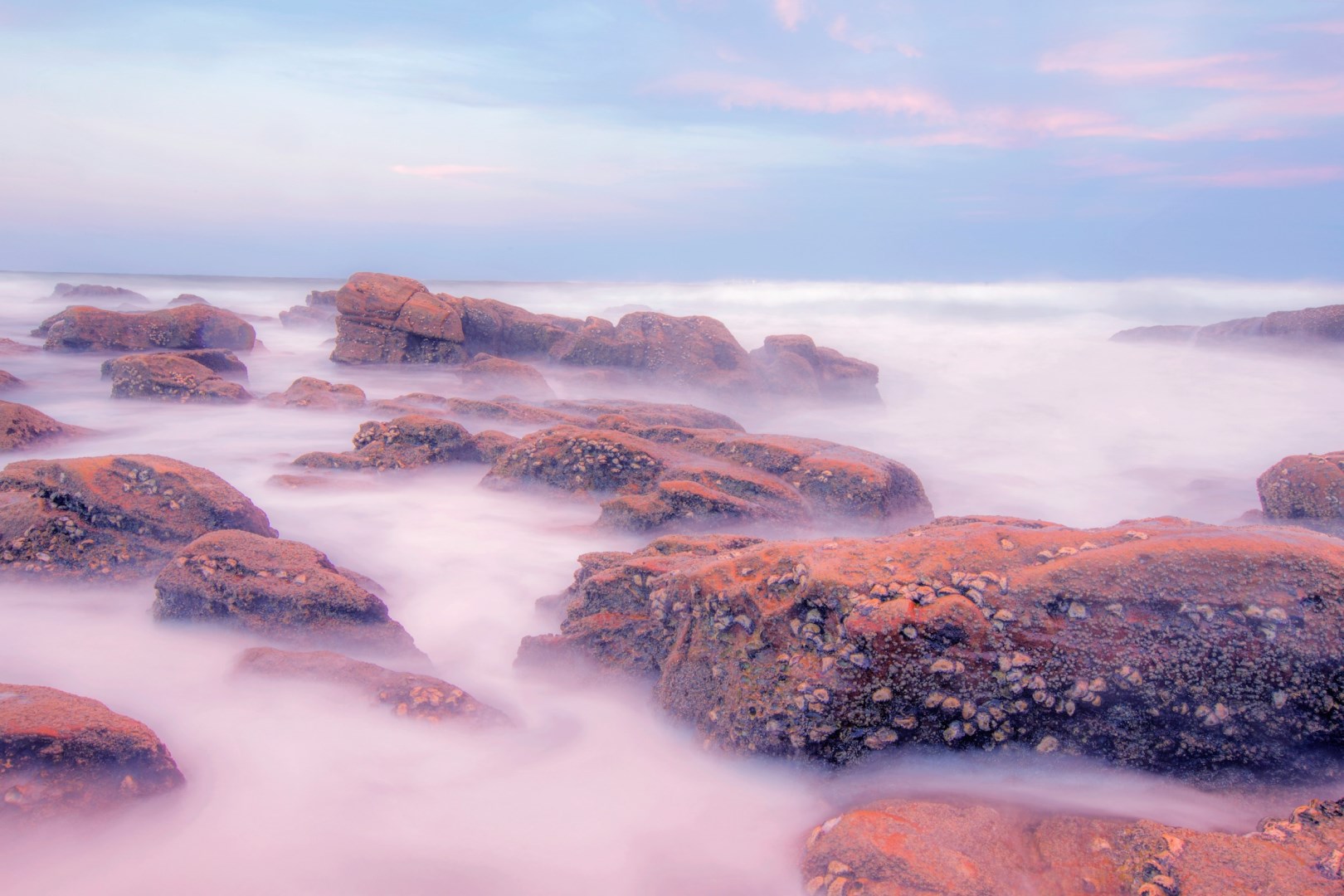

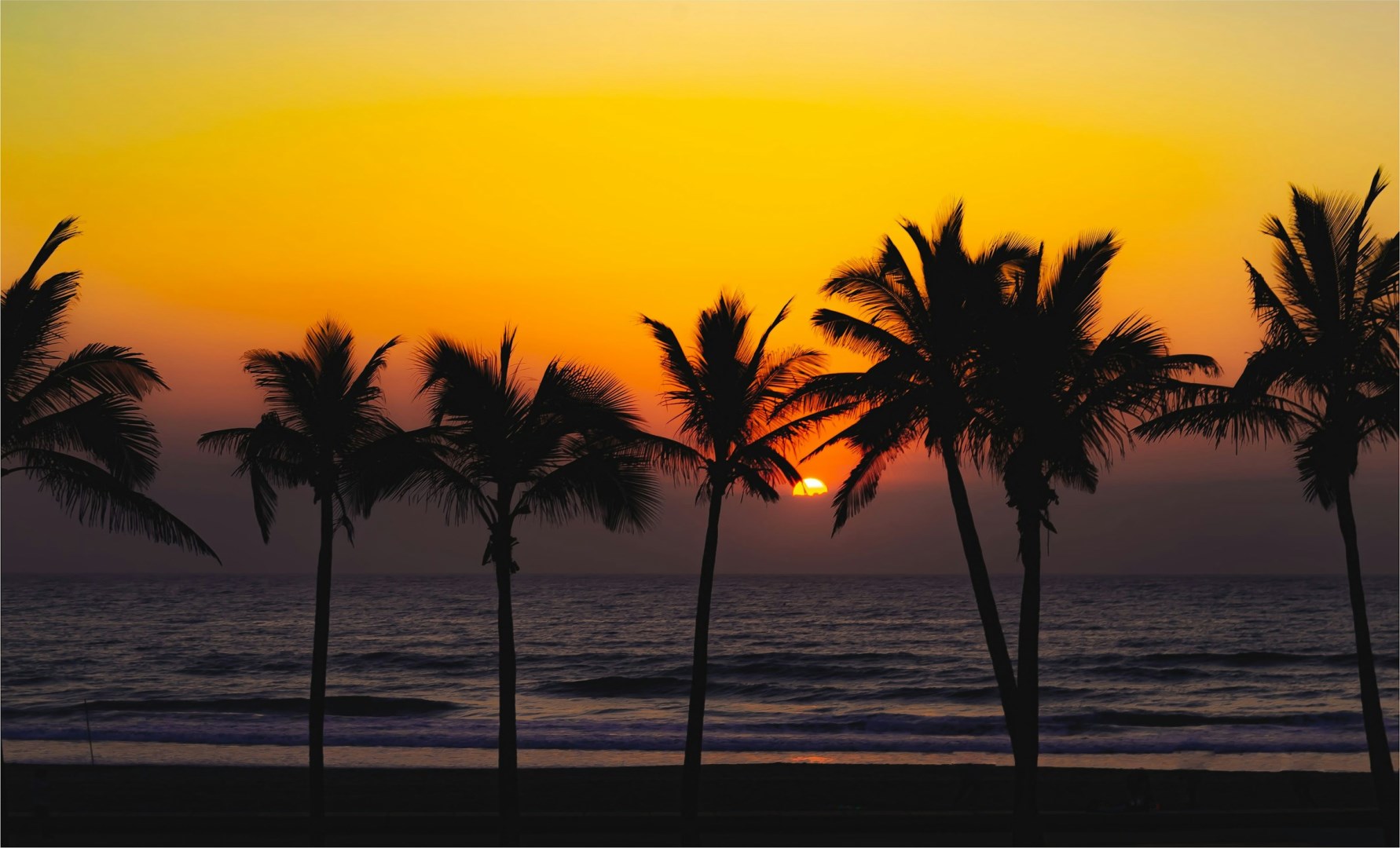
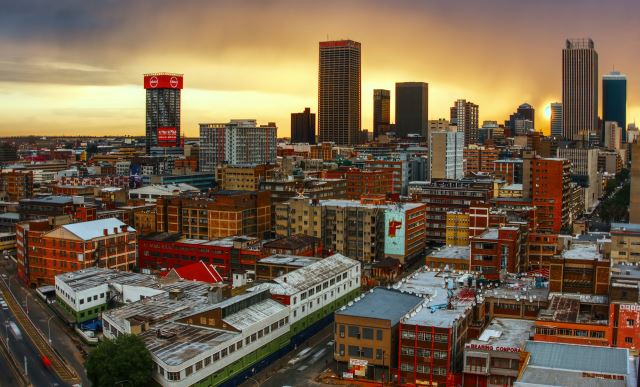
Durban is a big subtropical city in the north-eastern province of KwaZulu/Natal. It has been a major port since the 1850s and is home to the largest concentration of Indian-descended people in the country - Mohandas Gandhi arrived here as an indentured labourer in 1893. Today the city is better known as a holiday-makers' fun parlour with a happening nightlife. The weather (and the water, thanks to the Agulhas current) stays warm year-round drawing the crowds to Durban's long string of surf beaches.
Apart from the sandy strip, 'Durbs' has a fair bit to offer. The impressive city hall houses an art gallery which has a good collection of contemporary South African works and a patchy natural science museum. Also in the city centre, the local history museum has interesting displays on colonial life and the African Art Centre features exciting work by rural artists. The Indian area, to the west of the city centre, has a bustle and vibrancy that's missing from most commercial districts in South Africa. The Victoria Street Market is the area's focus, but other must sees are the Juma Mosque, the largest in the southern hemisphere, and the Alayam Hindu Temple, South Africa's oldest and biggest.
Apart from the sandy strip, 'Durbs' has a fair bit to offer. The impressive city hall houses an art gallery which has a good collection of contemporary South African works and a patchy natural science museum. Also in the city centre, the local history museum has interesting displays on colonial life and the African Art Centre features exciting work by rural artists. The Indian area, to the west of the city centre, has a bustle and vibrancy that's missing from most commercial districts in South Africa. The Victoria Street Market is the area's focus, but other must sees are the Juma Mosque, the largest in the southern hemisphere, and the Alayam Hindu Temple, South Africa's oldest and biggest.
Other Popular Destinations in South Africa

Cape Town, located at the southern tip of South Africa, is one of the world’s most striking coastal cities. Towering over it is Table Mountain, a flat-topped landmark that can be reached by cable car or on foot, offering sweeping views of the city, ocean, and beyond.