Chania, the jewel of western Crete, is a city where history, culture, and natural beauty converge to create a captivating experience. Known for its Venetian harbor, Chania boasts a unique blend of Venetian, Ottoman, and Greek influences. The harbor's old lighthouse, built in the 16th century by the Venetians, stands as a timeless sentinel over the bustling waterfront, which is lined with colorful buildings, inviting cafes, and vibrant tavernas.
History is deeply embedded in the heart of Northern Ireland, where ancient castles, historic sites, and vibrant cities bring the past to life at every turn. As visitors journey from its dramatic coastline, with towering cliffs and sweeping sea views, to the rolling green hills that define the countryside, they will find themselves immersed in an adventure that blends rich heritage with stunning natural beauty, offering an experience they'll never forget.
Lake Titicaca, perched at over 3,800 meters above sea level, is the highest navigable lake in the world and a place where ancient stories still echo across the water. Shared by Bolivia and Peru, this lake has long been considered sacred by the Andean peoples. According to Inca legend, it was from Titicaca’s deep blue waters that the first humans were created. Today, the lake remains a center of cultural tradition, spiritual significance, and daily life for many who live along its shores.
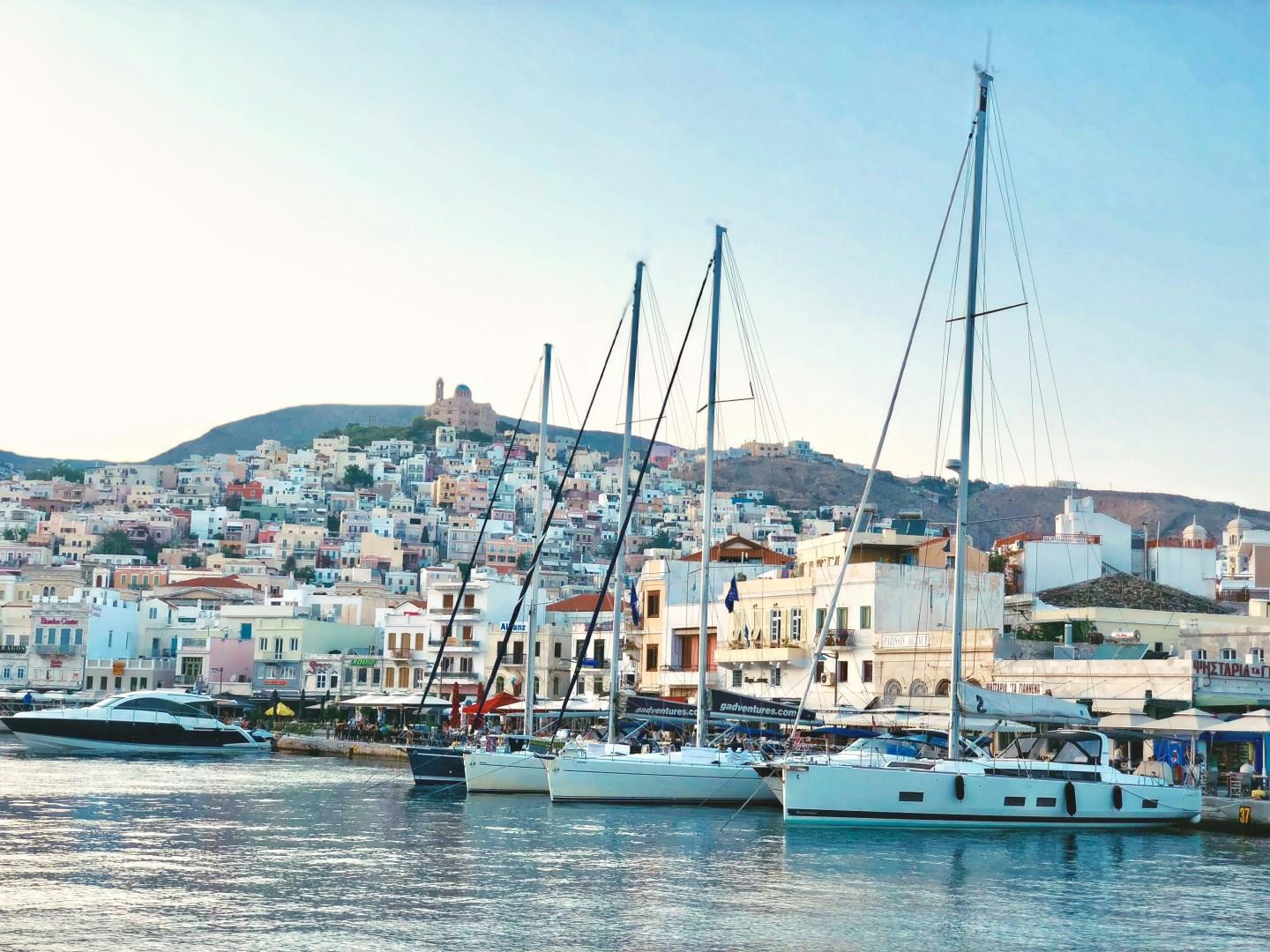
Syros, the capital of the Cyclades, stands apart from its island neighbors with its blend of neoclassical architecture, Orthodox and Catholic traditions, and year-round local life. Ermoupoli, the main town, was once a thriving 19th-century port and still displays its legacy through grand mansions, marble-paved squares, and the imposing Apollo Theater which was designed by an Italian architect and often referred to as a miniature La Scala.
Alghero, located on the northwest coast of Sardinia, Italy, is a seaside city that blends history, culture, and natural beauty. Known as “Little Barcelona” due to its Catalan influence, Alghero’s old town is a maze of narrow cobblestone streets, colorful buildings, and medieval walls overlooking the Mediterranean Sea. Visitors can explore landmarks like the imposing Torre del Portal, a medieval tower that is a testament to the city’s rich heritage.
Photo Credit: Photo by Yilei (Jerry) Bao on Unsplash
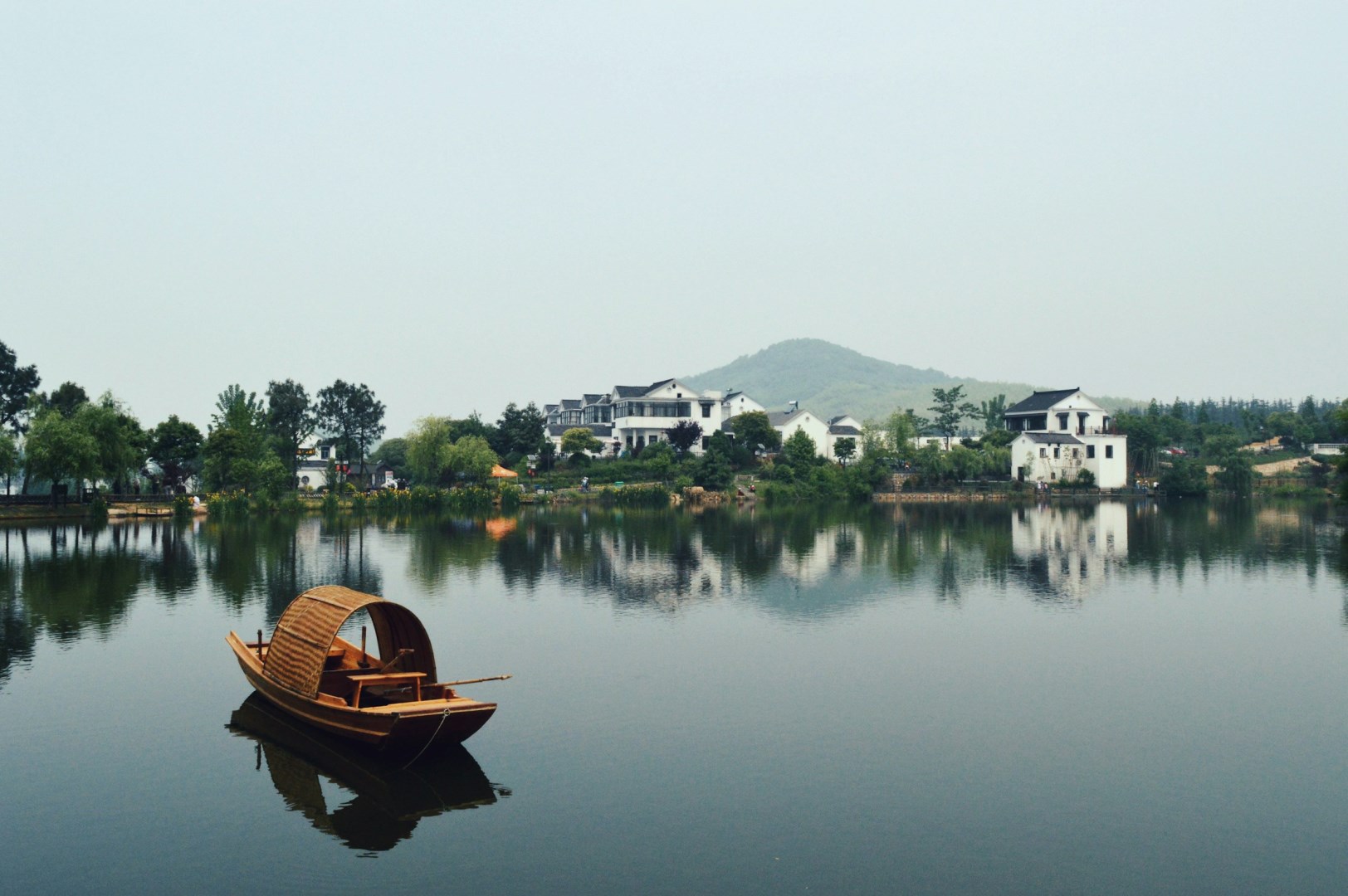
Mochou Lake
Photo Credit: Photo by wen qiao on Unsplash
Photo Credit: Photo by Shawn Tang on Unsplash
Photo Credit: Photo by Yu Gui on Unsplash
Photo Credit: Photo by Wenhao Ruan on Unsplash
Photo Credit: Photo by vigor poodo on Unsplash
Photo Credit: Photo by 長聽 王 on Unsplash
Photo Credit: Photo by Alston Chia on Unsplash
Photo Credit: Photo by Cheng Shi Song on Unsplash
Photo Credit: Photo by Declan Sun on Unsplash
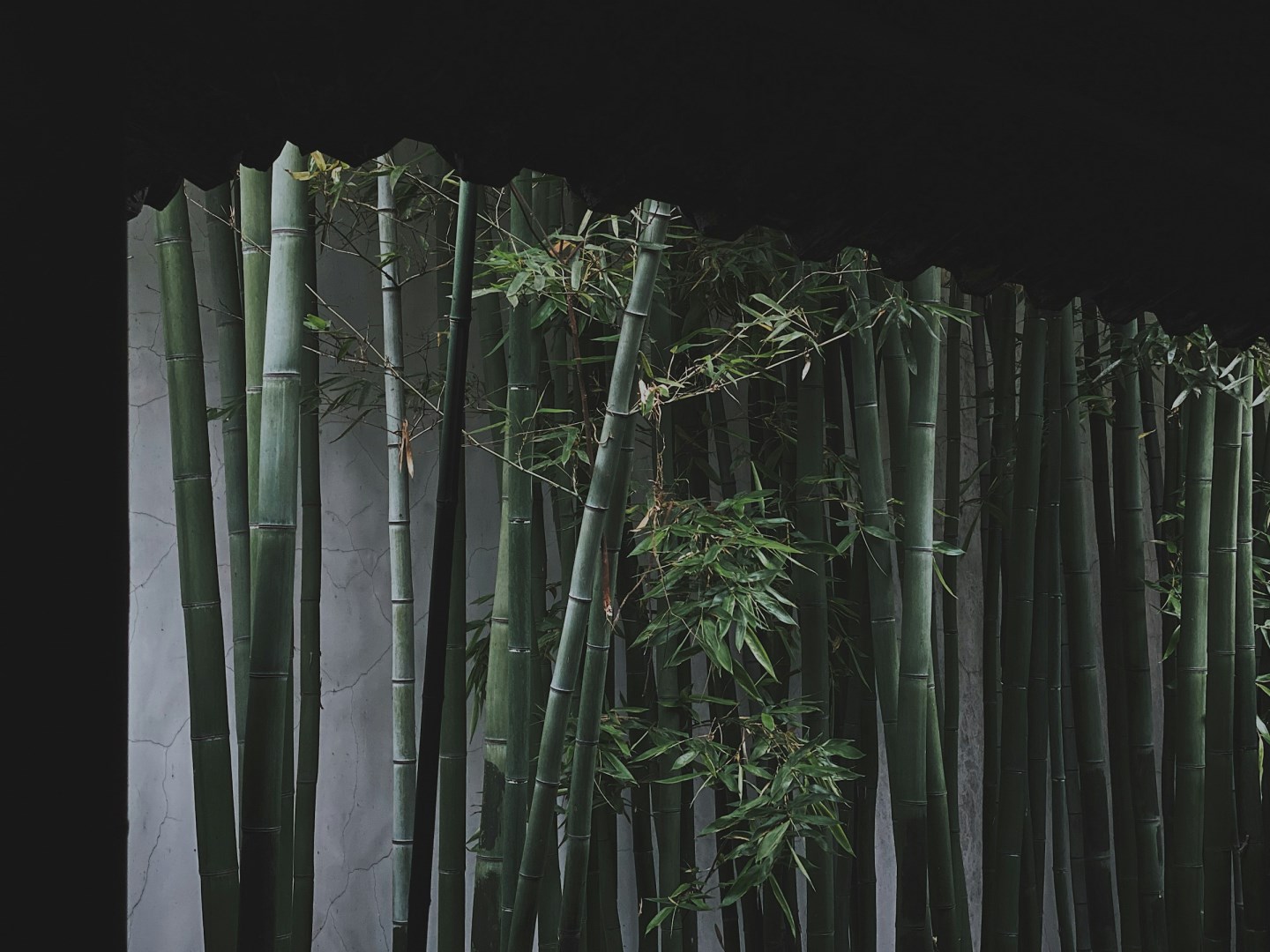
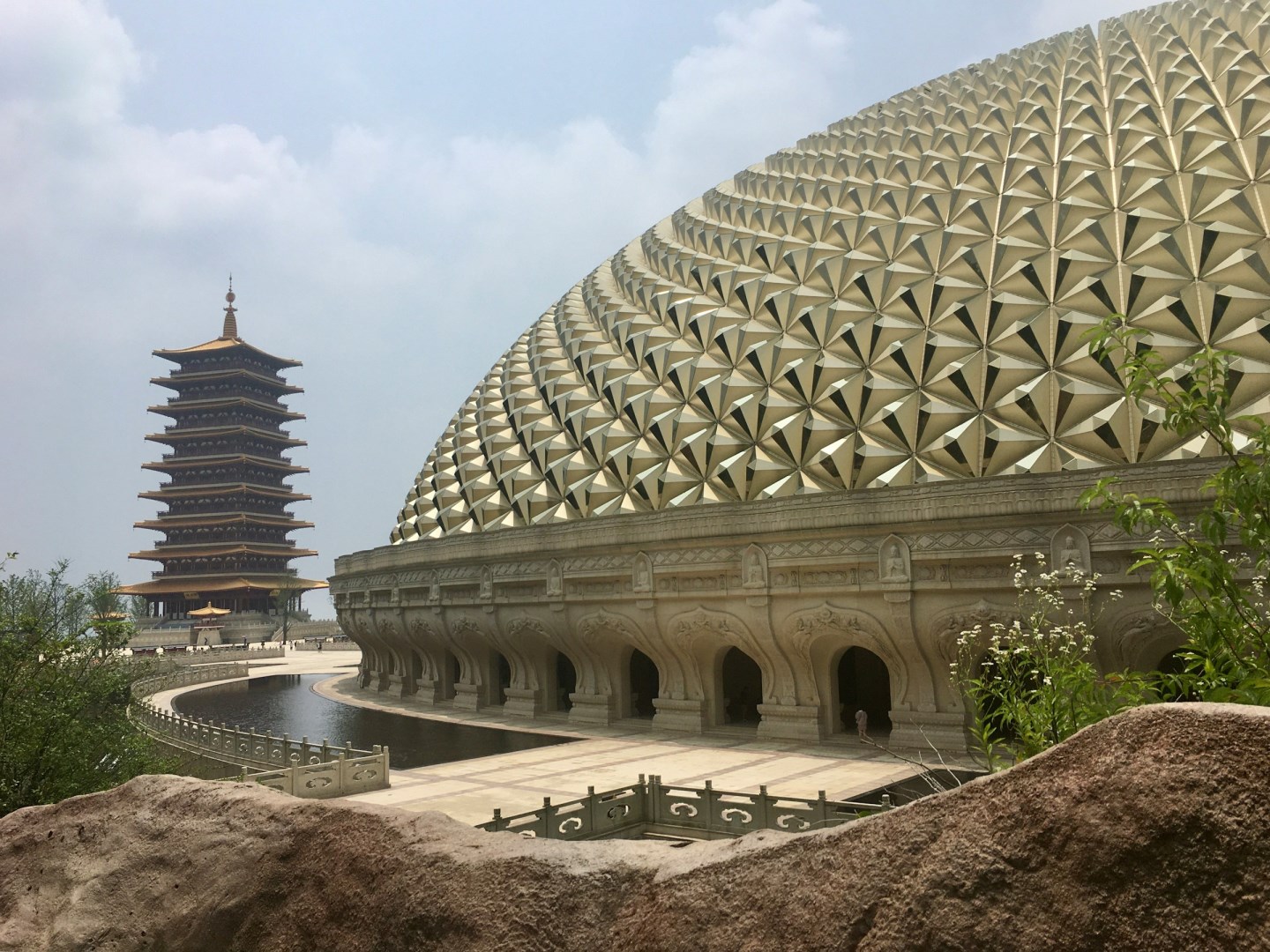
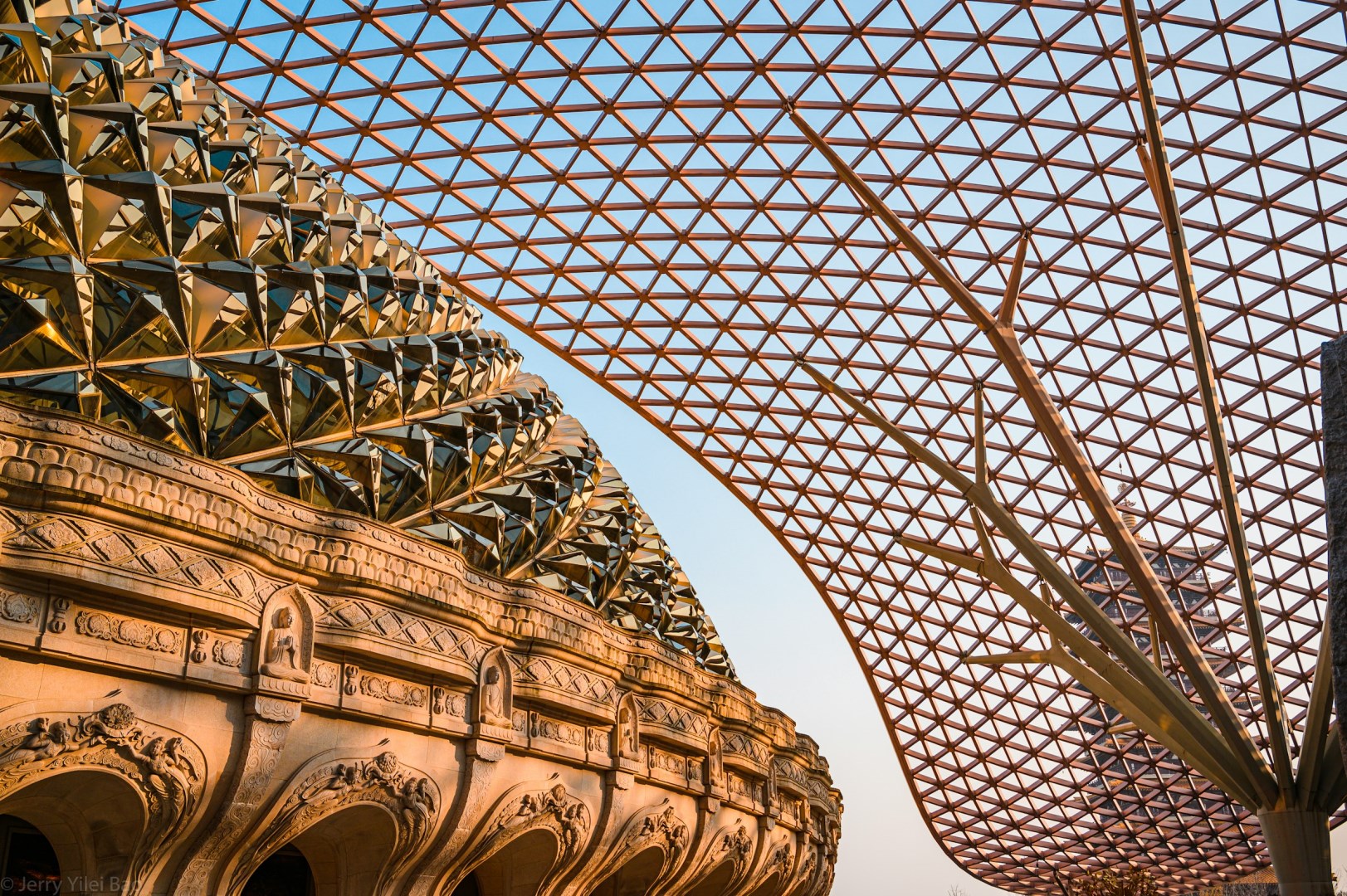
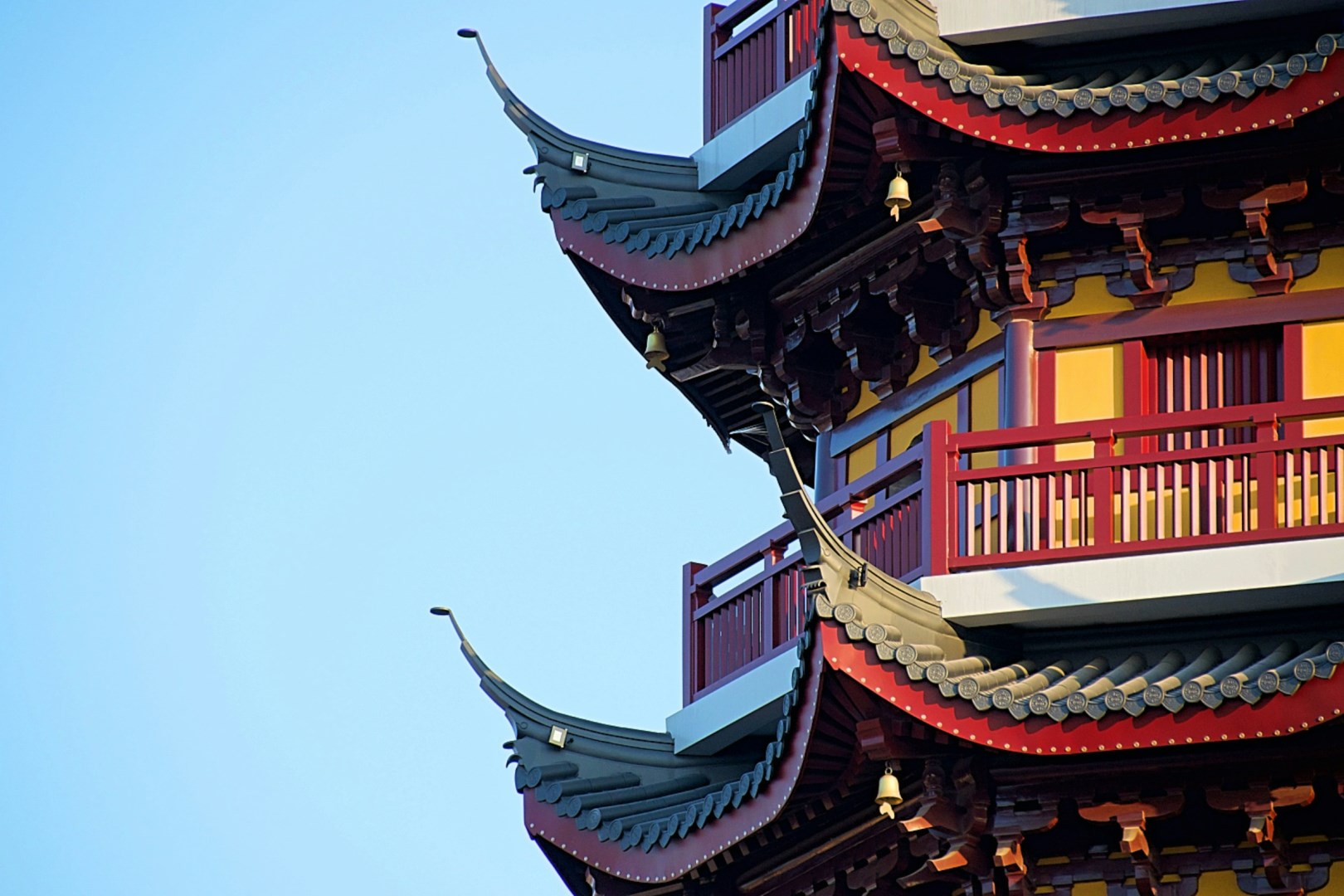
Linggu Temple
Photo Credit: Photo by Timothée Gidenne on Unsplash
Photo Credit: Photo by Cheng Shi Song on Unsplash
Photo Credit: Photo by Karwin Luo on Unsplash
Photo Credit: Photo by leon zhao on Unsplash
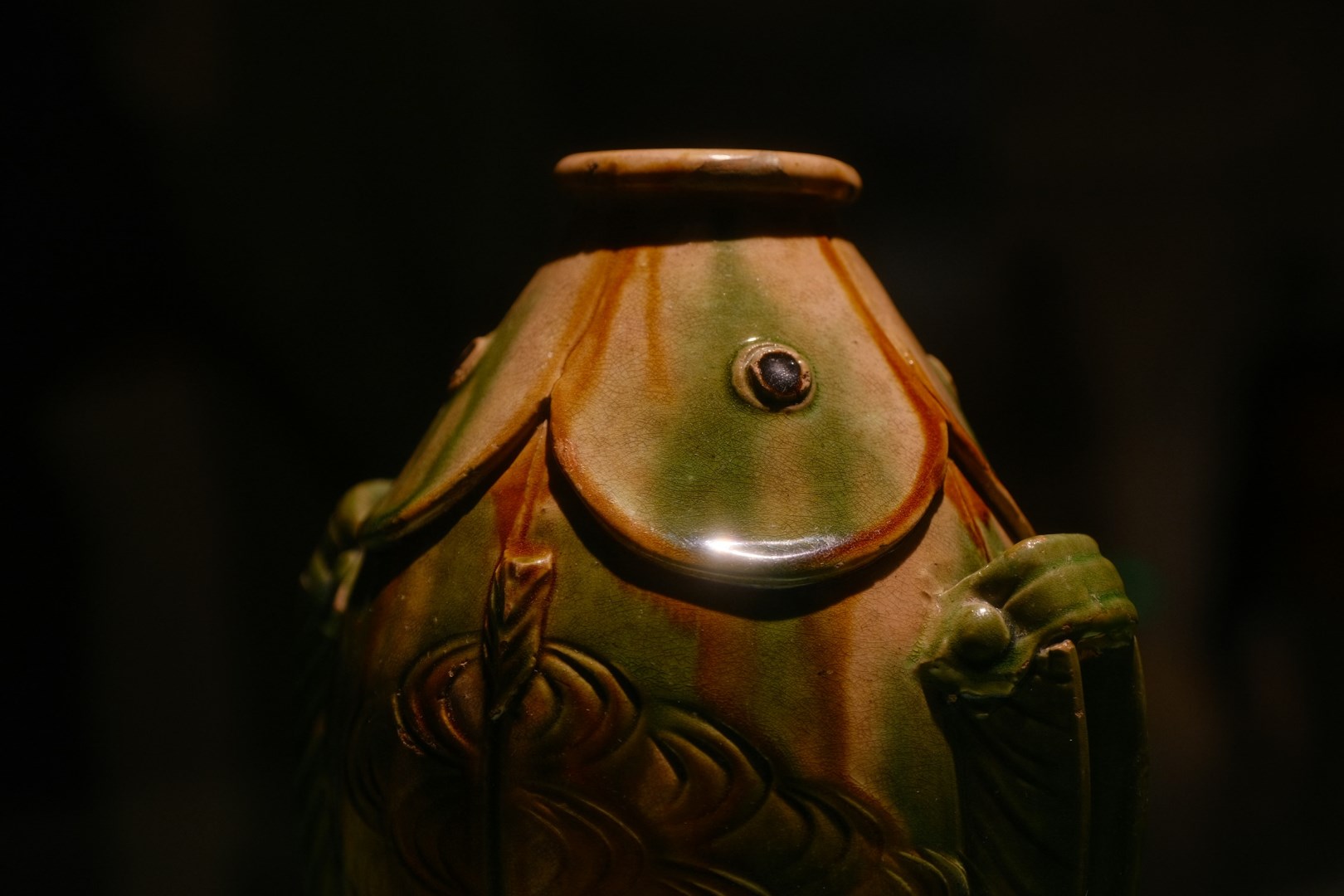
Nanjing Museum

Photo Credit: Photo by Terence Zheng on Unsplash
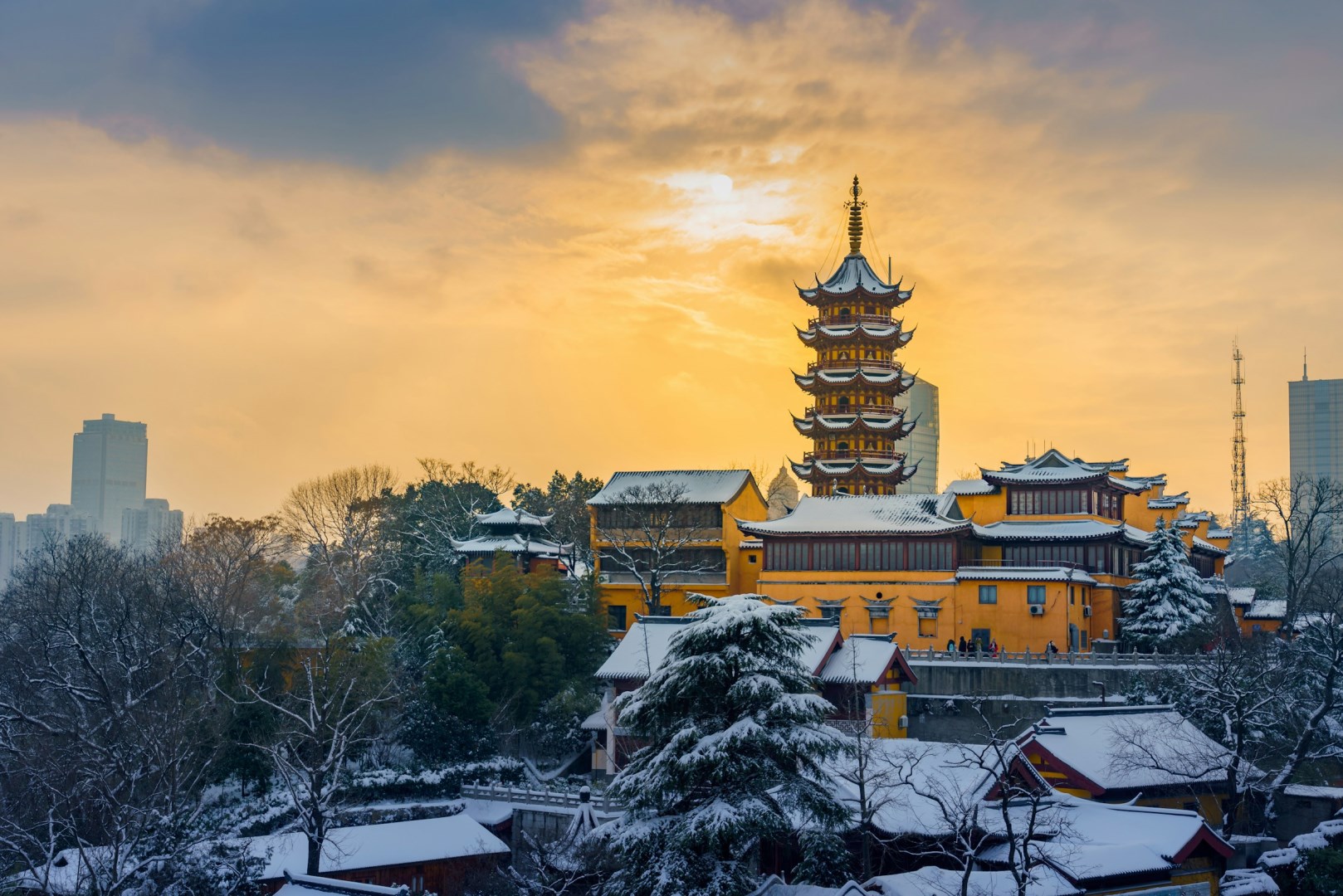
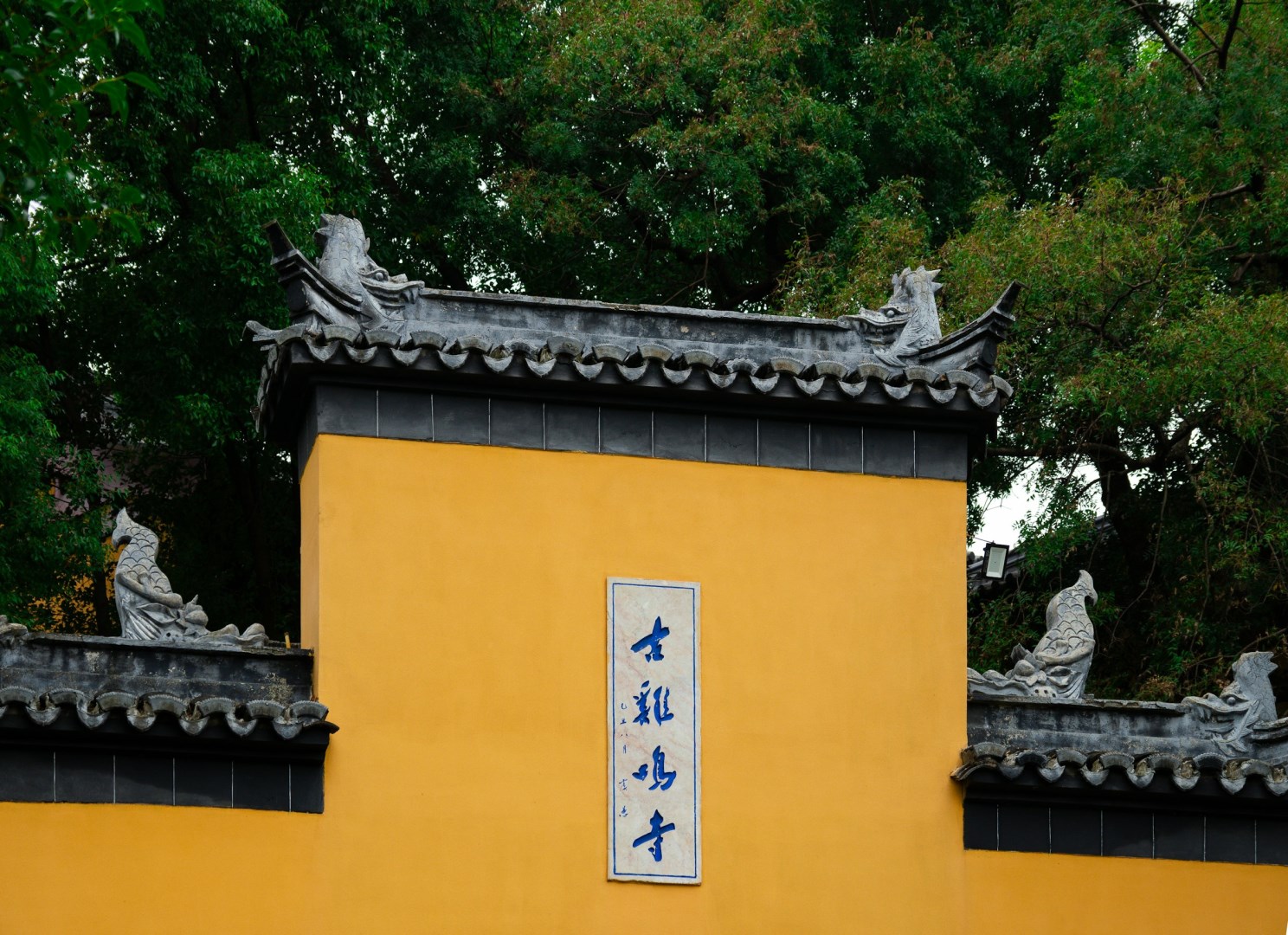
Jiming Temple
Photo Credit: Photo by Joss Woodhead on Unsplash
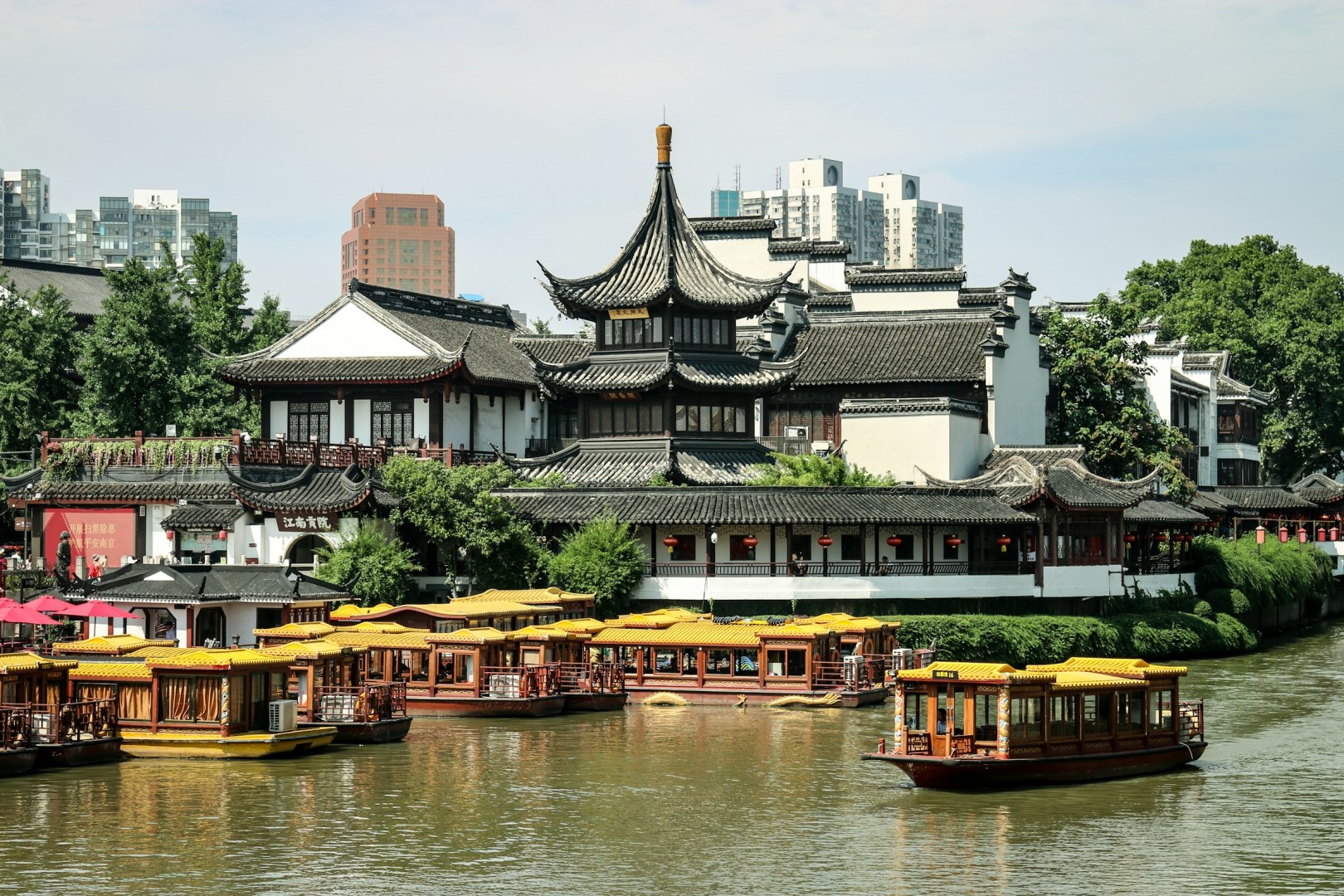
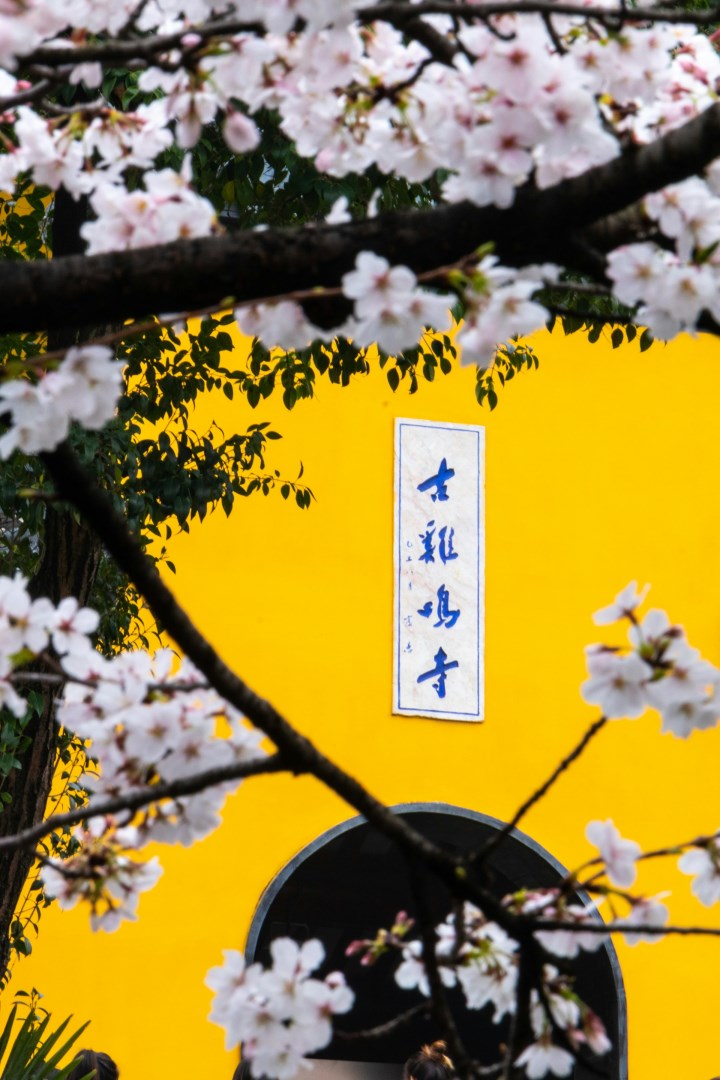
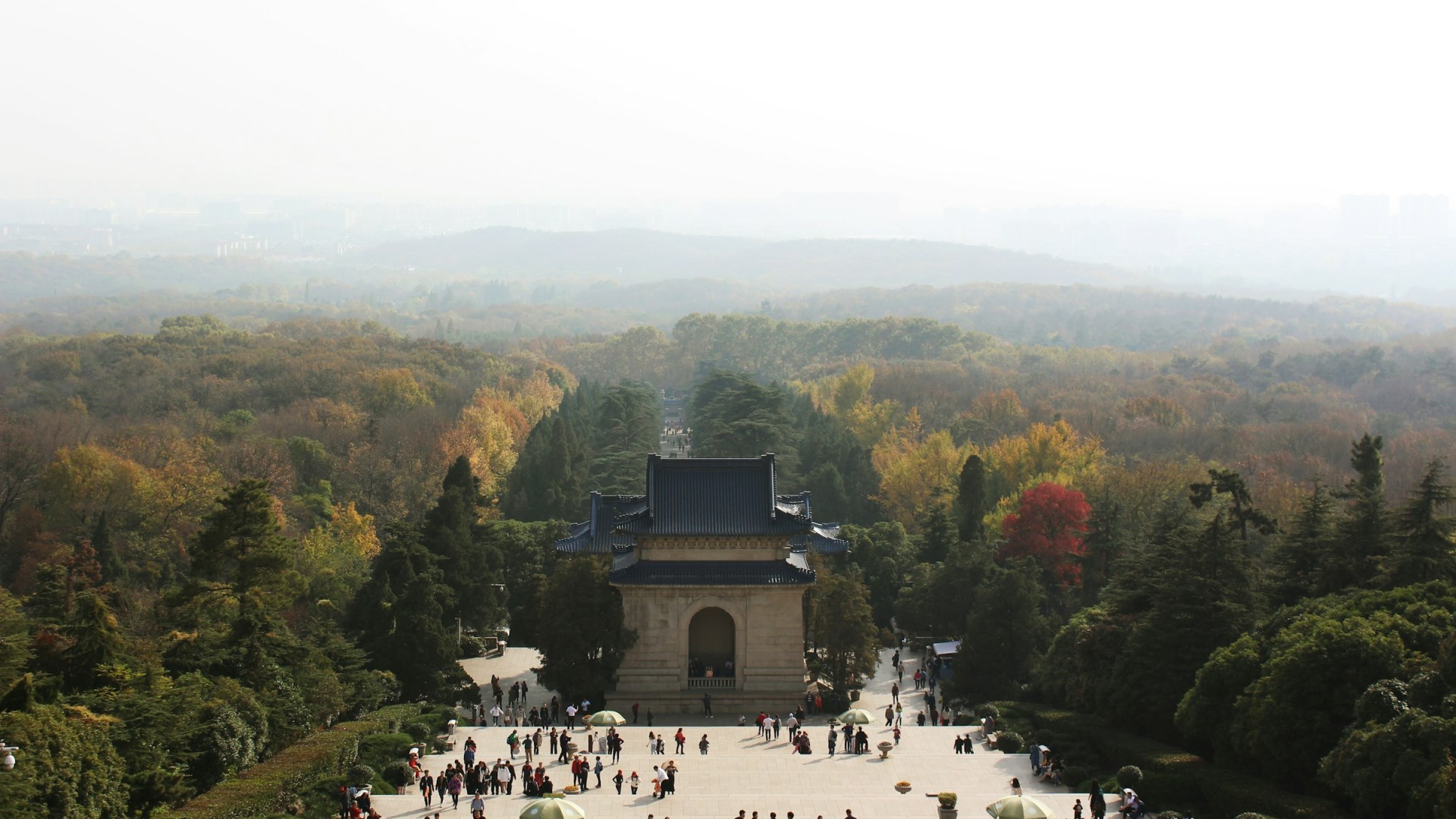
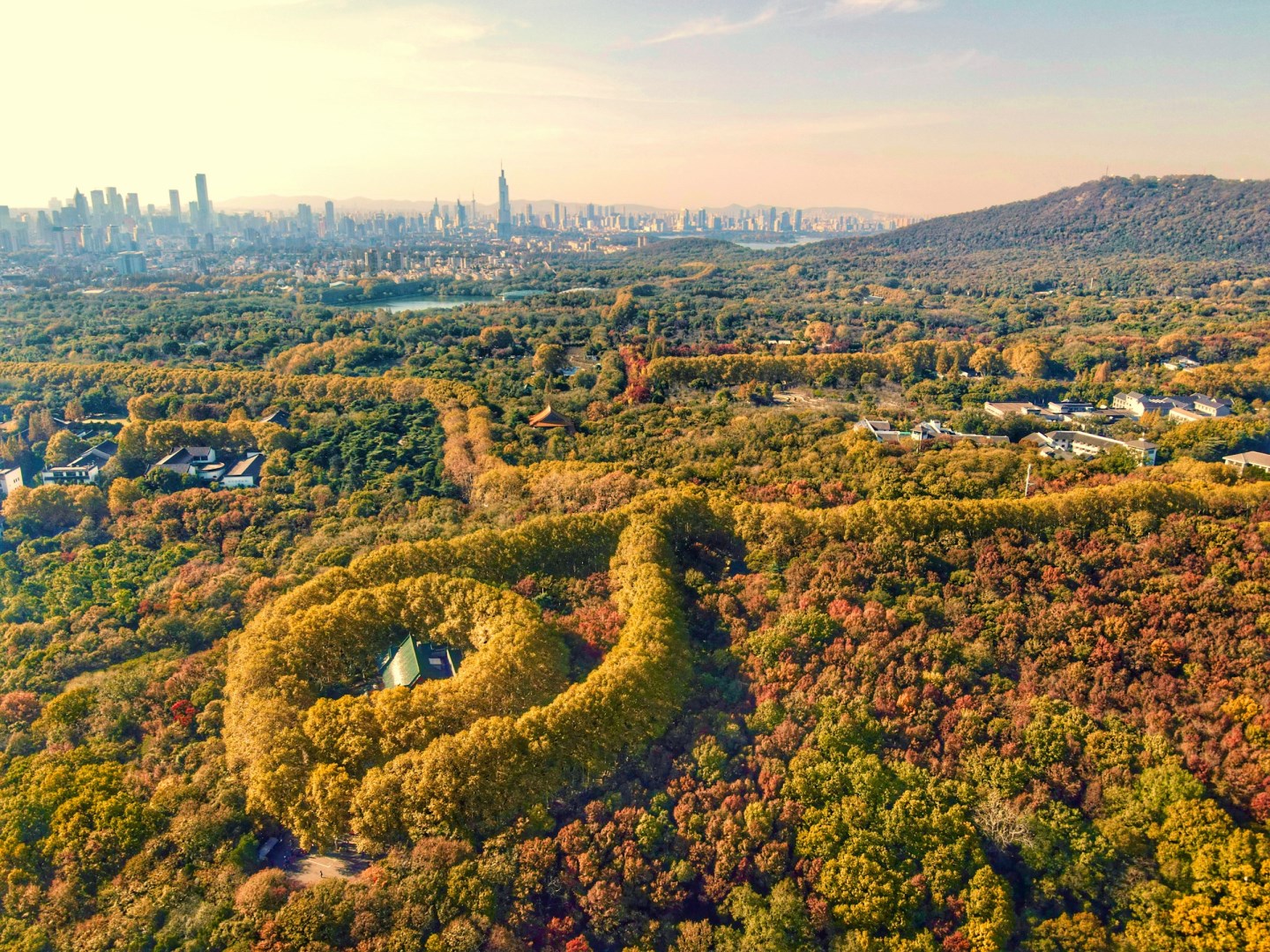
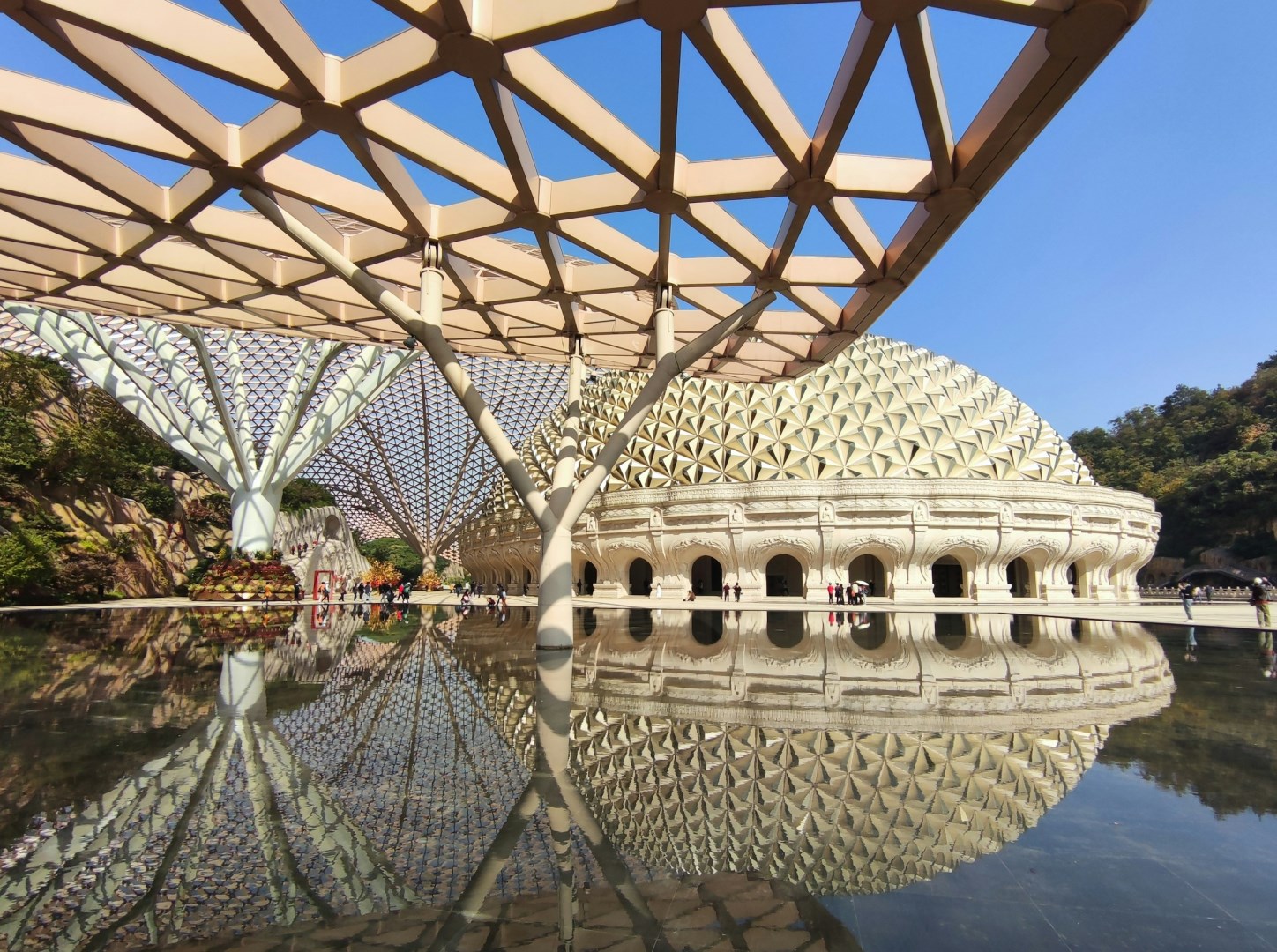
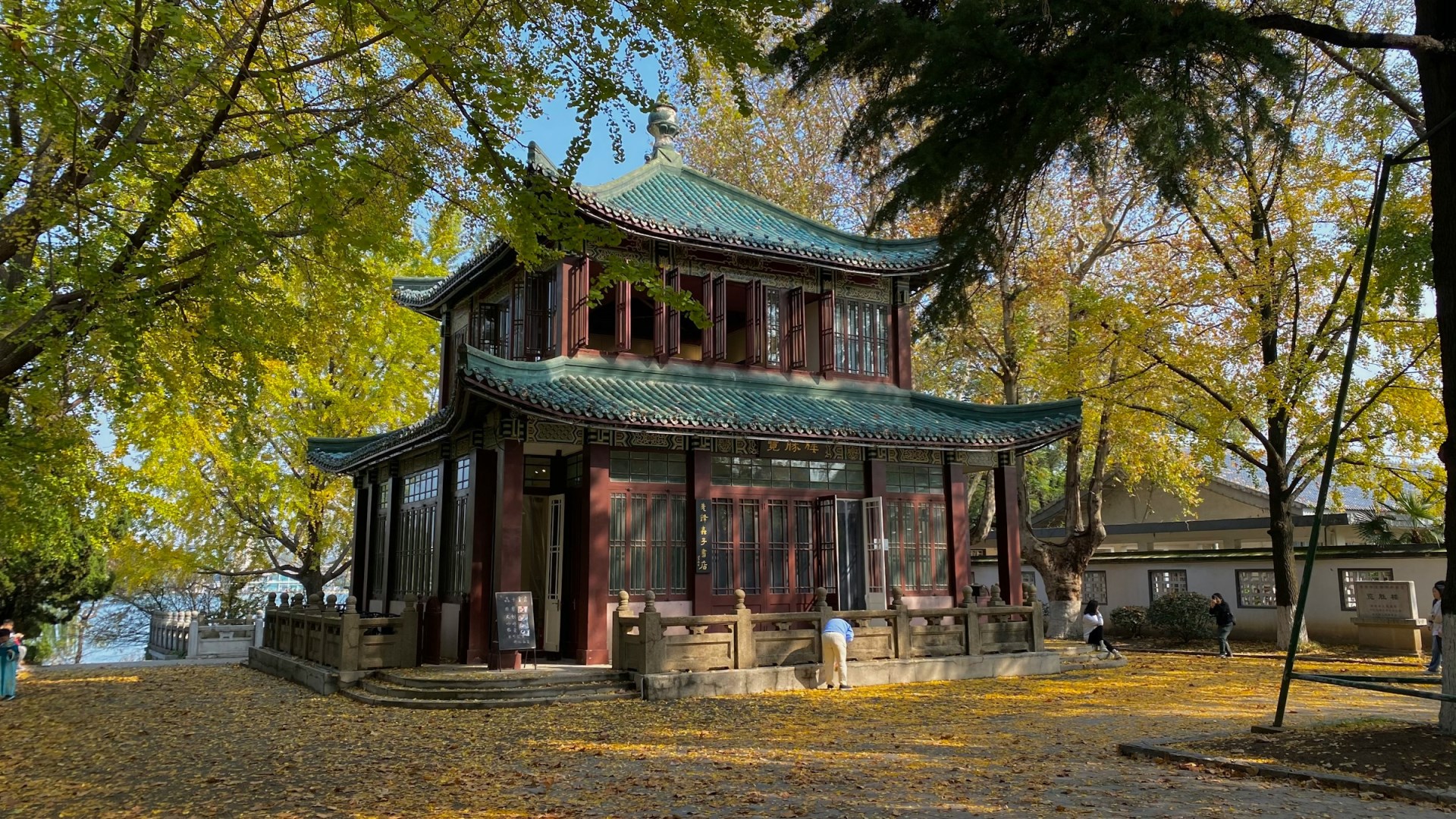
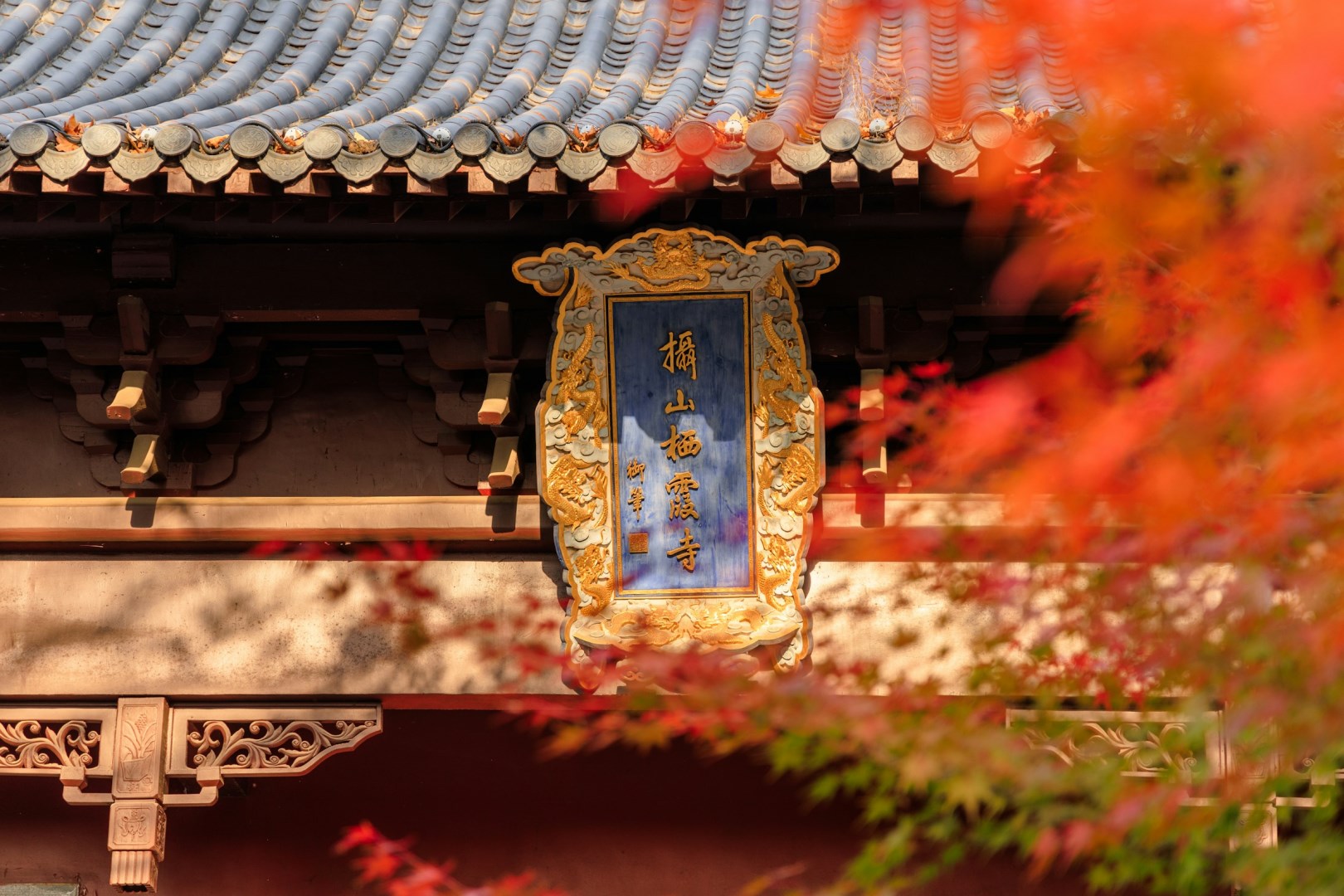
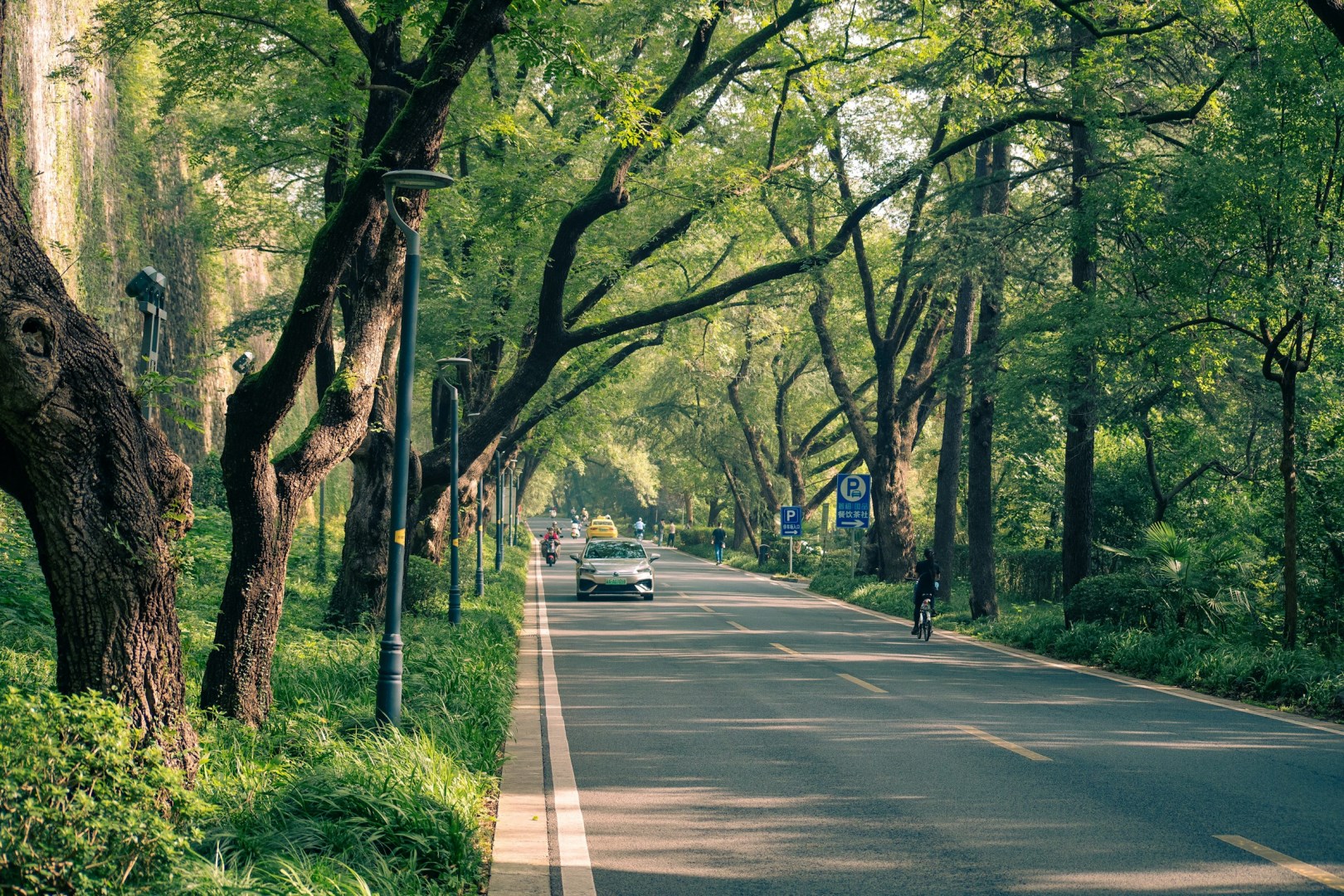
This is a city one could get lost in for days, exploring the old Ming Dynasty walls and wandering through its superb museum. If time permits, you should also take a walk through Linggu Park, home of the Linggu Pagoda and other items of Buddhist interest. Even just a casual walk through the streets-replete with food vendors and baskets of live geese-will help convey the unique flavor of this city.
Other Popular Destinations in China
Beijing

Beijing, the capital of China, is a city where history and modern life intersect on a grand scale. Ancient landmarks like the Forbidden City, Tiananmen Square, and the Temple of Heaven reflect centuries of imperial heritage, while the Great Wall lies just outside the city, offering views of one of the most famous engineering feats in the world.

Xi'an
Xi’an, located in central China’s Shaanxi Province, served as the starting point of the ancient Silk Road and was the capital of 13 imperial dynasties. Its long history is most famously represented by the Terracotta Army, an underground army of life-sized warriors discovered in 1974. Each figure has distinct facial features, hairstyles, and armor, designed to protect Emperor Qin Shi Huang in the afterlife.