



Caribbean | Dominican Republic | Santo Domingo


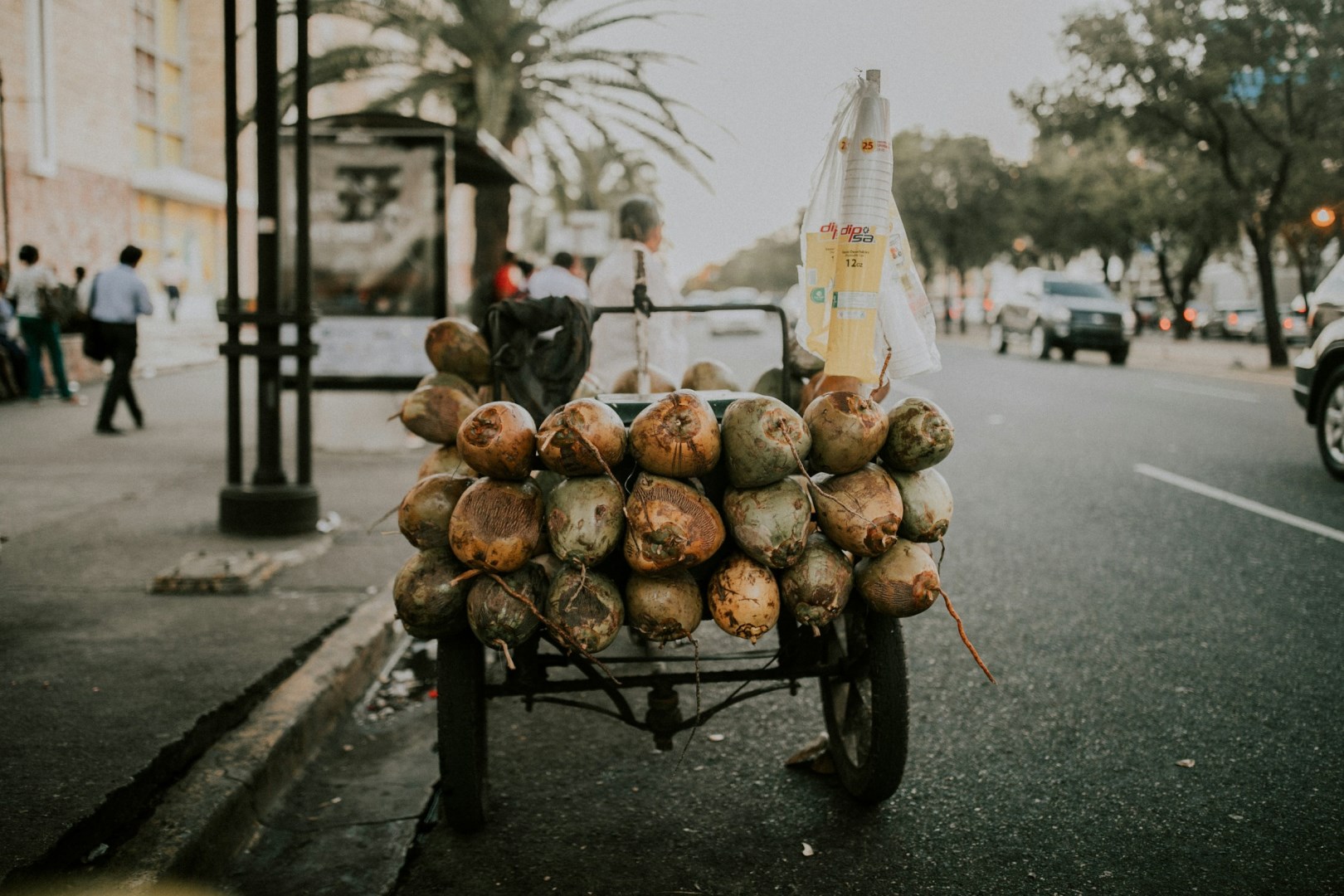

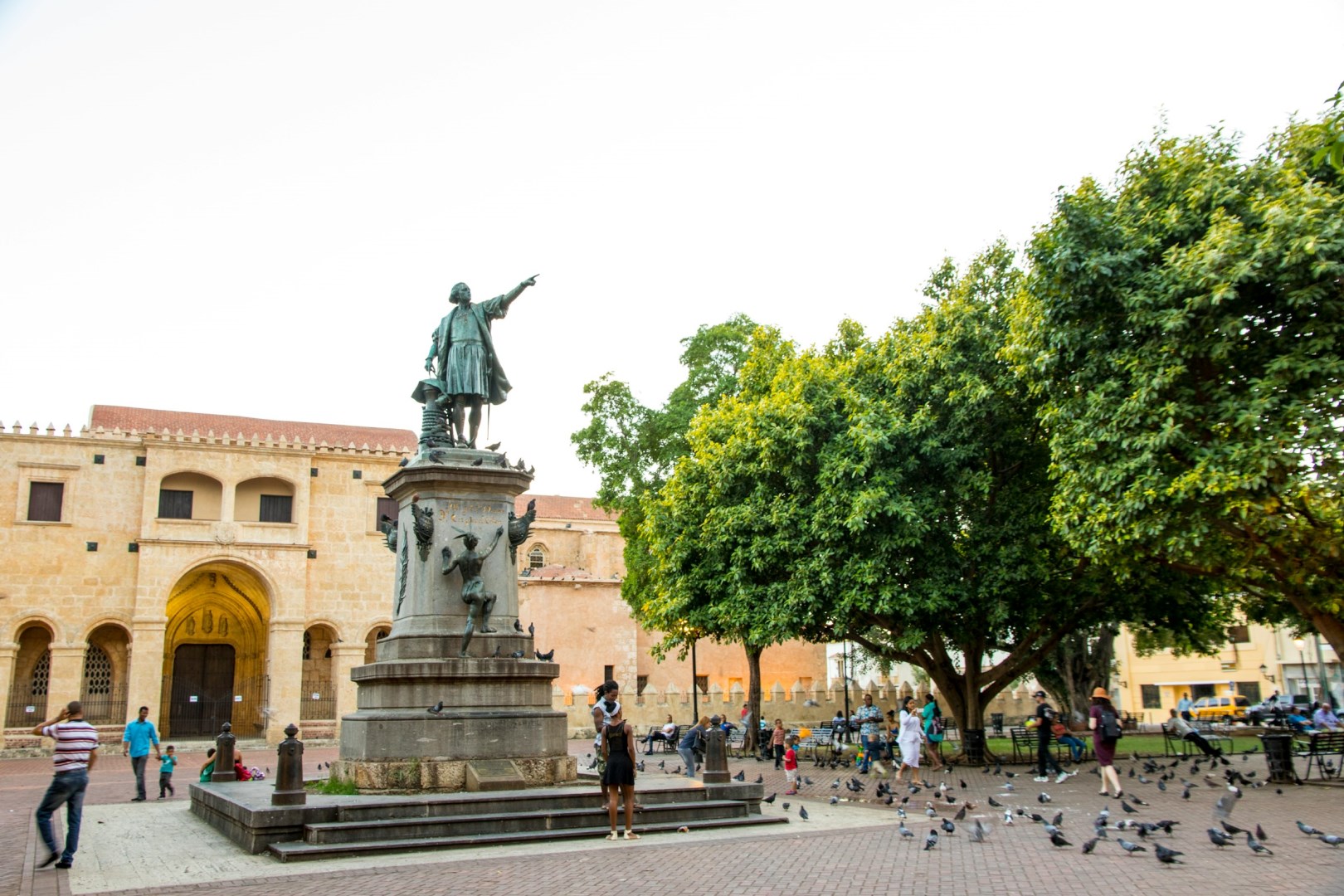
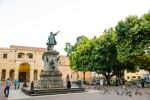
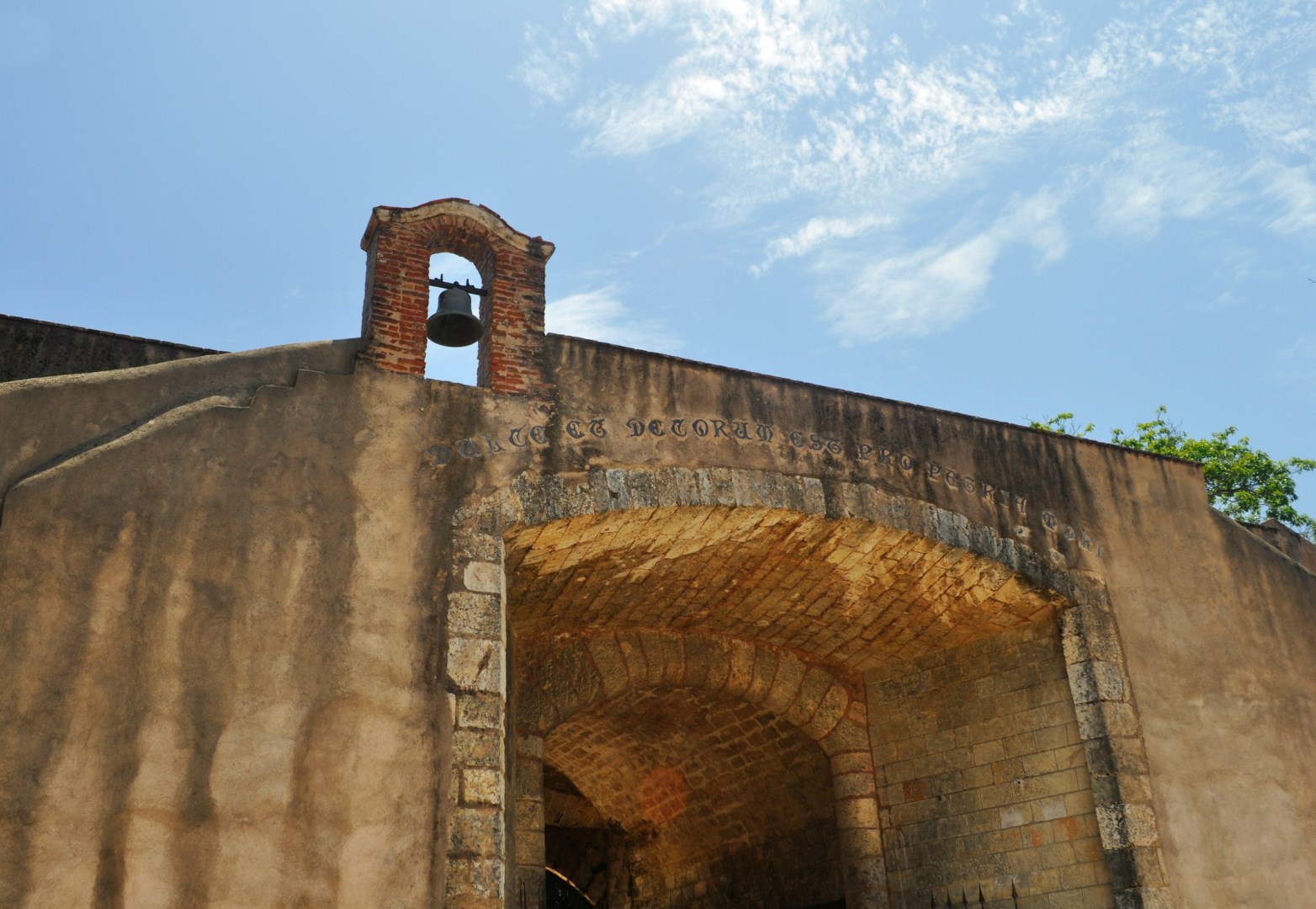
The capital city of the Dominican Republic is rich in history and beauty, boasting 16th-century Spanish architecture and the oldest cathedral in the Americas. The narrow streets of the old colonial city are a testament to the complex mixture of forces that contributed to the construction of the first European city in the Western Hemisphere. The capital of the Dominican Republic is home to some outstanding examples of colonial architecture, including the Catedral Santa Maria la Menor and the viceregal residence, El Alcazar. In the early days of the empire, Spain administered many of its possessions from Santo Domingo, but as Spanish power waned, other nations took control. In the early part of the 20th century, the United States played an important role in the history of the city, which was occupied by U.S. Marines from 1916 to 1924. Despite the long list of occupying nations, the Spanish influence has remained strong and Spanish is the official language. The pre-Hispanic native people, the Tainos, have also had a strong influence on the culture, and many words from their language have passed into common use.
Other Popular Destinations in Dominican Republic

Puerto Plata, located on the Dominican Republic's northern coast, is the perfect tropical getaway for your next trip to the Caribbean! From Acapulco Beach to Playa Dorada, sandy beaches and warm turquoise waves are the highlight of this sunny destination.
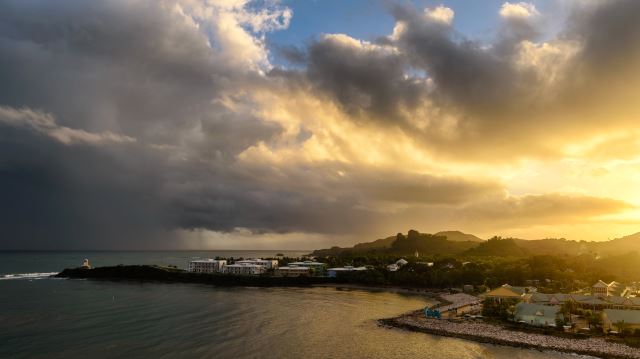
Located along the northern coast of the Dominican Republic, Amber Cove serves as a vibrant gateway to the region of Puerto Plata. Designed as a cruise port with a strong sense of place, the area reflects the island’s long connection to the sea and trade. Visitors often begin their experience with views of the harbor framed by green mountains, setting the tone for what lies beyond.
