
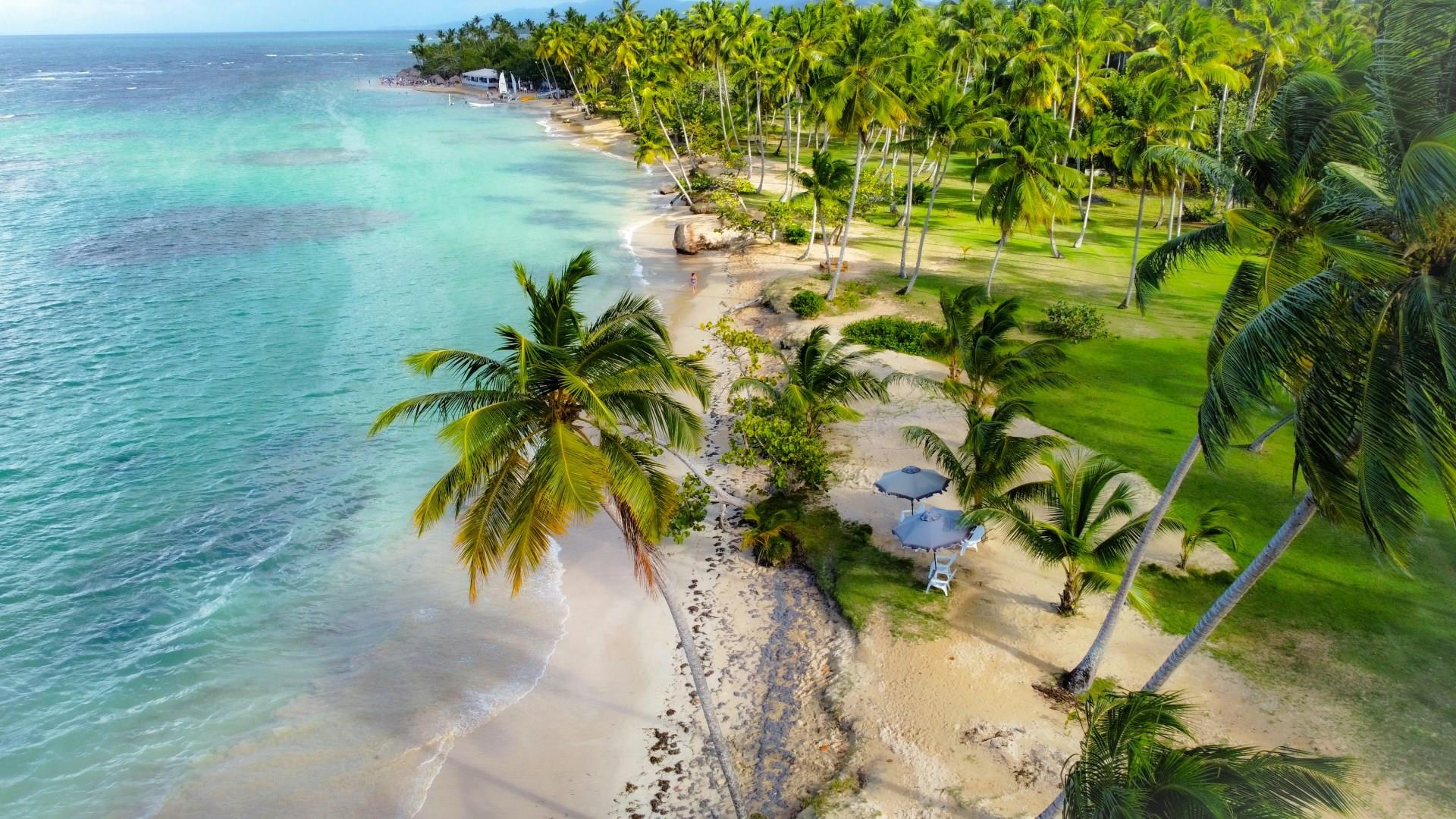





Samana sits on a peninsula along the northeastern coast of the Dominican Republic, shaped by seafaring history and a strong Afro-Caribbean cultural presence.
Australia and New Zealand each have their own identities, shaped by indigenous heritage, colonial history, and vibrant contemporary cultures. Visitors can travel between the two in just a few hours, yet find themselves in entirely different worlds.
Stonehenge, one of the world's most iconic prehistoric monuments, stands proudly on the Salisbury Plain in Wiltshire, England. This enigmatic stone circle, believed to have been constructed between 3000 BC and 2000 BC, has captivated archaeologists, historians, and travelers alike for centuries.
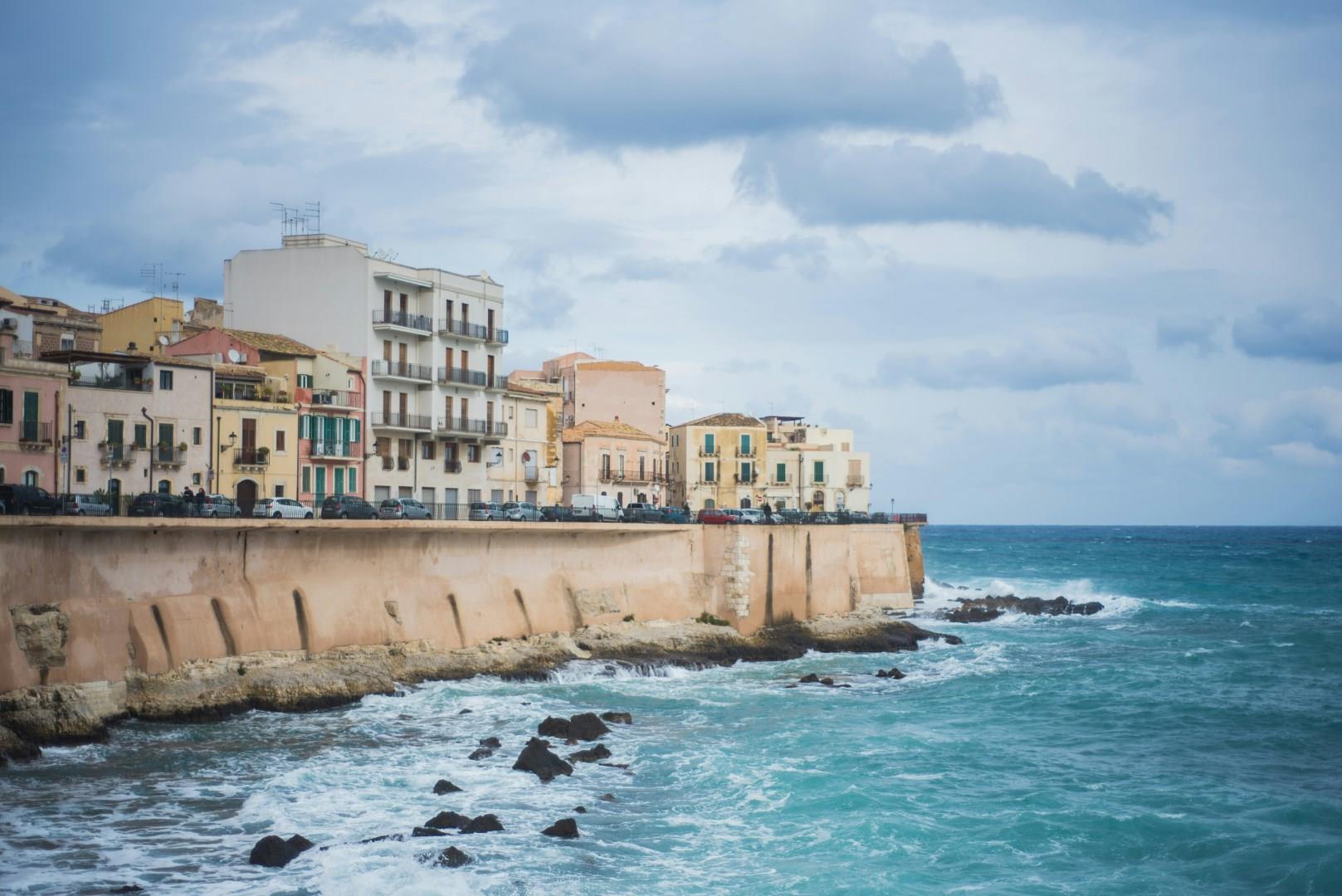
Syracuse, located on the eastern coast of Sicily, is a city where history and the sea converge in unforgettable ways. Founded by ancient Greeks in the 8th century BC, it became one of the most powerful city-states of its time. Today, visitors can explore the impressive archaeological park of Neapolis, which features a vast Greek theatre, Roman amphitheater, and the Ear of Dionysius, a limestone cave known for its remarkable acoustics.
Ottawa, the charming capital of Canada, offers a unique blend of history, culture, and modernity. Nestled along the scenic Ottawa River, the city is home to the iconic Parliament Hill, where the Gothic Revival architecture of the Parliament Buildings stands majestically above the riverbanks. Visitors can witness the ceremonial Changing of the Guard in the summer or explore the Peace Tower for panoramic views of the city.
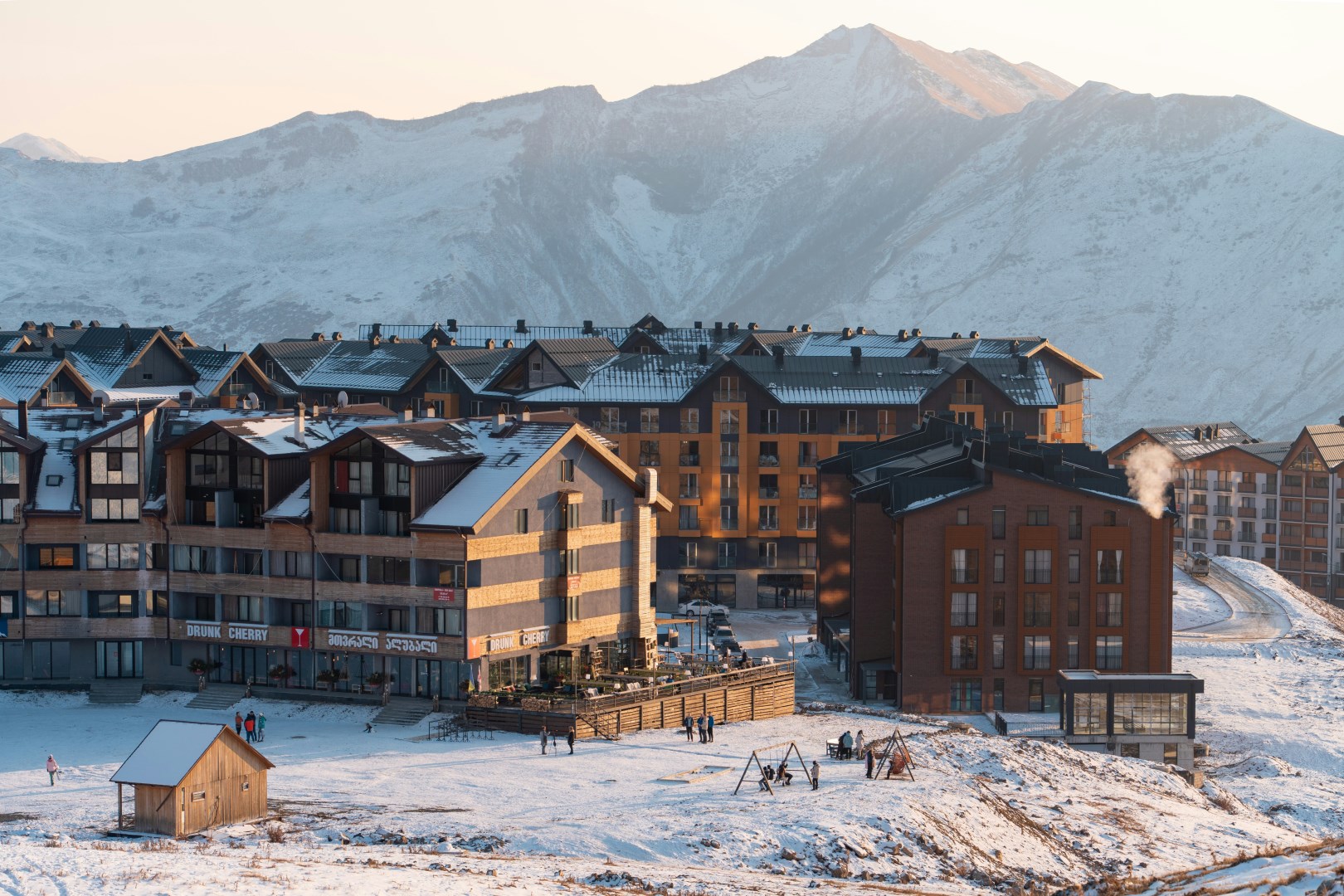
Gudauri is a mountain resort in northeastern Georgia, located along the Georgian Military Highway in the Greater Caucasus range. The settlement is known as one of the country’s main ski destinations, with long winter seasons and wide alpine slopes that attract skiers, snowboarders, and paragliders.
Photo Credit: Photo by Mitchell Ng Liang an on Unsplash
Photo Credit: Photo by Navdeep Singh Panwar on Unsplash
Photo Credit: Photo by Ahmad mansuri alkindii on Unsplash
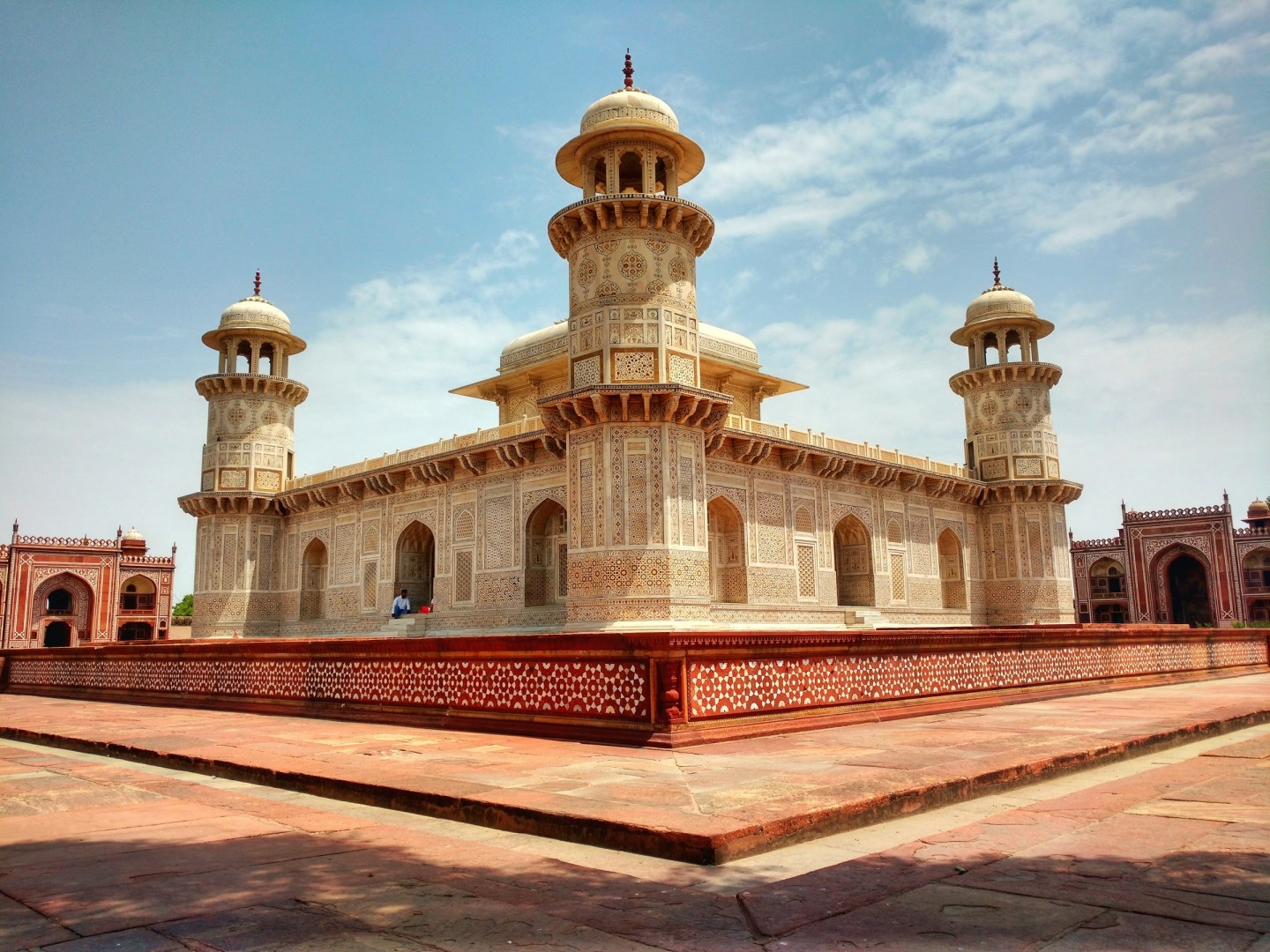
Tomb of I'timād-ud-Daulah
Photo Credit: Photo by Shreshth Gupta on Unsplash
Photo Credit: Photo by Deepak Gupta on Unsplash
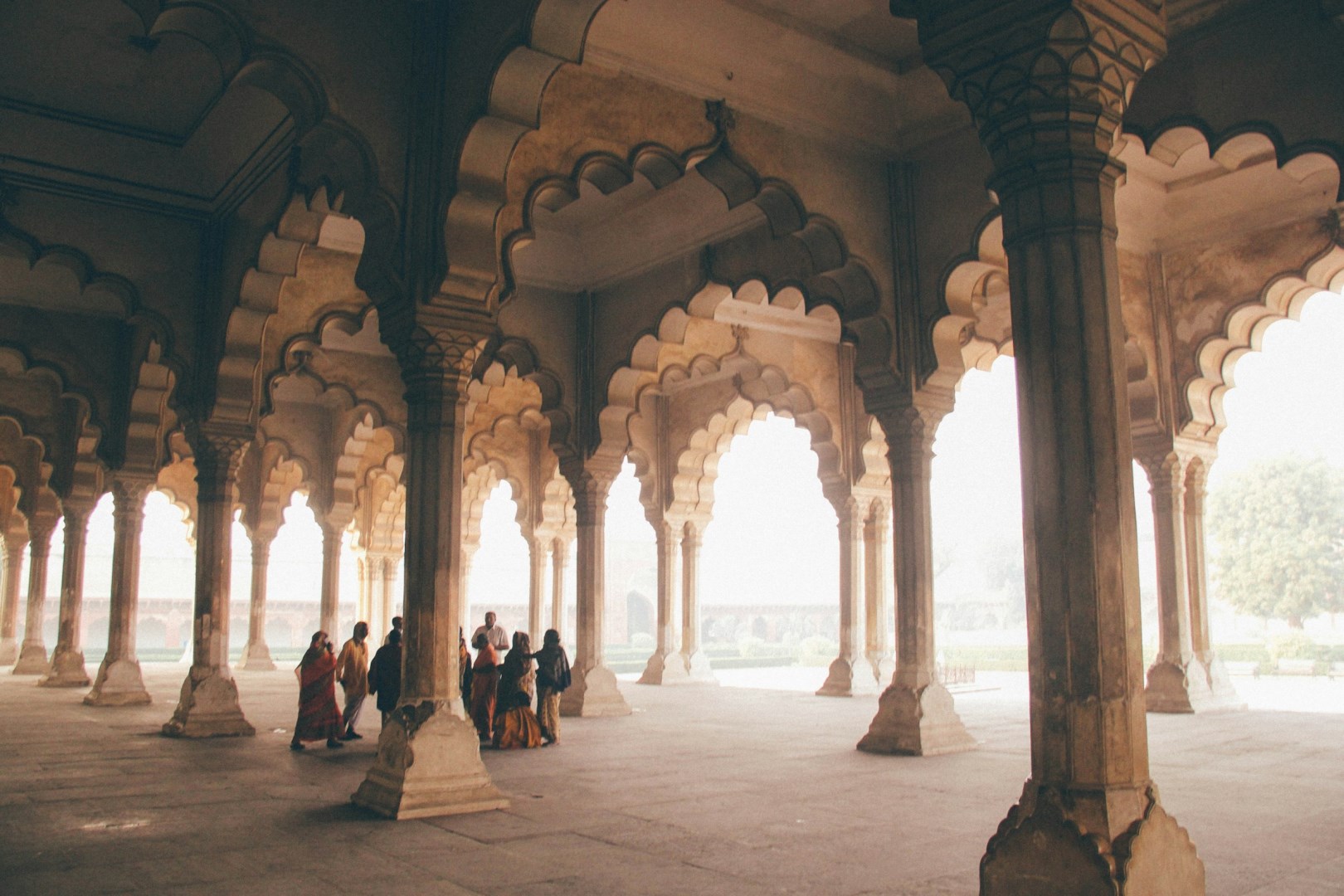
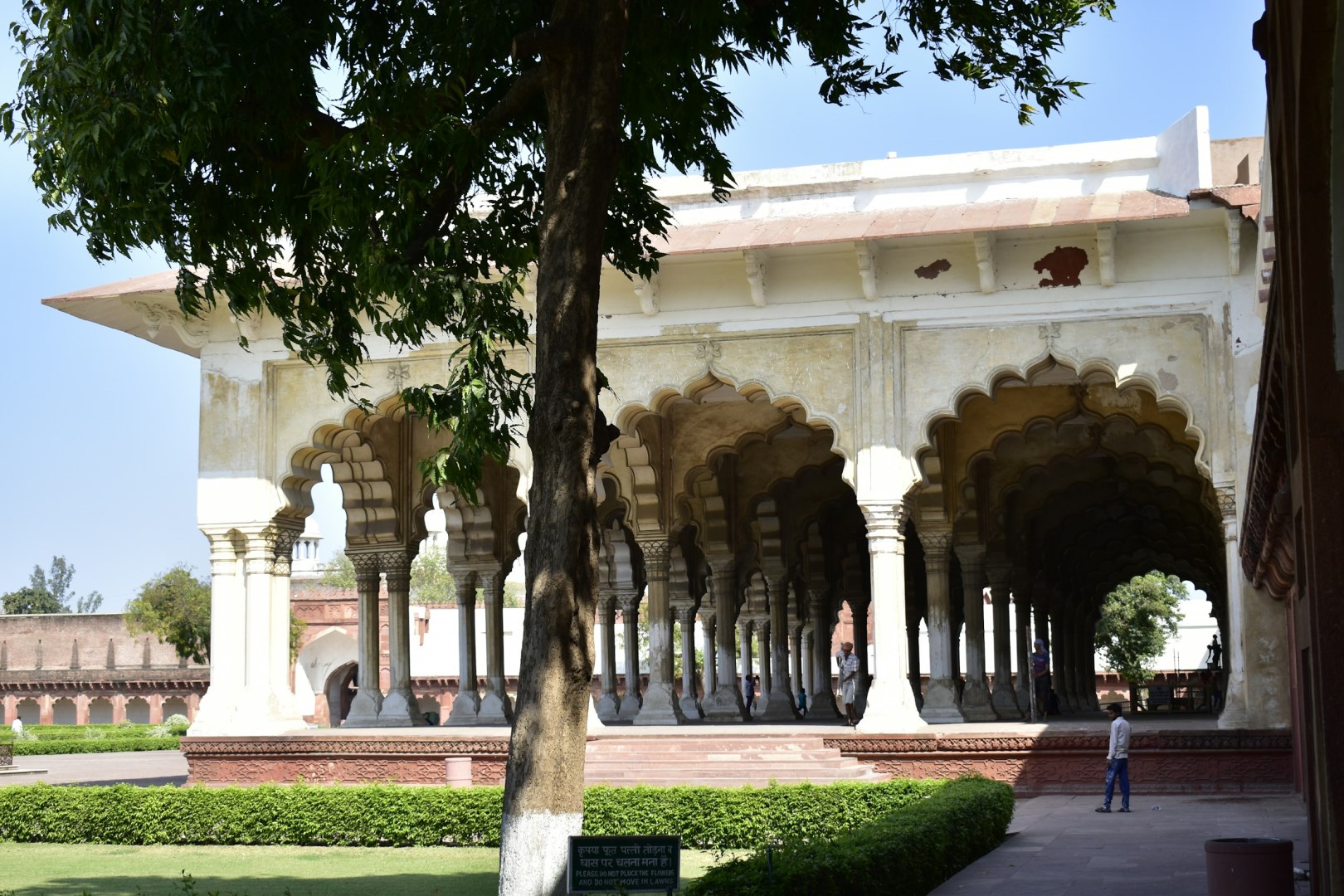
Agra Fort
Photo Credit: Photo by NIKHIL YADAV on Unsplash
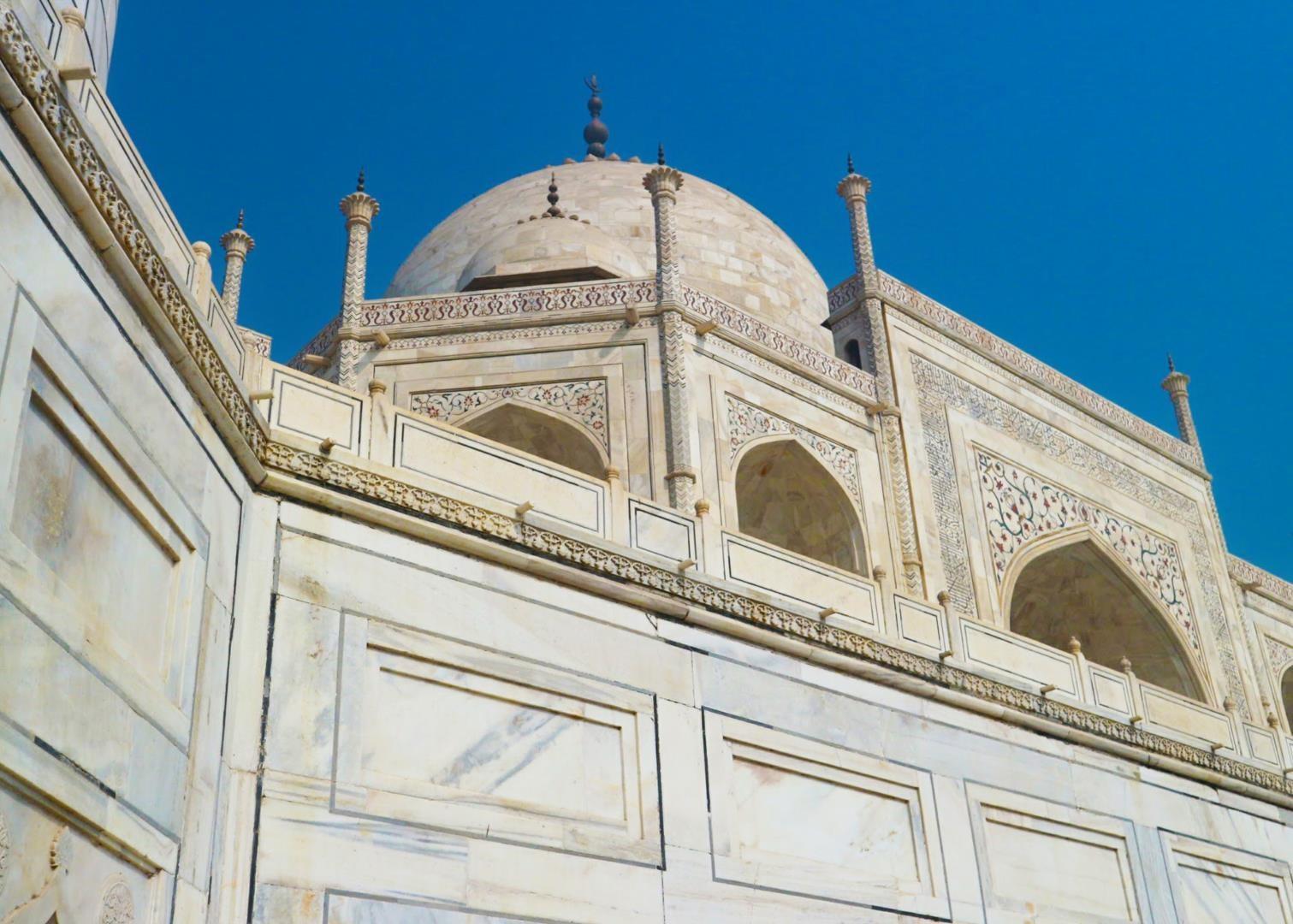
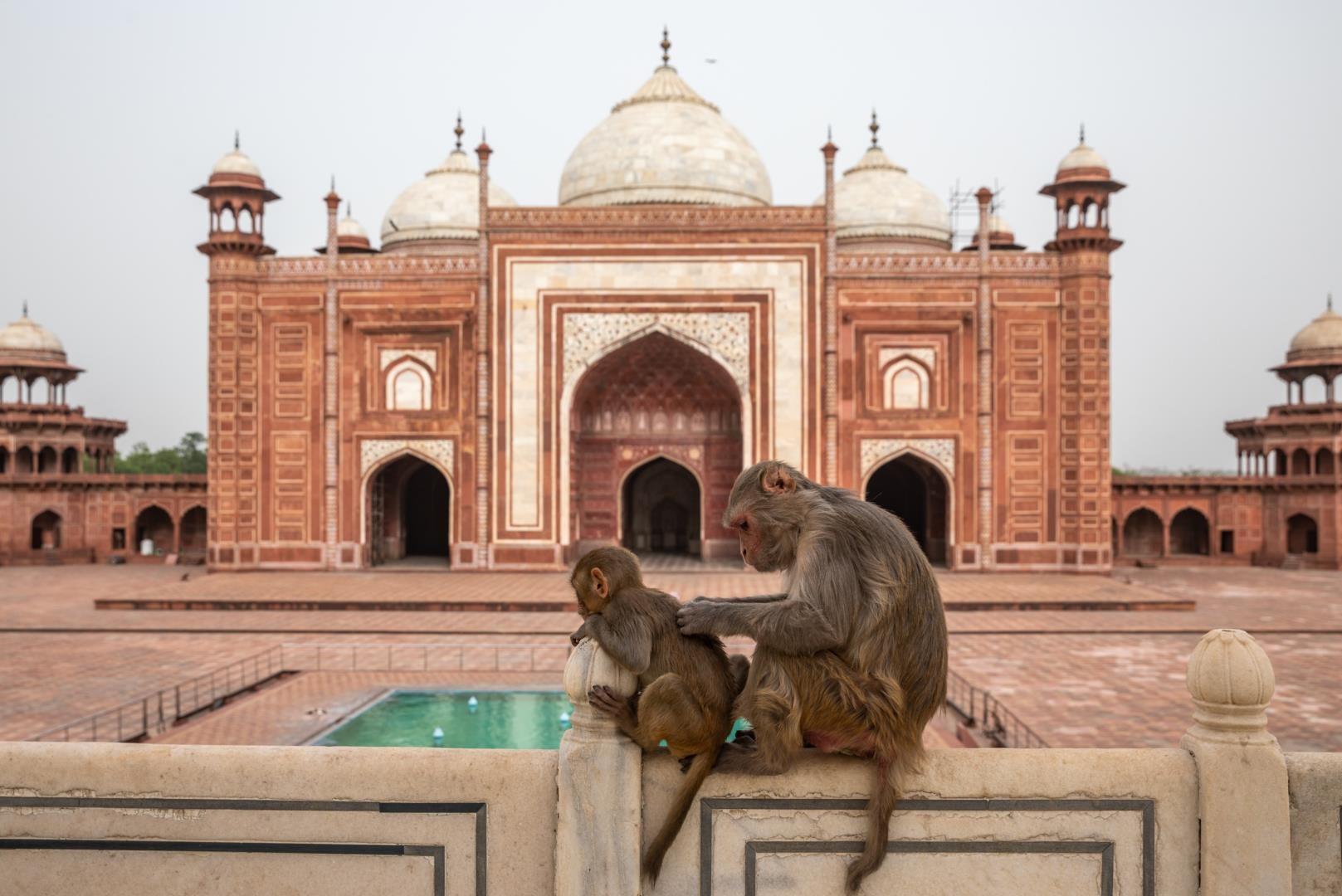
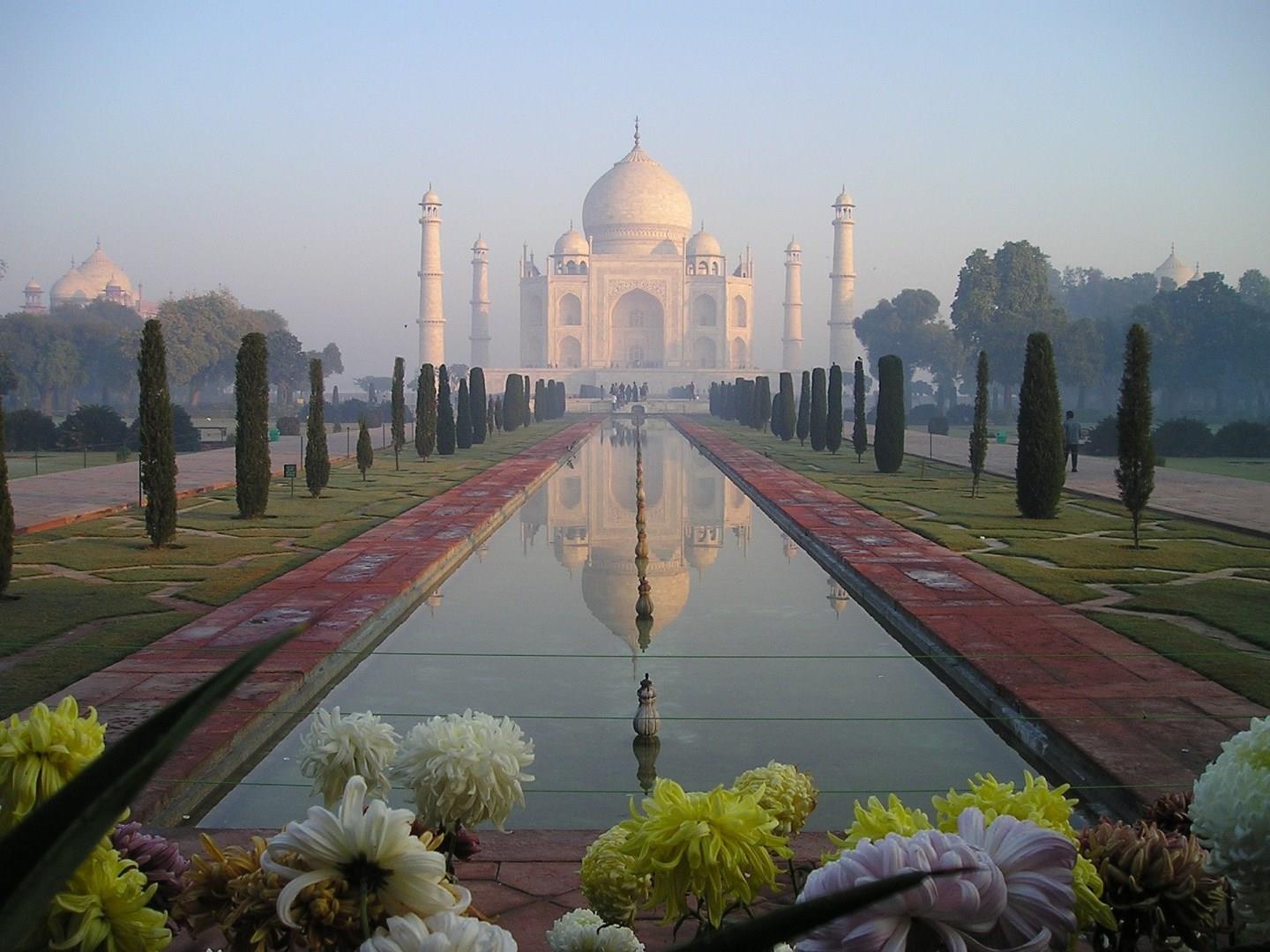
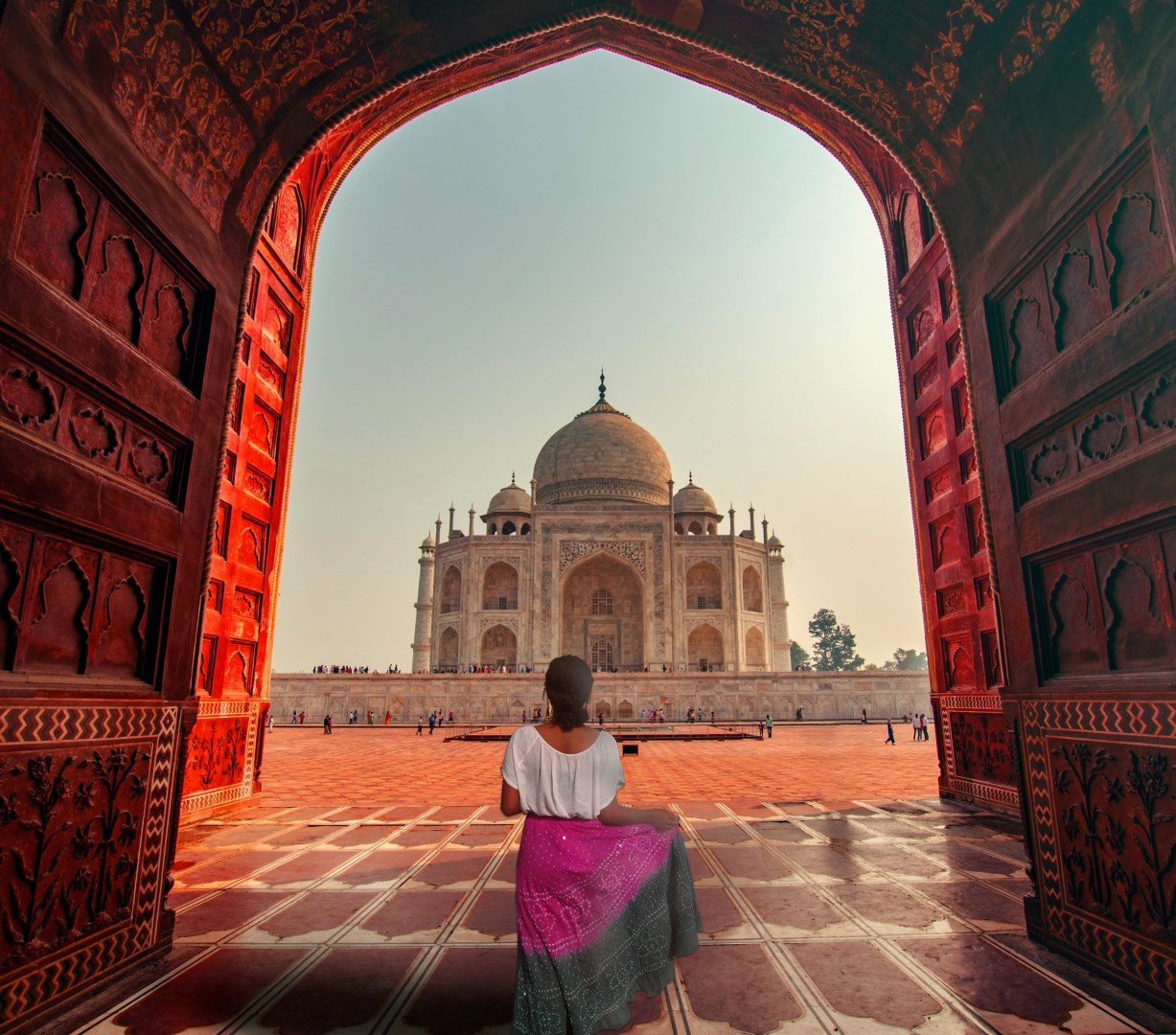
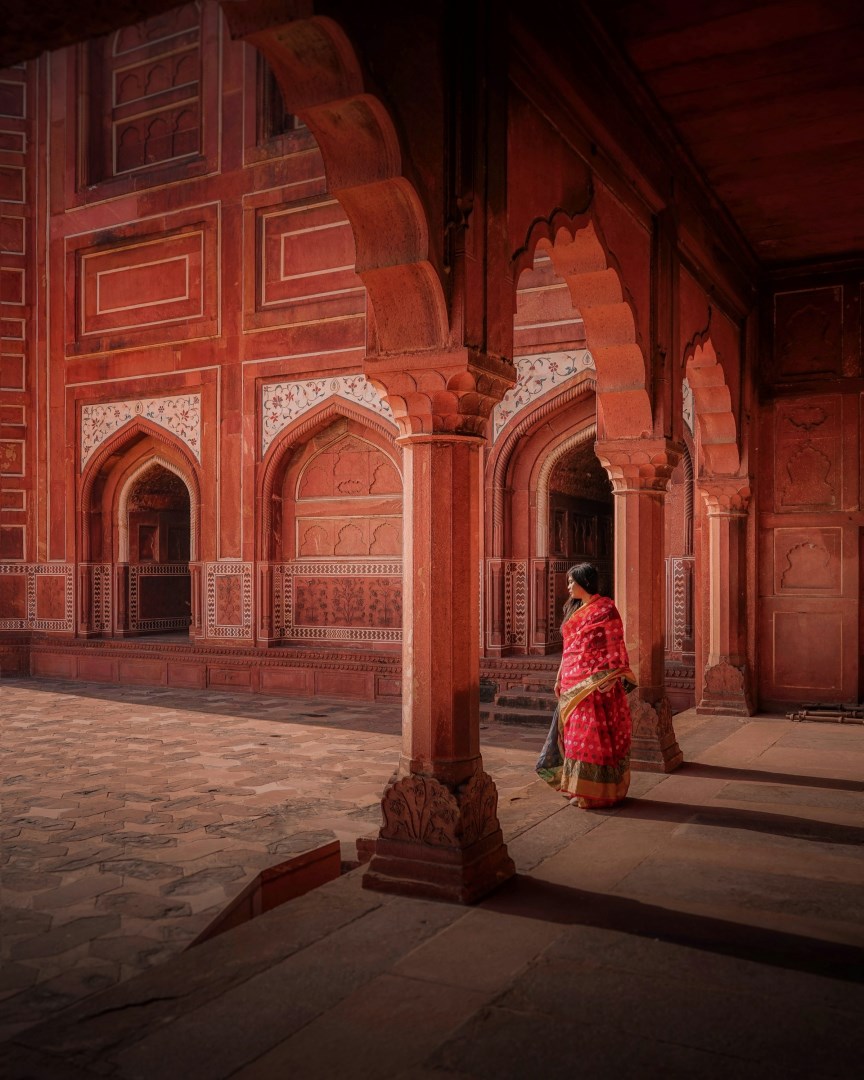
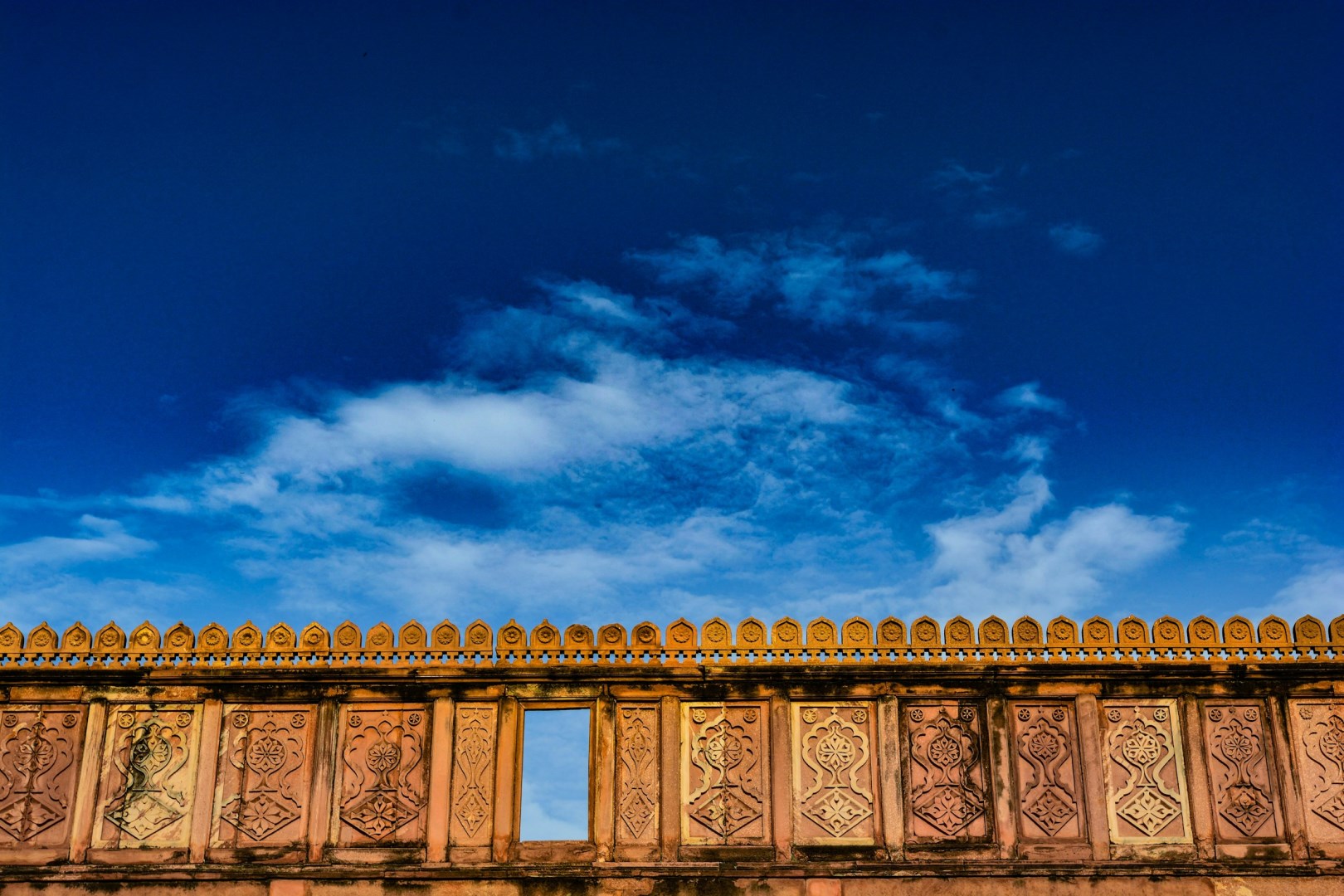
Once the capital of the Mughal Empire, Agra, India is now a cultural capital replete with famous landmarks and striking architecture. Located on the winding banks of the Yamuna River, Agra sits in India’s most populous state, Uttar Pradesh. The city’s most prominent draw is the magnificent Taj Mahal, the iconic white marble mausoleum and a UNESCO World Heritage Site visited by millions of people each year. Built in the 17th century by Emperor Shaj Jahan, the Taj Mahal is a grand testament to the stunning beauty of the Mughal Empire’s Indo-Islamic architecture. Decorated with intricate design, calligraphy, and precious stones, the mausoleum's surroundings include a verdant garden and glittering reflective pool. Agra's other notable sites include Agra Fort and Delhi Gate (both made of striking red sandstone), the Shish Mahal (also known as Glass Palace), Itmad-ud-Daula (affectionately called the “Baby Taj Mahal”), and Aram Bagh (beautiful Persian-style gardens). Agra is a must-see destination for any trip to India!