







Nestled in the Andes Mountains, Cuenca, Ecuador, is a city that seamlessly blends colonial charm, cultural richness, and natural beauty. Known as the “Athens of Ecuador” due to its vibrant intellectual and cultural life, Cuenca's historic center is a UNESCO World Heritage Site that delights visitors with its cobblestone streets, whitewashed buildings, and red-tiled roofs.
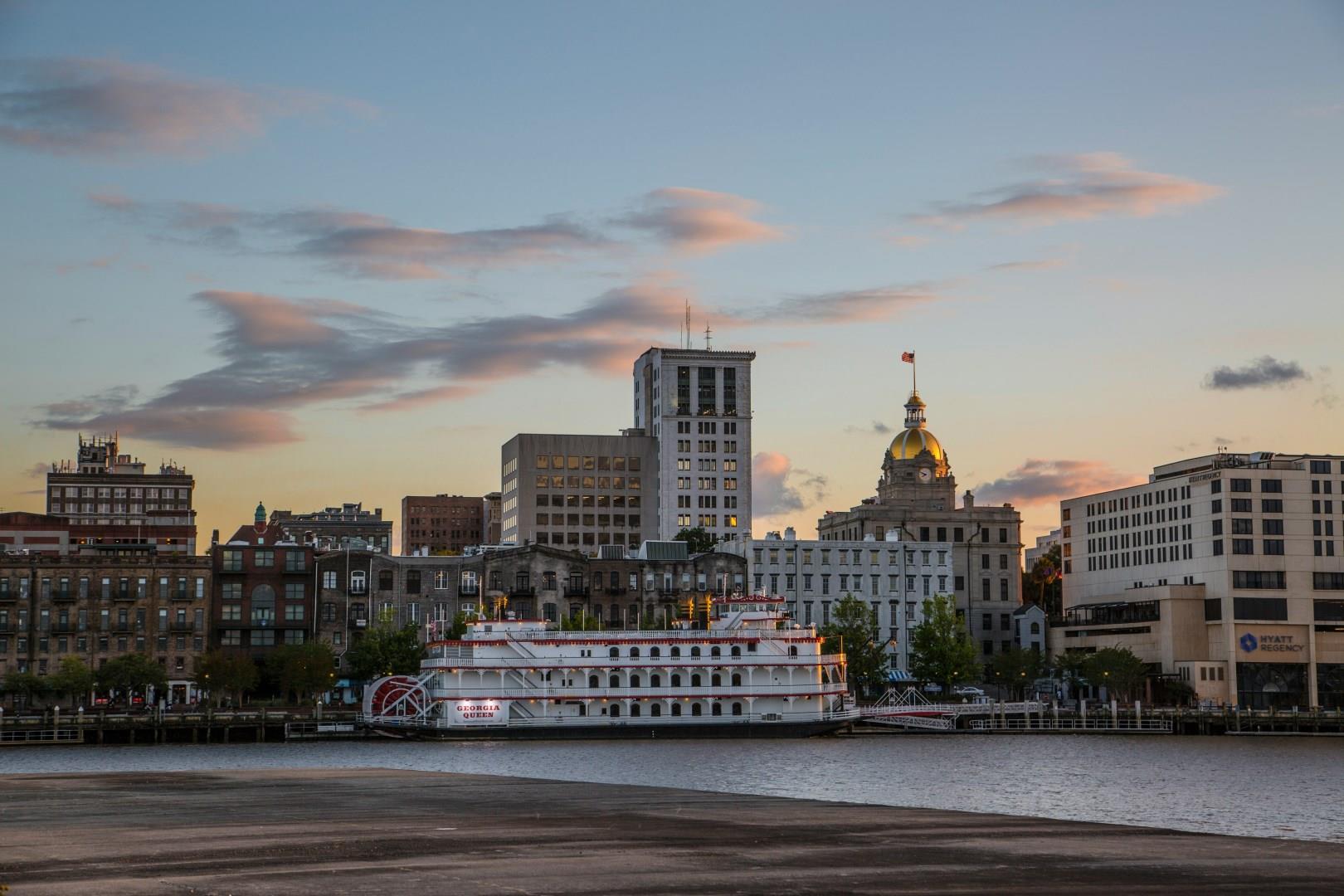
Savannah, Georgia, is a city that moves at its own pace, shaded by moss-draped oaks and shaped by centuries of stories. Founded in 1733, it was Georgia’s first city and still wears its history proudly. Visitors walking through the Historic District will find cobblestone streets, hidden gardens, and 22 public squares, each with its own character.
Whether witnessing the thunderous calving of Dawes Glacier, spotting orcas gliding through the water, or simply taking in the serenity of the fjord, a journey through Endicott Arm is a remarkable encounter with one of Alaska’s most stunning landscapes.
Wilmington, Delaware, offers a dynamic blend of history, culture, and natural beauty, making it a compelling destination for travelers. Situated along the scenic Christina River, Wilmington is home to a variety of attractions that range from historical landmarks to vibrant arts districts. One of the city’s most significant historical sites is the Hagley Museum and Library, which showcases the legacy of the DuPont family and their role in America’s industrial revolution.
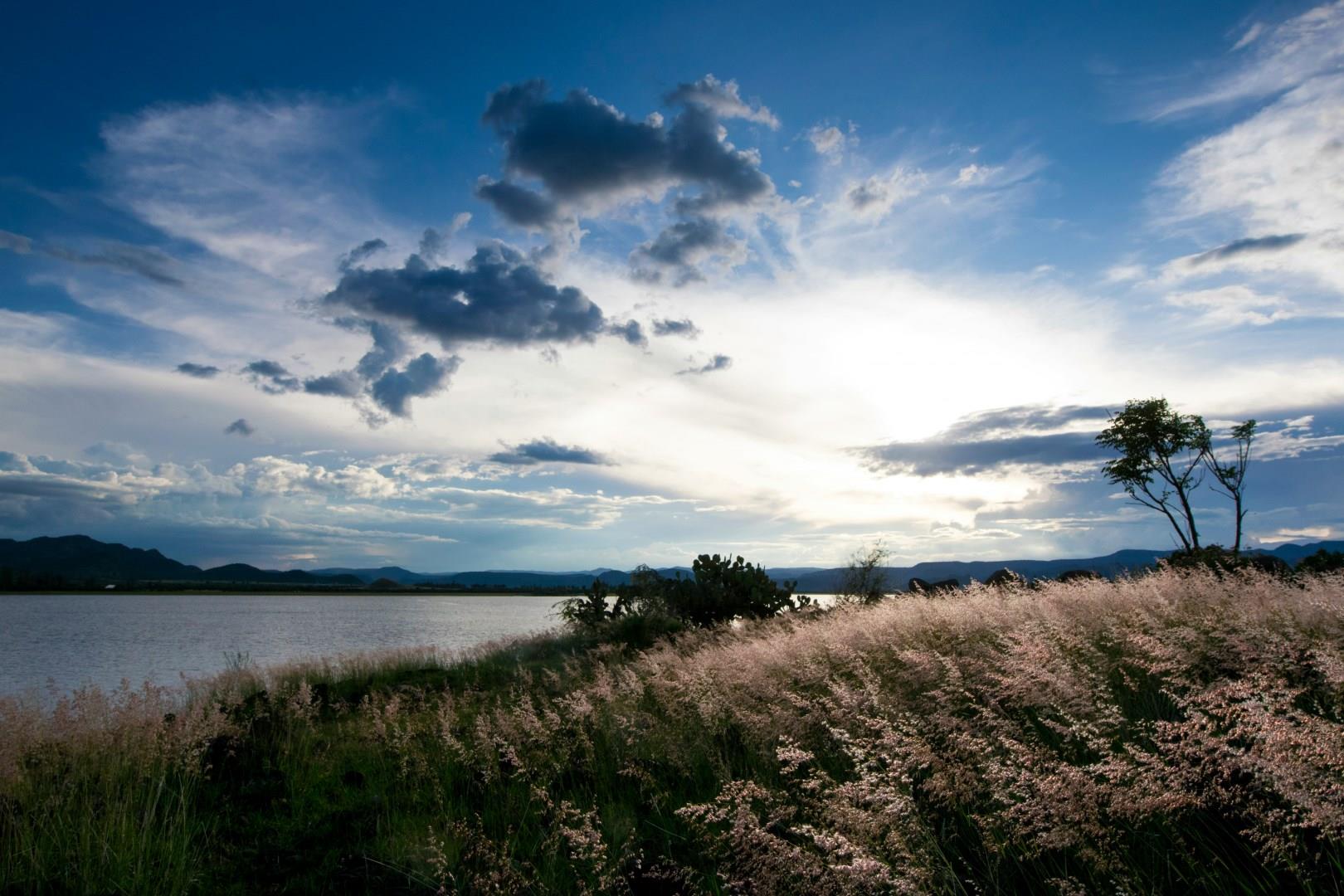
Durango, located in north-central Mexico, is a destination rich in history, dramatic landscapes, and cultural traditions that date back centuries. Once a key outpost during Spanish colonization, Durango played an important role in the development of northern Mexico. The city of Victoria de Durango, the state capital, features cobblestone streets and more than 1,000 officially registered historical structures.
Honolulu, the capital of Hawaiʻi and the largest city in the Pacific, blends the energy of a major urban center with the deep roots of Native Hawaiian culture. Set on the island of Oʻahu, it’s home to iconic beaches, royal history, and a rhythm all its own. This sunny capital city is the main portal to the larger Hawaiian archipelago, and the perfect base for exploring Oahu.
Photo Credit: Photo by Mitchell Ng Liang an on Unsplash
Photo Credit: Photo by Navdeep Singh Panwar on Unsplash
Photo Credit: Photo by Ahmad mansuri alkindii on Unsplash
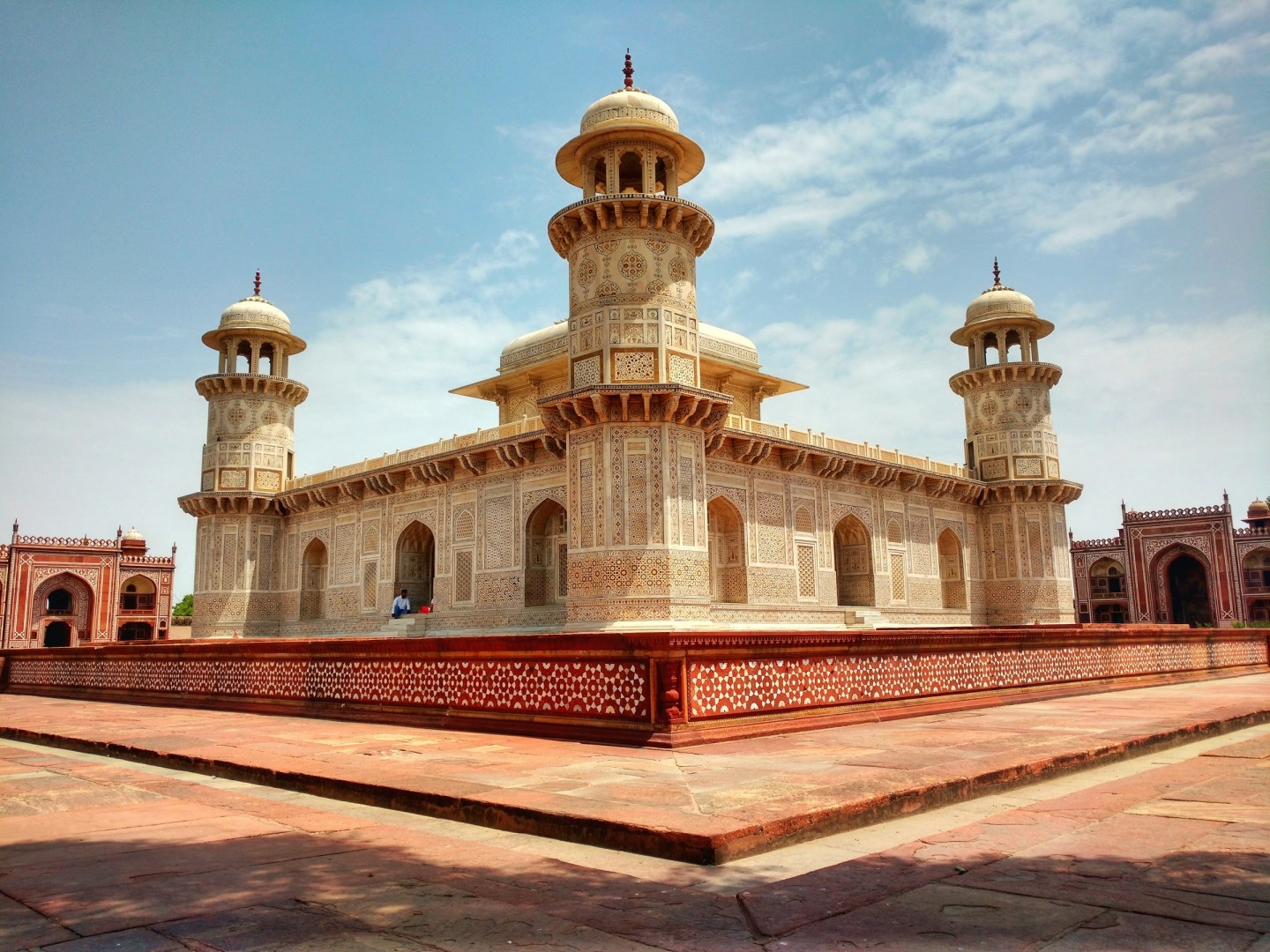
Tomb of I'timād-ud-Daulah
Photo Credit: Photo by Shreshth Gupta on Unsplash
Photo Credit: Photo by Deepak Gupta on Unsplash
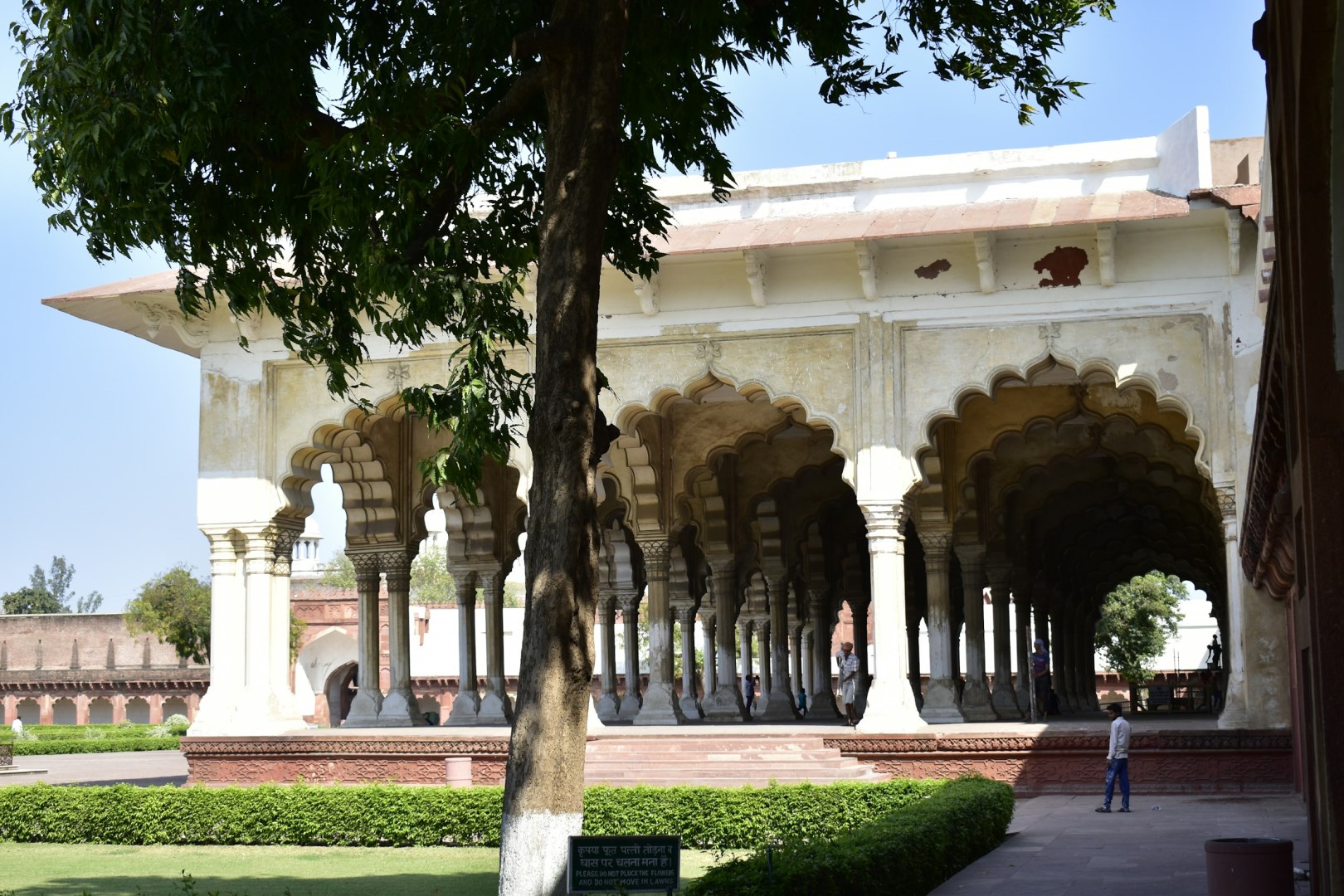
Agra Fort
Photo Credit: Photo by NIKHIL YADAV on Unsplash
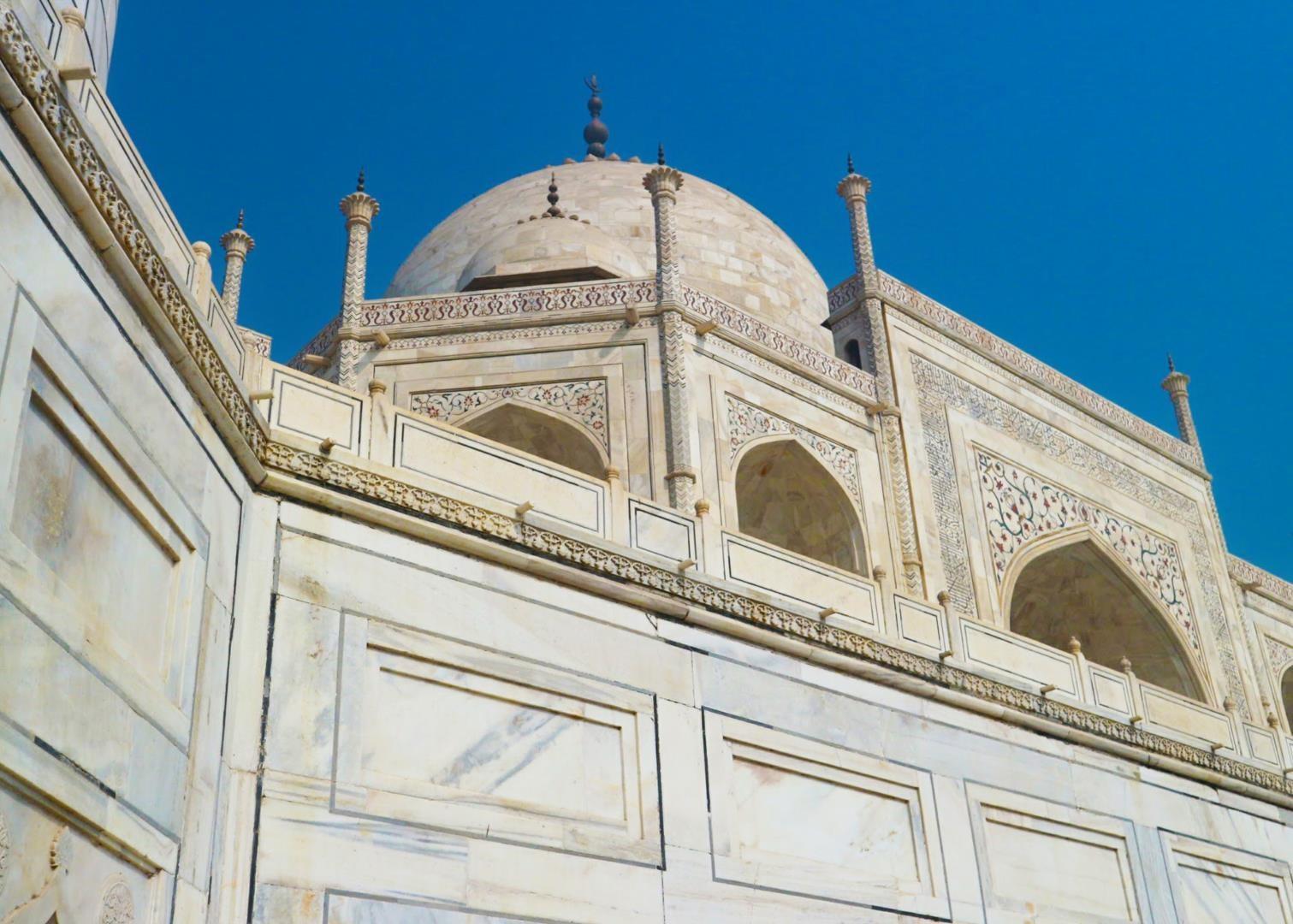
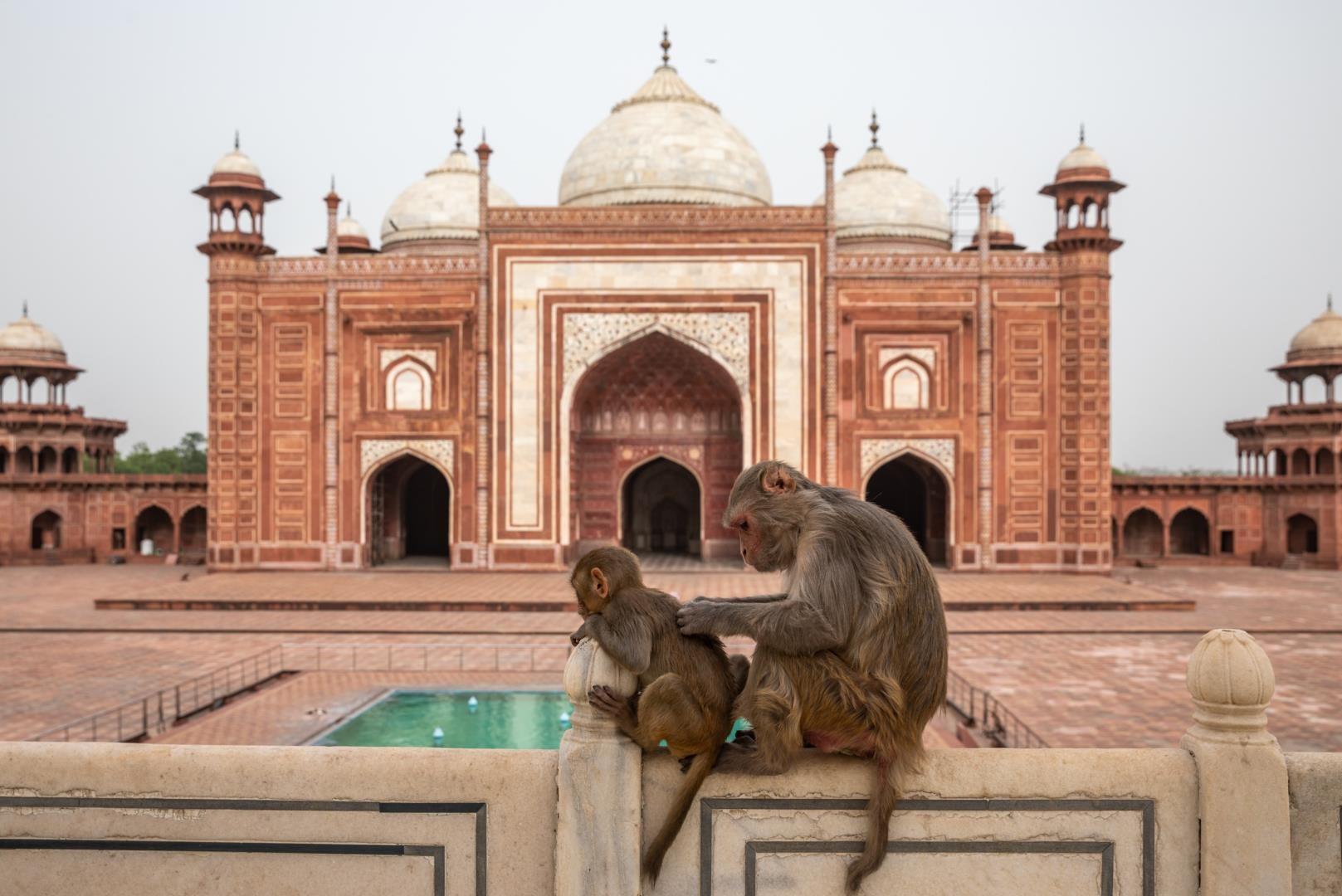
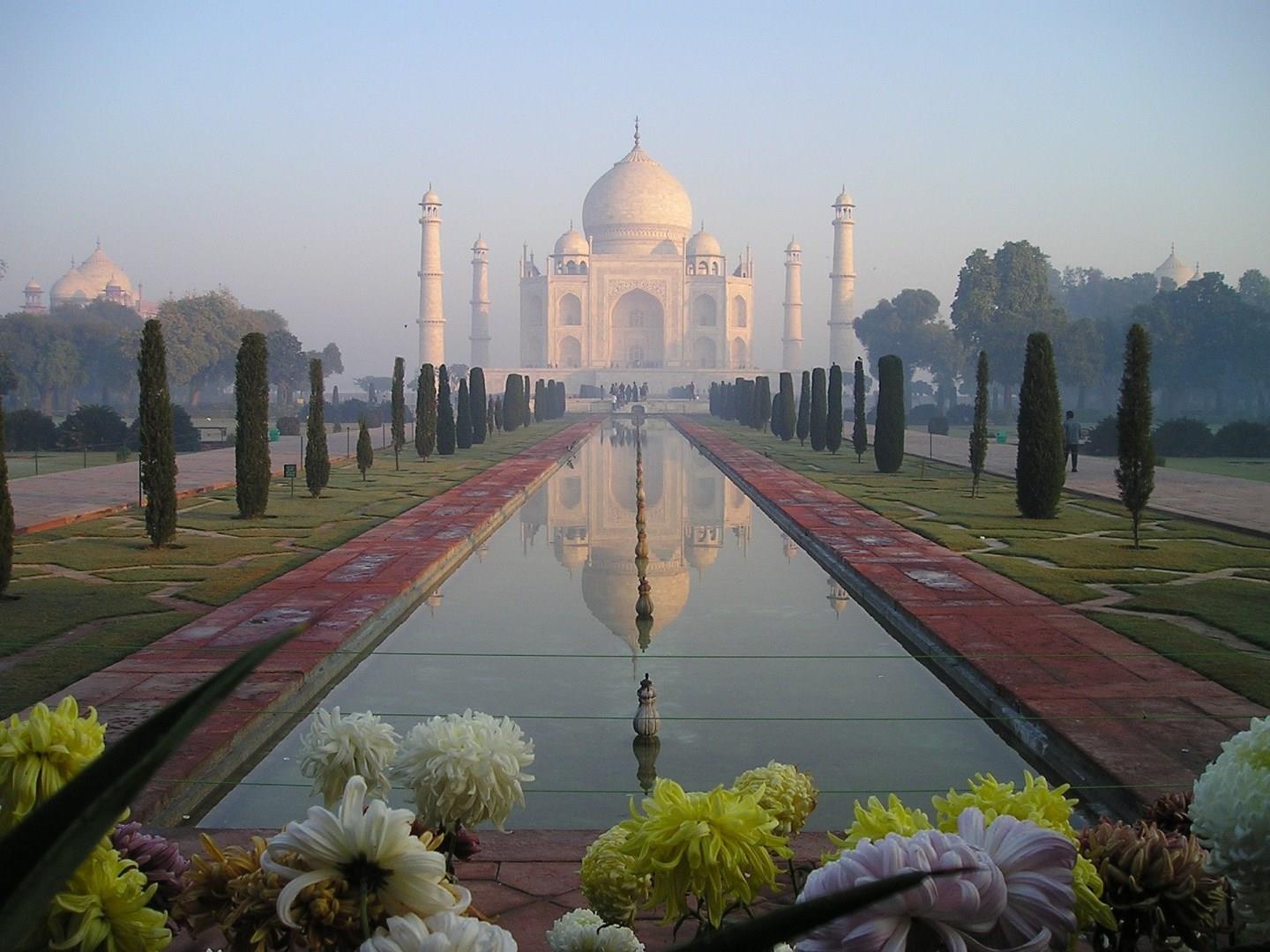
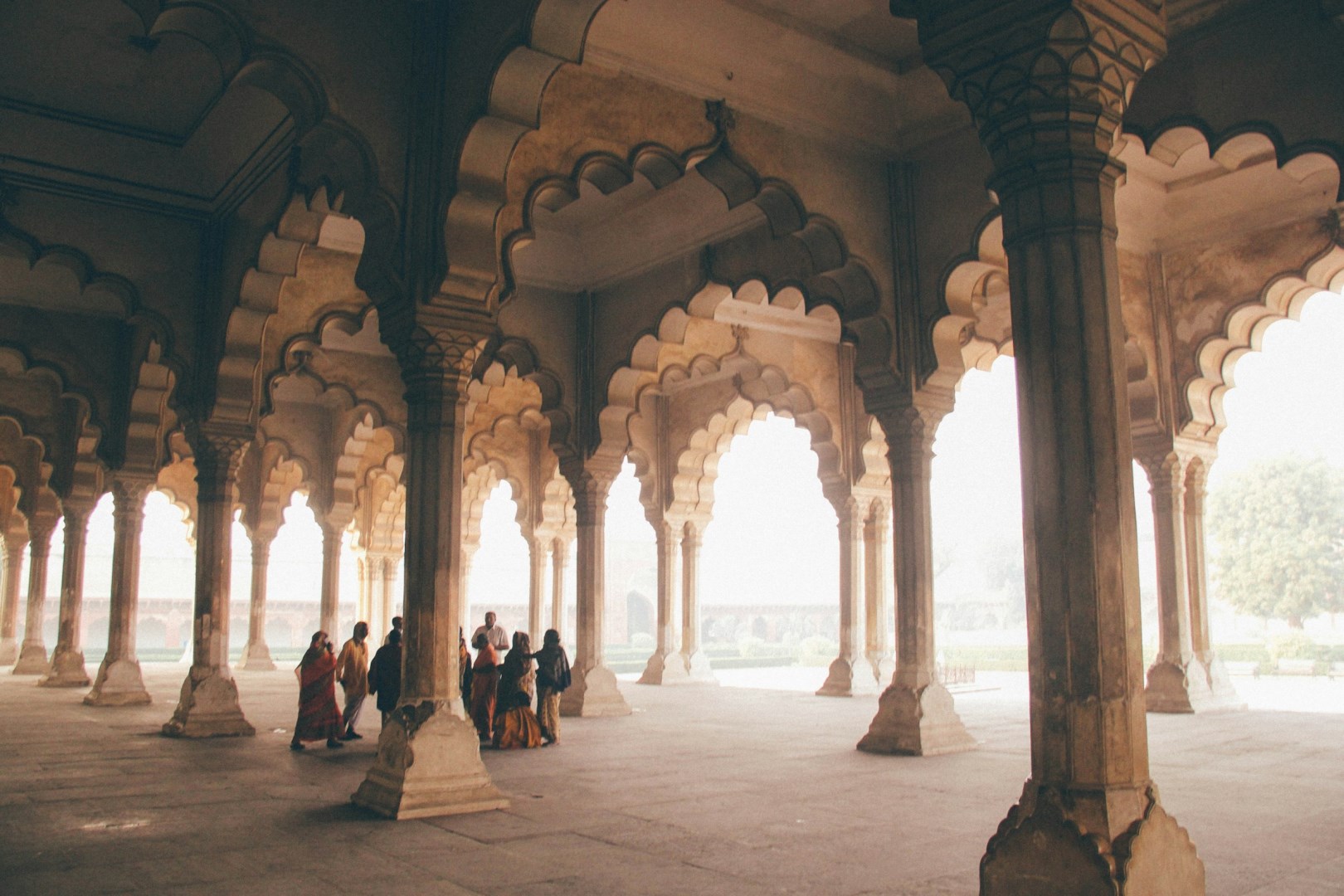
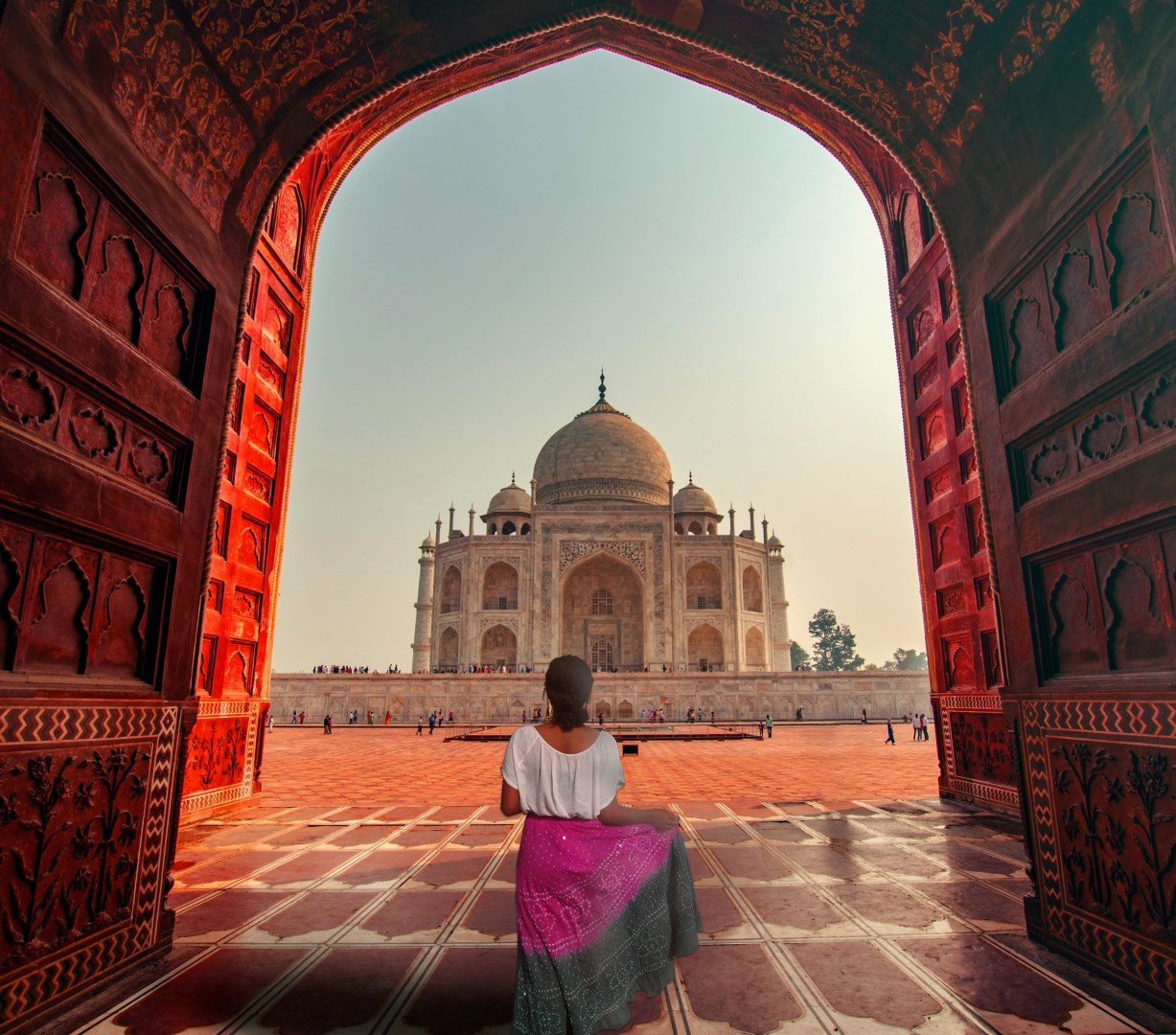
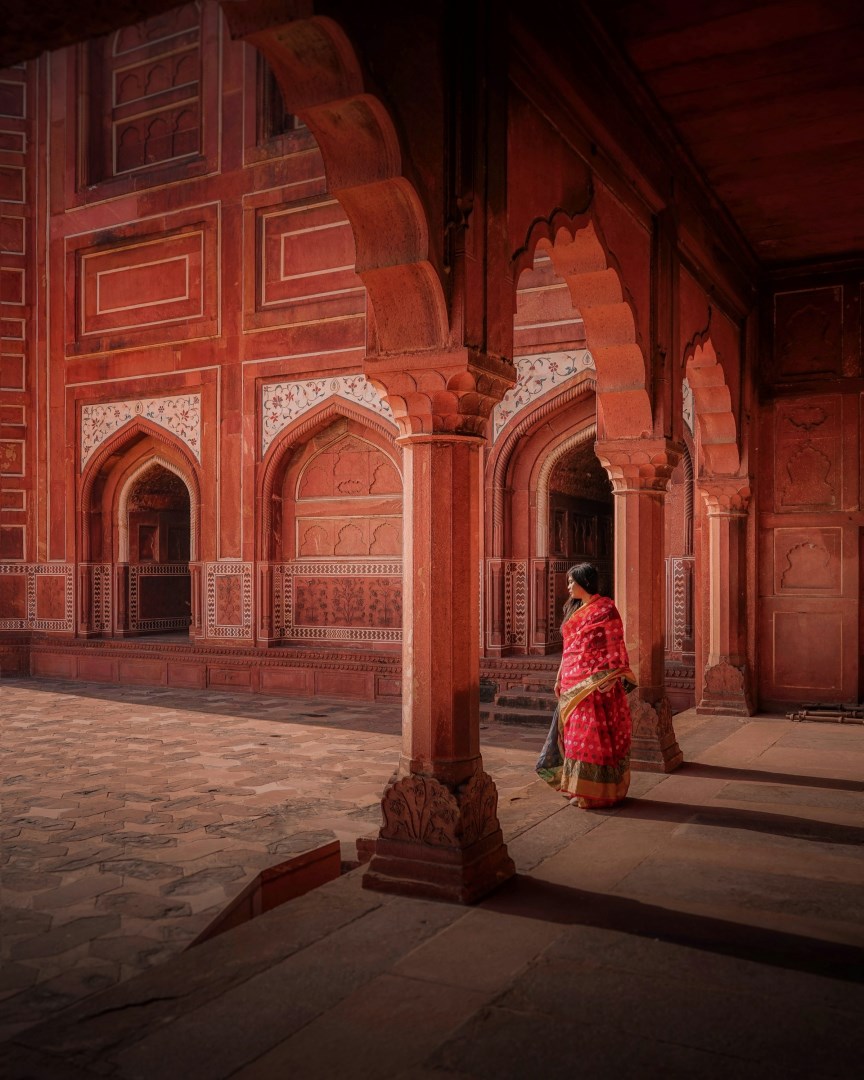
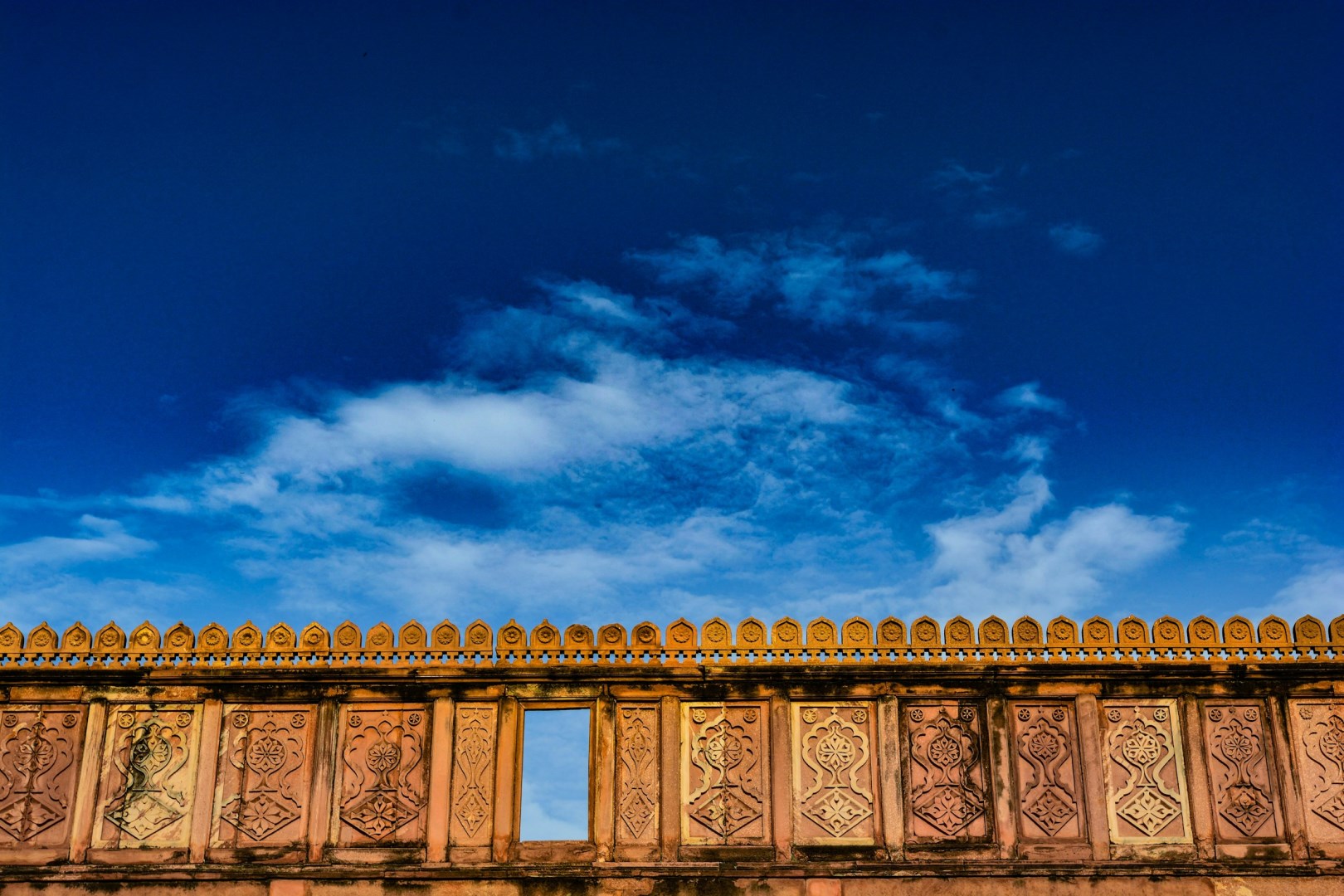
Once the capital of the Mughal Empire, Agra, India is now a cultural capital replete with famous landmarks and striking architecture. Located on the winding banks of the Yamuna River, Agra sits in India’s most populous state, Uttar Pradesh. The city’s most prominent draw is the magnificent Taj Mahal, the iconic white marble mausoleum and a UNESCO World Heritage Site visited by millions of people each year. Built in the 17th century by Emperor Shaj Jahan, the Taj Mahal is a grand testament to the stunning beauty of the Mughal Empire’s Indo-Islamic architecture. Decorated with intricate design, calligraphy, and precious stones, the mausoleum's surroundings include a verdant garden and glittering reflective pool. Agra's other notable sites include Agra Fort and Delhi Gate (both made of striking red sandstone), the Shish Mahal (also known as Glass Palace), Itmad-ud-Daula (affectionately called the “Baby Taj Mahal”), and Aram Bagh (beautiful Persian-style gardens). Agra is a must-see destination for any trip to India!