



Canyonlands National Park, located in southeastern Utah, offers an awe-inspiring landscape of deep canyons, rugged mesas, and striking rock formations. This vast park is divided into four districts: Island in the Sky, the Needles, the Maze, and the Rivers. Each district showcases its own unique geological features and breathtaking vistas. The Island in the Sky district provides panoramic views from its high mesa, including breathtaking vistas of the Colorado and Green Rivers.
Tirana, the lively capital of Albania, is a city that blends historical charm with modern vibrancy. At the heart of its transformation is Skanderbeg Square, a bustling hub named after the national hero Gjergj Kastrioti Skanderbeg.
San Nicolas, known as Aruba’s “Sunrise City,” offers a completely different vibe from the island’s resort-heavy northwest coast. Located at the southeastern tip, this former oil refinery town has reinvented itself as the cultural heart of Aruba, filled with vibrant street art, local galleries, and a strong sense of community.
Nuevo Vallarta, located along the Bahía de Banderas in the state of Nayarit, is a coastal destination known for its wide, sandy beaches and marina-lined canals. Originally developed as a tourism project in the late 20th century, it has grown into a well-organized resort area with luxury hotels, golf courses, and waterfront condos. Unlike older beach towns with colonial roots, Nuevo Vallarta was designed from the start to offer modern comfort while being surrounded by natural landscapes.
Bar, a coastal town in Montenegro, is known for its scenic beaches and centuries-old landmarks. One of the town’s most significant historical sites is Stari Bar, an ancient fortress settlement set against the dramatic backdrop of Mount Rumija.
Majestic Victoria Falls, a waterfall of gargantuan proportions, sits atop the Zambezi River in Zimbabwe. This cascading natural wonder is the main attraction for Victoria Falls National Park and the local town of Victoria Falls to its west
Photo Credit: Photo by William Carletti on Unsplash
Photo Credit: Photo by Daniel Costa on Unsplash
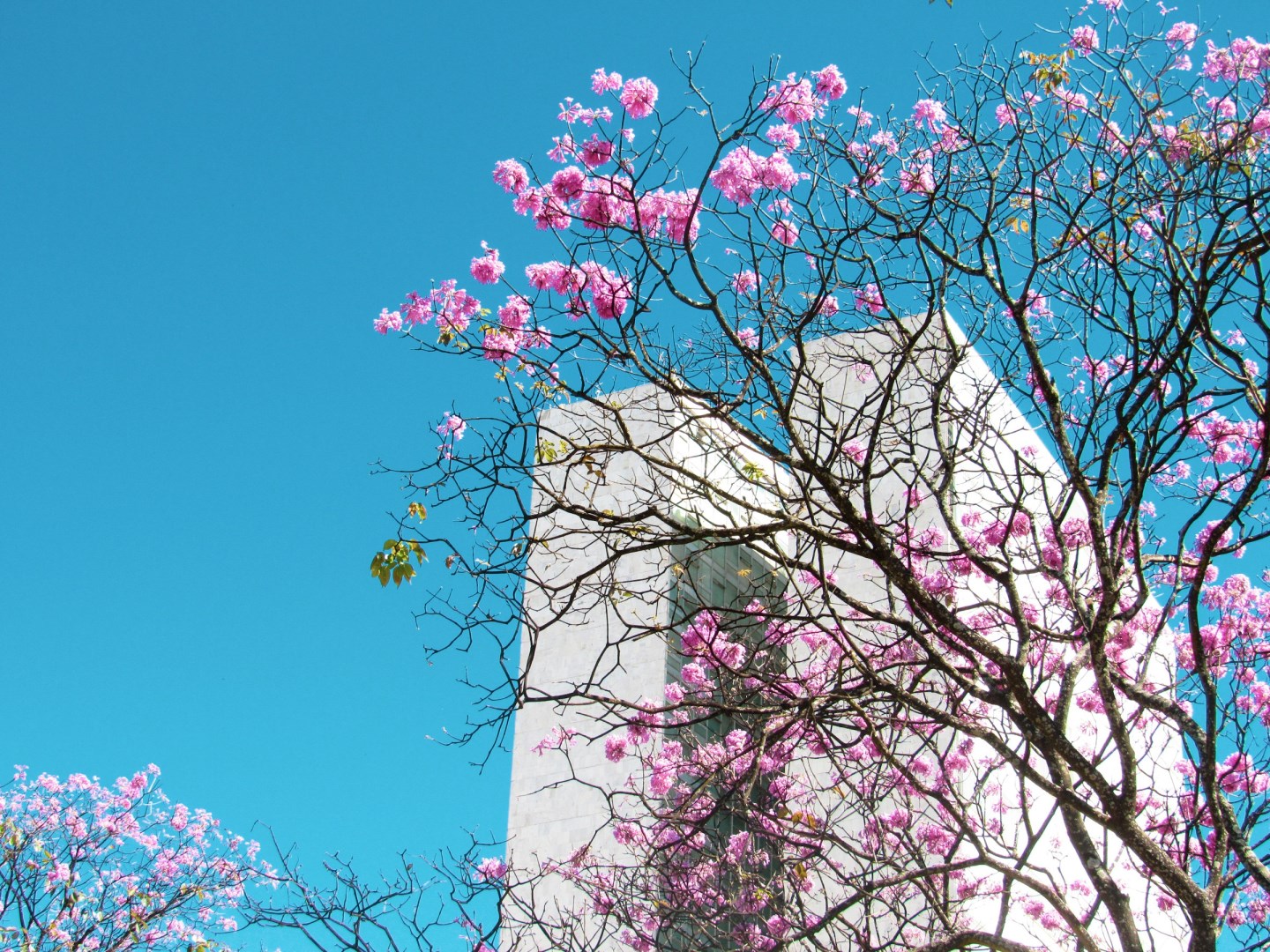
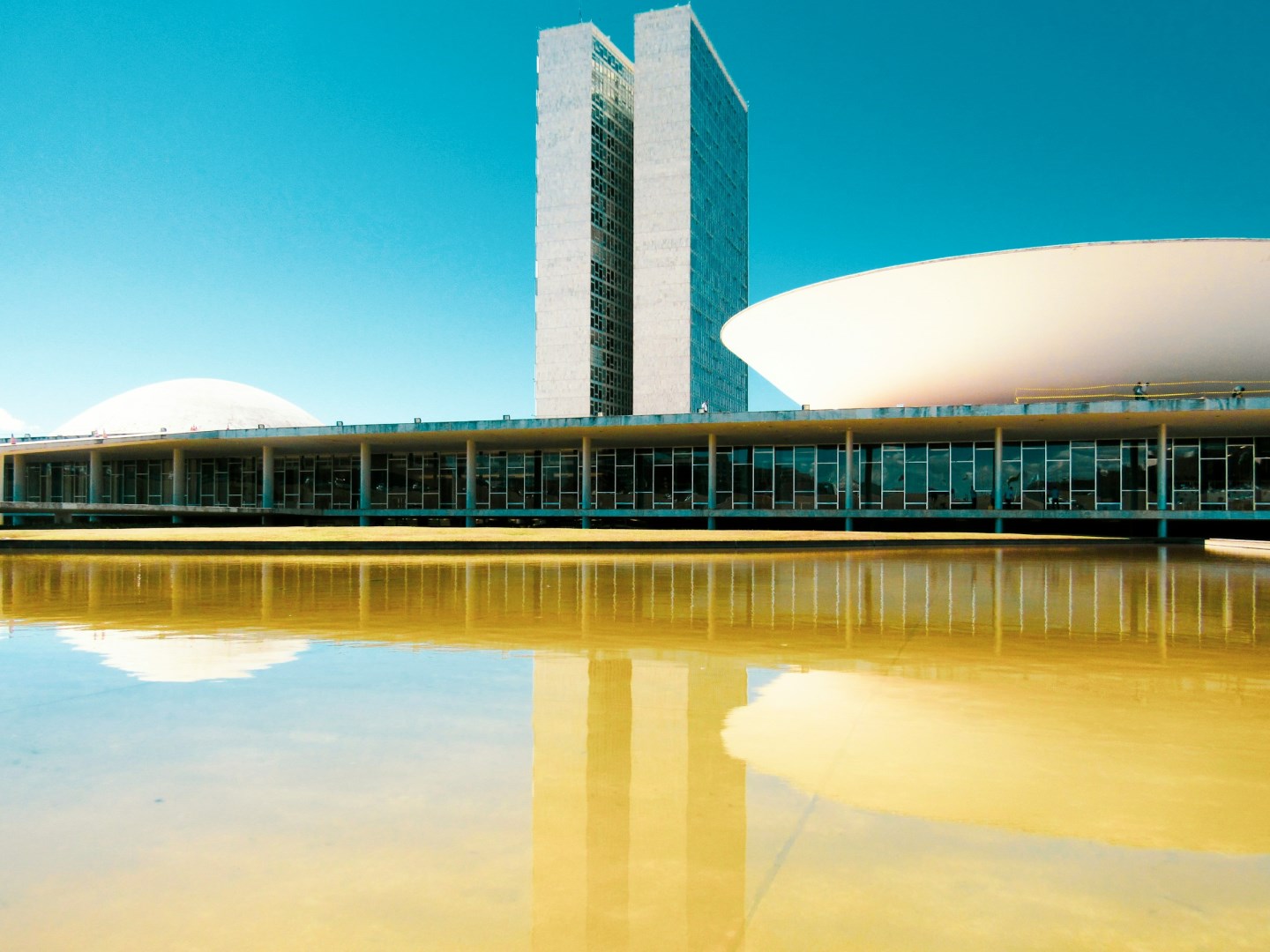
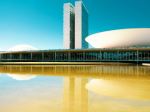
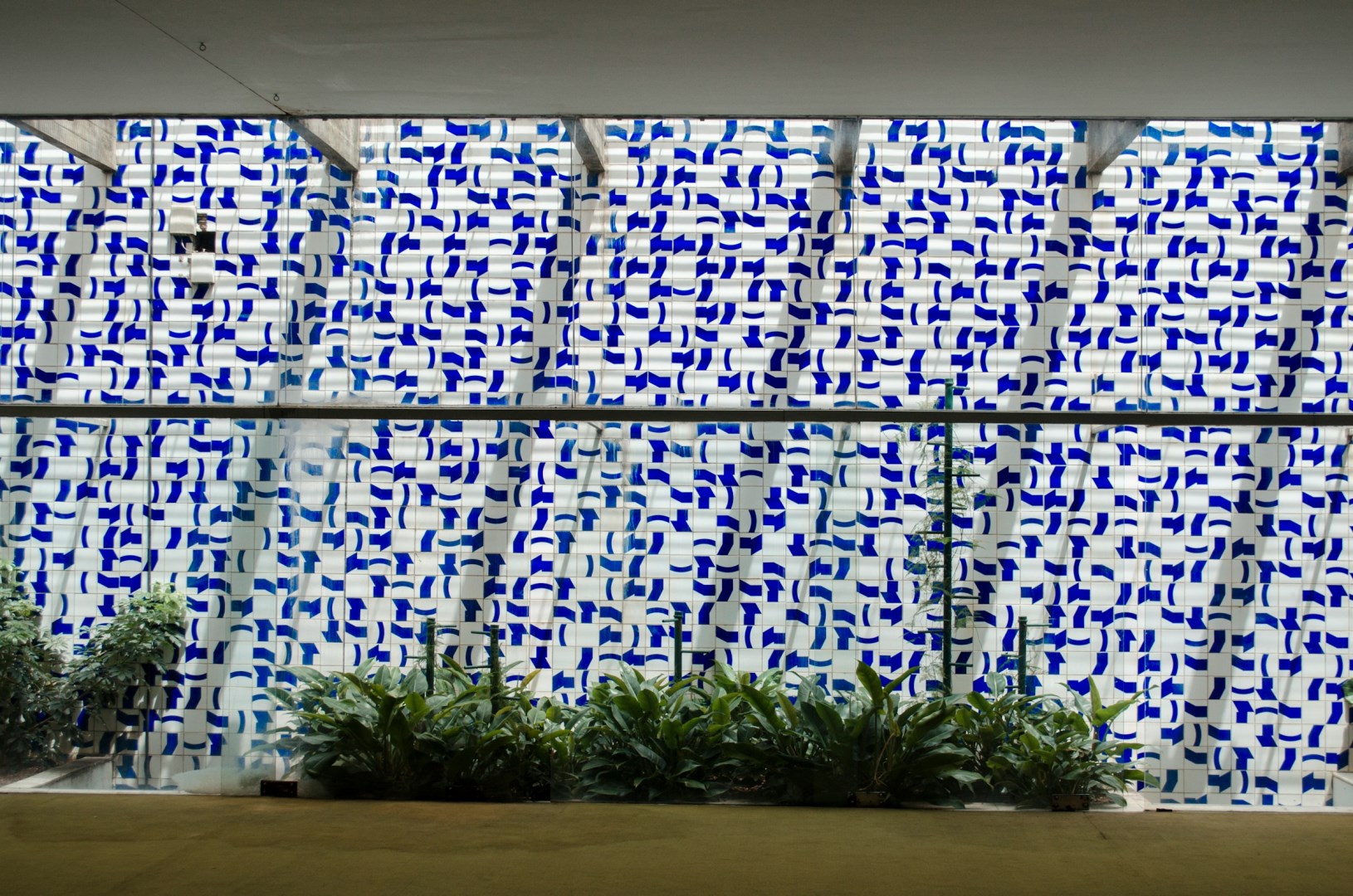
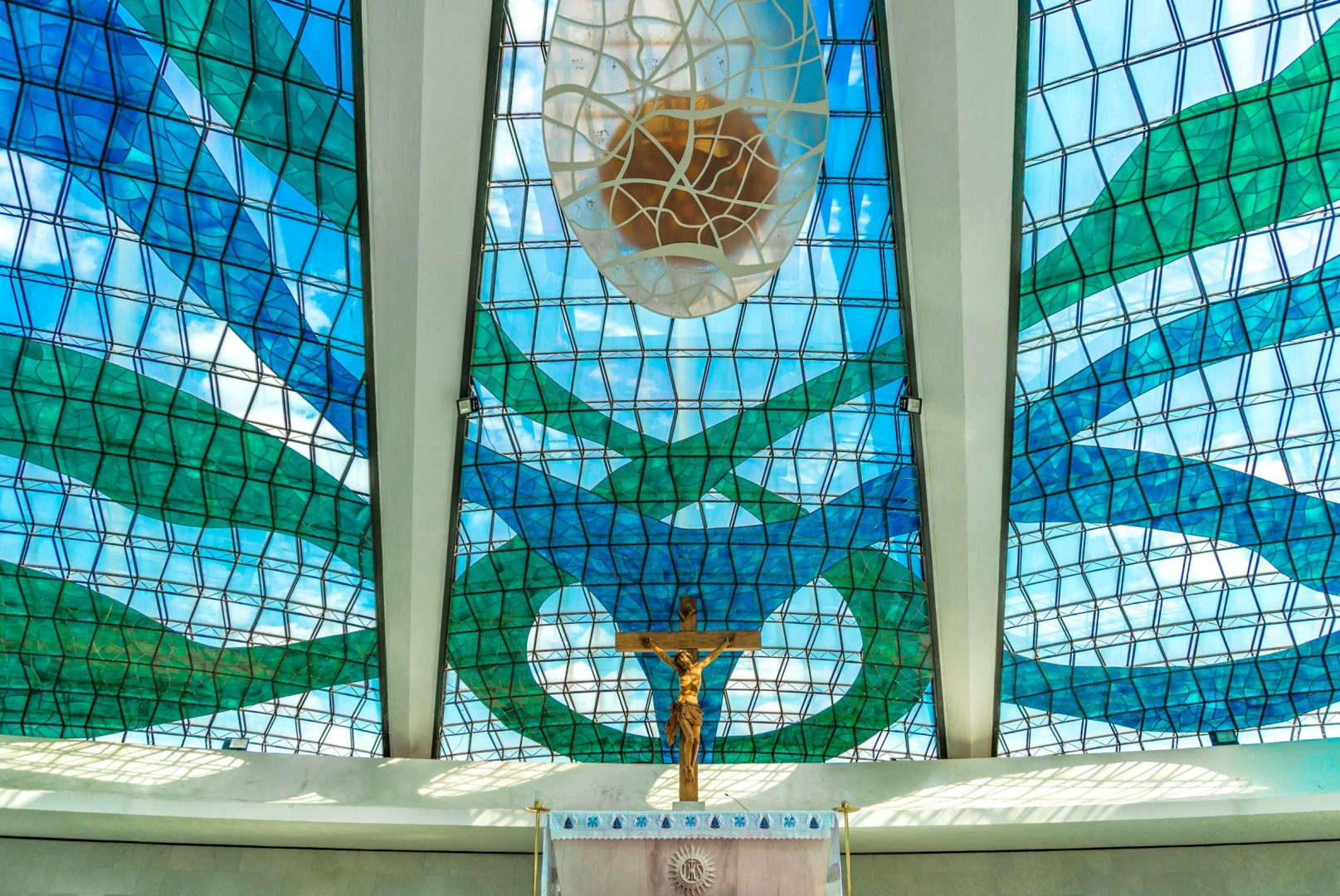
Brasília may be a World Heritage Site, but it is only of interest to town planning and architecture students, and those keen to witness the folly of man on a metropolitan scale. It must have looked good on paper, and still looks good in photos, but in the flesh, forget it. Designed by architect Oscar Niemeyer, urban planner Lucio Costa, and landscape architect Burle Marx, the city was built in an incredible three years between 1957 and 1960. Unfortunately, the world's most ambitious planned city is designed for automobiles and air-conditioners, not people. Distances are enormous and no-one walks; the sun blazes and there are few trees for shelter. Bureaucrats and politicians are lured to Brasília by 100% salary hikes and big apartments, but as soon as the weekend comes they jet to Rio or São Paulo - anywhere less sterile. The poor, who work in the construction and service industries, were not part of the plan for an inland capital and live in favelas up to 30km outside the city, called 'anti-Brasílias'.