
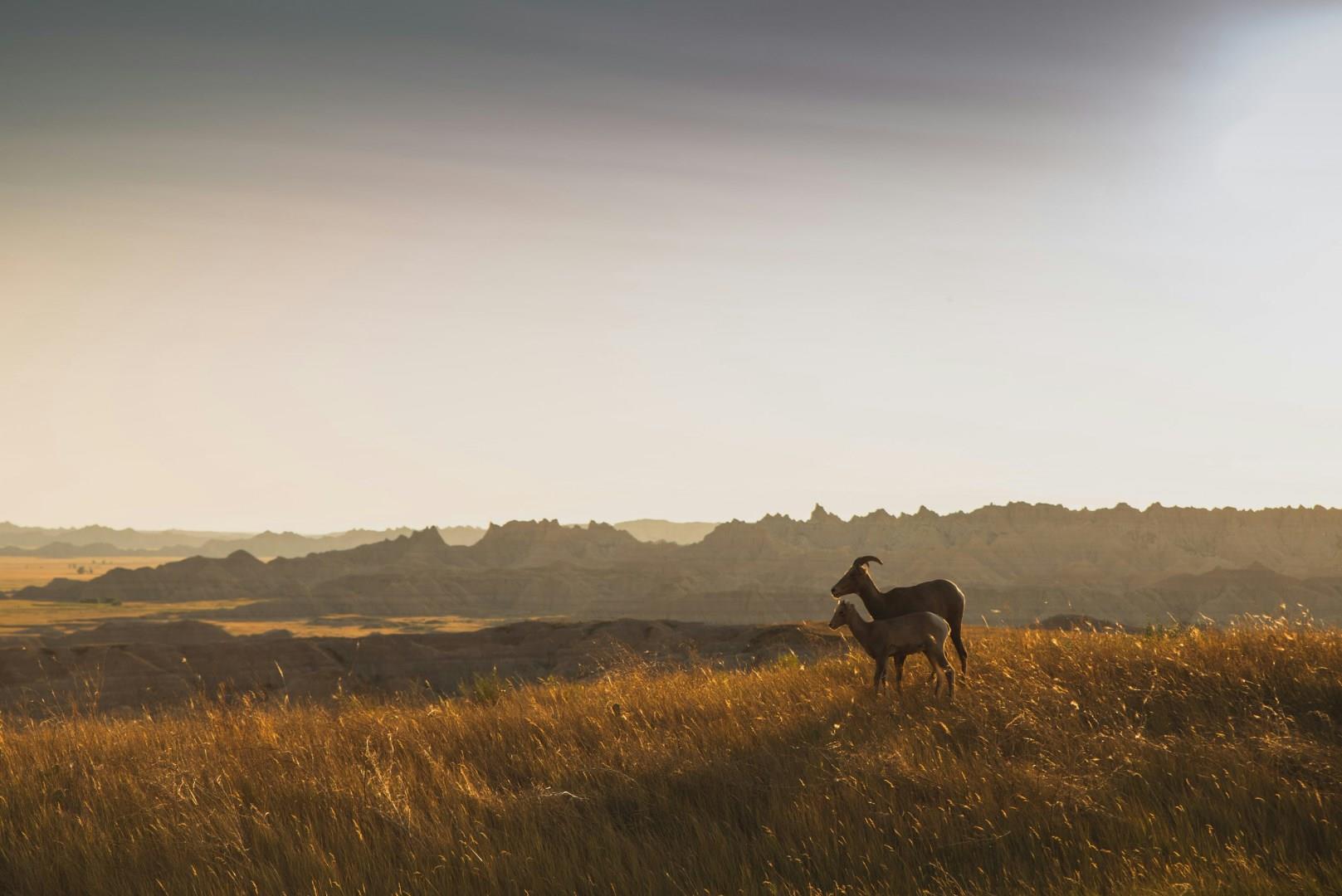

Badlands National Park stretches across southwestern South Dakota, where layered rock formations and sharply eroded spires reveal nearly 75 million years of geological history. The park’s banded cliffs and pinnacles were shaped by wind and water, exposing ancient seabeds and fossil-rich layers that have made the area one of North America’s most important paleontological sites.
Formerly Mocamedes, this port in southwest Angola has become an important industrial center since a rail line was built in 1905 connecting it with the interior of Angola. In 1967 when iron ore was discovered in Dongo, an additional line was laid and the port was enlarged.
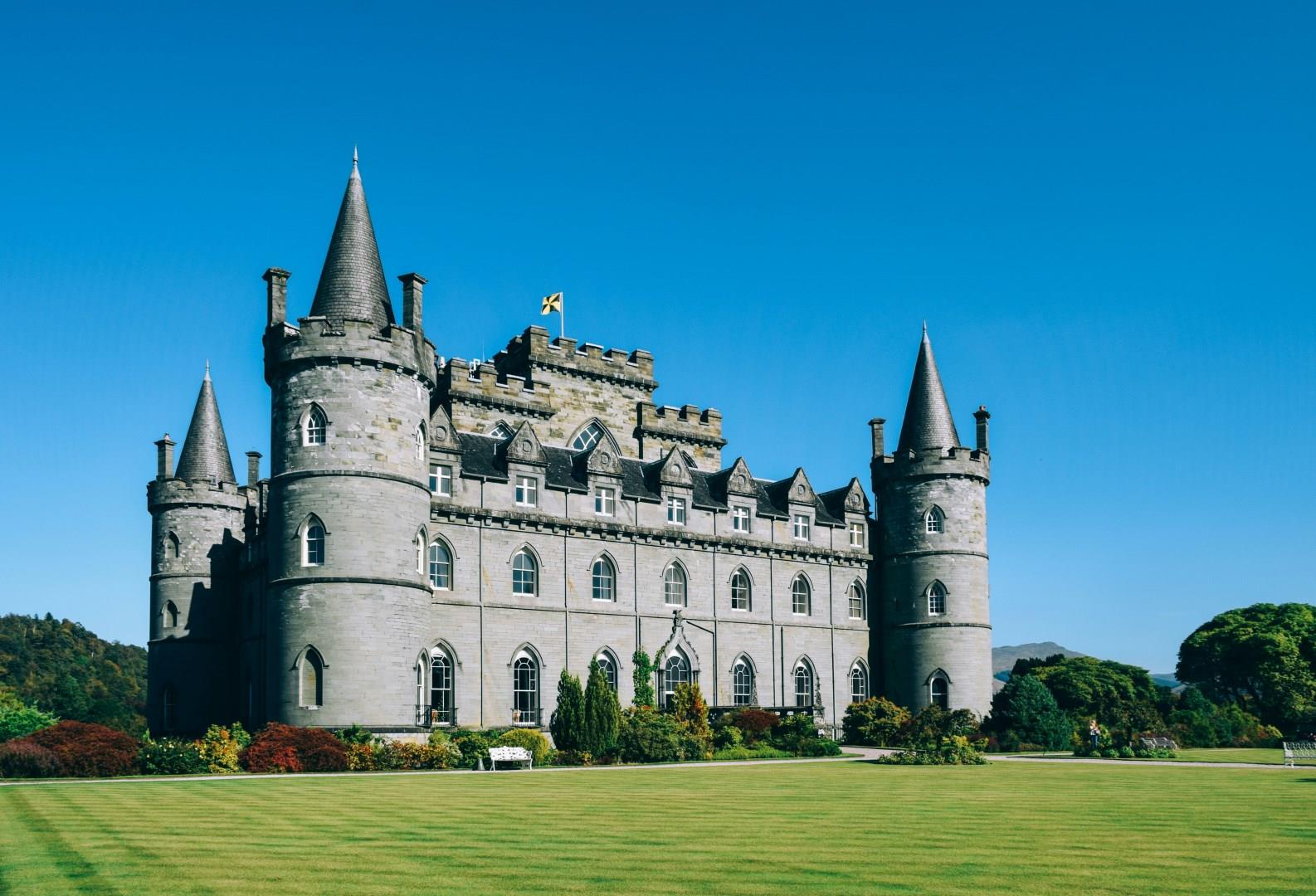
Inveraray, a small town on the western shore of Loch Fyne in Argyll and Bute, Scotland, offers visitors a glimpse into 18th-century planning and Highland heritage. Built largely in the mid-1700s under the direction of the 3rd Duke of Argyll, the town features Georgian architecture, wide streets, and an unusual level of symmetry for a rural Scottish settlement. The main street, lined with whitewashed buildings, leads down to the loch’s edge, where fishing boats and leisure vessels come and go.
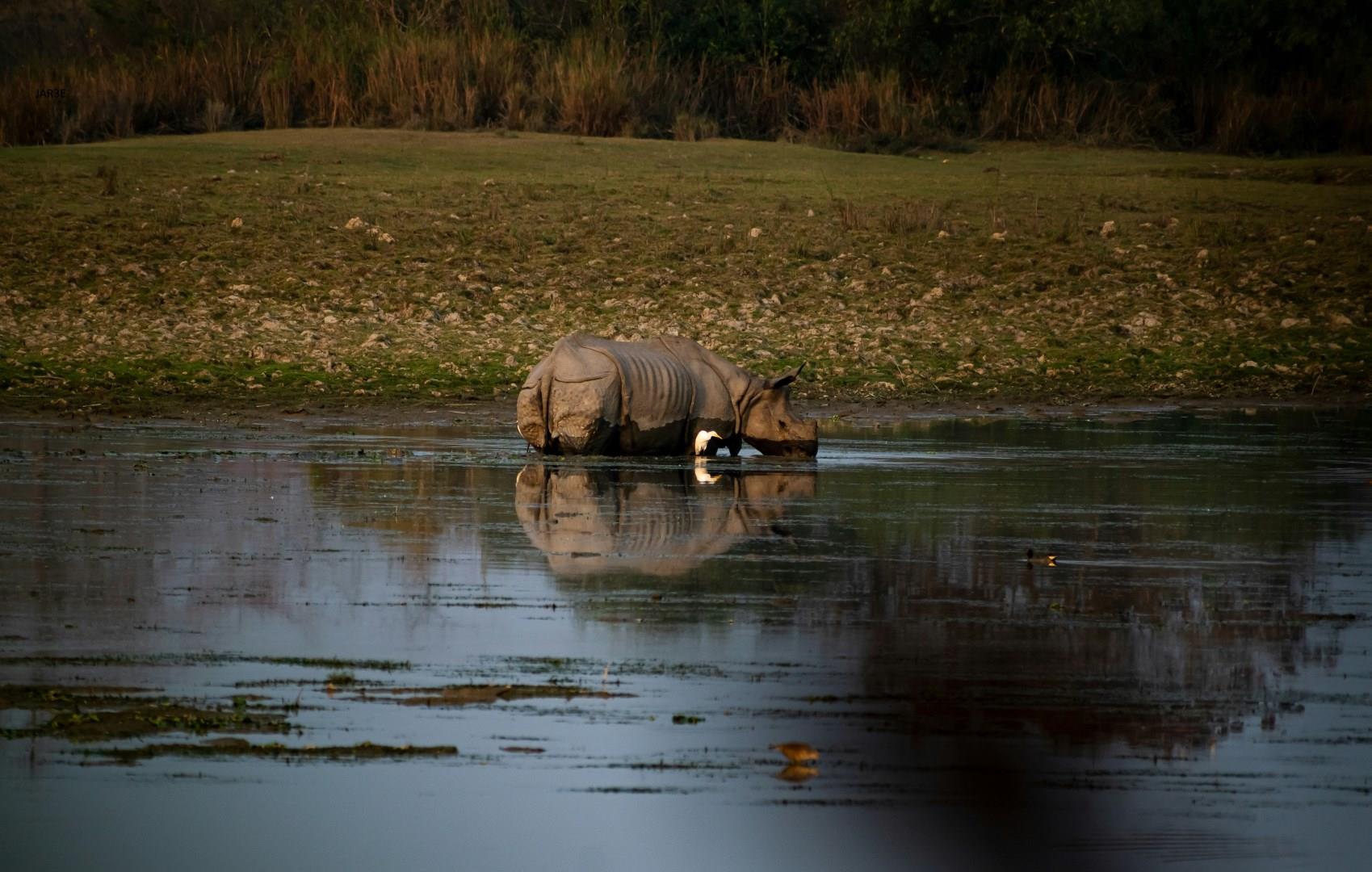
Kaziranga National Park stretches across the floodplains of the Brahmaputra River in Assam, shaped as much by water as by wildlife. Established in the early 20th century, it became central to conservation efforts in India, most notably for the greater one-horned rhinoceros. The park’s history reflects a long negotiation between protection, seasonal flooding, and the human communities that live around its edges.
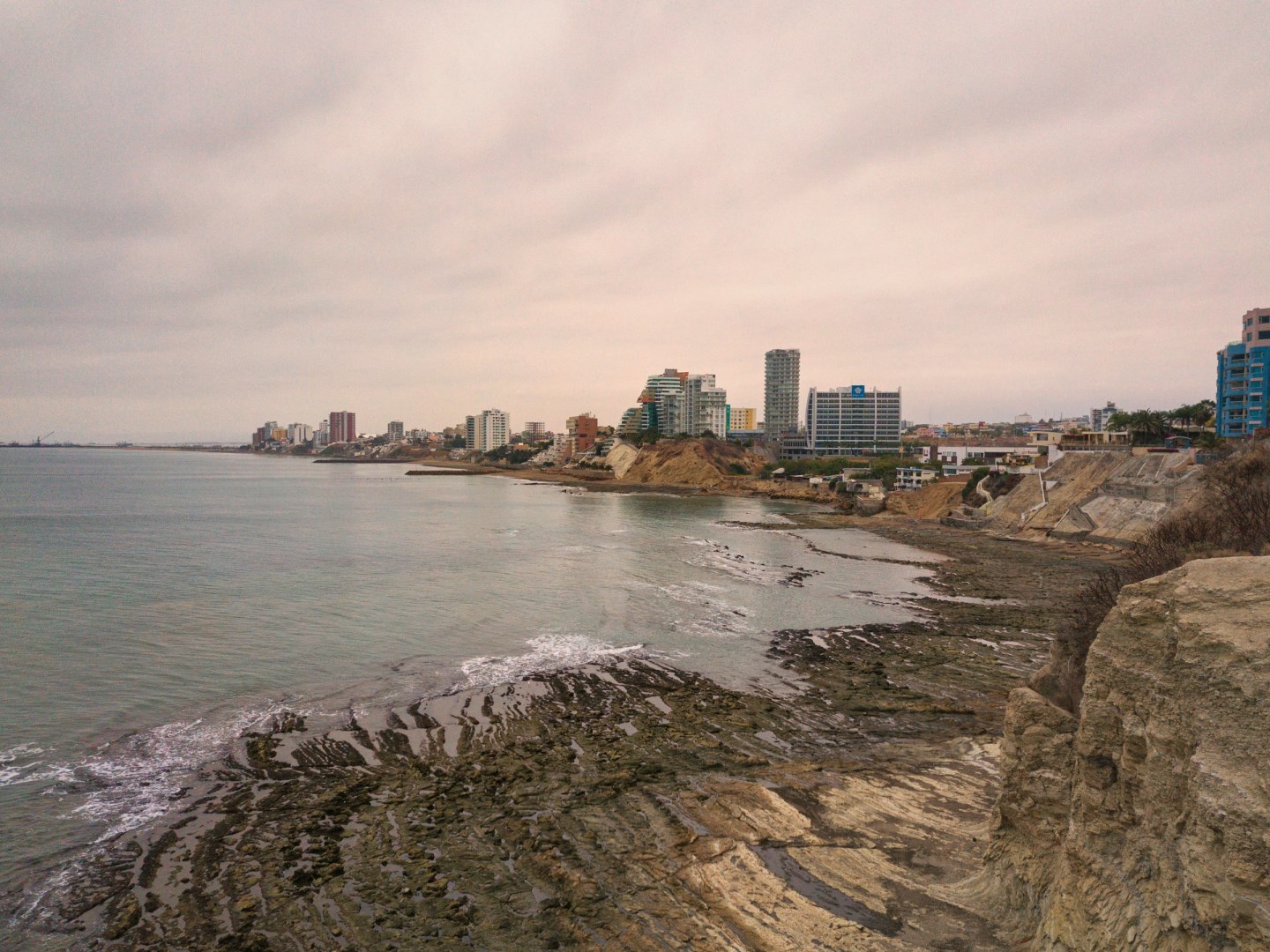
Located on Ecuador's central coast, Manta is a port city frequented by many South American cruises. Manta is known for its delectable seafood and variety of pleasant beaches.
Learn More About Manta
El Murcielago
This is the beach visitors flock to in Manta. Great food and a boardwalk await you.
Civic Center
Visitors will find a museum, a mausoleum and an opportunity learn about Ecuadorian history at the "Cidudad Alfaro."