Palace of International Forums Uzbekistan
Photo Credit: Photo by Fazliddin Murodjonov on Unsplash
Palace of International Forums Uzbekistan
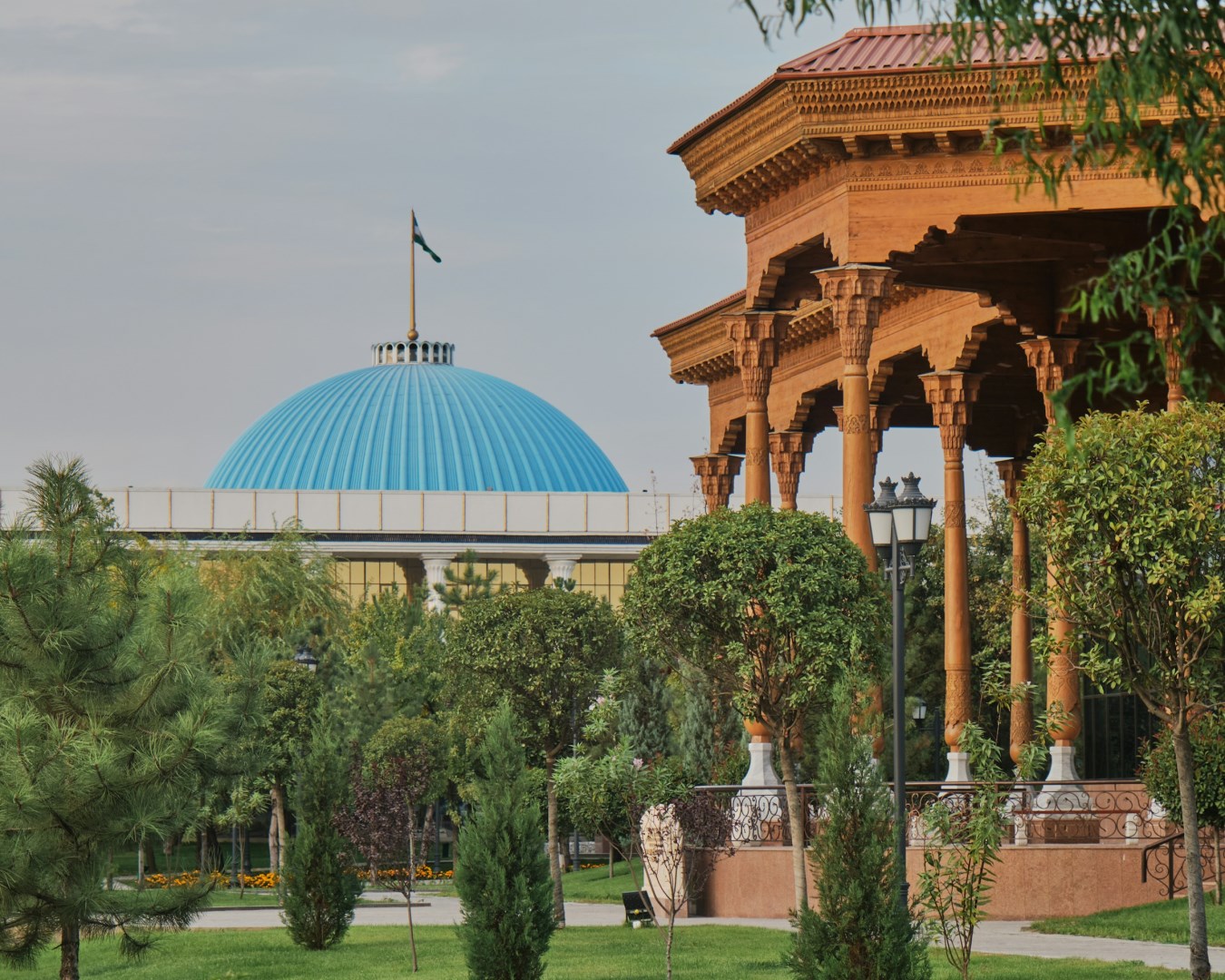
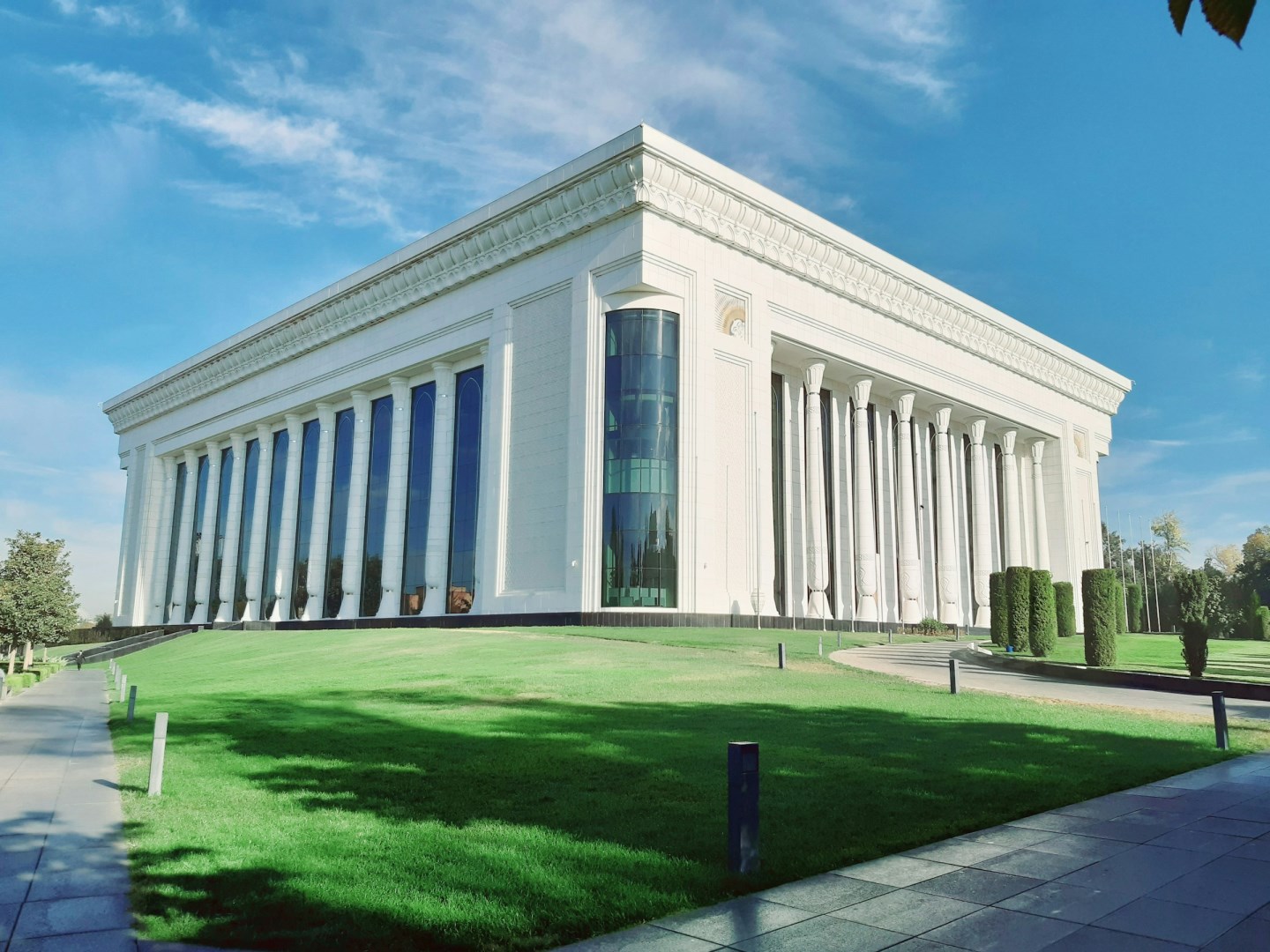
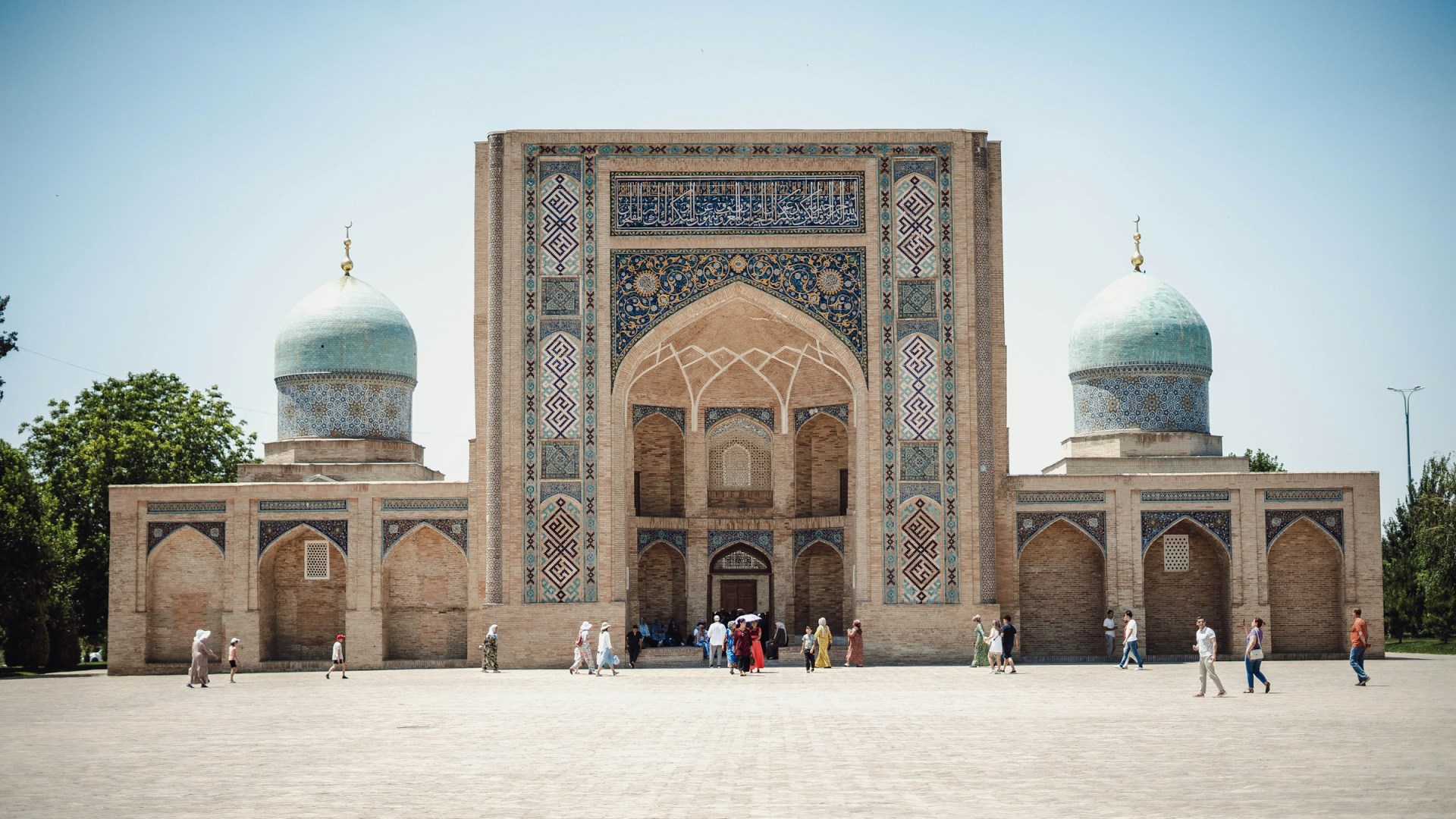
The Palace of International Forums “Uzbekistan” is a major ceremonial and conference building in central Tashkent, standing on Amir Timur Square. Completed in 2009, the palace was designed to host state ceremonies, international conferences, cultural events, and concerts. Its exterior combines classical monumental forms with Uzbek decorative elements, including marble columns, ornamental details, and a large central dome. Inside, contemporary design is combined with references to traditional Uzbek architecture, with extensive glazing, decorative surfaces, crystal features, and elaborate lighting. The complex includes conference and banquet facilities and a large main hall for major events.
Magic City
Photo Credit: Photo by Spencer Hawken on Unsplash
Magic City
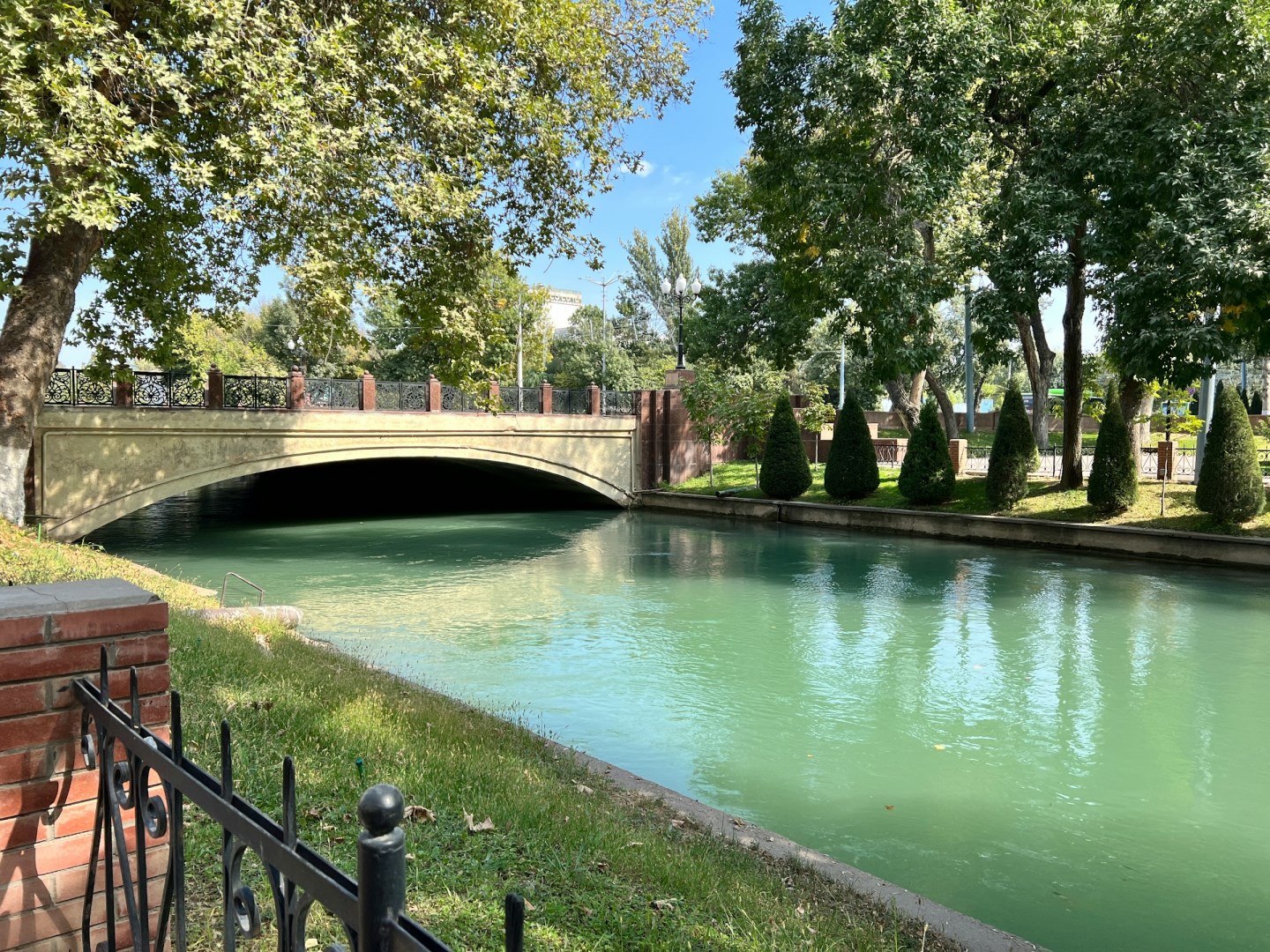
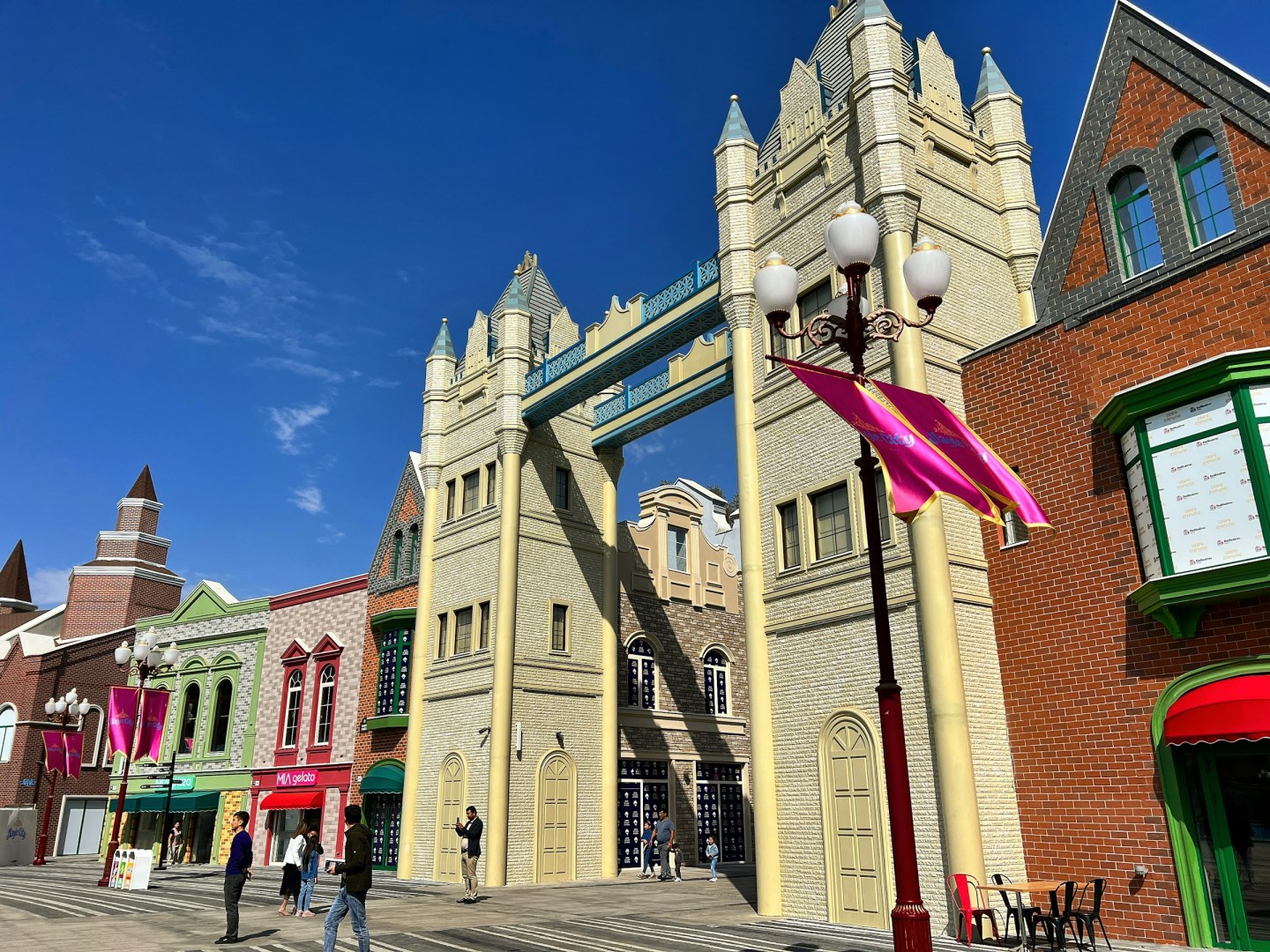
Magic City is a large family entertainment complex in the Chilanzar district of Tashkent, designed as a modern leisure destination with amusement attractions, themed architecture, shops, restaurants, and spaces for children. Its buildings and public areas use colorful designs and decorative elements inspired by European-style streets and fantasy architecture, creating a setting that contrasts with Tashkent’s traditional monuments and Soviet-era urban landscape. The complex forms part of the city’s newer entertainment infrastructure and is identified by Uzbekistan’s national tourism agency as one of the major modern recreational projects in the capital.
Xalqlar Do'stligi (Palace of Friendship of Peoples)
Photo Credit: Far Chinberdiev
Xalqlar Do'stligi
>Xalqlar Do'stligi is a central public square in Tashkent, located in the Bunyodkor area and known in English as Peoples' Friendship Square. Planned as a landscaped urban space, it contains fountains, flowerbeds, seating areas, lighting, and a tall flagpole displaying the Uzbek flag. The square is closely associated with the Xalqlar Do'stligi Palace, a major concert and ceremonial venue that forms the visual centerpiece of the surrounding ensemble. A monument dedicated to the Shomahmudov family was also associated with the square, commemorating a local family who sheltered orphaned children of different nationalities during the Second World War.
Writers Alley
Photo Credit: Photo by Far Chinberdiev on Unsplash
Writers Alley
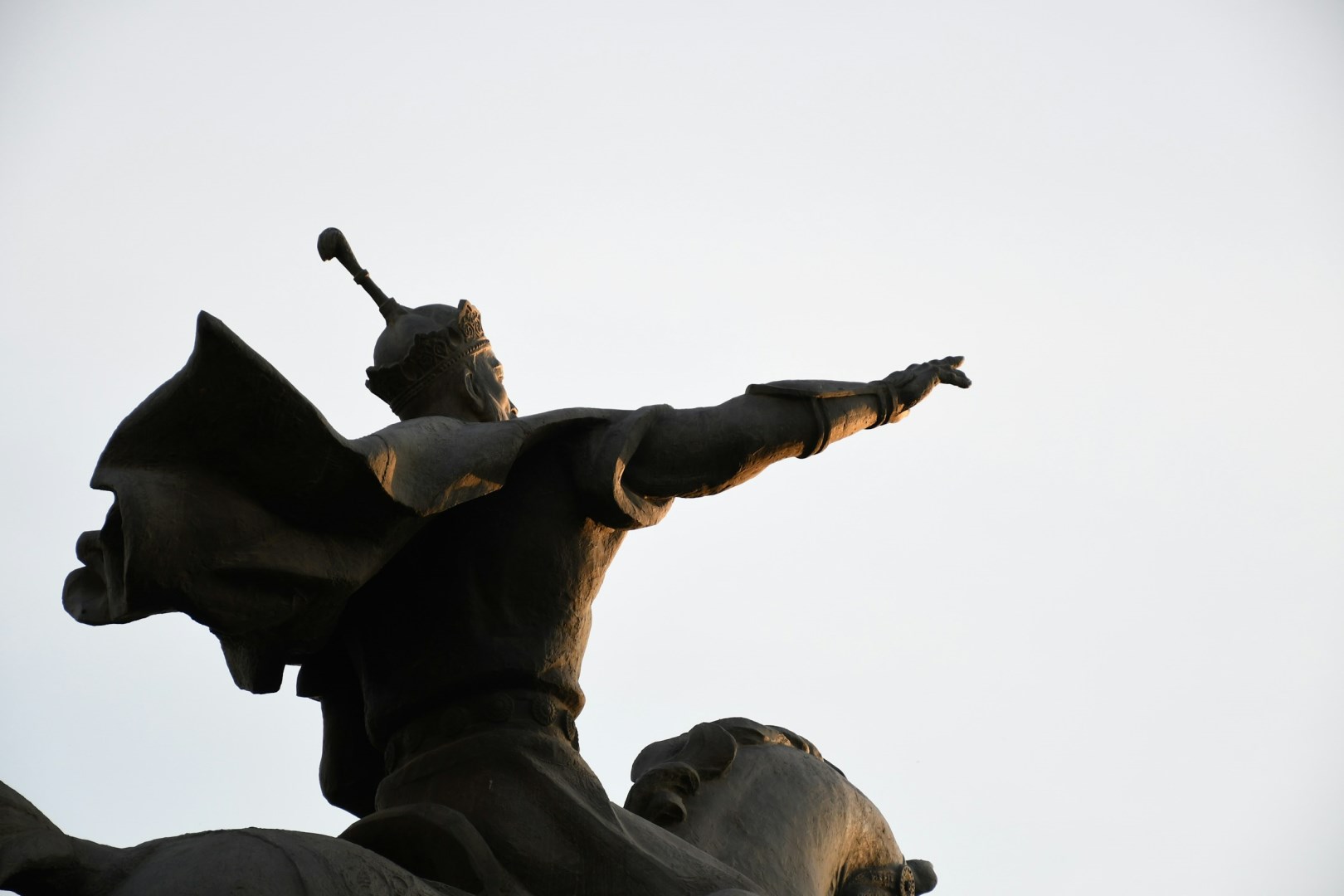
Writers Alley is a landscaped literary promenade within Alisher Navoi National Park in central Tashkent, created as a cultural space dedicated to Uzbekistan’s literary heritage. The alley forms an architectural ensemble covering more than eight hectares, with bronze monuments to more than 20 prominent writers, poets, critics, and publicists. Alisher Navoi, widely regarded as one of the great figures of Uzbek literature, occupies a central place in the ensemble, while statues honor figures including Babur, Ogahi, Furqat, Muqimi, Mahmudhoja Behbudi, Abdulla Avloni, Abdulla Qodiriy, Cho‘lpon, and Abdulla Qahhor. Shaded paths, trees, and flowerbeds make the area suitable for walking, while literary events, poetry performances, exhibitions, and educational programs are held among the monuments.
Chorsu Bazaar
Photo Credit: Photo by Zuyet Awarmatik on Unsplash
Chorsu Bazaar
Photo Credit: Photo by Dasha Novikova on Unsplash
Chorsu Bazaar
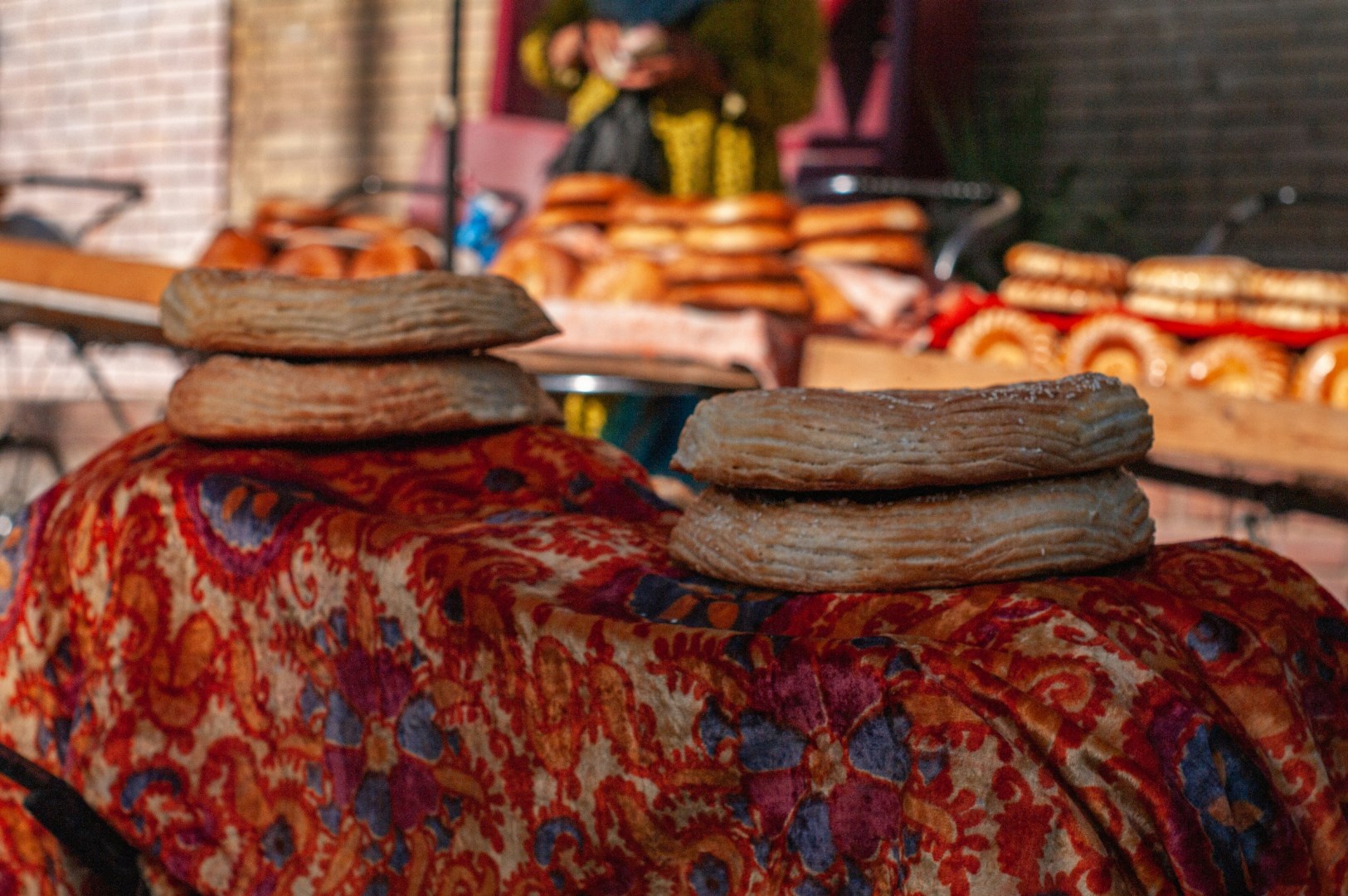
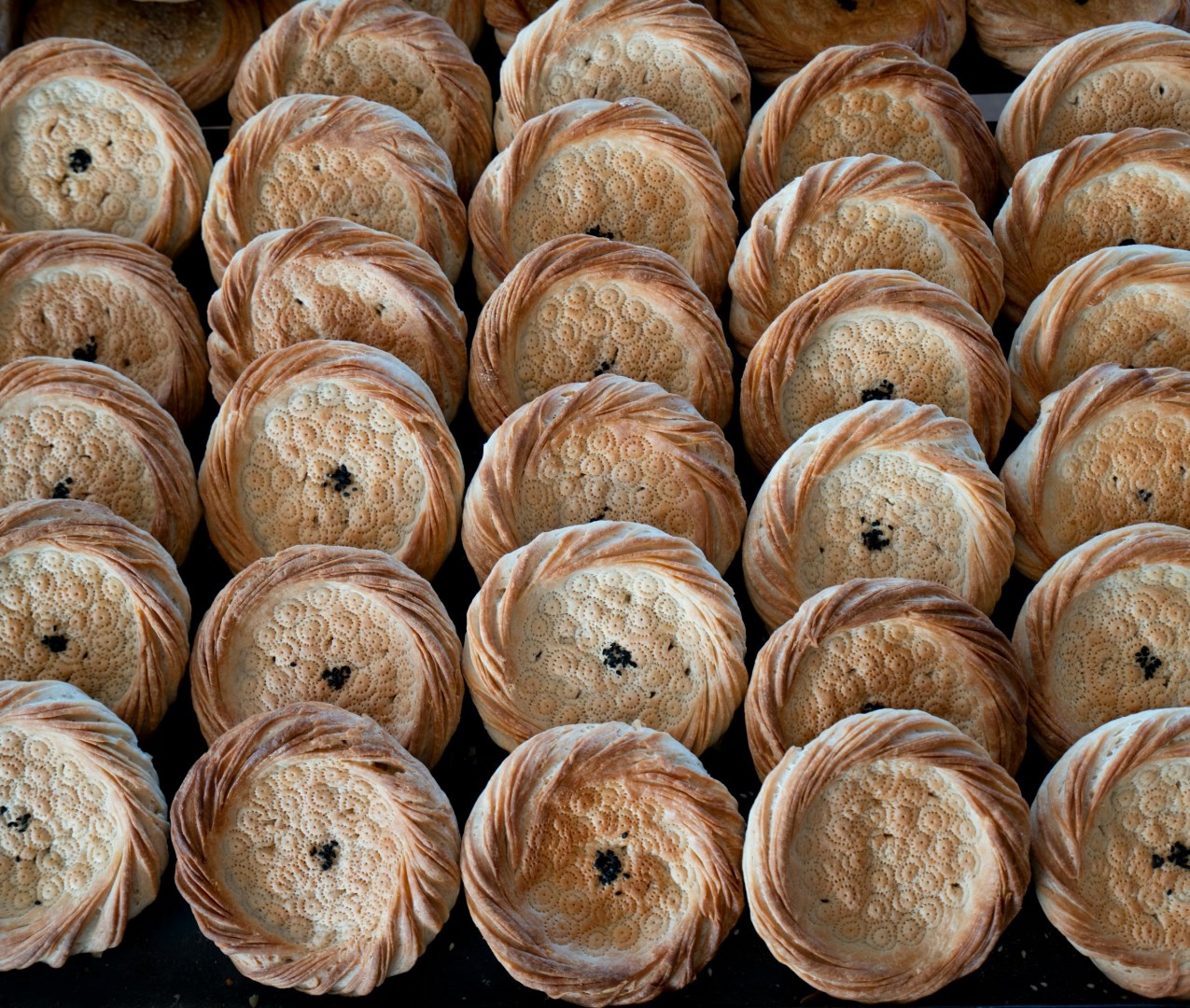
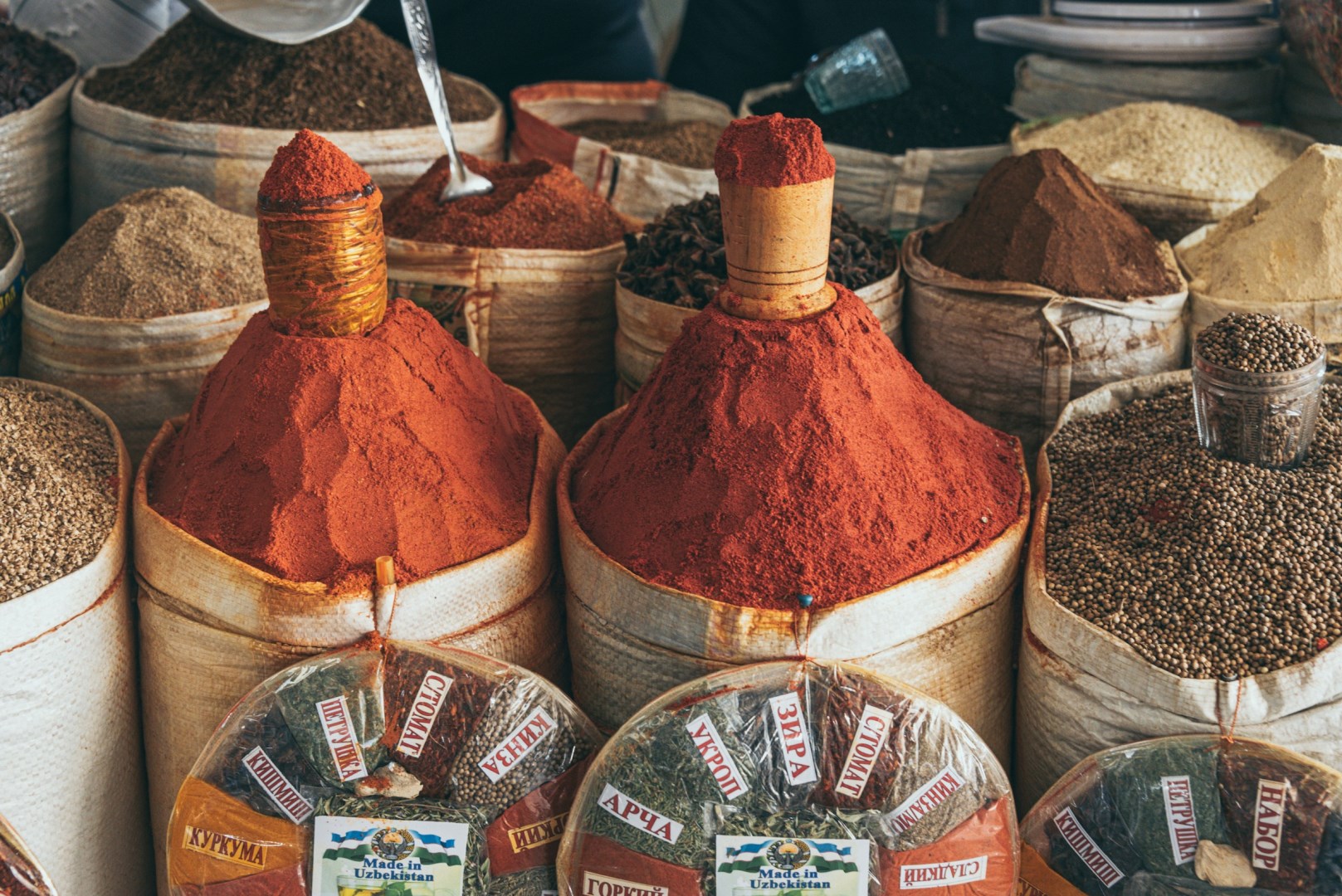
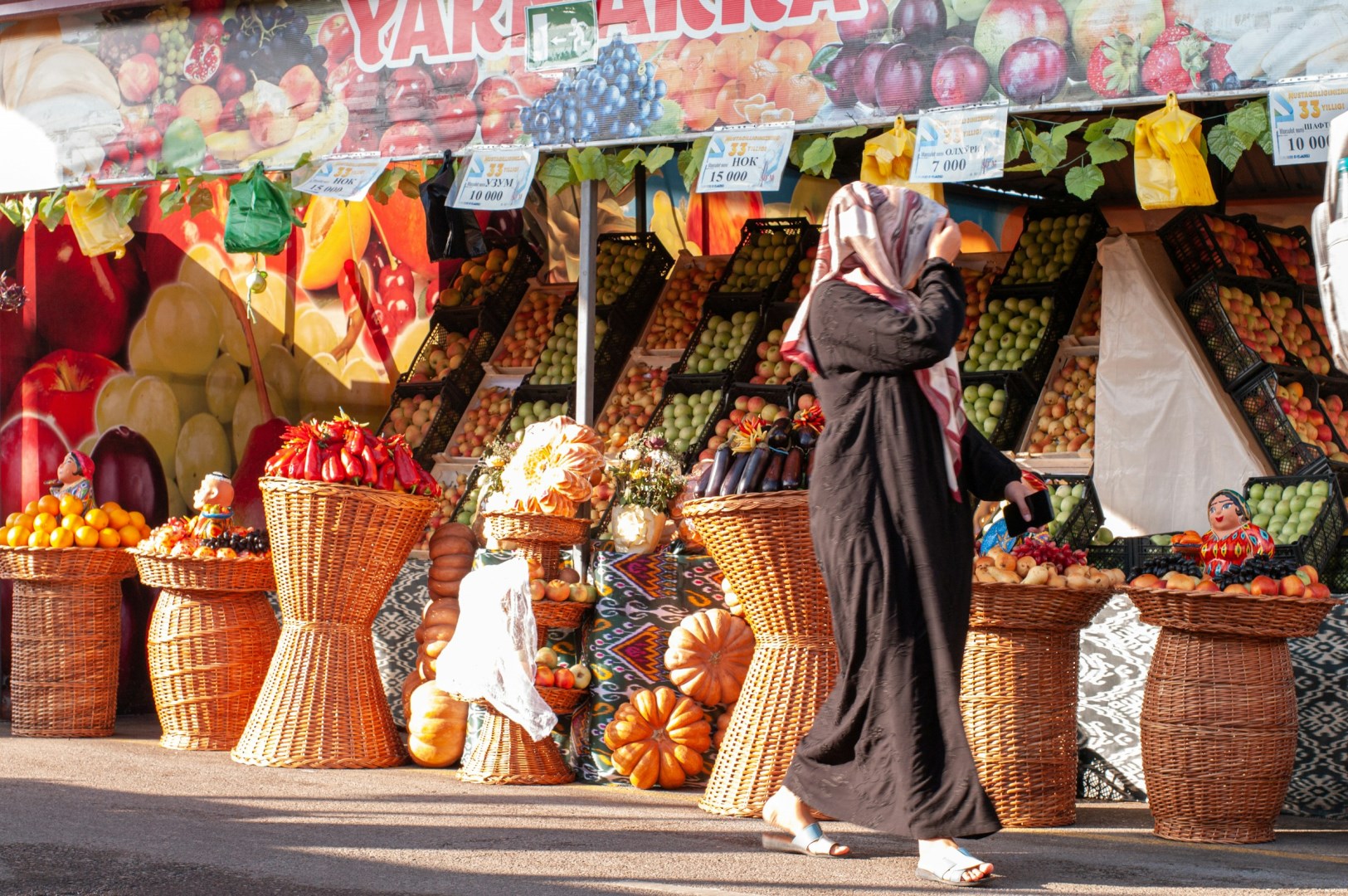
Chorsu Bazaar is Tashkent’s best-known traditional market, located in the historic Eski Shahar district near the Kukeldash Madrasah. Its main building is covered by a large blue-domed roof, beneath which vendors sell fresh produce, spices, dried fruits, nuts, bread, dairy products, and meats. Smaller sections and surrounding streets extend the market into a large trading area where household goods, clothing, handicrafts, and prepared foods are also sold. The bazaar reflects the traditional role of Tashkent as a trading center between Central Asia and neighboring regions, while its many food stalls provide an opportunity to encounter everyday Uzbek ingredients and dishes.
Ming Urik Hillfort
Photo Credit: Photo by Far Chinberdiev on Unsplash
Ming Urik Hillfort
Ming Urik Hillfort is an important archaeological site in central Tashkent, preserving the remains of an ancient urban settlement that once occupied a raised area near the Salar Canal. The site is associated with the ancient settlement of Chach and contains archaeological evidence of residential buildings, a fortified complex, craft activity, and religious structures. Excavations have uncovered mud-brick walls, pottery, coins, and remains of a large palace or temple complex, illustrating the development of urban life in the Tashkent oasis. Although much of the ancient settlement survives as archaeological remains rather than standing monuments, Ming Urik provides an important link to Tashkent’s pre-Islamic history and its role in regional trade networks.