

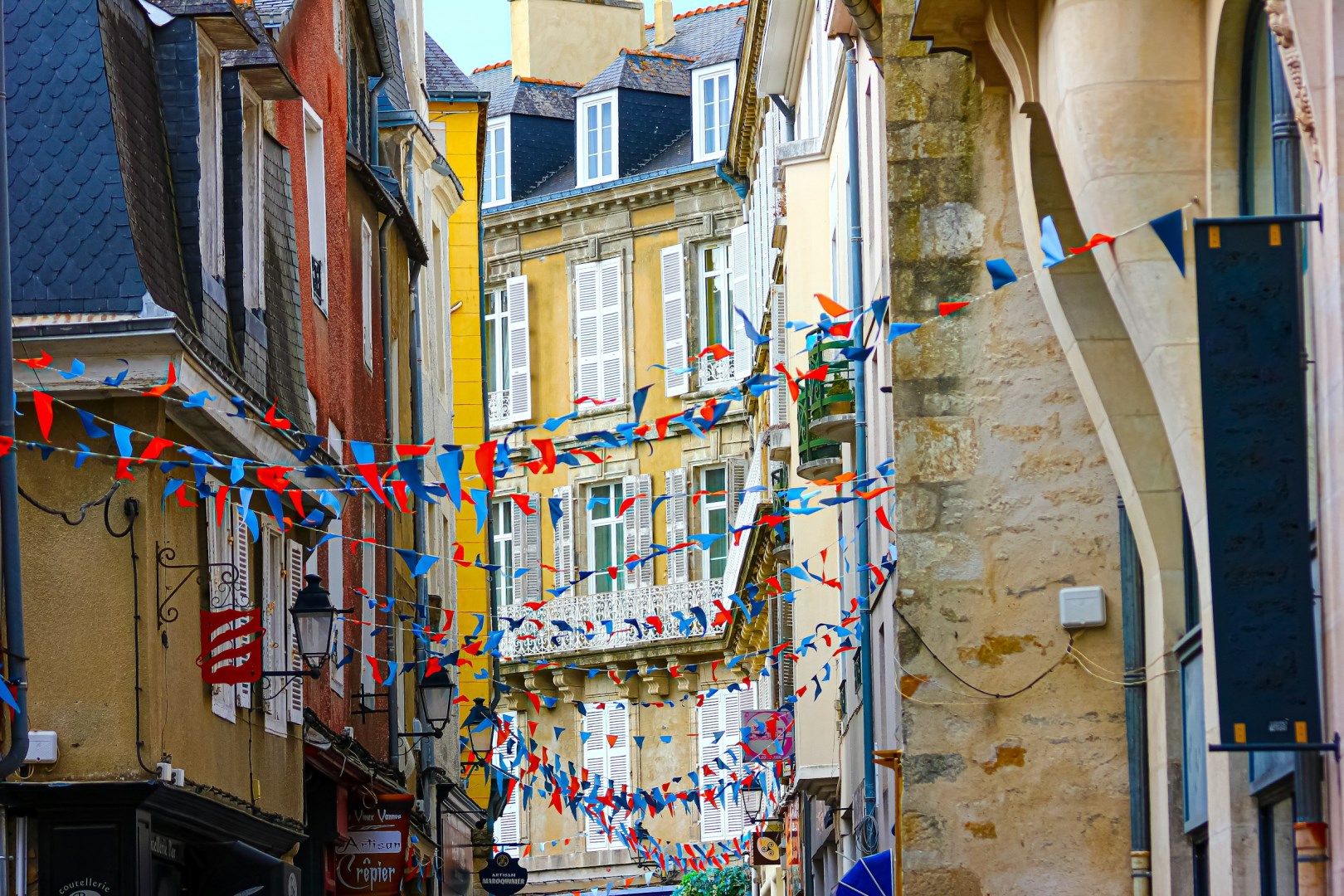
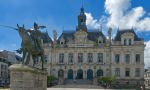
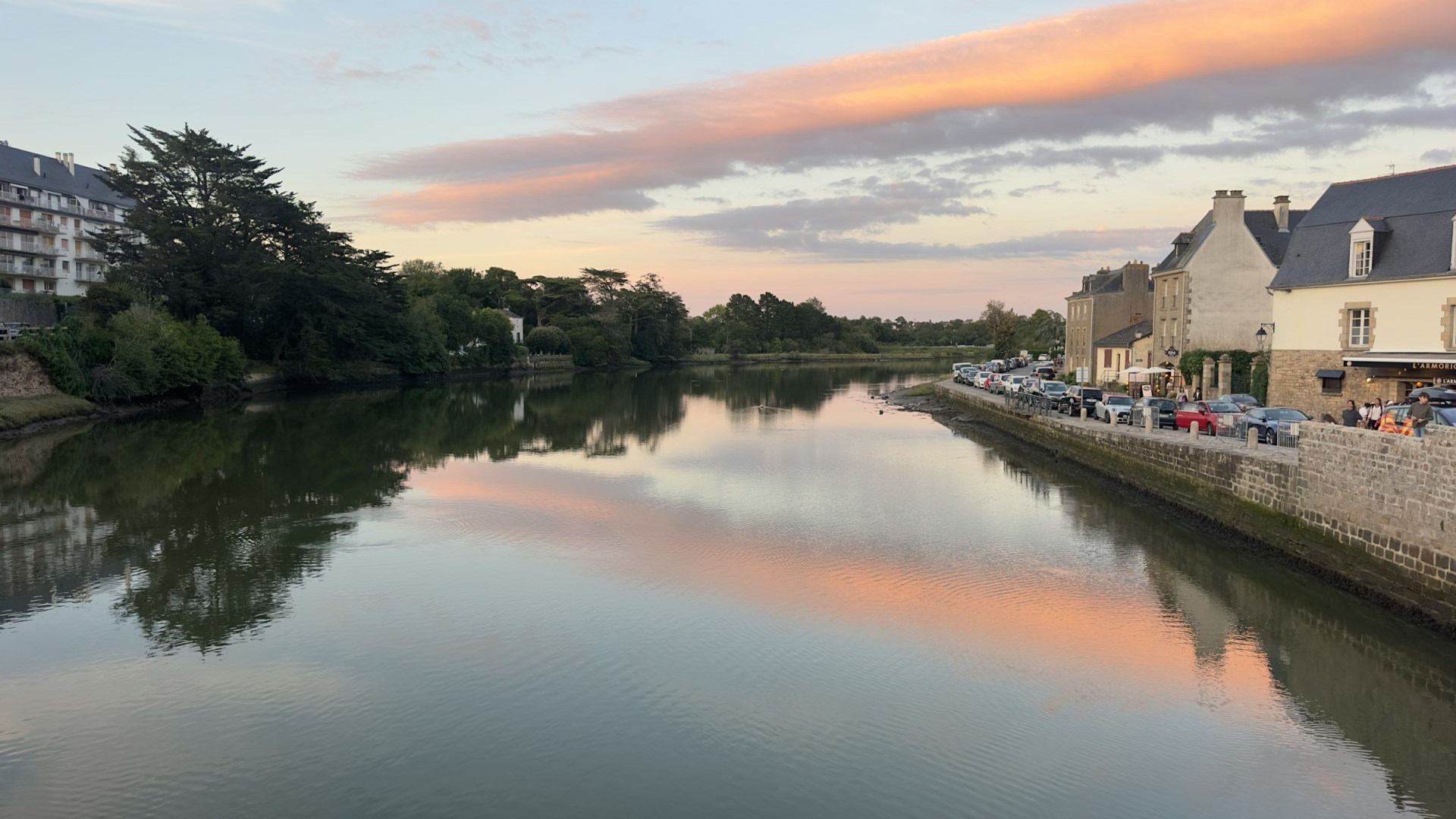
Vannes is a historic port city in Brittany, set at the northern end of the Golfe du Morbihan. Its compact old center is enclosed by medieval fortifications and combines cobbled lanes, half-timbered houses, private mansions, and small squares. The harbor extends the city toward the gulf, making Vannes an important gateway to the islands and coastal landscapes of southern Brittany. The city is also known for its preserved architectural heritage, with the ramparts, gardens, and old town forming a continuous urban landscape that can be explored largely on foot.
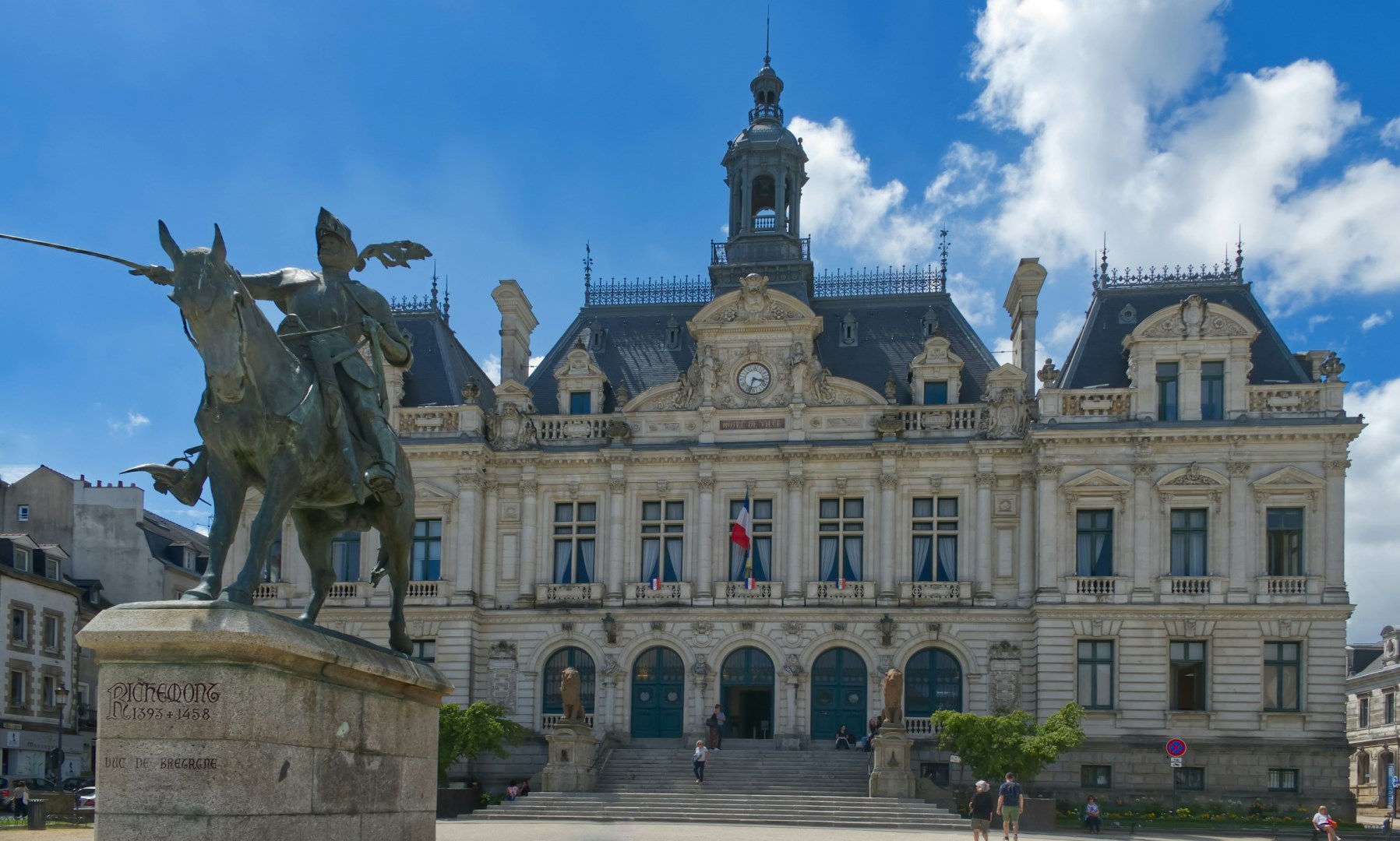
Vannes has deep connections with Breton political, religious, and maritime history. The old Saint-Patern district reflects the city’s earlier urban development, while the cathedral of Saint-Pierre dominates the historic center. Inside the former market building known as La Cohue, the Musée des Beaux-Arts presents art exhibitions in a building closely connected with the old city. Place Henri IV is particularly notable for its rows of timber-framed houses, while the ramparts and their formal gardens illustrate how the fortified city was incorporated into later urban life.
The city’s location beside the Golfe du Morbihan provides easy access to a varied coastal environment of islands, tidal waters, salt marshes, and small peninsulas. From the harbor, boats connect with destinations around the gulf, including Île d’Arz and Île aux Moines. Within Vannes, the rampart gardens offer views toward the historic defenses, while a route along the waterfront leads toward the Conleau peninsula, where a seawater swimming area and coastal paths provide a different setting from the old town. The surrounding gulf is also known for its many islands and sheltered maritime landscapes.
Food in Vannes reflects both Breton traditions and the resources of the surrounding gulf. Oysters are an important local specialty, with the gulf’s plankton-rich waters contributing distinctive flavors to its shellfish. The city’s markets, including Les Halles and the Marché des Lices, bring together seafood, vegetables, regional cheeses, and other products from Morbihan. Breton buckwheat, known as sarrasin, also appears in local cooking, particularly in savory galettes. A distinctive architectural detail is the Rotonde Danielo, a round chapel attached to Saint-Pierre Cathedral and regarded by regional tourism authorities as an early example of Renaissance architecture in France.
Other Popular Destinations in France