

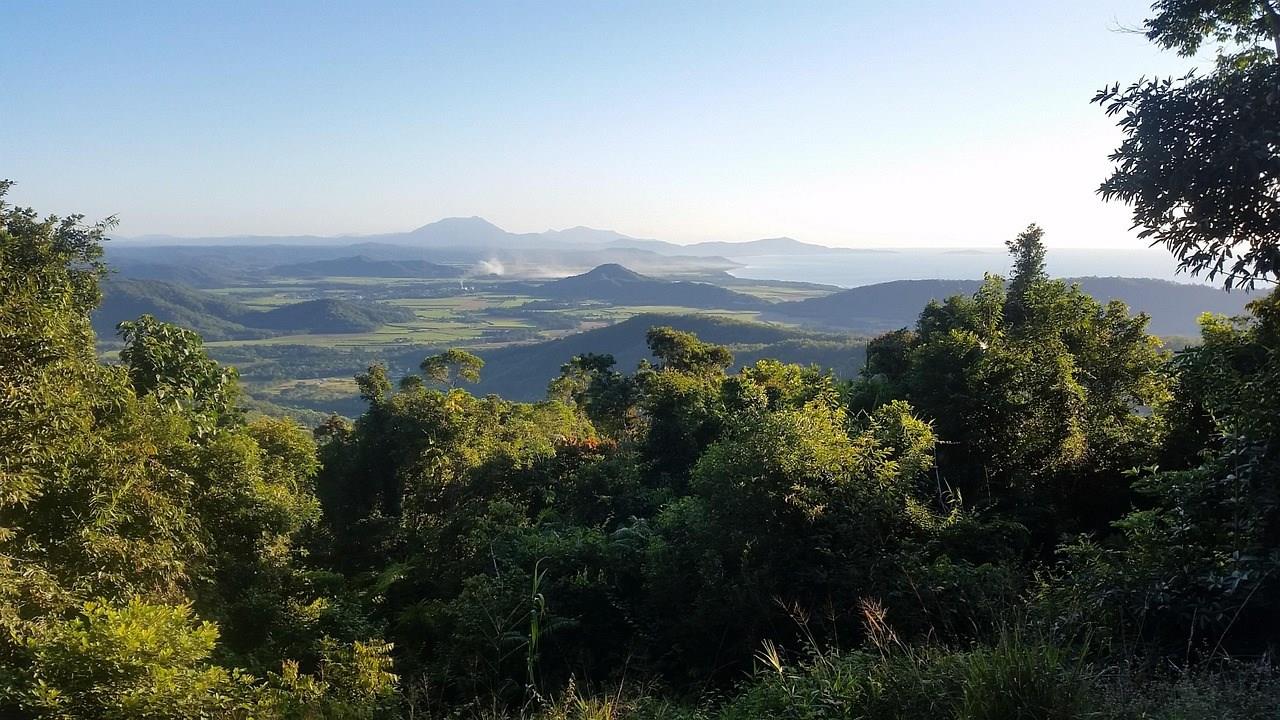
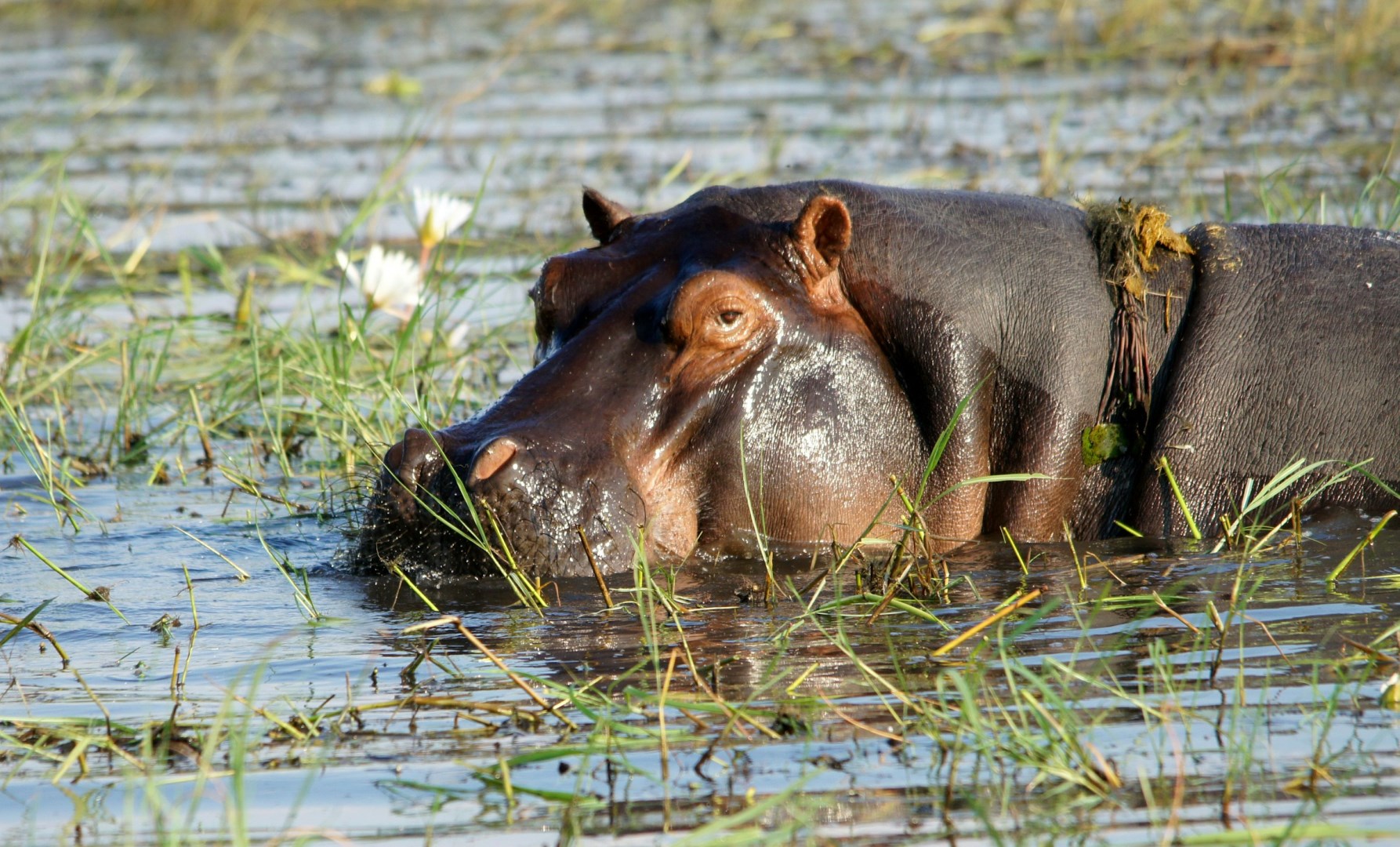
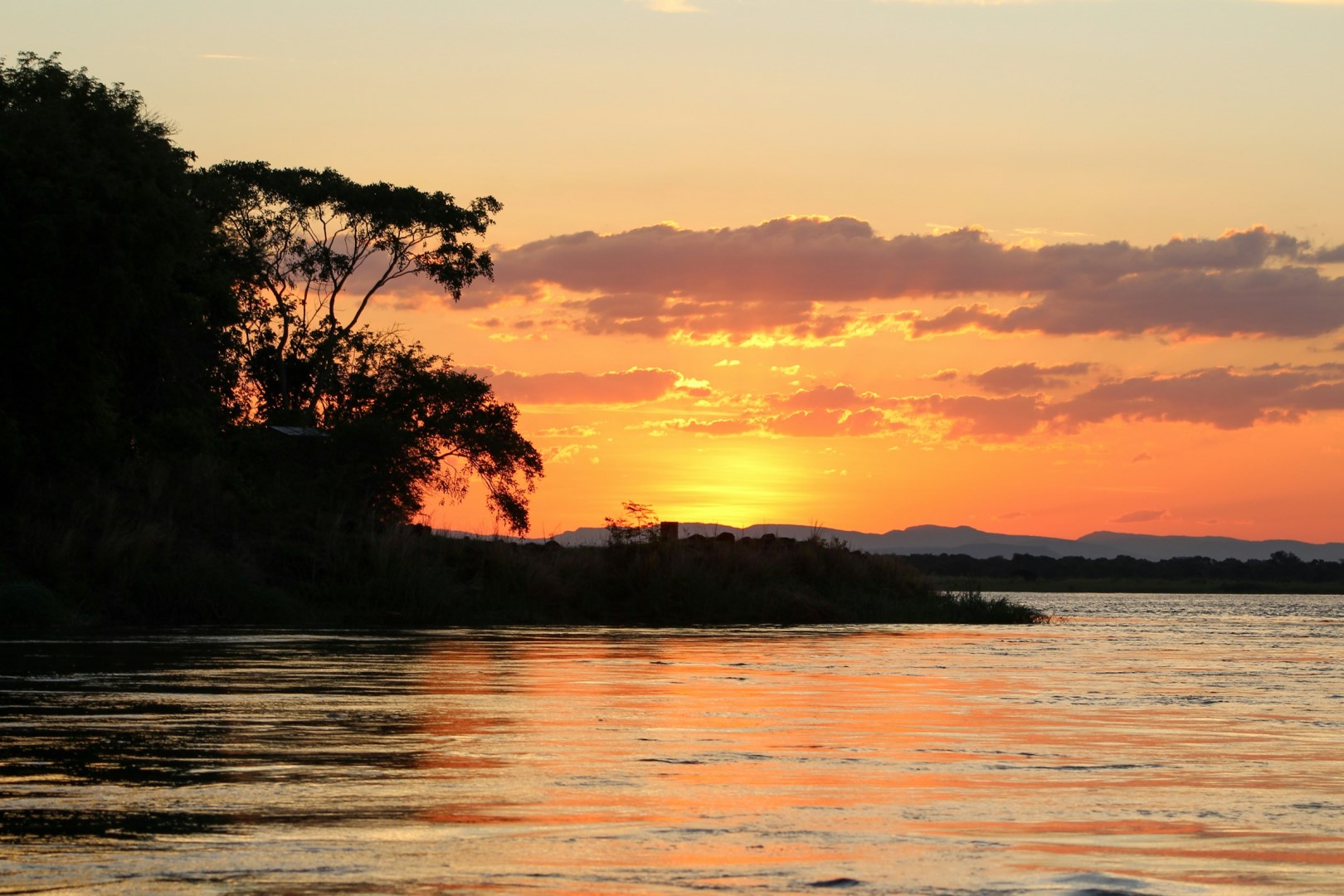
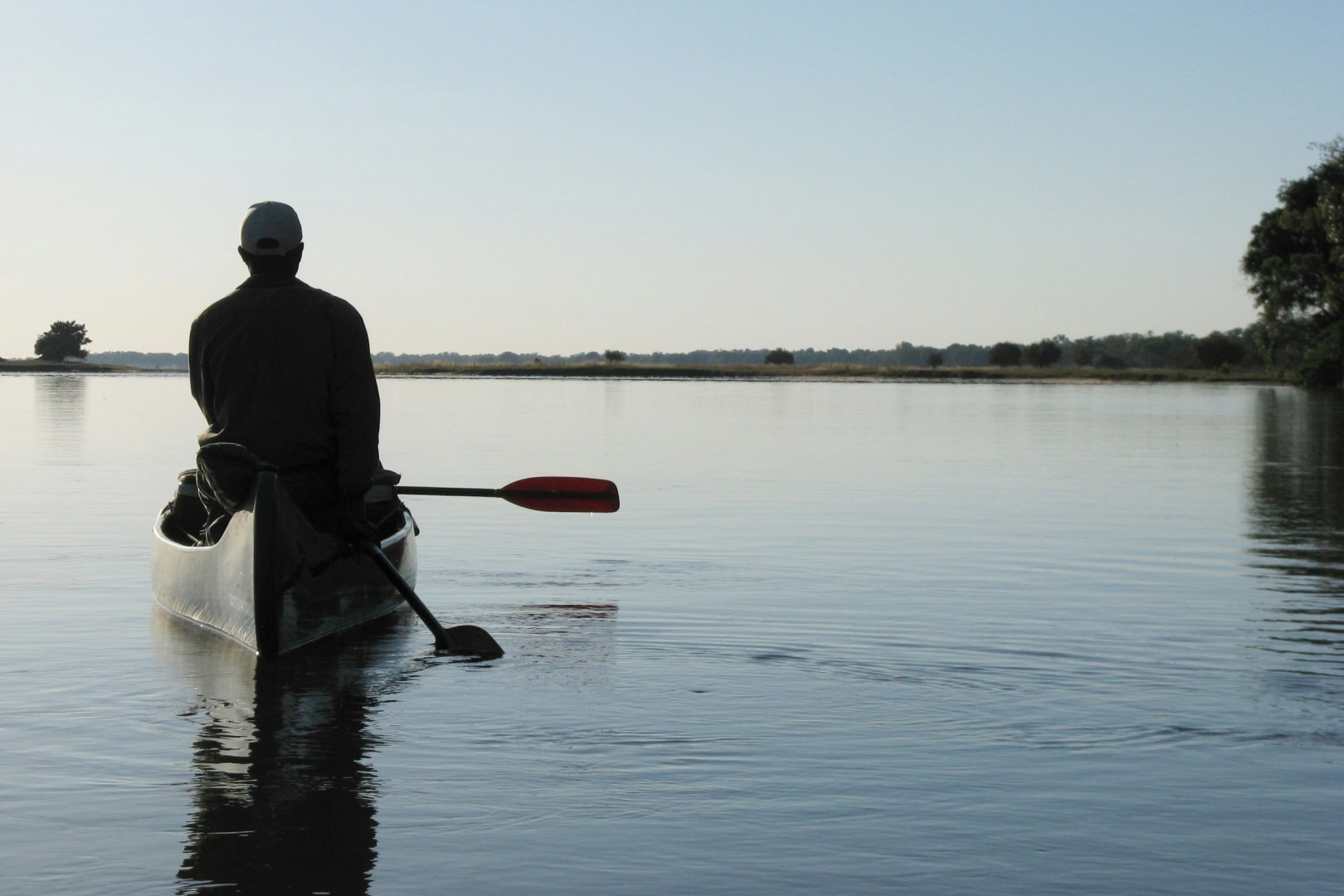
The Zambezi River is one of Africa’s major waterways and an important part of Zambia’s landscape, flowing across the country before continuing through several southern African nations. In Zambia, the river passes through wetlands, woodland, floodplains, and protected wildlife areas, including Lower Zambezi National Park. Its waters support fishing, agriculture, wildlife, transport, and tourism, while seasonal changes in river levels shape the surrounding ecosystems. The Zambezi is also closely associated with Victoria Falls, where the river drops into a deep gorge near the border between Zambia and Zimbabwe.
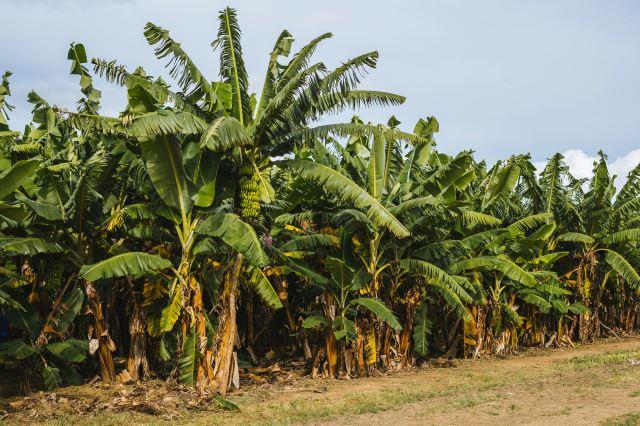
The Zambezi has long supported communities whose livelihoods are connected to fishing, farming, livestock keeping, and river resources. Along its banks, different ethnic groups have developed traditions shaped by access to water and seasonal floodplains. Fishing remains particularly important, with communities using locally adapted methods and boats on the river and associated channels. The river also has cultural significance in local traditions and ceremonies. In western Zambia, the annual movement of floodwaters across the Barotse Floodplain is closely linked to Lozi cultural life, including the Kuomboka ceremony and the seasonal movement of the Litunga from the floodplain.
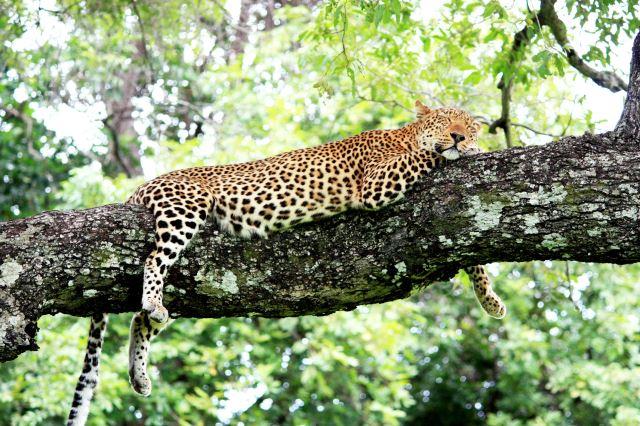
Victoria Falls is the river’s most prominent landmark in Zambia, where the Zambezi crosses a broad basalt plateau before plunging into a series of narrow gorges. Farther upstream and downstream, the river passes through important protected landscapes. Lower Zambezi National Park borders the river and provides opportunities for canoeing, boating, fishing, and wildlife viewing, while the river also forms part of the boundary with Zimbabwe. The Barotse Floodplain in western Zambia expands dramatically during the wet season, creating temporary wetlands that support fish, birds, grazing animals, and flood-dependent vegetation.
Fish from the Zambezi is an important food source for riverside communities, with species such as tigerfish, bream, and catfish commonly caught in the river system. Maize-based nshima is often served with fish, vegetables, or other locally available foods. The river also supports recreational fishing and boating, although activities are regulated in protected areas. One of its distinctive features is its seasonal cycle: water levels can rise substantially during the rainy season, spreading across floodplains before gradually retreating and leaving nutrient-rich areas used for grazing and cultivation. This annual rhythm influences both wildlife habitats and human activities along the Zambezi.
Other Popular Destinations in Zambia