




Fatima
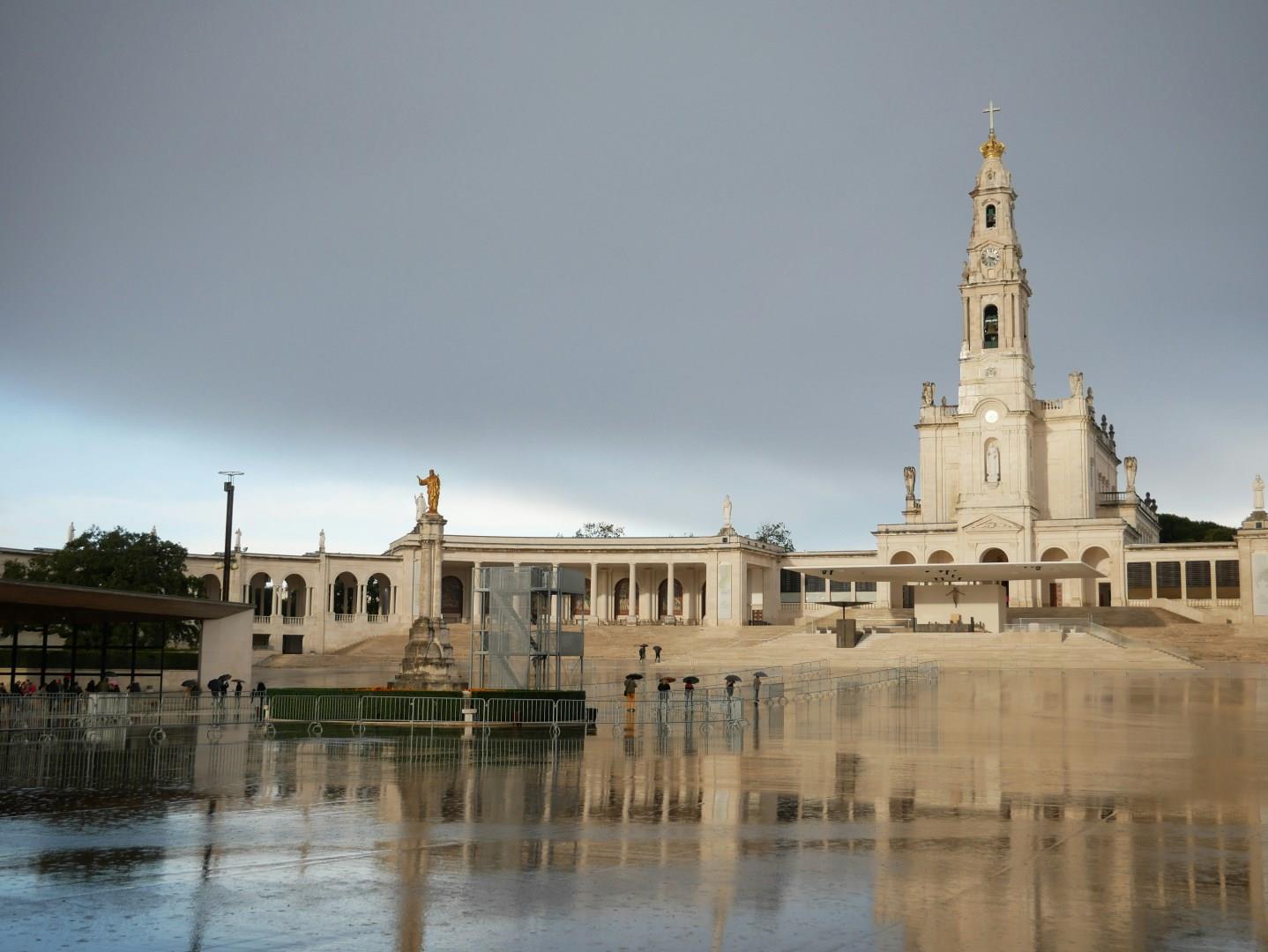
Fátima, a small town in central Portugal, has become one of the most significant pilgrimage sites in the world, drawing millions of visitors annually. The Sanctuary of Fátima, a sprawling complex of religious buildings and monuments, stands at the heart of the town. Pilgrims from all over the globe come to light candles, attend mass, and walk the sacred paths in reverence.
Beyond its religious significance, Fátima also offers cultural and historical insights. The nearby village of Aljustrel, the birthplace of the three children, provides a glimpse into rural Portuguese life in the early 20th century. Visitors can explore the humble homes of the seers and learn about their lives before and after the apparitions. Additionally, Fátima’s Museum of Sacred Art and Ethnology showcases a collection of religious artifacts, paintings, and ethnographic items, adding depth to the town's spiritual heritage.
Each year on May 13 and October 13, the anniversaries of the first and last apparitions, Fátima hosts grand candlelight processions. These events, filled with prayer and song, are among the most attended religious gatherings in the world, creating a profound and unforgettable experience for those who partake.
Beyond its religious significance, Fátima also offers cultural and historical insights. The nearby village of Aljustrel, the birthplace of the three children, provides a glimpse into rural Portuguese life in the early 20th century. Visitors can explore the humble homes of the seers and learn about their lives before and after the apparitions. Additionally, Fátima’s Museum of Sacred Art and Ethnology showcases a collection of religious artifacts, paintings, and ethnographic items, adding depth to the town's spiritual heritage.
Each year on May 13 and October 13, the anniversaries of the first and last apparitions, Fátima hosts grand candlelight processions. These events, filled with prayer and song, are among the most attended religious gatherings in the world, creating a profound and unforgettable experience for those who partake.
