



Moremi Wildlife Reserve
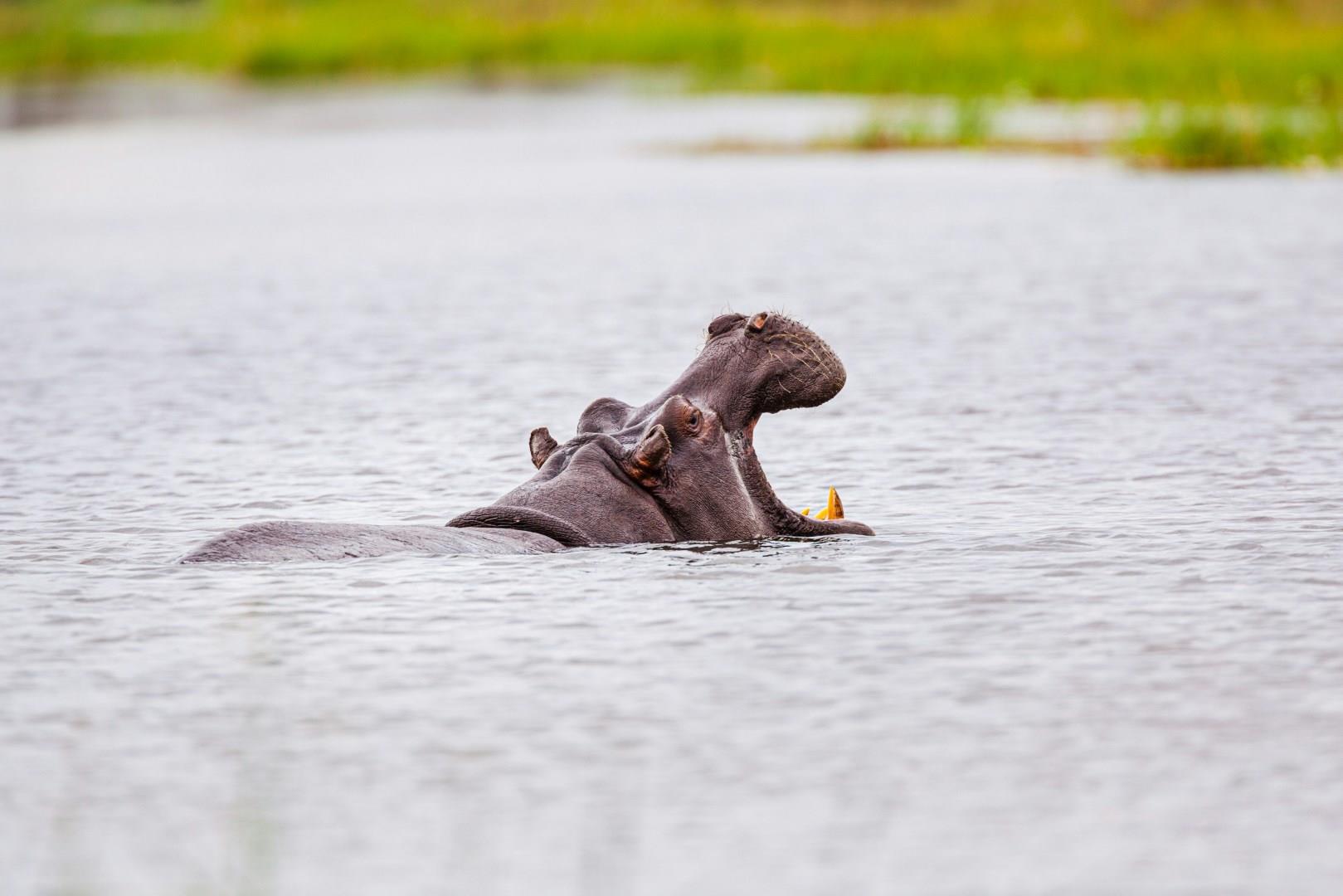
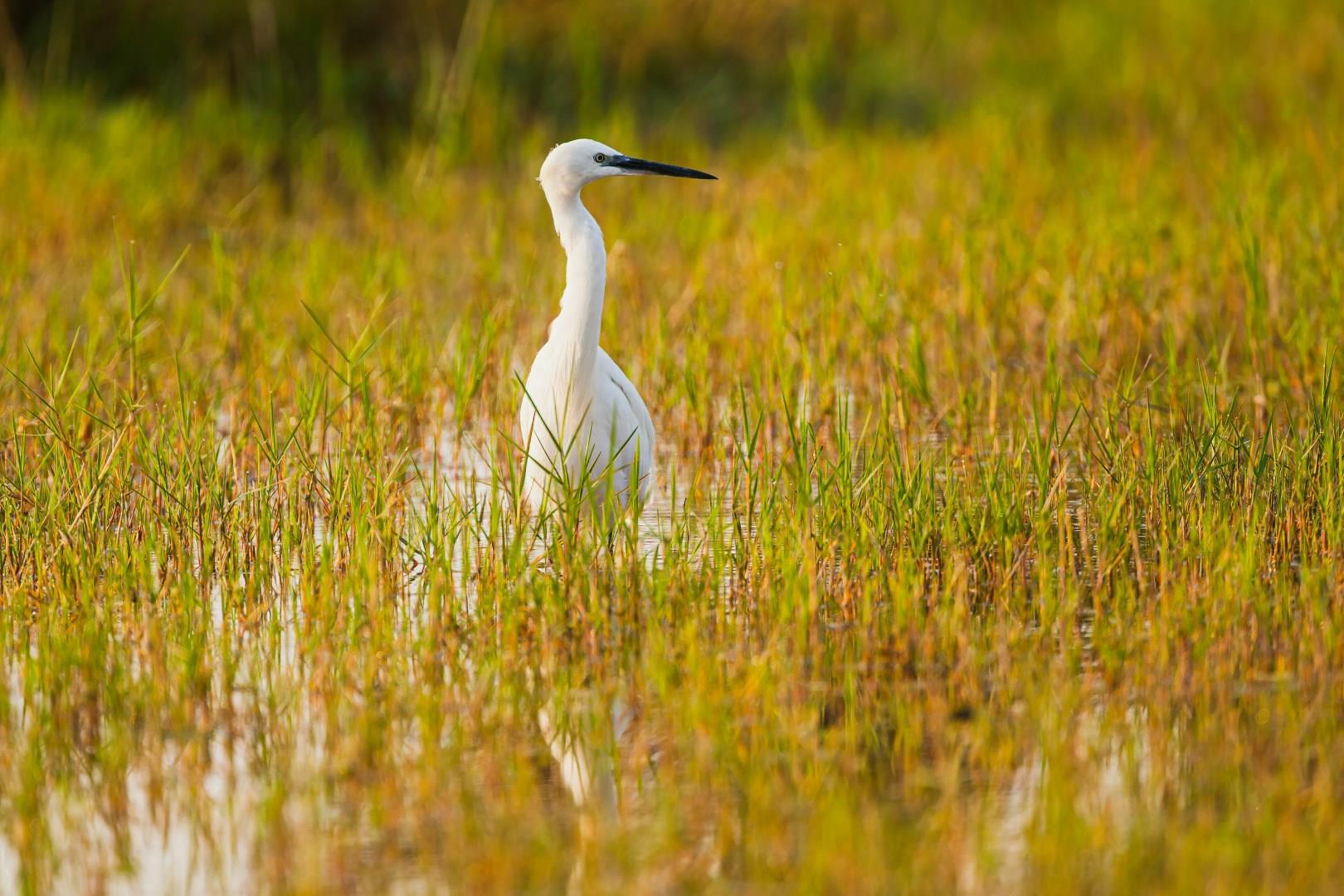
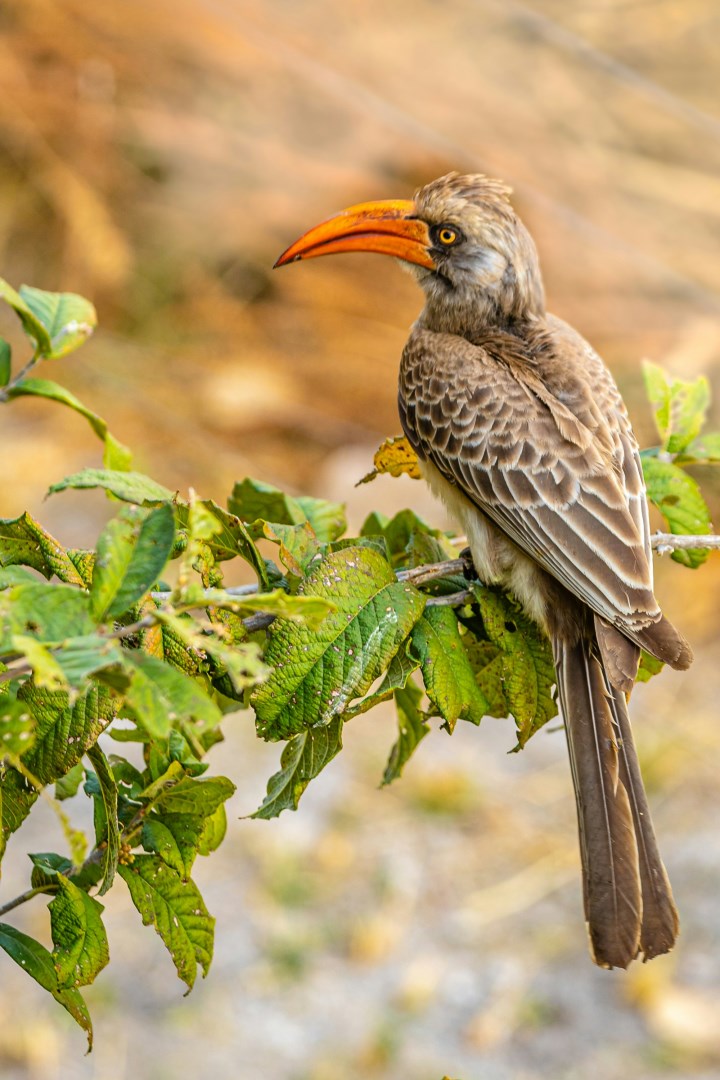
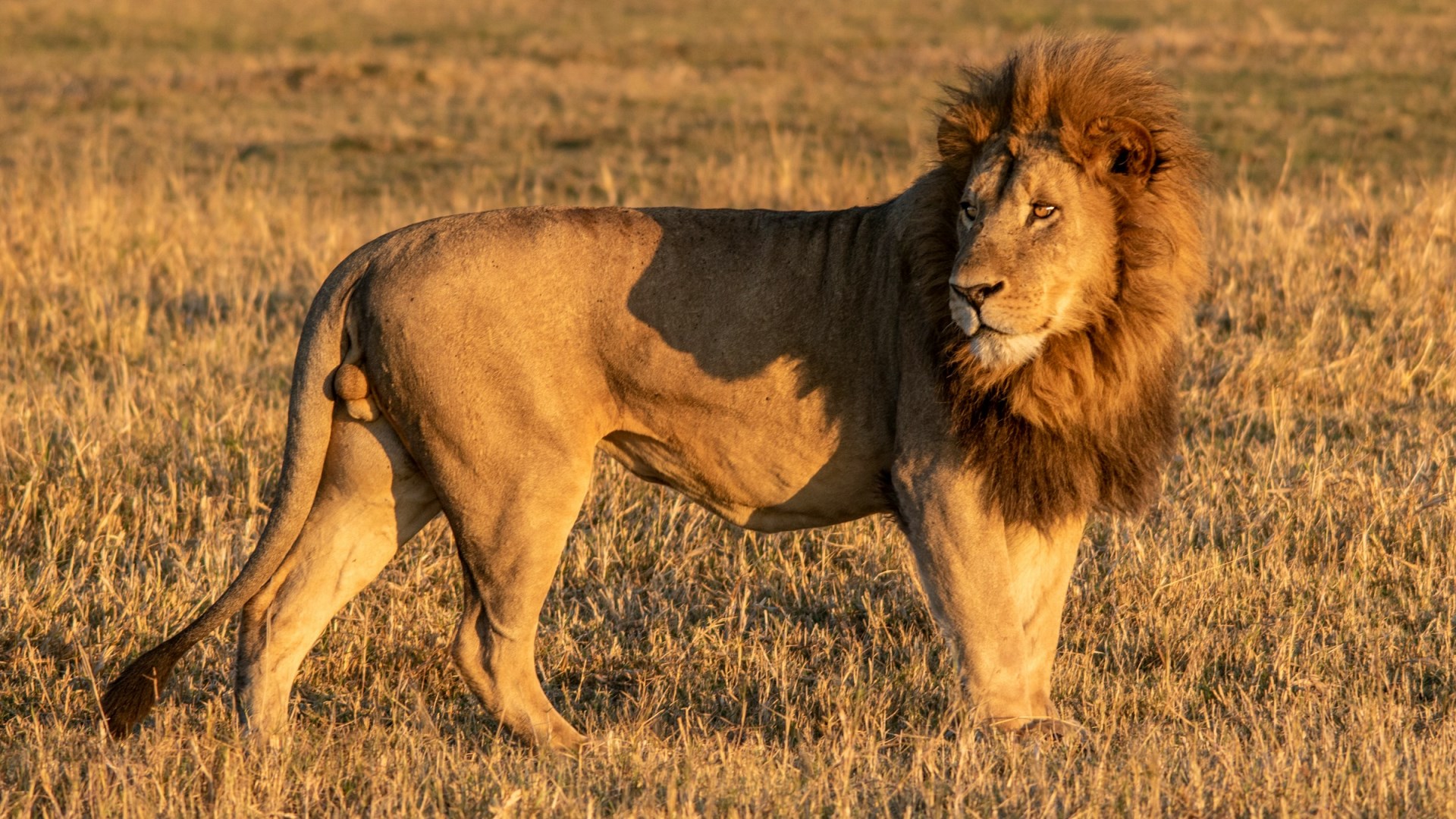
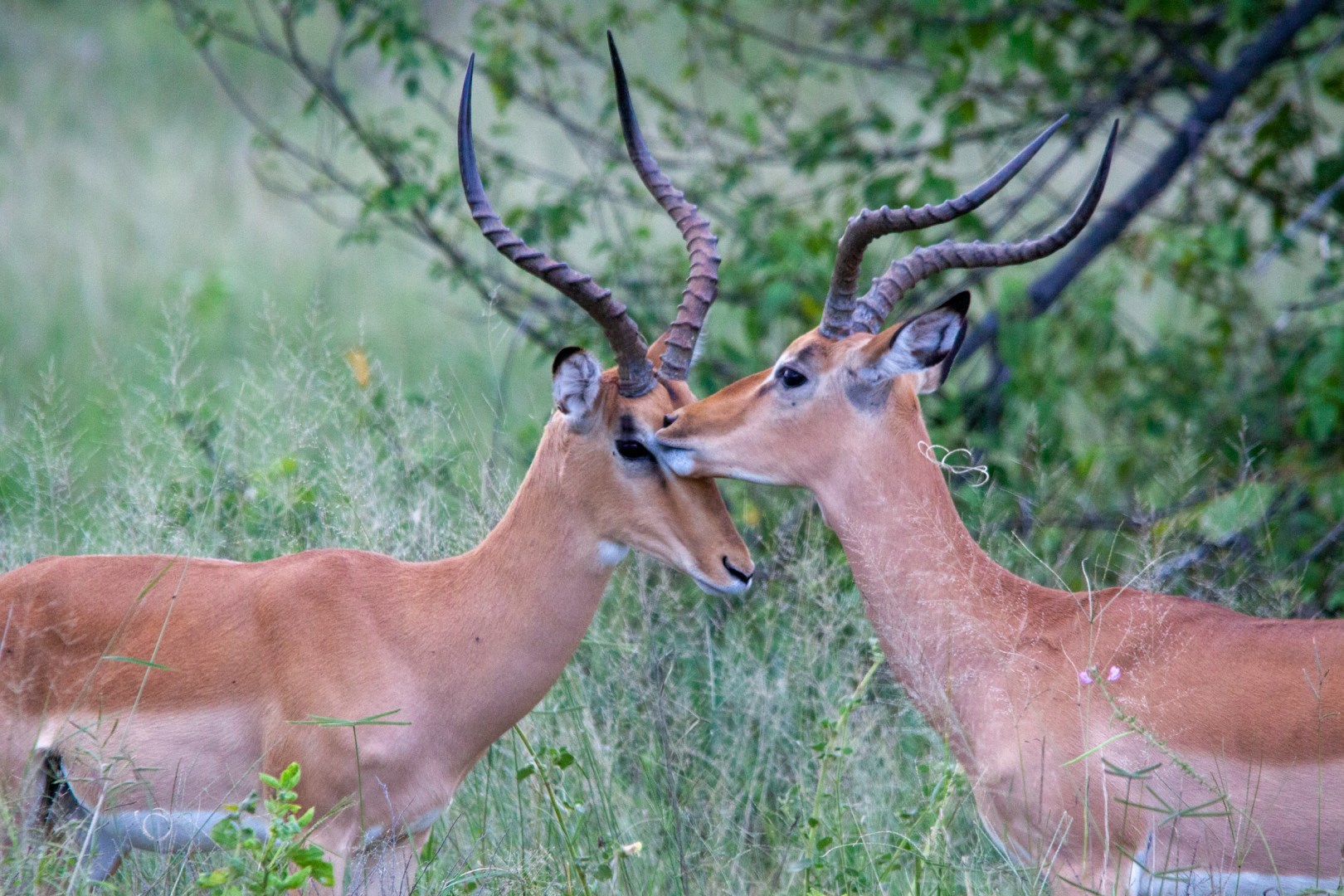
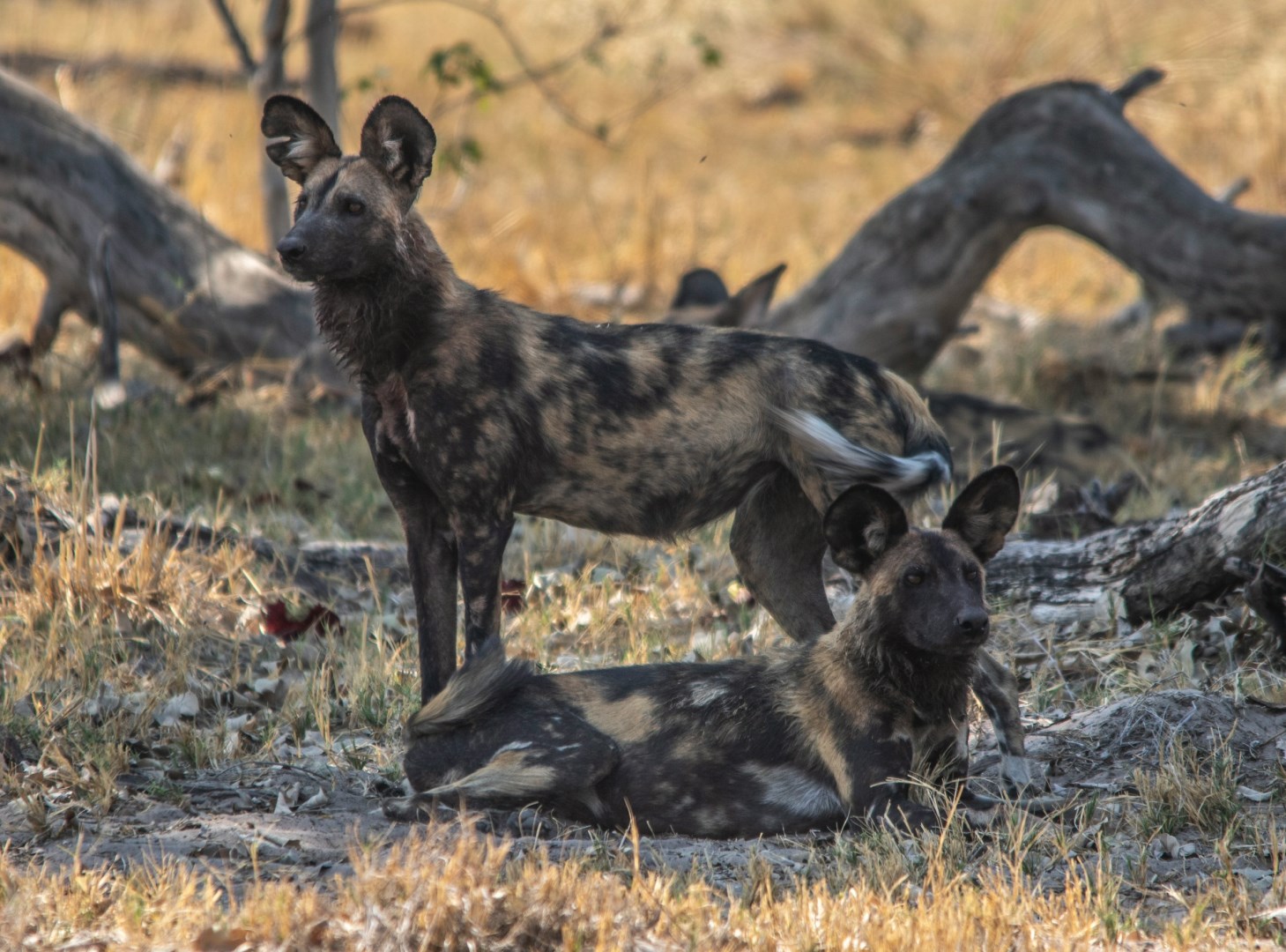
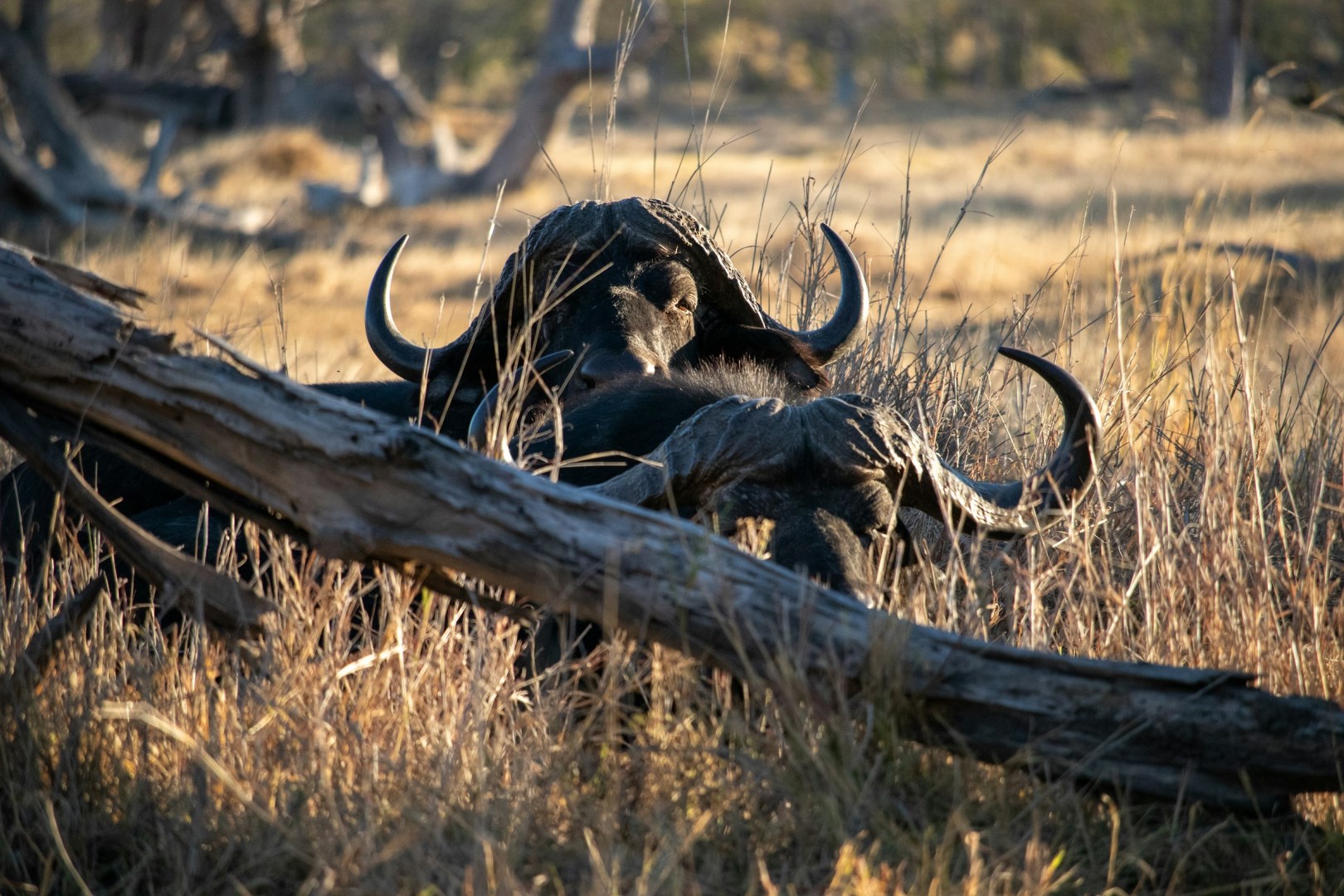
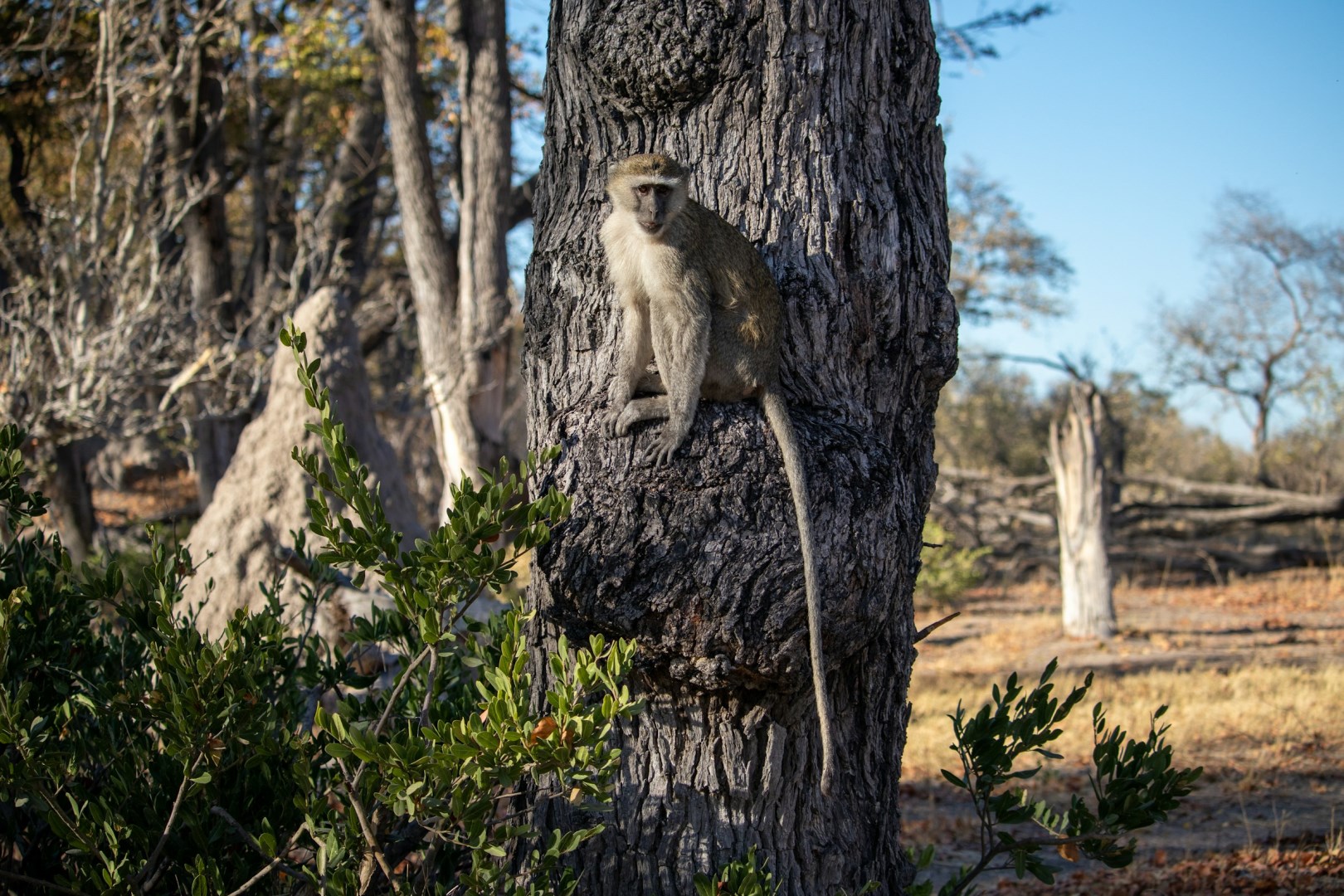
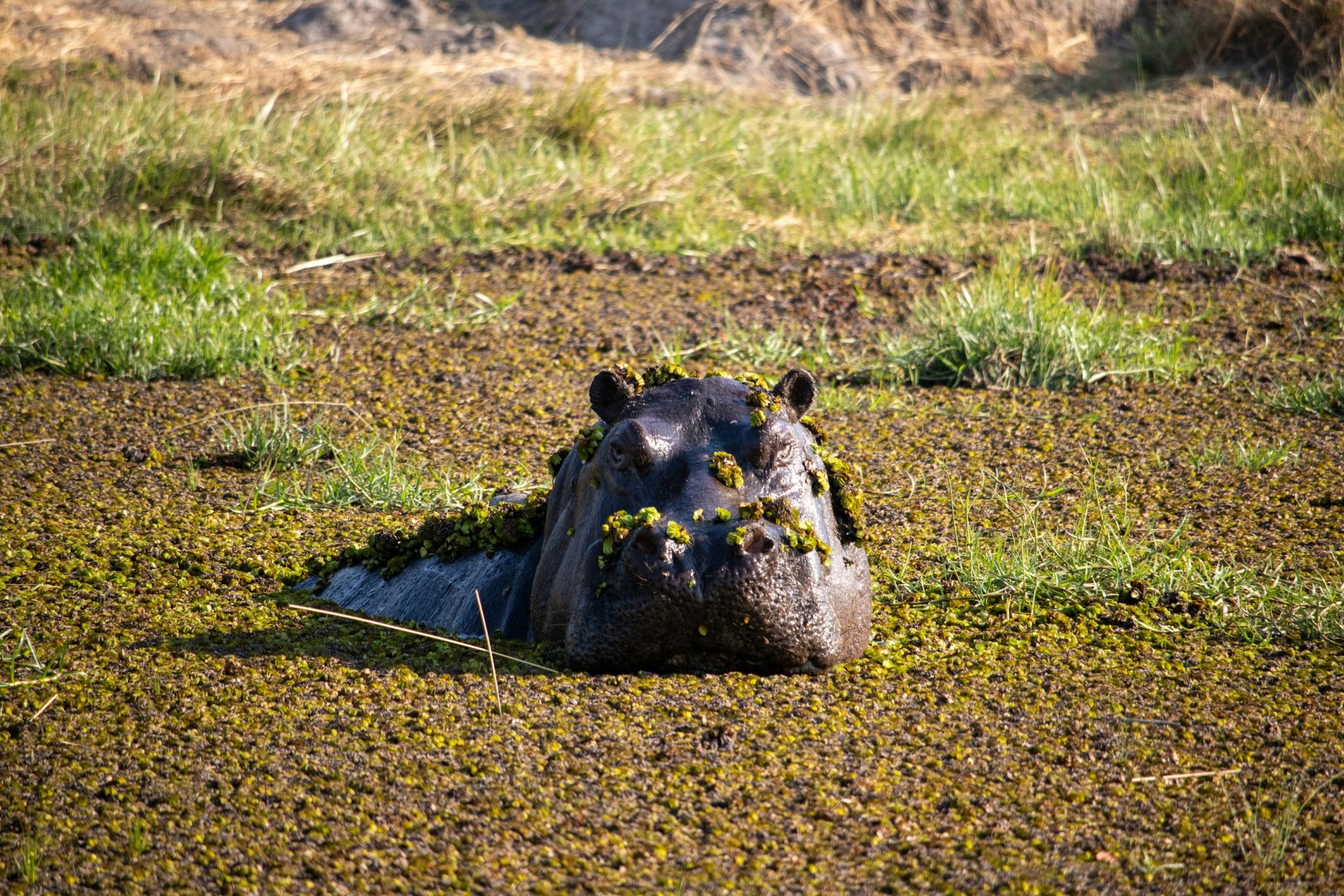
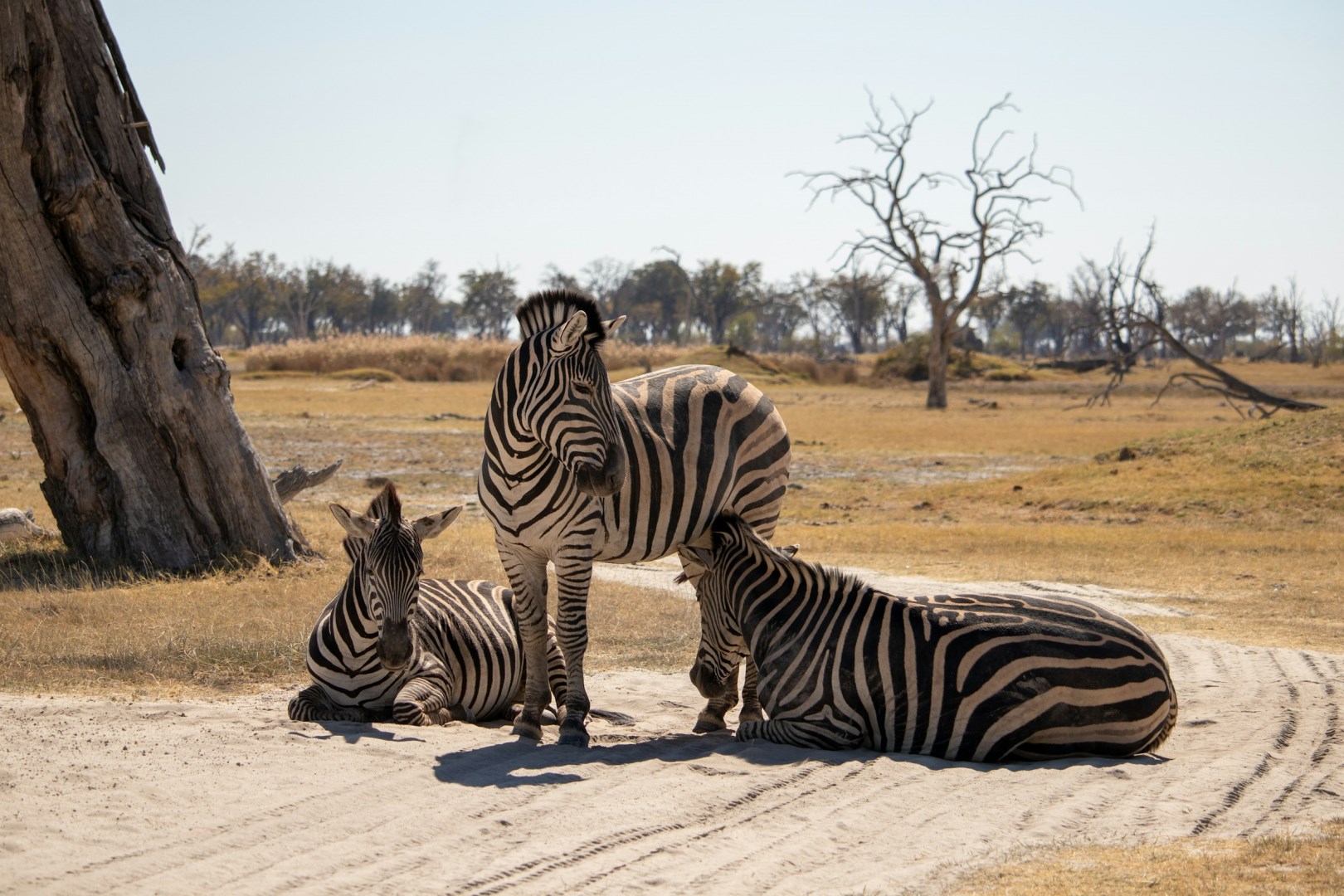
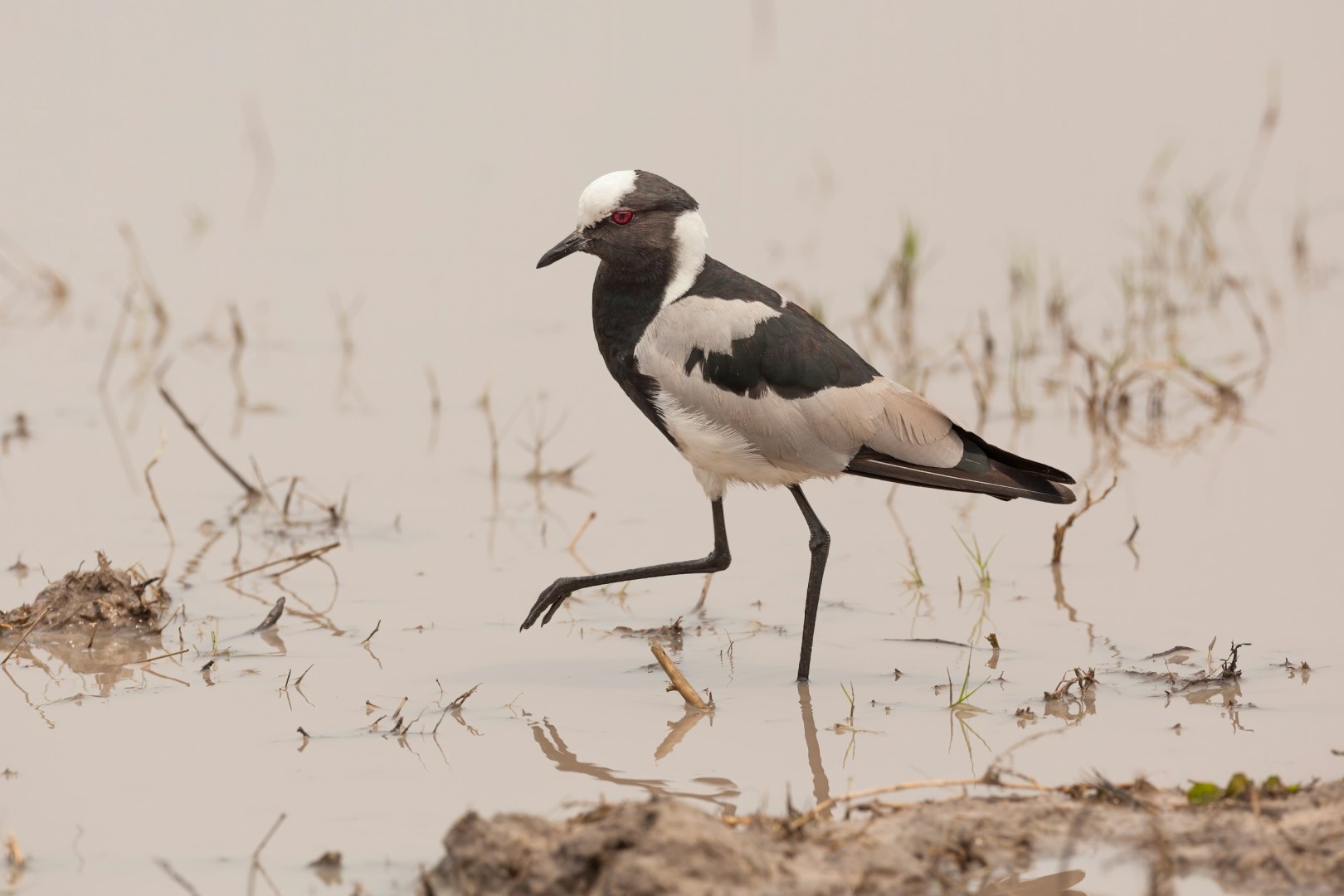
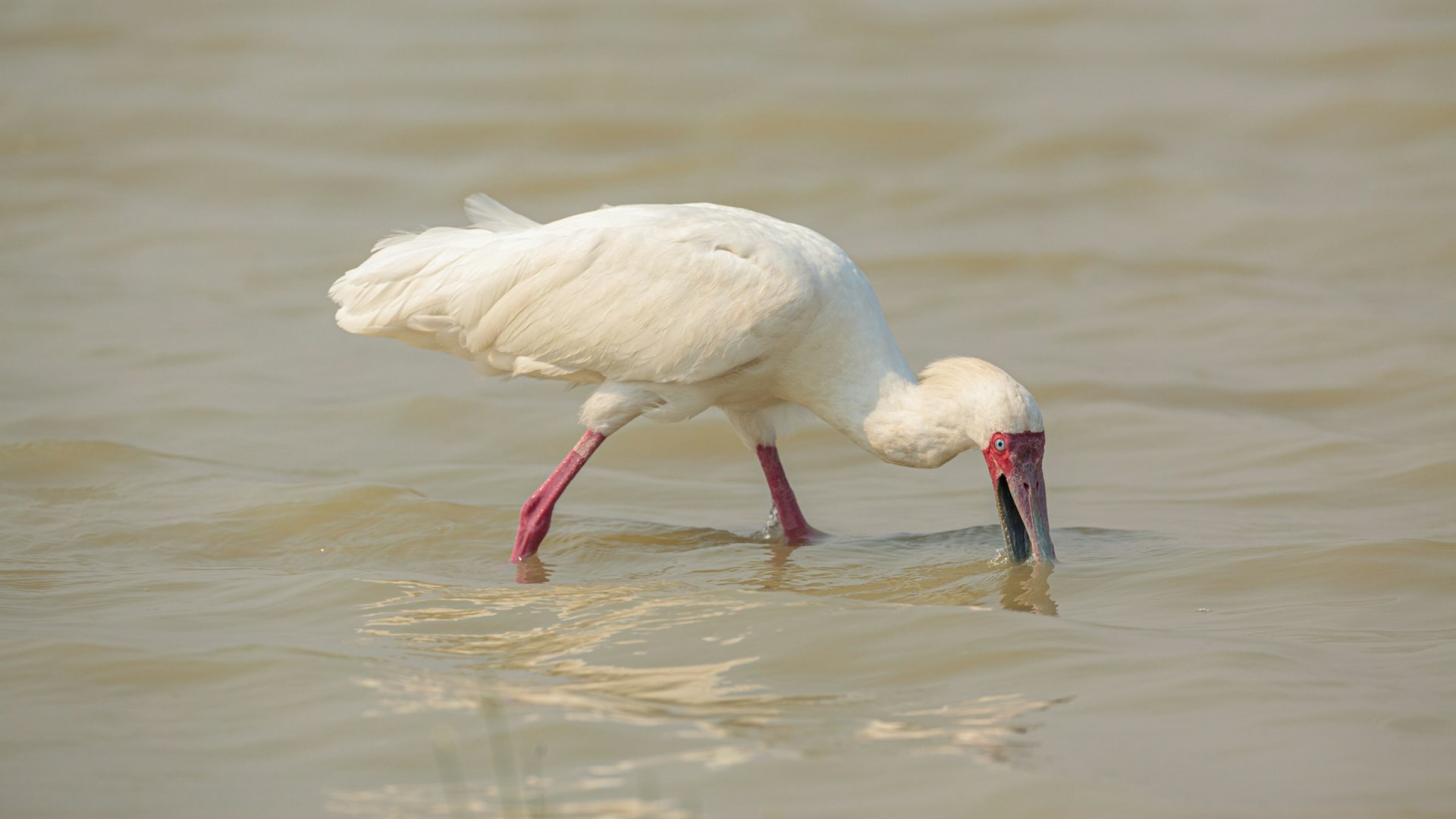
Moremi Wildlife Reserve, nestled in the heart of Botswana’s Okavango Delta, is a premier destination for those seeking an extraordinary safari experience. This pristine reserve, established in 1963, offers a rich tapestry of landscapes including lush floodplains, verdant woodlands, and expansive lagoons. Its diverse ecosystems make it one of Africa's most sought-after wildlife viewing locations. The reserve is renowned for its high concentration of game, including elephants, lions, leopards, and rare wild dogs. A visit here promises an immersive adventure, with opportunities for both traditional game drives and exhilarating mokoro (dugout canoe) safaris.
Moremi's unique terrain creates a dynamic environment for wildlife. The seasonal floodwaters from the Okavango Delta turn the area into a rich mosaic of wetlands and savannahs, attracting a plethora of bird species, including the colorful lilac-breasted roller and the majestic fish eagle. This varied habitat supports a thriving population of animals and makes for spectacular game viewing year-round. The reserve's commitment to conservation and sustainable tourism ensures that visitors experience its beauty in a manner that preserves its ecological integrity.
A fun fact about Moremi is that it was one of the first protected areas in Africa to be managed by a local community. Named after the Bakgatla-Ba-Kgafela Chief Moremi III, the reserve embodies the deep connection between the local people and their natural environment.
Moremi's unique terrain creates a dynamic environment for wildlife. The seasonal floodwaters from the Okavango Delta turn the area into a rich mosaic of wetlands and savannahs, attracting a plethora of bird species, including the colorful lilac-breasted roller and the majestic fish eagle. This varied habitat supports a thriving population of animals and makes for spectacular game viewing year-round. The reserve's commitment to conservation and sustainable tourism ensures that visitors experience its beauty in a manner that preserves its ecological integrity.
A fun fact about Moremi is that it was one of the first protected areas in Africa to be managed by a local community. Named after the Bakgatla-Ba-Kgafela Chief Moremi III, the reserve embodies the deep connection between the local people and their natural environment.
