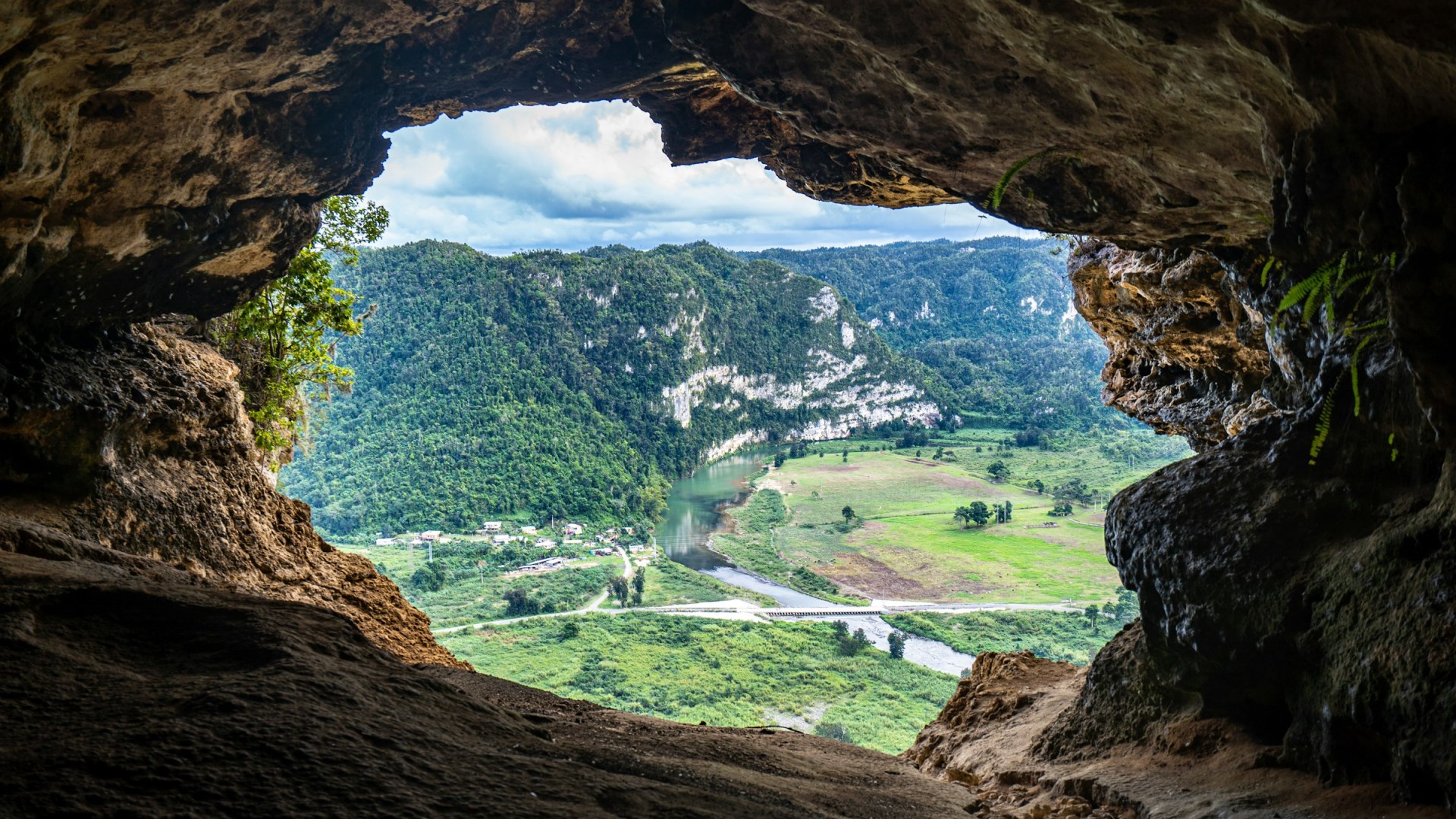
Arecibo is a coastal municipality on the north coast of Puerto Rico, where the Atlantic Ocean meets the island’s northern karst region. It is known for a varied landscape of beaches, limestone hills, caves, sinkholes, forests, and rivers, including the Río Grande de Arecibo and Río Tanamá.
Crete, the largest island in Greece, is a treasure trove of ancient myths, breathtaking landscapes, and vibrant local culture that entices travelers seeking both adventure and relaxation. Begin your journey at Knossos, the legendary palace of King Minos, where the labyrinth of the Minotaur myth was born.
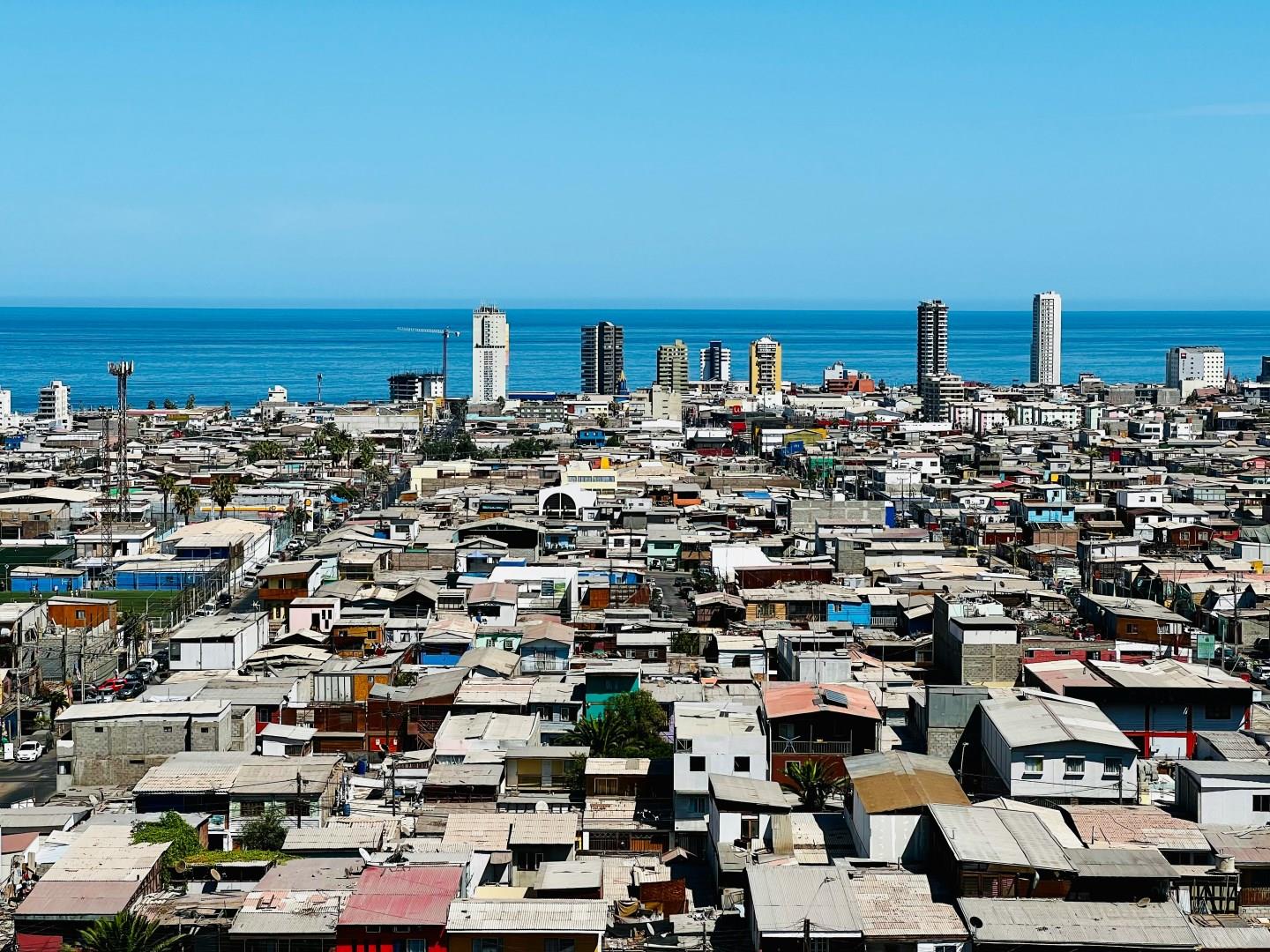
Iquique, perched between the Pacific Ocean and the sweeping sand dunes of the Atacama Desert, offers more than just sun and surf. This coastal city in northern Chile is a duty-free port, drawing visitors with its unique blend of high-end shopping, historic districts, and adrenaline-filled adventures. Whether wandering along the palm-lined Baquedano Boulevard or gliding down the towering sand dunes on a sandboard, Iquique surprises at every turn.
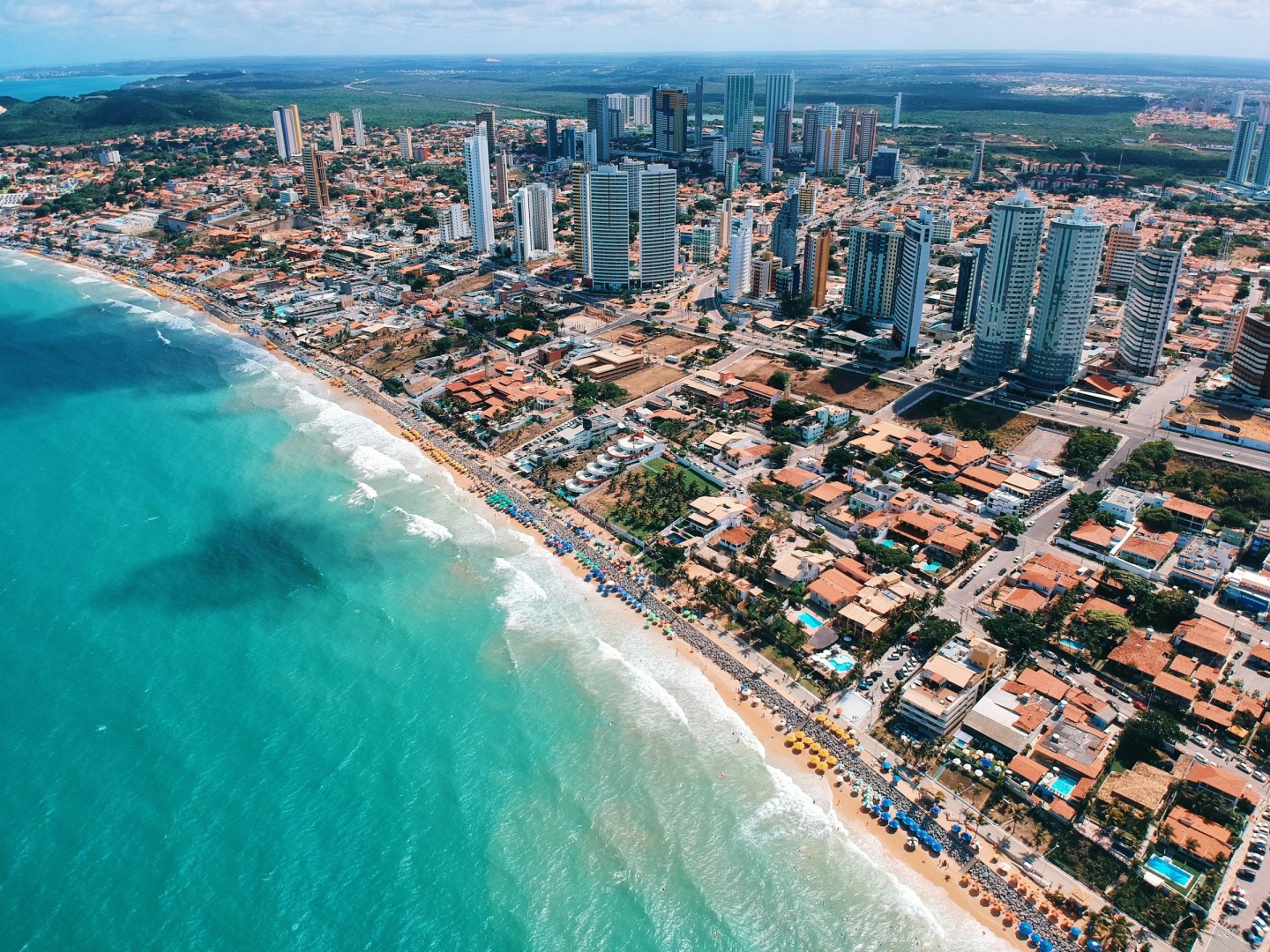
Thanks to the implementation of a coastal highway in the 1980s and the government's subsequent infrastructure investments, Natal is now the largest city in Brazil's Rio Grande do Norte. Visitors are drawn to its beautiful beaches, white sand dunes and a diverse cultural experience. The city also lays claim to having some of the cleanest air on the continent as well as the world's largest cashew tree, the Cajueiro de Pirangi, which produces roughly 70,000 nuts annually.
Spitsbergen is the largest island of Norway’s Svalbard archipelago, where the wonders of the Arctic come alive in breathtaking fashion. Known for its wild, untamed beauty, Spitsbergen offers travelers the chance to experience landscapes that are both surreal and majestic. From towering glaciers and jagged mountain peaks to expansive tundra and crystal-clear fjords, this frozen paradise is an explorer’s dream.
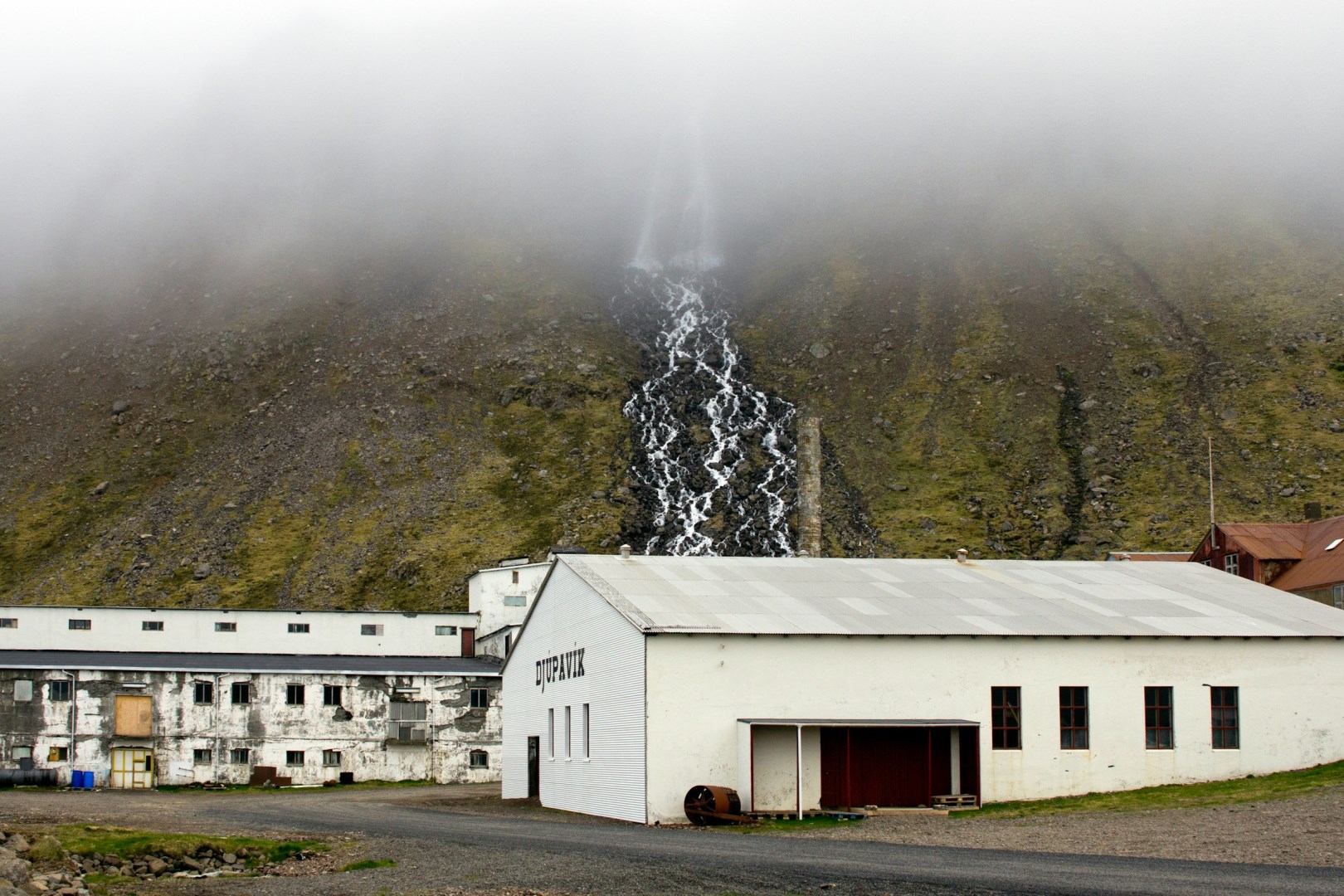
Djúpavík is a tiny settlement on the shore of Reykjarfjörður in the remote Strandir region of Iceland’s Westfjords. The village is surrounded by steep mountains, a narrow fjord, and largely undeveloped coastal landscapes, with only a handful of buildings clustered beside the water. Its identity is closely tied to the abandoned herring-processing complex that dominates the settlement.
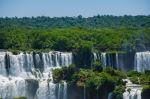
Situated in the Parque Nacional Iguazú near Puerto Iguazú, these spectacular falls lie just east of the confluence of the Iguazu and Paraná rivers. At least 5000 cubic m of water per second plunge the 70m into the abyss below. If they look familiar, it's because they were the supporting actors in the film The Mission; appropriately, the area has historic ruins of Jesuit missions which also draw many visitors. San Ignacio Miní, built in a style of architecture known as 'Guaraní
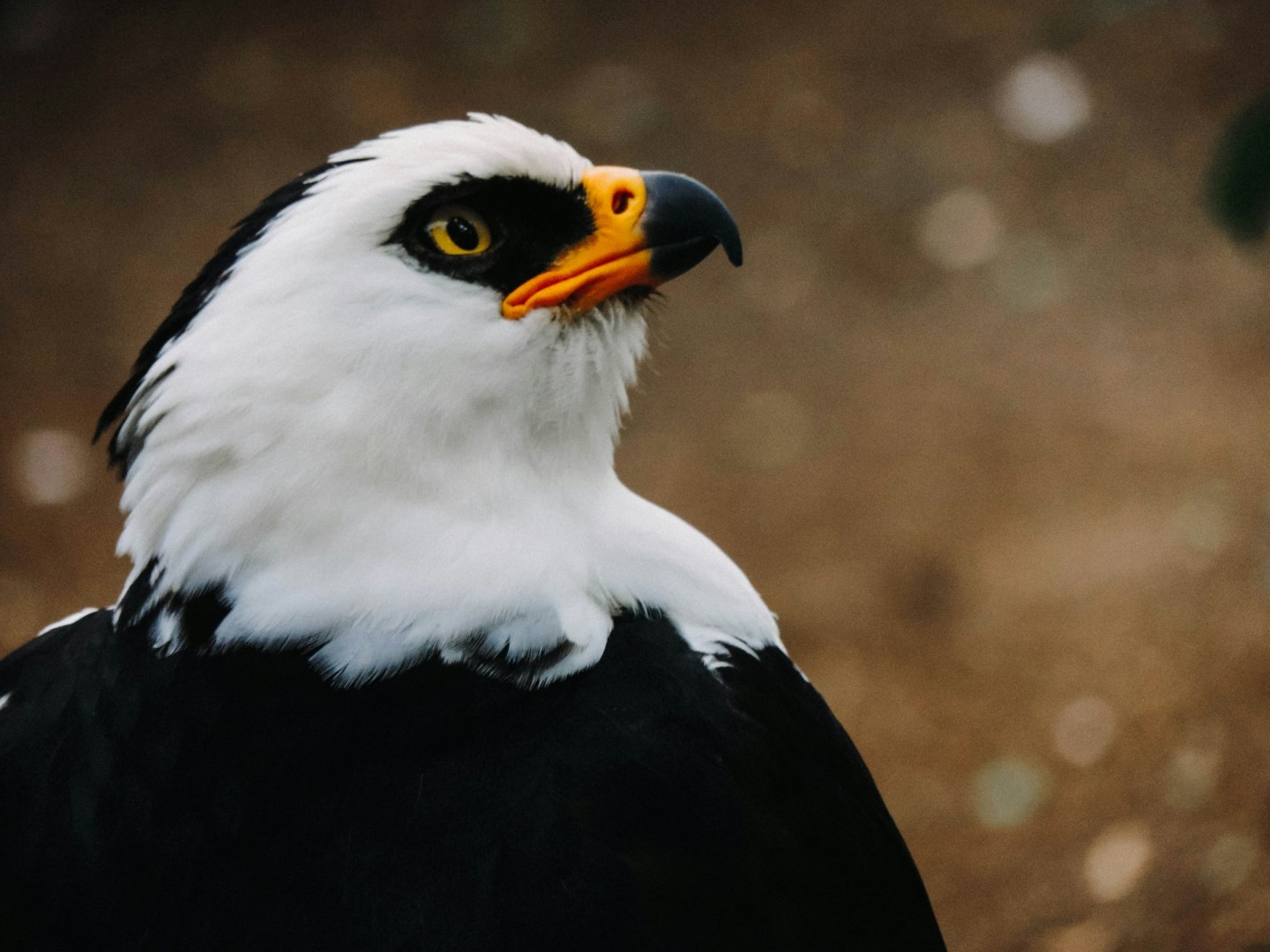
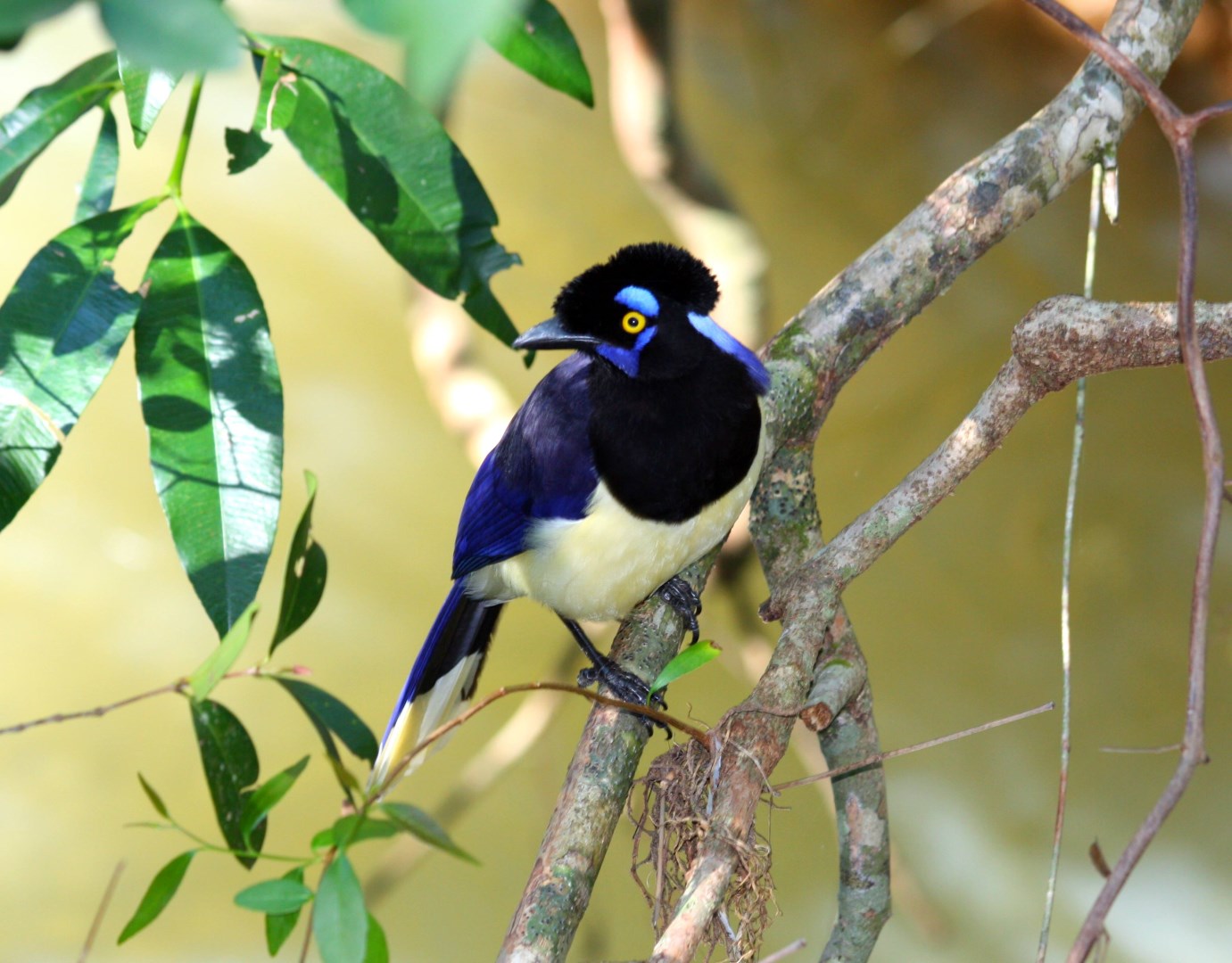
baroque', is especially popular. Above the falls, the waters are suitable for canoeing, kayaking and other water sports. The surrounding park is home to 55,000 hectares of pristine subtropical rainforest, with abundant wildlife and plant species.
Other Popular Destinations in Argentina
Buenos Aires
Buenos Aires, the vibrant political and cultural capital of Argentina, has become an enticing destination for many travelers and a must-see destination in South America. Founded in the sixteenth century by Spanish explorers, Buenos Aires has since developed its own unique flair.
Ushuaia
Are you ready to go to the End of the World? Stunning views of snow-capped mountain peaks await you in Ushuaia, located on the southernmost tip of South America. This small coastal town sits between the Martial Mountains and the Beagle Channel and is a popular embarkation point for Antarctic cruises. Visit some of Ushuaia's popular attractions, including Les Éclaireurs Lighthouse, Tierra del Fuego National Park, Lapataia Bay, and the Museo del Fin del Mundo.