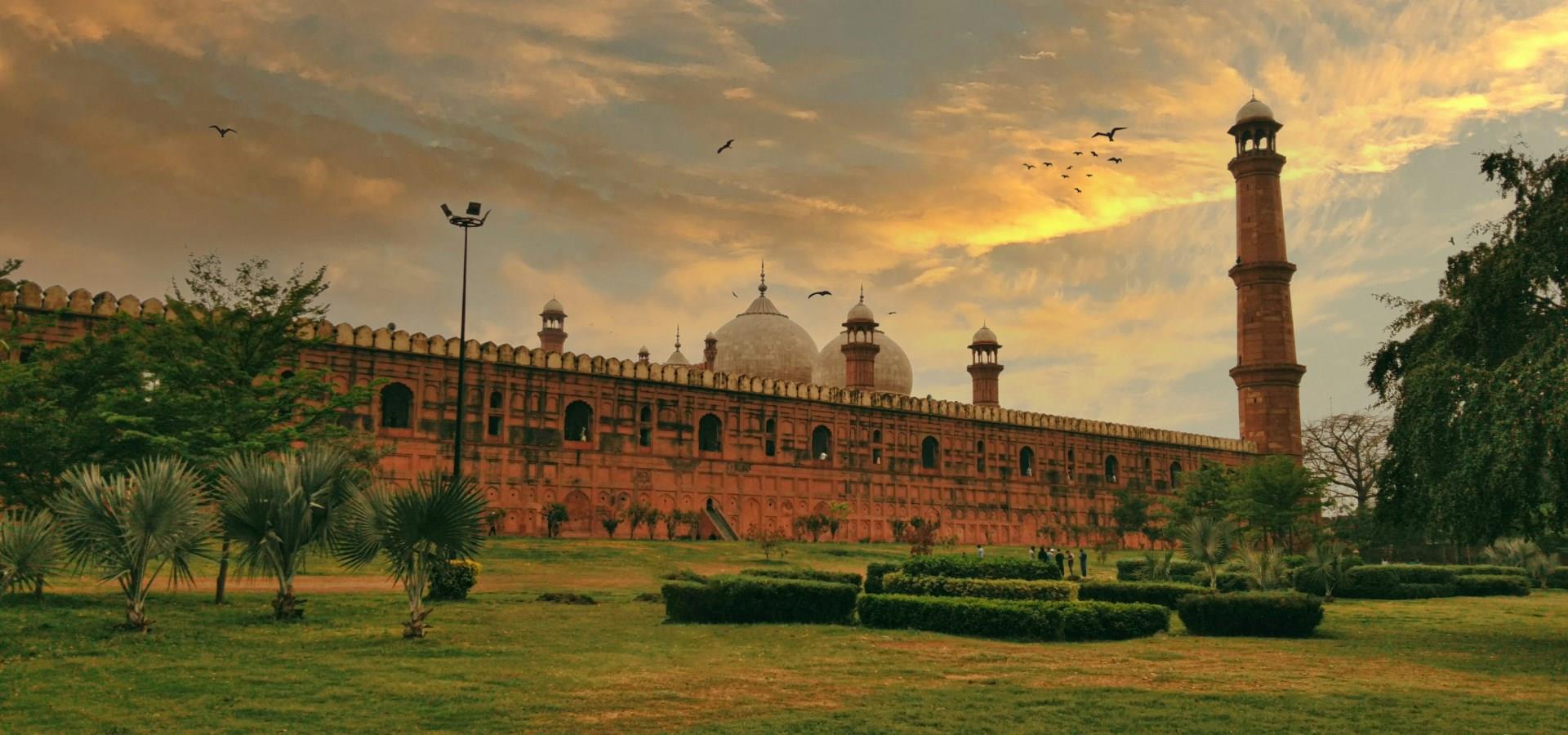
Lahore, the cultural heart of Pakistan, is a city where history, art, and culinary traditions come alive. Known for its vibrant streets and historic architecture, Lahore showcases iconic landmarks such as the Badshahi Mosque, Lahore Fort, and Shalimar Gardens, which reflect the grandeur of the Mughal era.
Normandy is a province along the Northwestern coast of France. It was the site of the important World War II landings and battle and one of the most fascinating regions of France. This land is rich in legend and scenic splendor. Visit coastal villages, museums, fortresses and fragrant gardens.
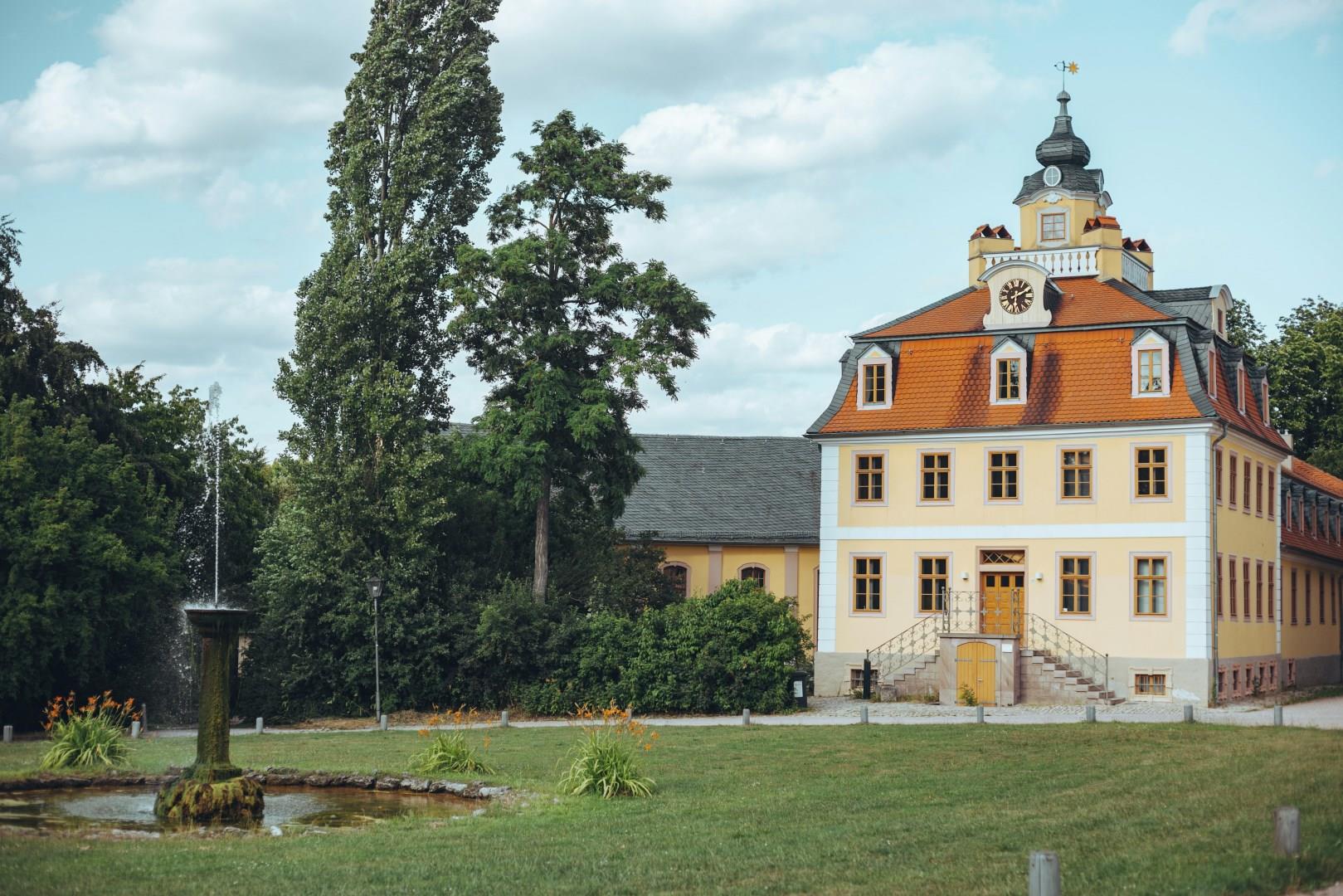
Weimar, located in the heart of Germany’s Thuringia region, is a city renowned for its cultural heritage, classical architecture, and pivotal role in European history.
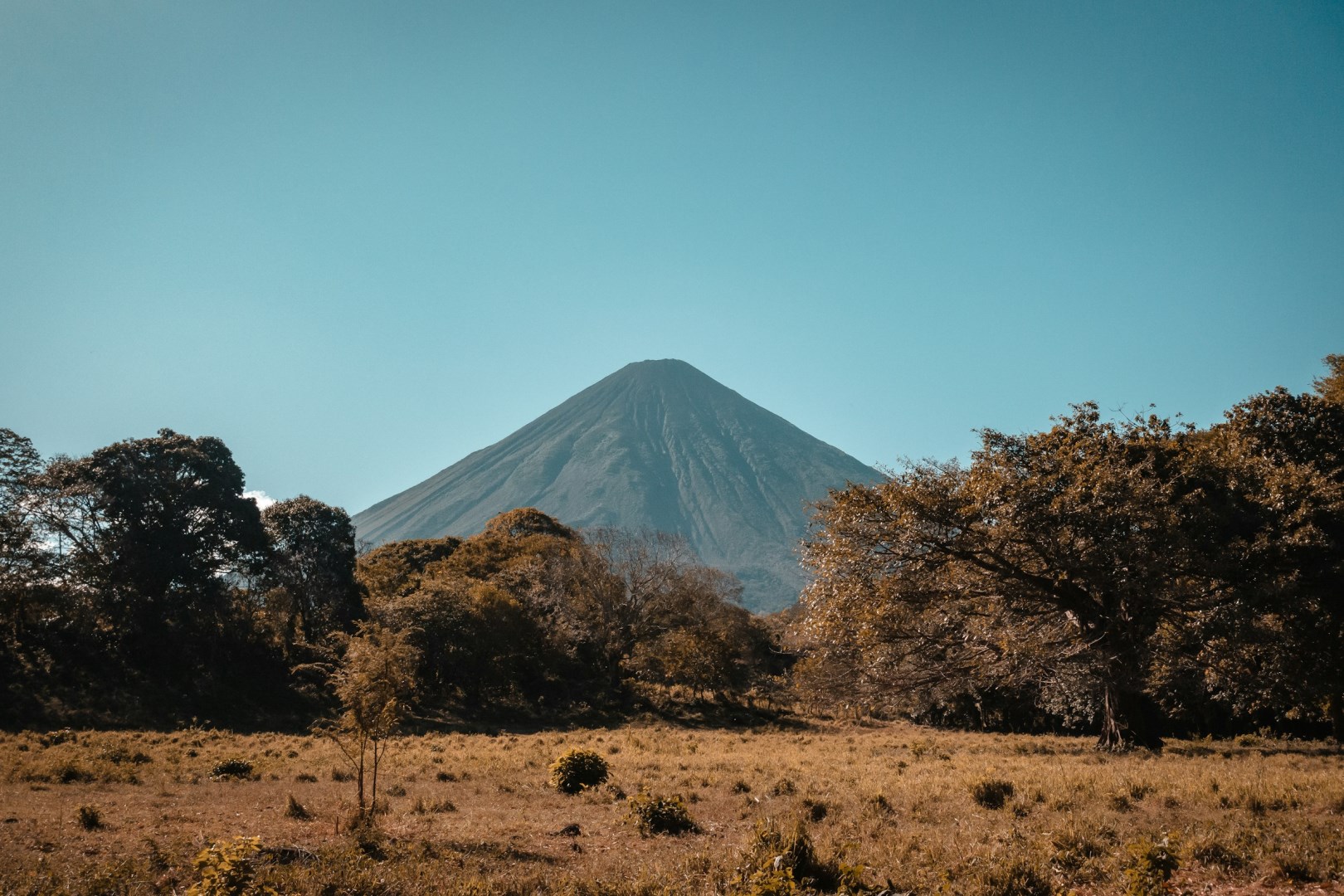
Ometepe is an island in southwestern Nicaragua, located in Lake Nicaragua and formed by two volcanoes joined by a narrow isthmus. Concepción rises on the northern side of the island, while Maderas occupies the southern section. The island includes the municipalities of Moyogalpa and Altagracia and has a landscape of farms, forests, wetlands, beaches, and rural communities.
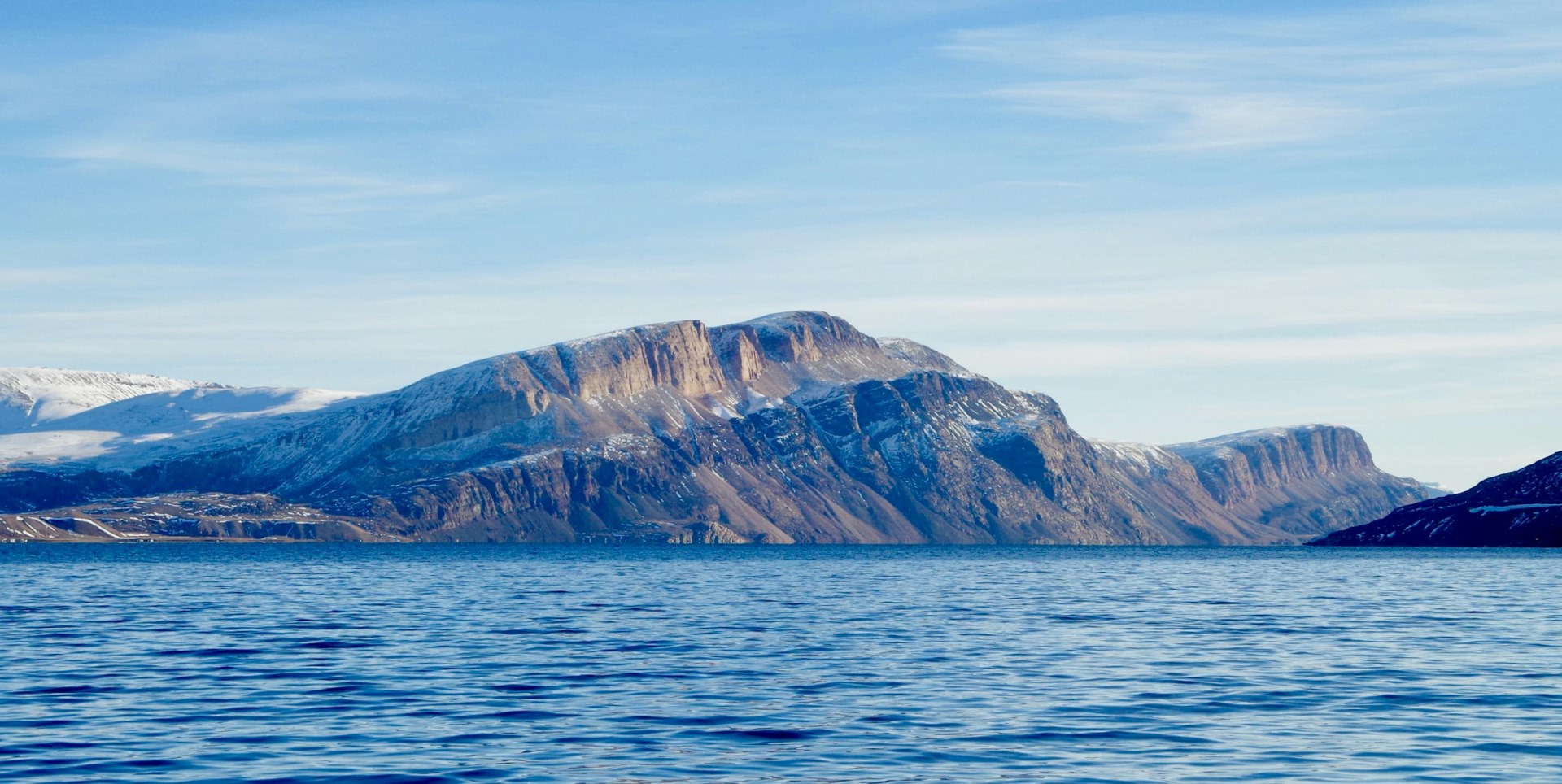
Arctic Bay is a small Inuit community on the northern coast of Baffin Island in Nunavut, situated beside Adams Sound in a landscape of mountains, sea ice, tundra, and rocky shoreline. The community is surrounded by low Arctic terrain and lies within a region known for long periods of winter darkness, seasonal sea ice, and cool summers.
Jaipur, the capital of Rajasthan, is often called the “Pink City” for the terracotta-hued buildings that line its historic streets. Founded in 1727, it was one of India’s first planned cities, designed with wide avenues and grand public squares.
Photo Credit: Photo by Meg von Haartman on Unsplash
Photo Credit: Photo by Ming Chen on Unsplash
Photo Credit: Photo by Letian Zhang on Unsplash
Photo Credit: Photo by Meina Yin on Unsplash
Photo Credit: Photo by Angela Márquez on Unsplash
Photo Credit: Photo by Adèle Beausoleil on Unsplash
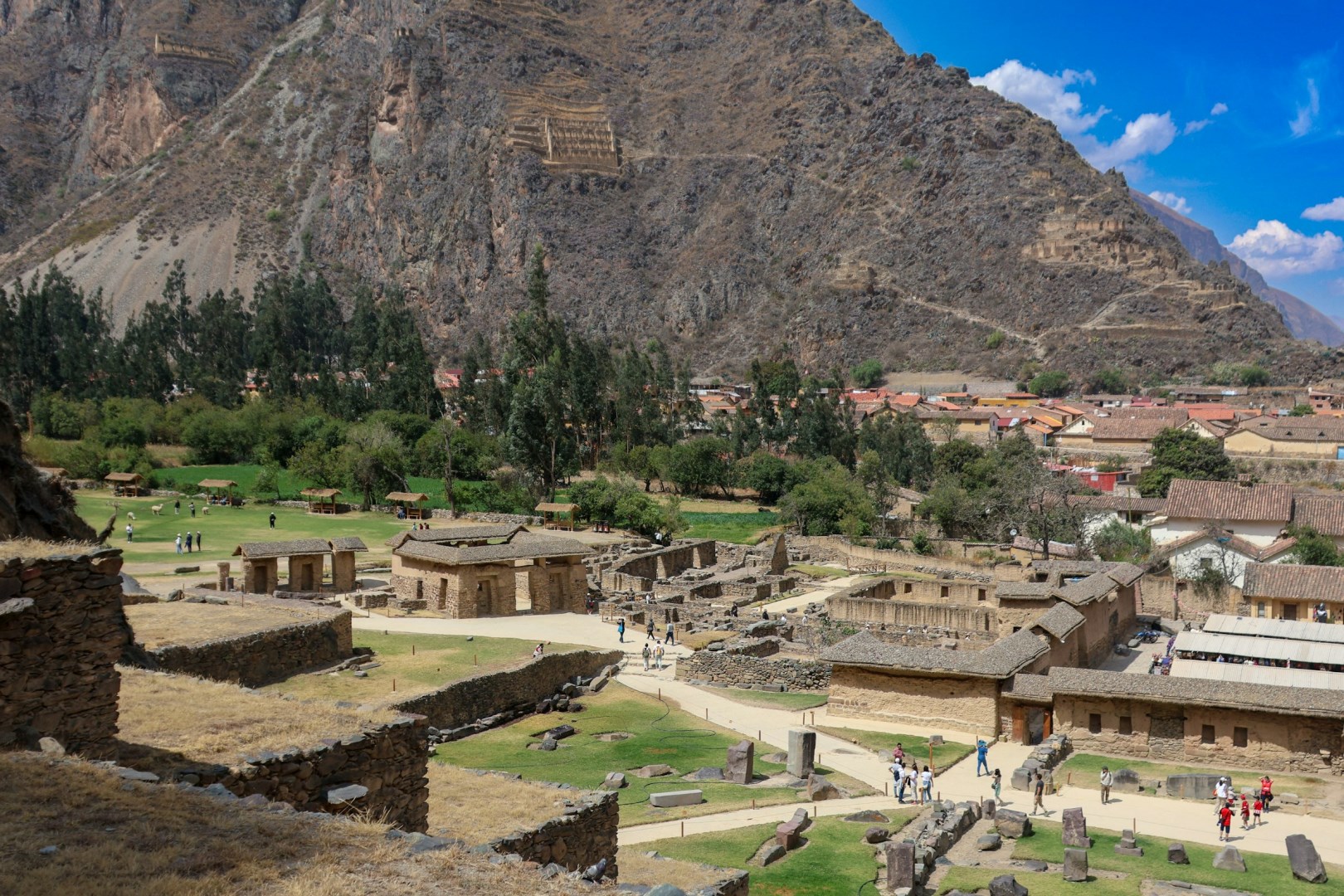
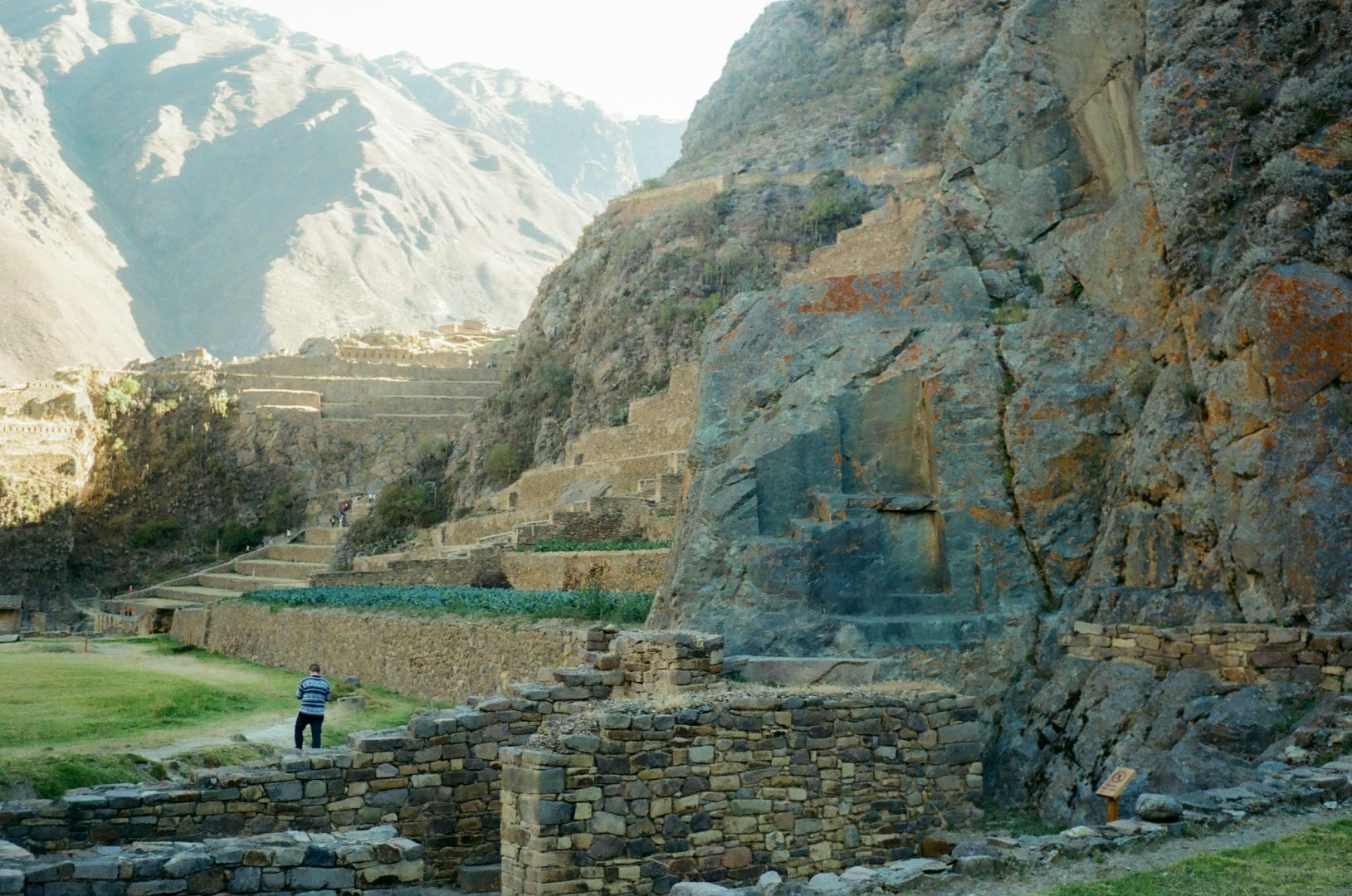
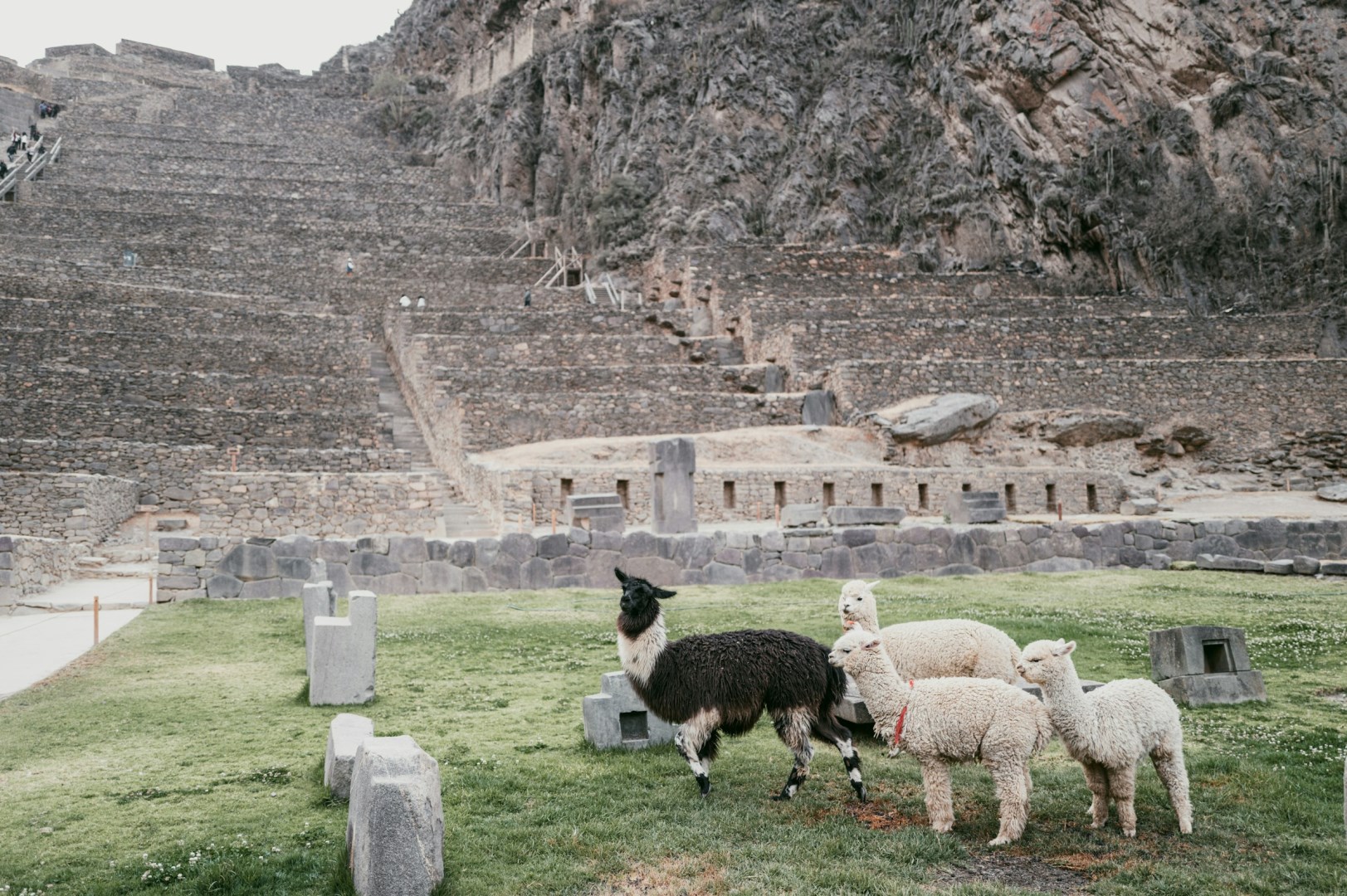
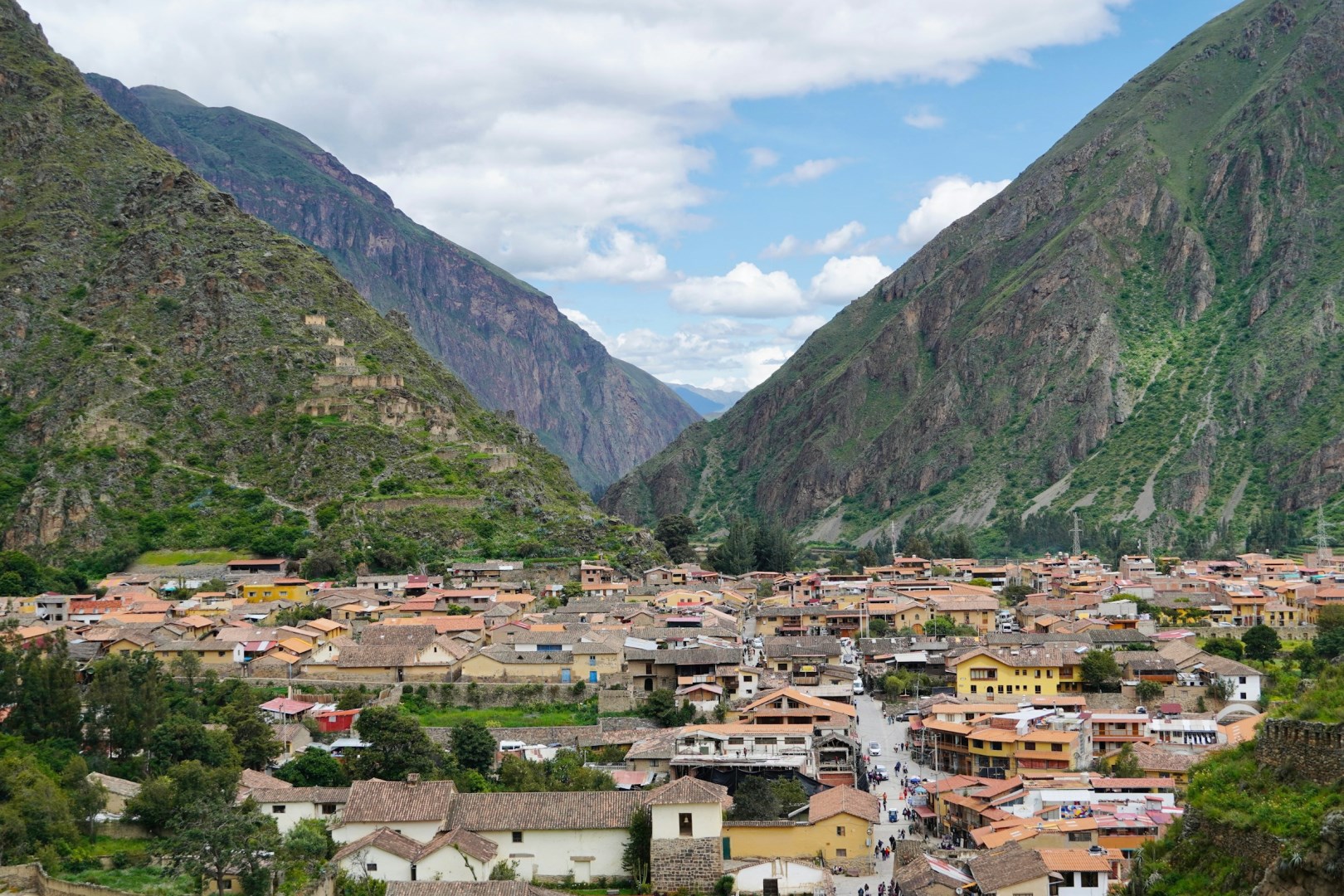
Most commonly reached via travel from Cusco, Ollantaytambo is an Incan archaeological site in the Sacred Valley of southern Peru. The town dates from the late 15th century and is home to some of the oldest continuously-occupied dwellings in South America. Its primary attraction is the fortress ruins, and it's also a favorite starting point for the famous Inca Trail, a four-day, three-night hike to Machu Picchu.
Other Popular Destinations in Peru
Cusco
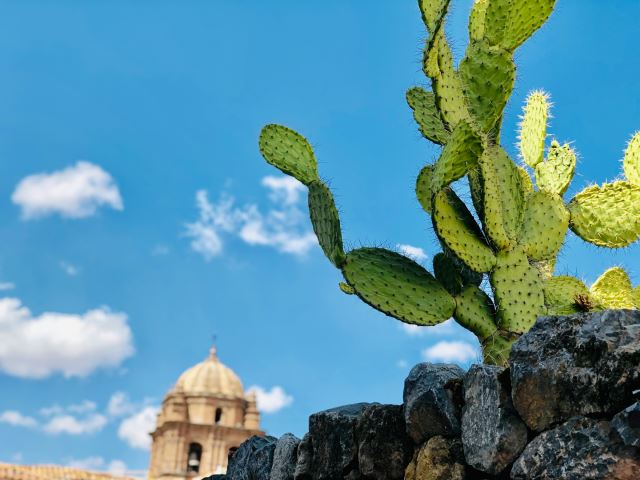
Cusco once served as the heart of the Inca Empire, and that legacy still shapes every corner of the city even as it serves as a gateway to Machu Picchu. Outside the historic center, the ruins of Sacsayhuamán overlook the city from a nearby hilltop. This ceremonial complex is best known for its massive zigzag stone walls, some weighing over 100 tons. During the Inti Raymi festival in June, thousands gather here to reenact ancient Andean rituals.
Machu Picchu
Machu Picchu is a story carved into stone, perched nearly 2,500 meters above sea level in the cloud forests of southern Peru. Built in the 15th century and later abandoned, this Inca citadel was unknown to the outside world until 1911, when explorer Hiram Bingham brought it to international attention. Today, it remains remarkably well-preserved, with more than 150 stone structures, terraced fields, ceremonial fountains, and temples aligned with astronomical events.