

Perched on the southern coast of Iceland, the quaint village of Vík í Mýrdal, or simply Vík, is a destination that defies expectations with its dramatic landscapes and unique charm. Known as Iceland’s southernmost village, Vík is famed for its striking black sand beach, Reynisfjara, consistently ranked among the most beautiful non-tropical beaches in the world.
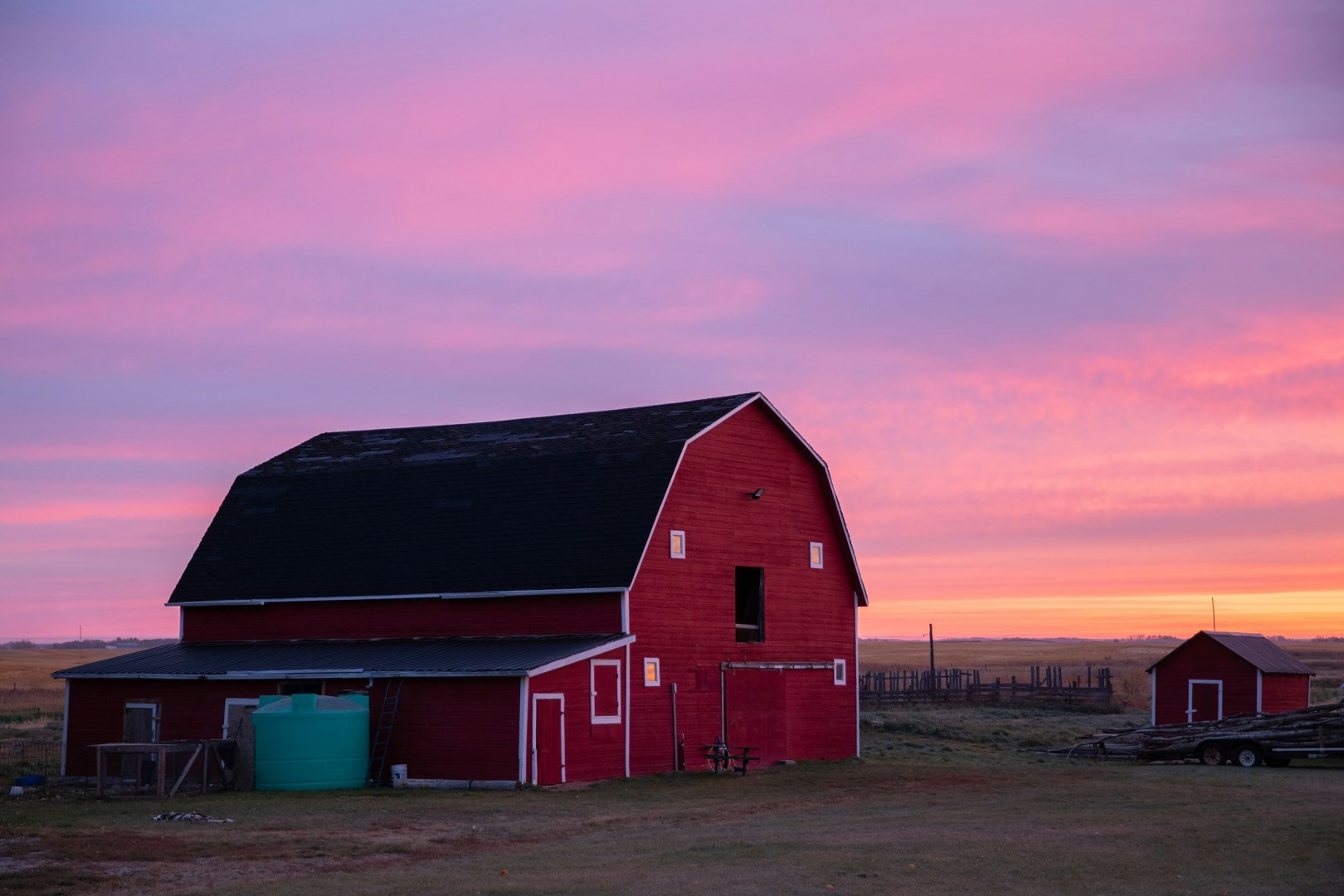
Regina is the provincial capital of Saskatchewan. Covering an area of 251,699 sq. miles, this Canadian heartland is ripe with sprawling farmlands and fertile soil producing almost one-third of North America's wheat supply. The Metis people populate a sparse area of the territory's northern wilderness of lakes, swamps and forest.
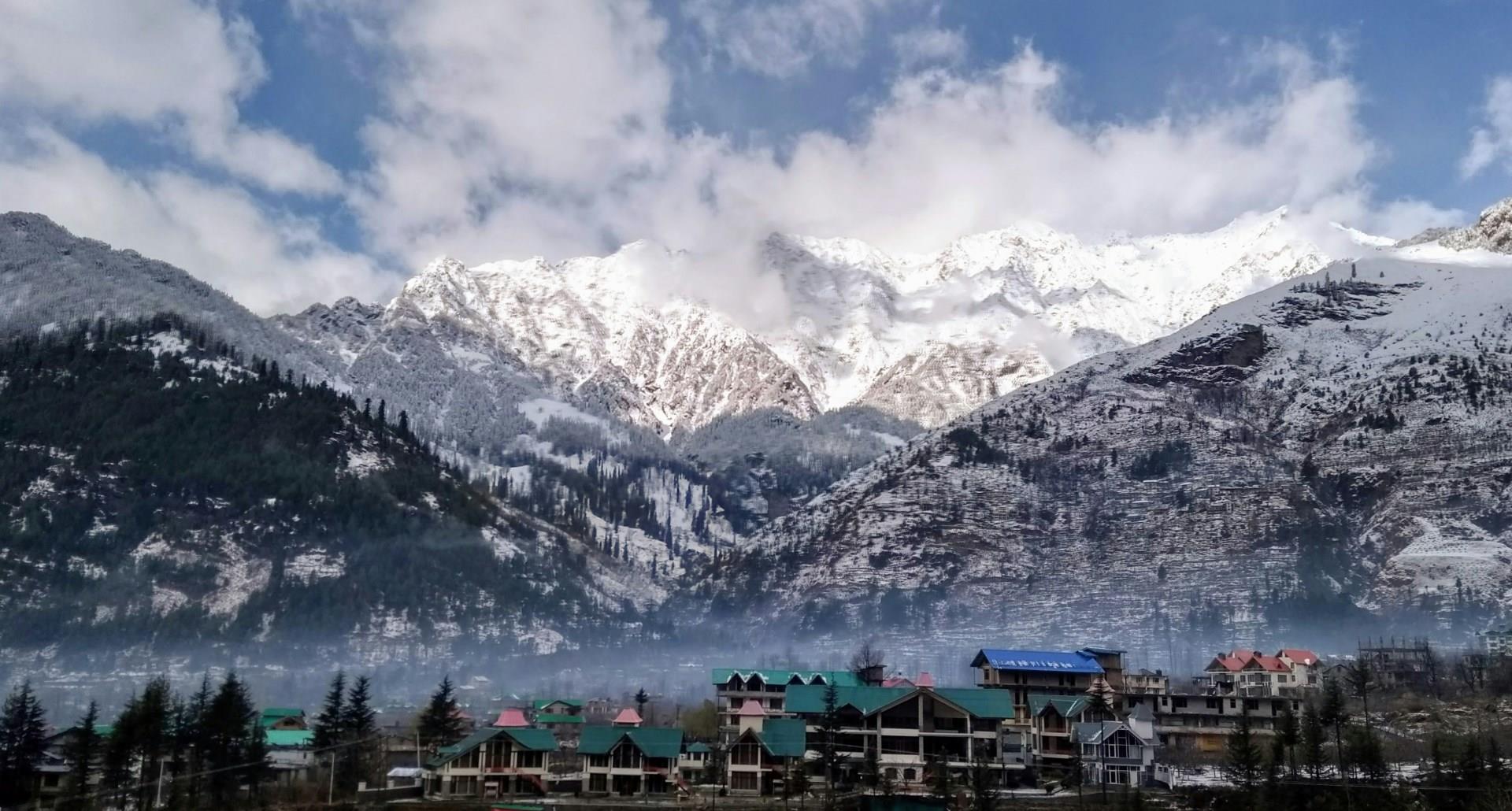
High in the Kullu Valley of Himachal Pradesh, Manali is where snow-dusted peaks, rushing rivers, and quiet cedar forests come together to create a destination full of experiences. The town sits beside the Beas River at nearly 2,000 meters above sea level, offering a refreshing escape from India’s plains. Legend says the name “Manali” comes from “Manu-Alaya,” meaning the home of sage Manu, who is believed to have repopulated the world after a great flood.
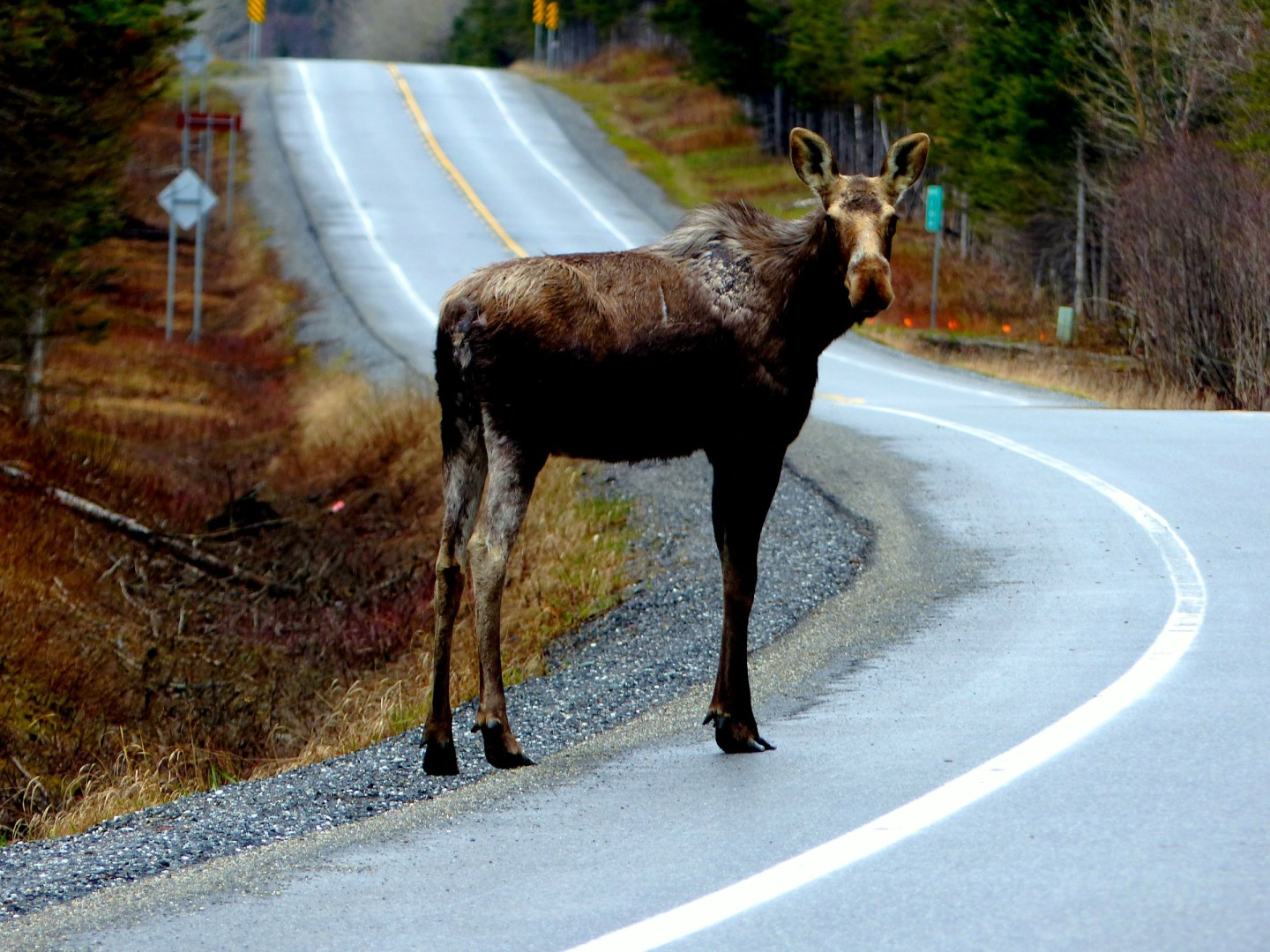
Gaspésie National Park lies in the heart of Quebec's Gaspé Peninsula, protecting more than 800 square kilometres of mountains, forests, rivers, and alpine environments. The park encompasses parts of the Chic-Choc and McGerrigle mountain ranges, including more than 25 peaks rising above 1,000 metres.
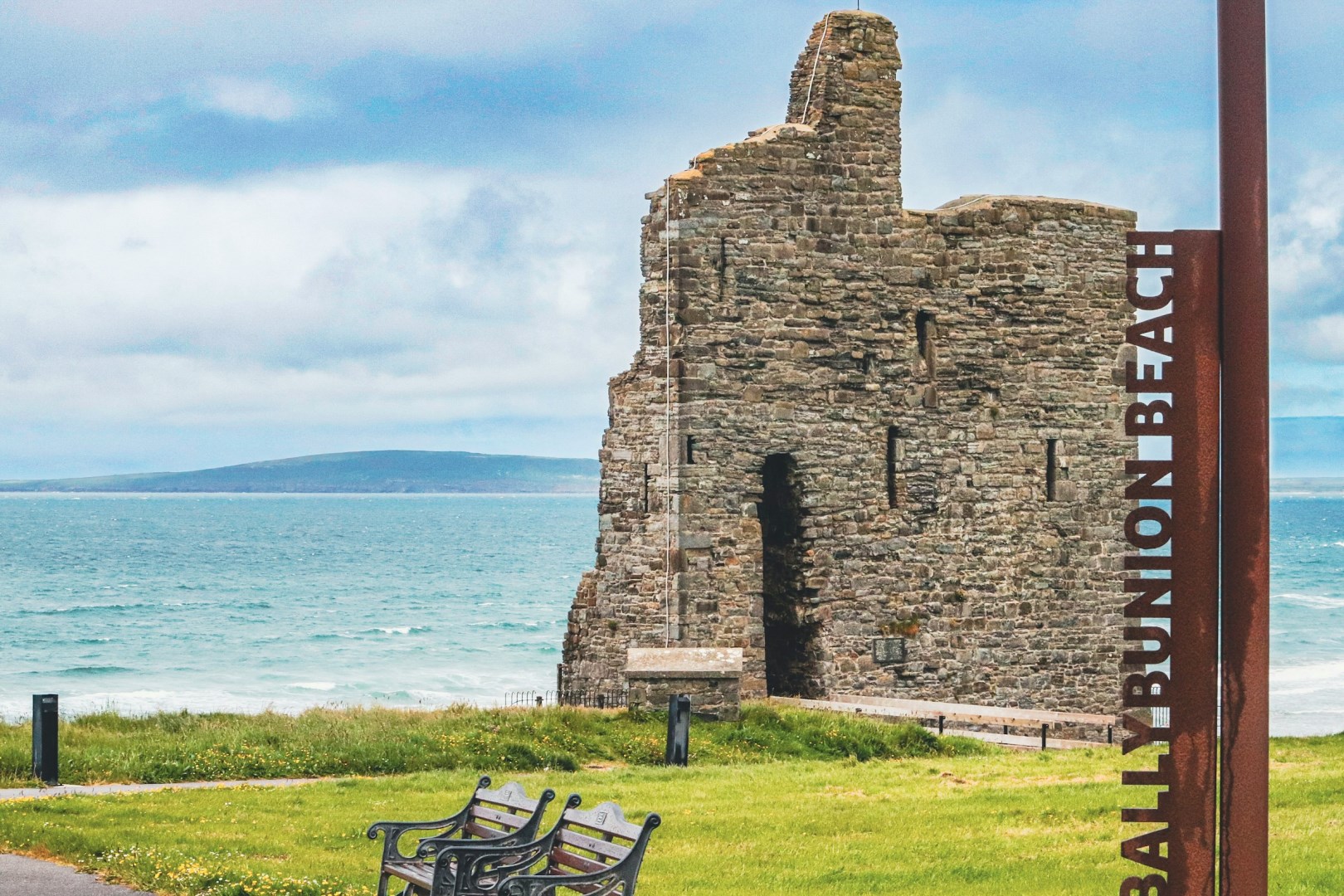
Ballybunion is a coastal town in County Kerry on Ireland’s southwest coast, overlooking the Atlantic Ocean. It is known for broad sandy beaches, high cliffs, sea caves, and a rocky shoreline shaped by the Atlantic. The town sits beside Ballybunion Beach, with the ruins of Ballybunion Castle standing on a headland above the coast.
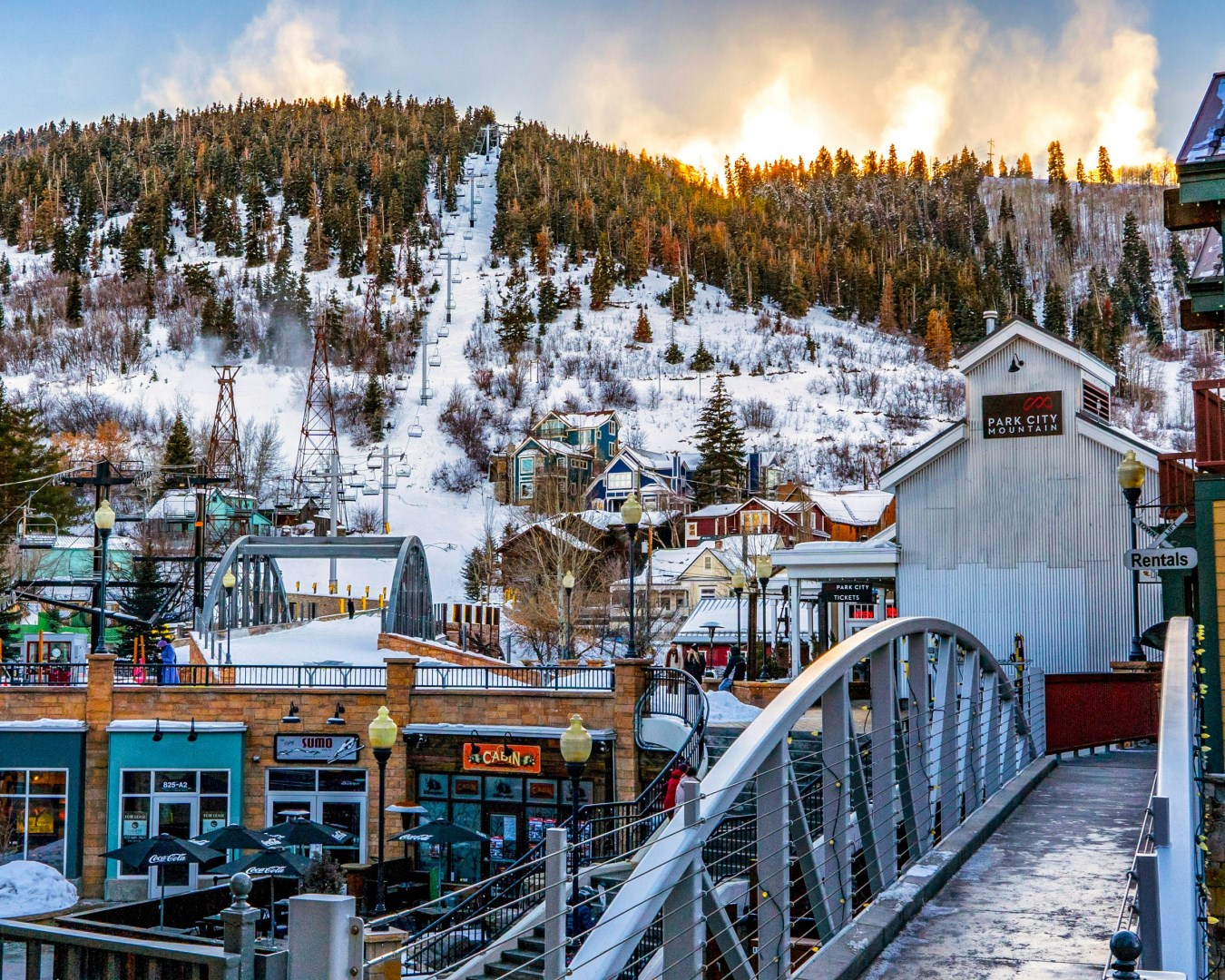
Photo Credit: Photo by Olivia Hutcherson on Unsplash
Photo Credit: Photo by Gabriel Tovar on Unsplash
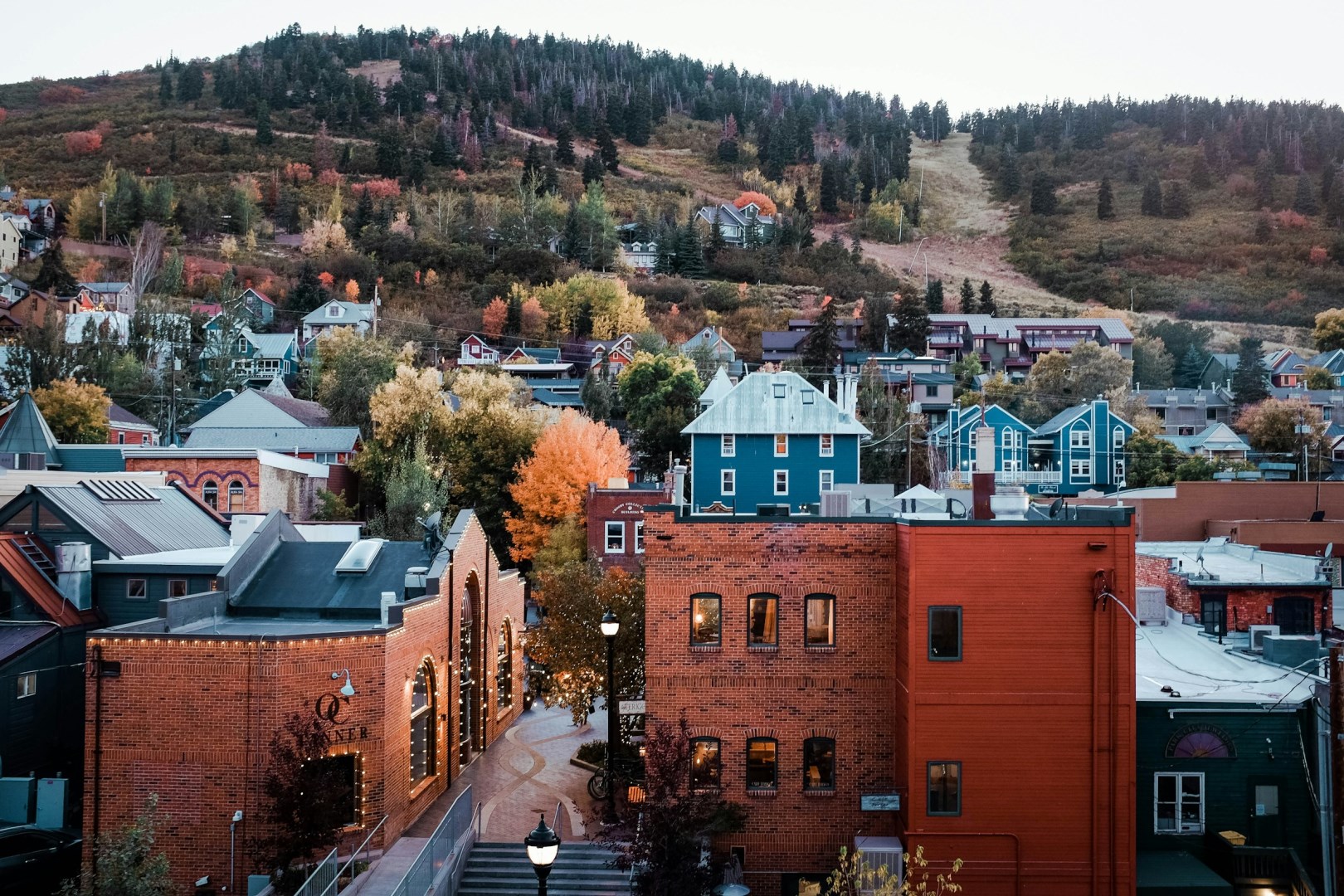
Photo Credit: Photo by Olivia Hutcherson on Unsplash
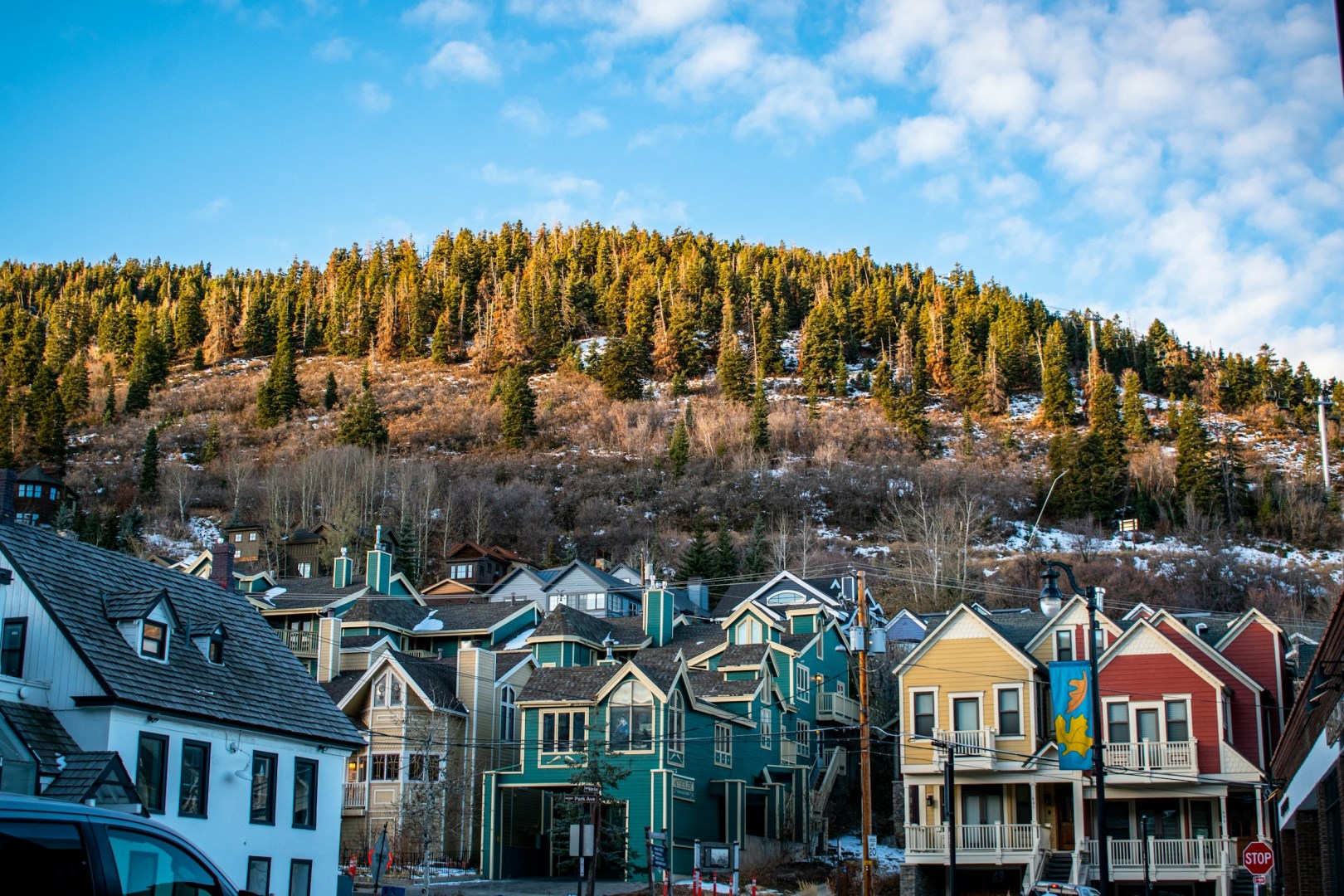
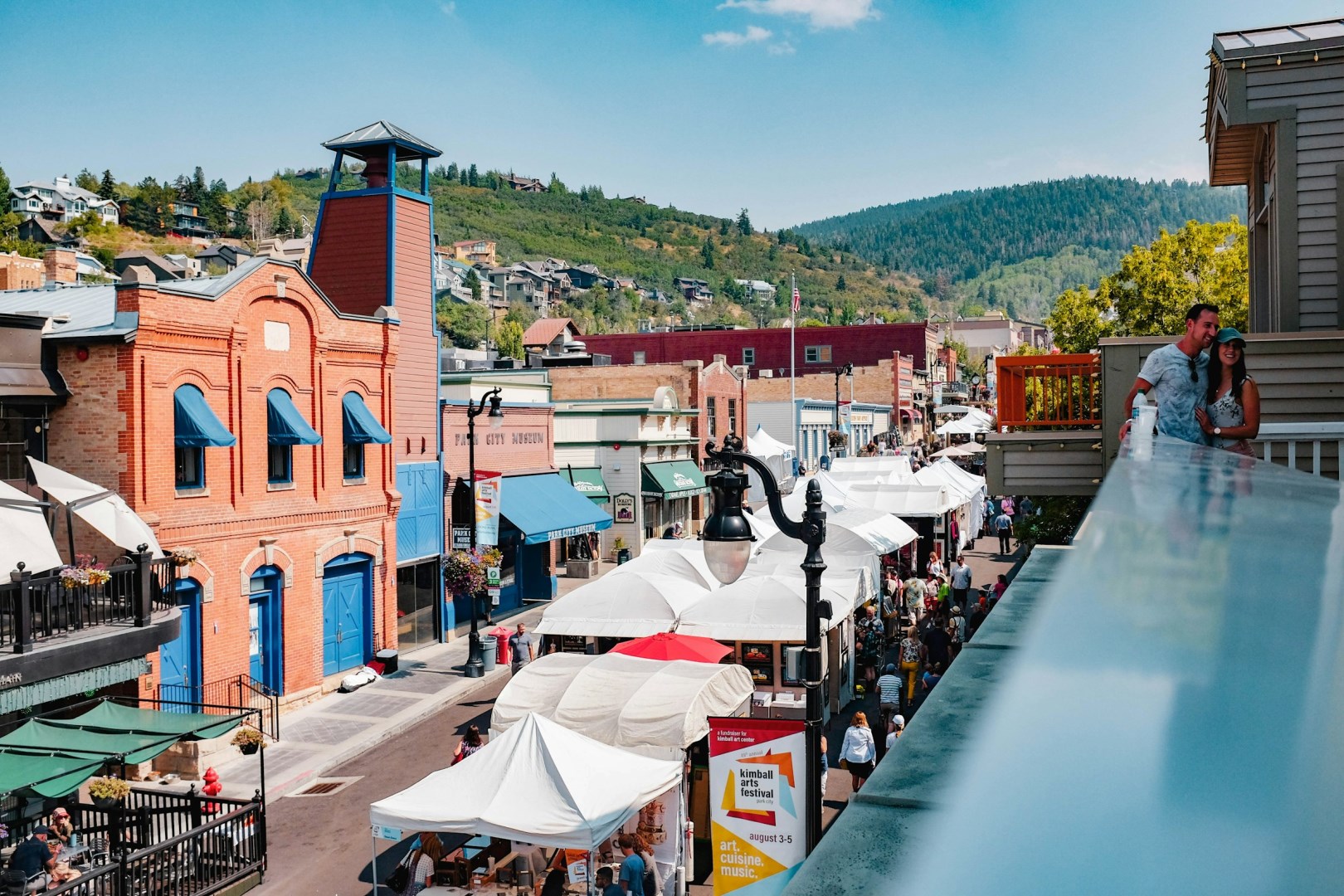
Located in the heart of Mountainland Travel Region in Utah.
Other Popular Destinations in Utah

Bryce Canyon
Bryce Canyon, tucked into the high plateaus of southern Utah, offers one of the most unusual landscapes in the American Southwest. It’s not actually a canyon but a series of natural amphitheaters carved into the edge of the Paunsaugunt Plateau. What makes Bryce unique is its dense collection of hoodoos which are tall, thin spires of rock formed over millions of years by frost-wedging and erosion.
Zion National Park
Zion National Park, located in southwestern Utah, is known for its massive sandstone cliffs, narrow slot canyons, and unique desert ecosystems. Established in 1919, it was Utah’s first national park and continues to attract visitors with its dramatic elevation shifts and striking rock formations. The park’s most iconic feature, Zion Canyon, stretches for 15 miles and reaches depths of up to 2,640 feet, carved over time by the Virgin River.