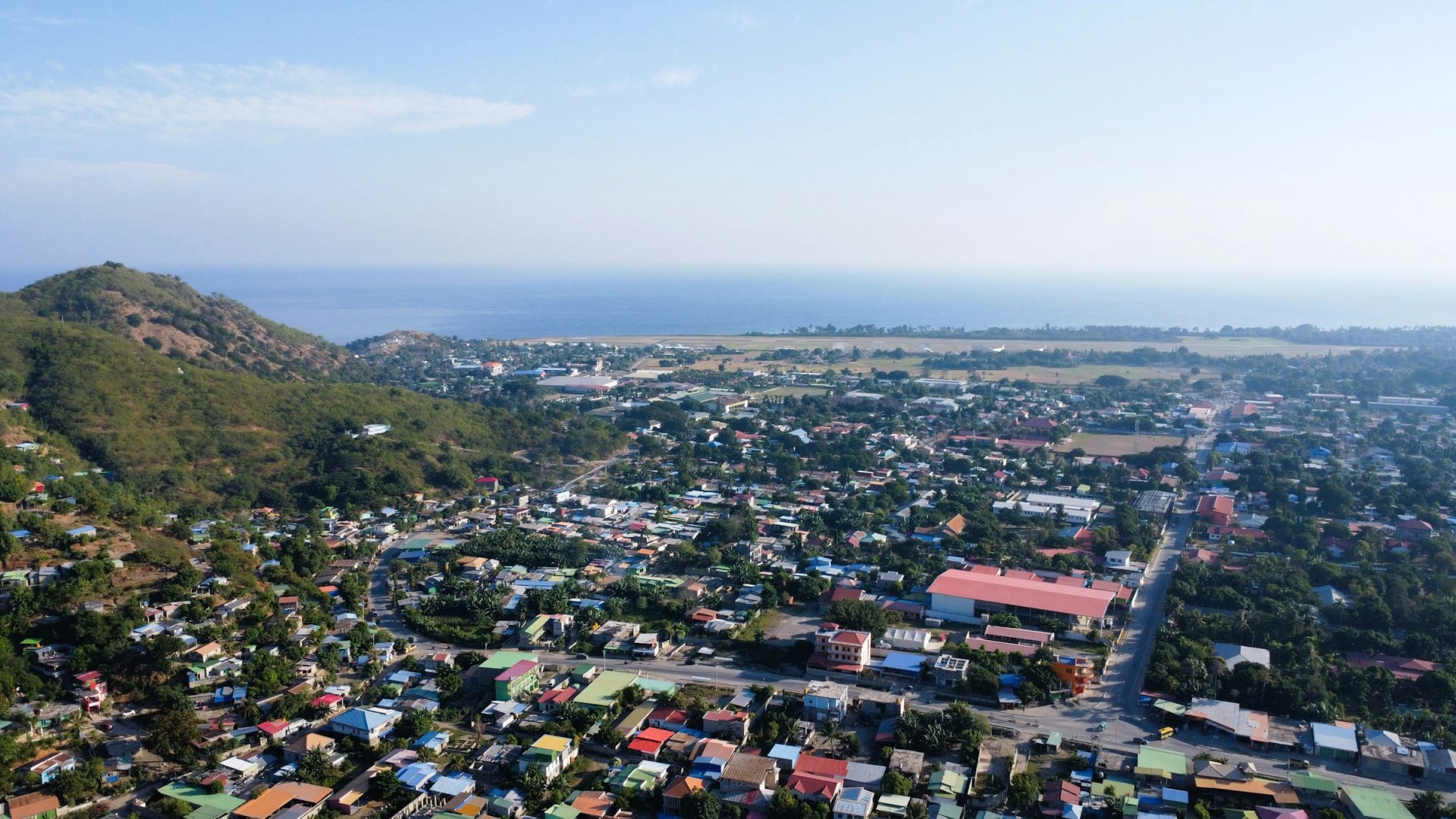
Dili is the capital and largest city of Timor-Leste, set along the country's northern coast between the sea and rugged mountain slopes. The city stretches around a broad bay, with beaches, government buildings, markets, residential neighborhoods, and busy streets forming its urban landscape. Mountains rise immediately south of the city, while the Ombai Strait extends north toward Atauro Island.
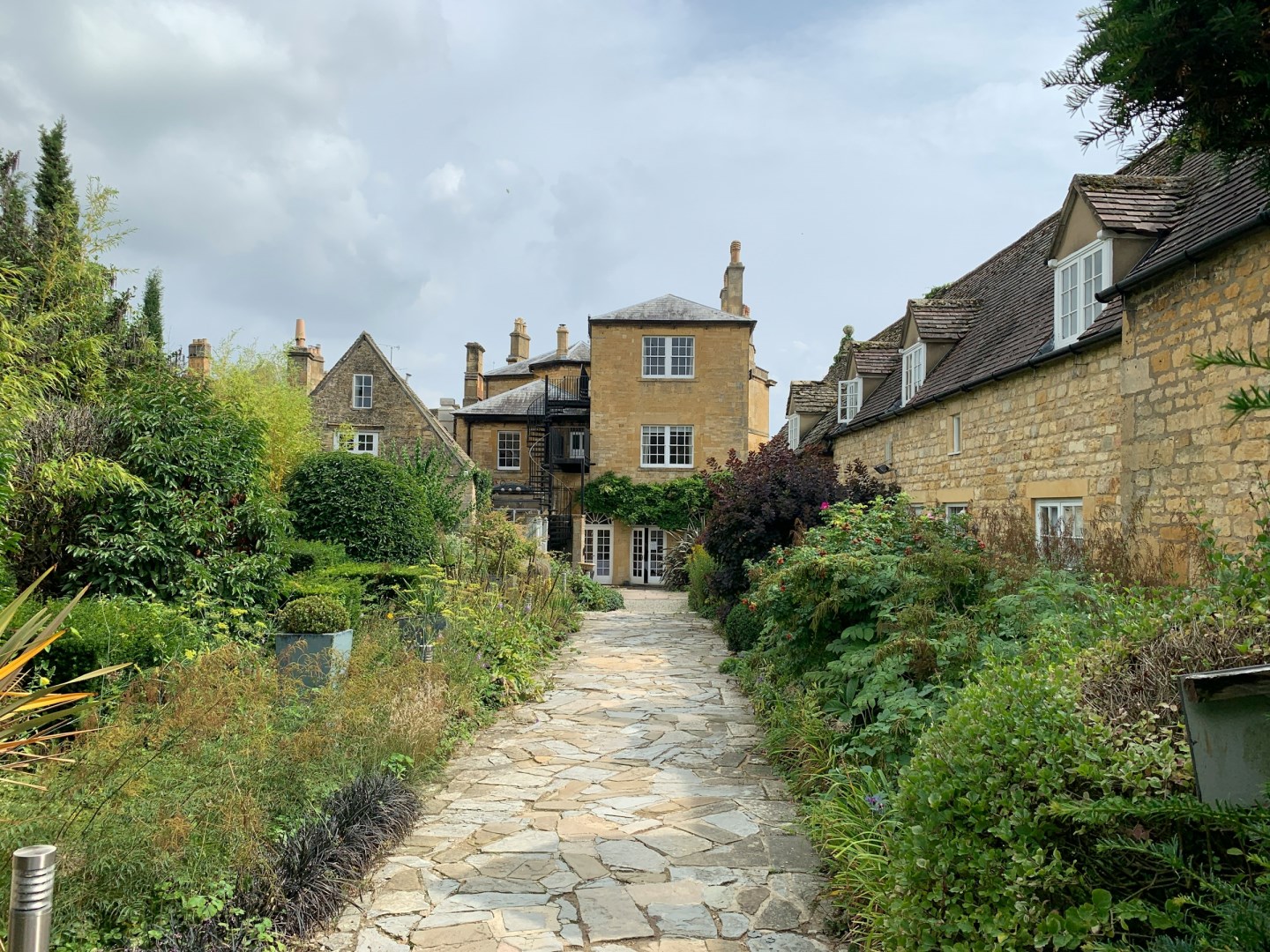
Chipping Campden is a historic market town in the Cotswolds of Gloucestershire, surrounded by gently rolling farmland and limestone villages. Its main street is lined with honey-colored stone buildings, many dating from the medieval and early modern periods, giving the town a distinctive architectural character. The Market Hall, built as a shelter for local traders, is one of its best-known landmarks.
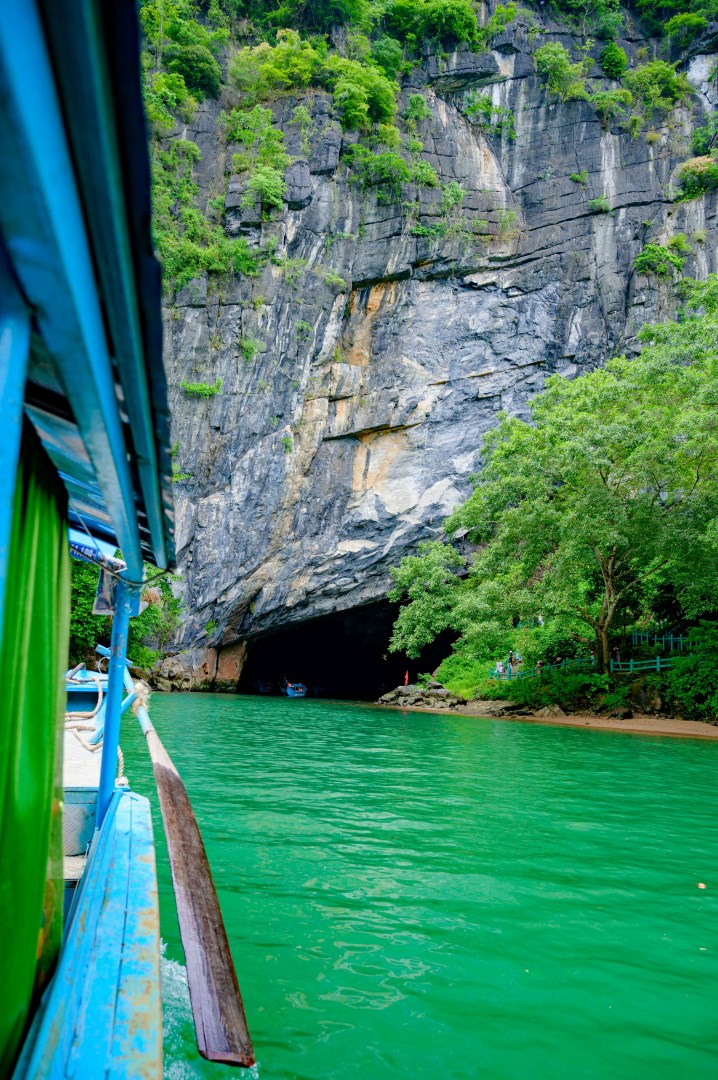
Kẻ Bàng National Park lies in central Vietnam, near the border with Laos, and is known for its vast network of limestone mountains and underground rivers. The park forms part of one of the oldest karst landscapes in Asia, shaped over millions of years into a maze of caves, cliffs, and dense forest. Among its most famous features is Sơn Đoòng Cave, recognized as the largest cave on Earth, with sections so vast that clouds can form inside and a jungle grows beneath its collapsed roof.
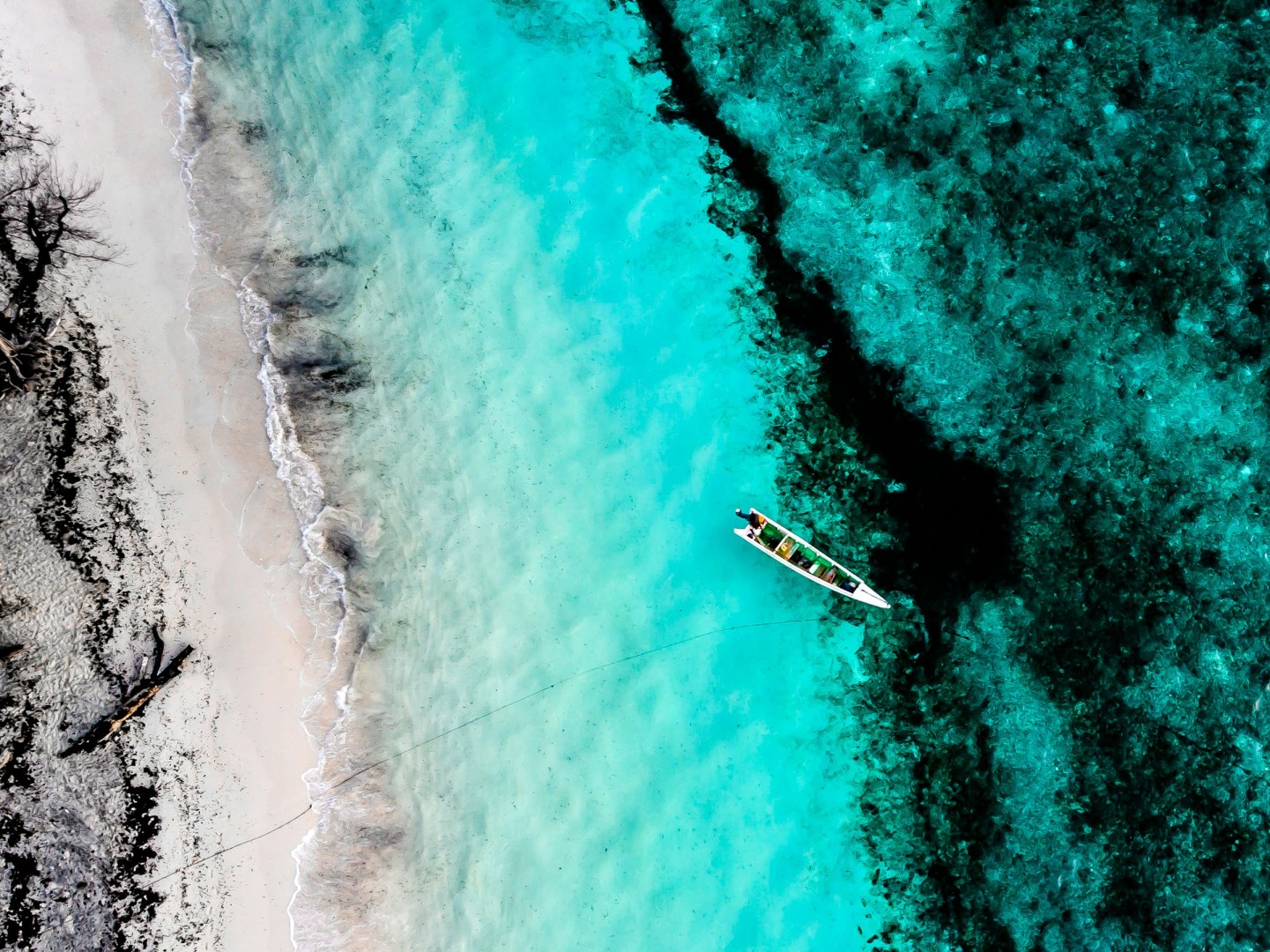
Atauro Island is a mountainous island north of Dili in Timor-Leste, separated from the mainland by the Ombai Strait. Its landscape includes dry hills, forested slopes, grassy areas, rocky cliffs, and small coastal villages. The island is surrounded by exceptionally diverse coral reefs and clear tropical waters, making its marine environment one of its defining features.
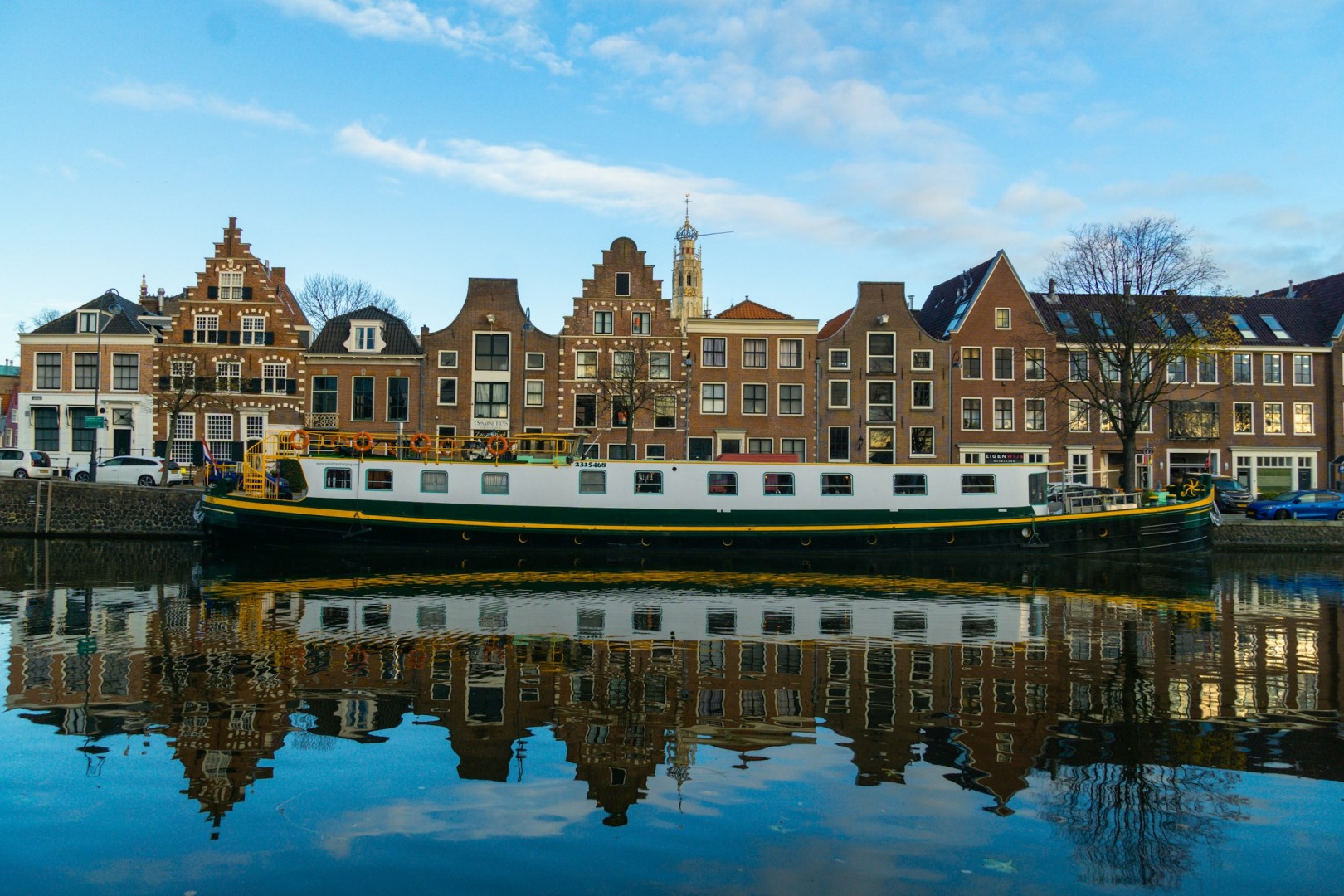
Haarlem is a historic city in the Dutch province of North Holland, located on the Spaarne River between Amsterdam and the North Sea coast. Its compact center contains canals, narrow streets, brick merchant houses, courtyards, and public squares, with the Grote Markt forming the traditional heart of the city. The Grote or St.-Bavokerk dominates the square with its tall tower and monumental organ.
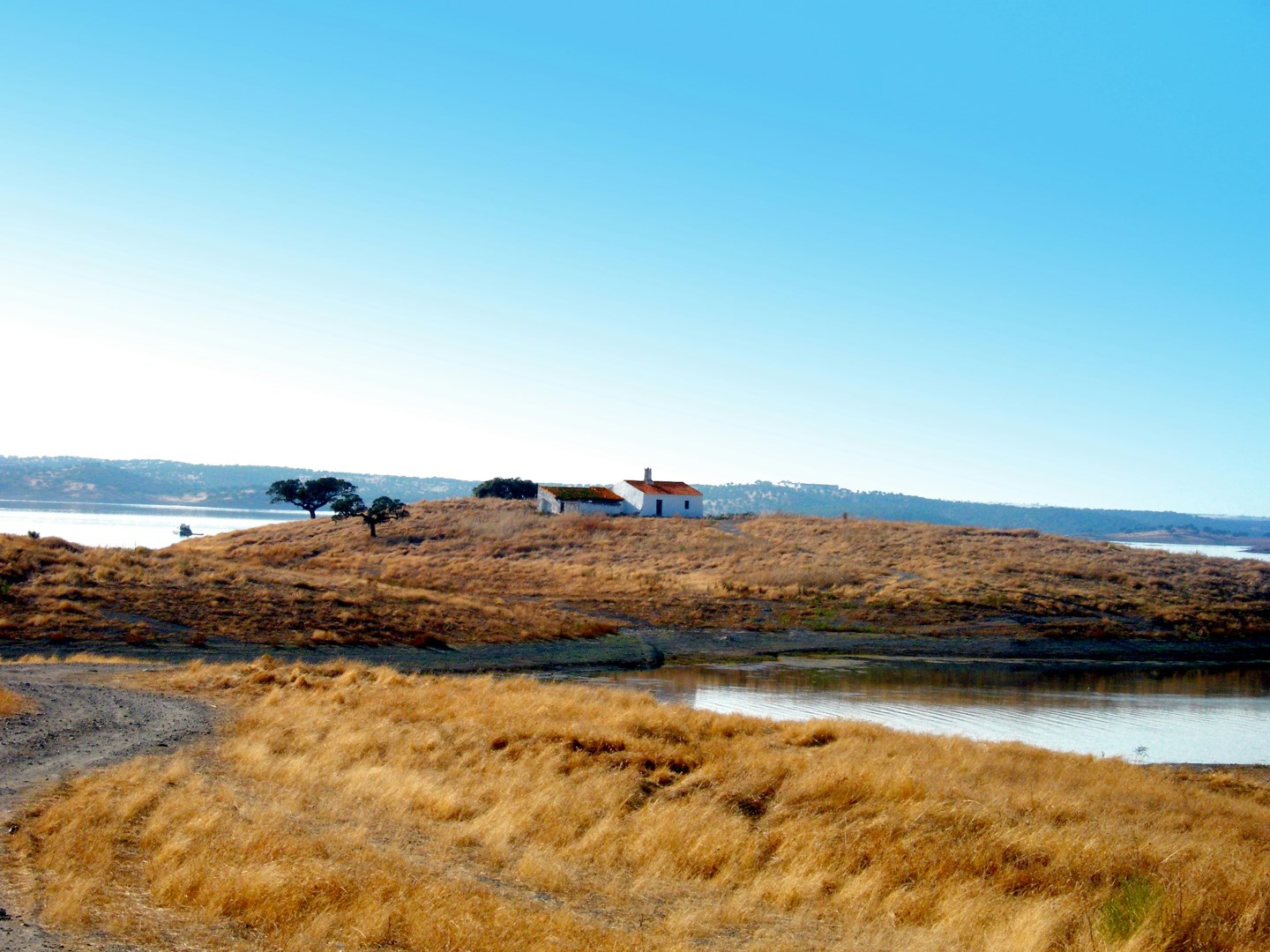
Alentejo is a large region in southern Portugal known for its wide plains, cork oak forests, whitewashed towns, and slower rural pace. Stretching from the Tagus River to the Algarve and from the Atlantic coast to the Spanish border, it covers much of the country’s interior farmland and wine-producing territory.
Photo Credit: Photo by Matheus Oliveira on Unsplash
Photo Credit: Photo by Andre Antonelli on Unsplash
Photo Credit: Photo by Yuudai Sam on Unsplash
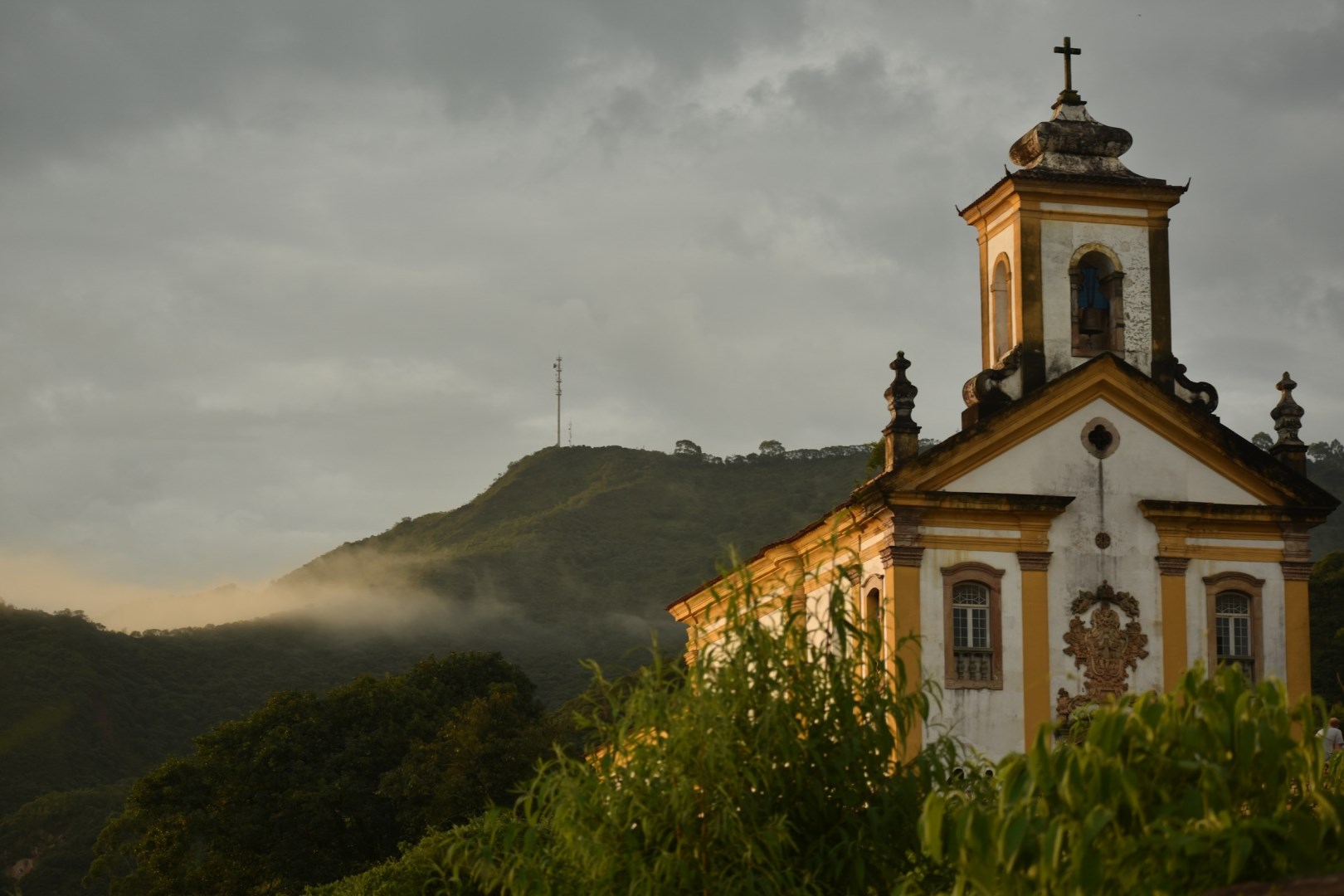
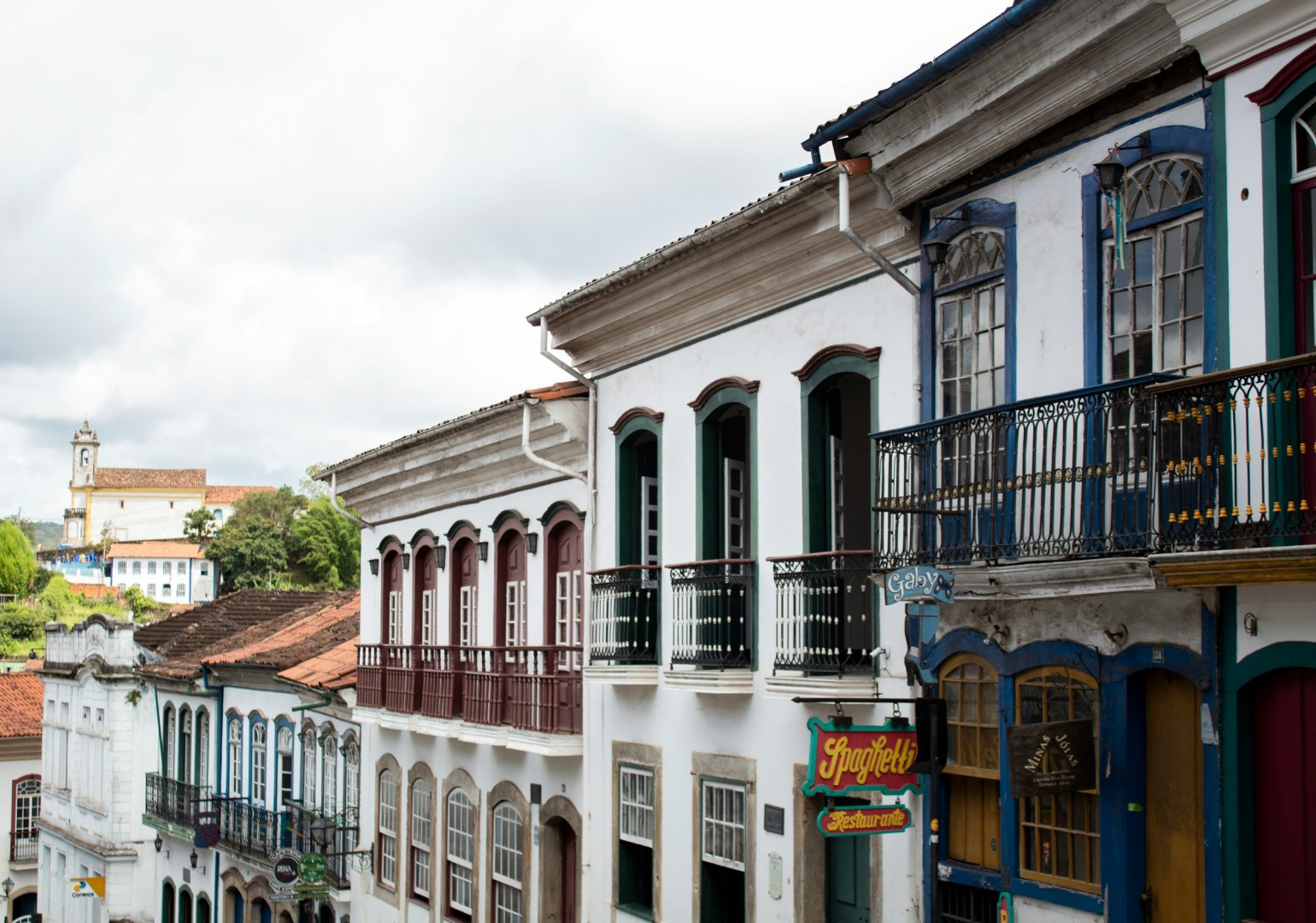
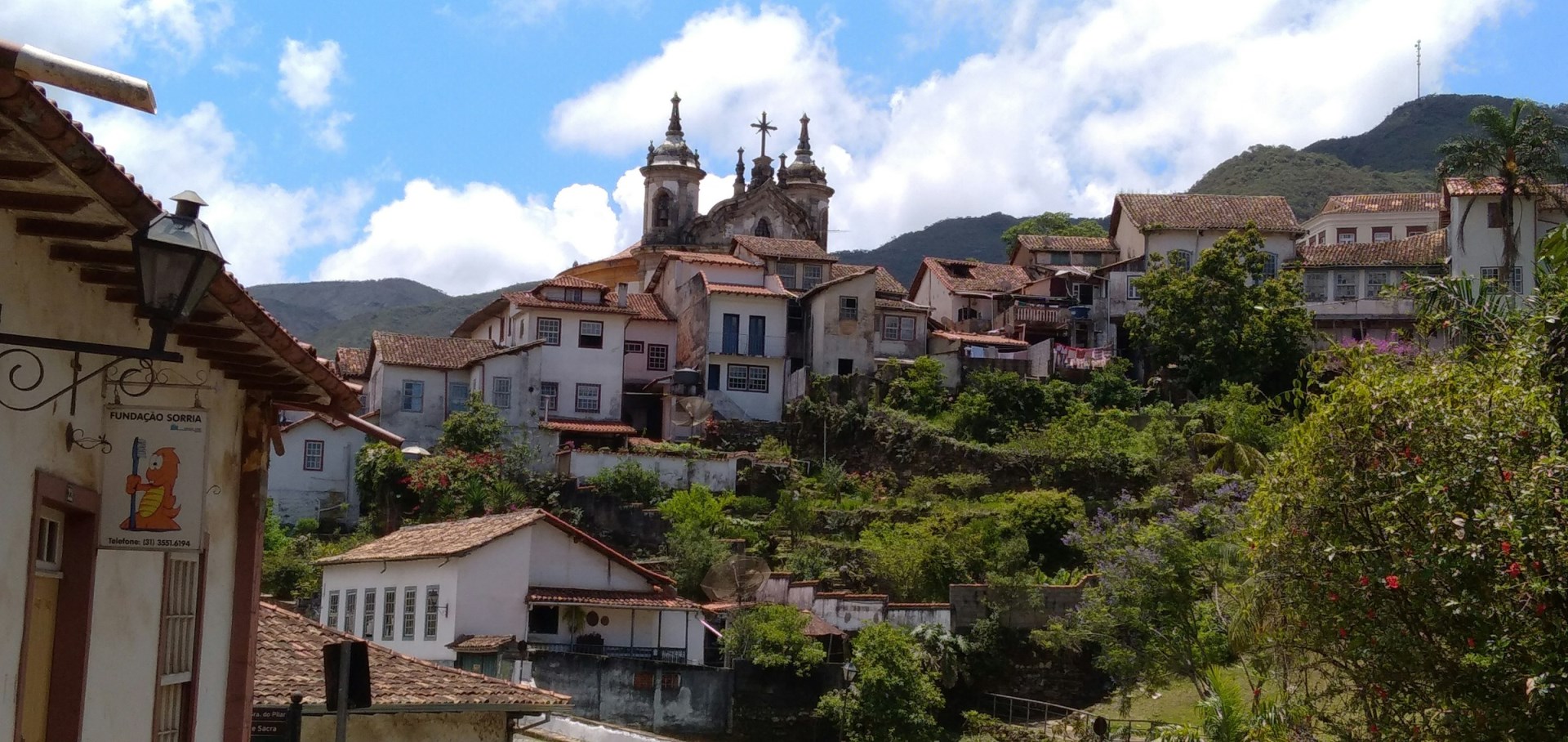
In Ouro Preto you will learn about the history of civilization. Walking around on the streets of Ouro Preto is an adventur full of discovery! With just a little time, you can wander freely between a world of history and that of actuality, with limits outlined by colonial architecture that now houses charming inns, restaurants, museums, shops, and more. Let's talk about attractions: Ouro Preto has eleven historic churches and more than eight museums, including the famous Museum of Minerology, the Casa dos Contos, and the Museum of the Inconfidência. The colonial era gold mines are open to visitors, as well as are many art galleries, the oldest opera house in South America, and much more. These are some of the reasons the city proudly bears the "Cultural Patrimony for All Mankind" title bestowed on it by Unesco. Ouro Preto is actually quite cosmopolitan and multifaceted. It is inhabited by hospitable, communicative, and justifiably proud people. In its soul, the city guards the symbols of creation and liberty. Due to its rich ecology and natural beauty, the region is also of interest to naturalists. Ouro Preto is also famous for its romantic atmosphere. It has a good infrastructure for turists, delicious regional cuisine, local folk art and handicrafts, and various social and cultural events. In case you have a little extra time, you shouldn't leave without visiting the eleven nearby villages in the surrounding municipal district.
Other Popular Destinations in Brazil
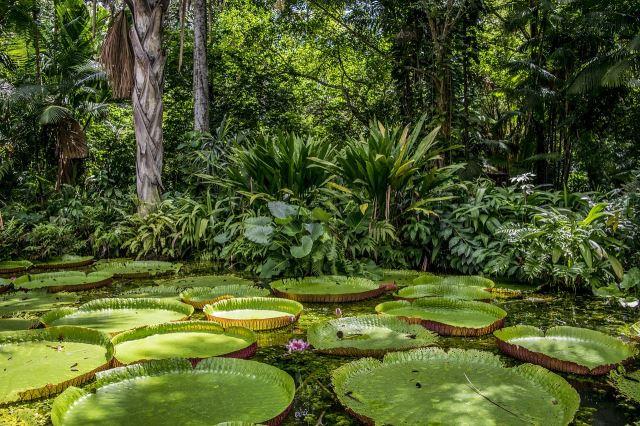
Amazon Rainforest
Exploring the Amazon Jungle in Brazil is like venturing into the heart of a living, breathing world. The Amazon Rainforest, often referred to as the "lungs of the Earth," is a lush, sprawling expanse that teems with extraordinary biodiversity.
Rio de Janeiro
Exhilarating Rio de Janeiro, the vibrant South American destination and cultural capital, abounds with iconic landmarks, beaches, and attractions. Christ the Redeemer, the hundred-foot mosaic statue atop Corcovado Mountain, overlooks the glittering coastline and is instantly recognizable, having become an enduring symbol of the city itself. Its arms stretching wide, the prominent figure beckons you to explore this inviting locale.