

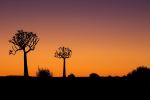
Keetmanshoop is a town in southern Namibia, situated in the //Kharas Region amid the dry landscapes of the Nama Karoo. It serves as an important regional center and a practical base for exploring several distinctive attractions in southern Namibia. The surrounding terrain consists of open plains, rocky hills, low shrubs, and scattered quiver trees. Keetmanshoop is particularly associated with the unusual landscapes found outside the town, where ancient-looking dolerite rock formations and quiver tree forests create recognizable features within the otherwise sparse terrain.
Keetmanshoop has a layered cultural history shaped by Nama communities, missionary activity, farming, trade, and later European settlement. The town's name reflects its association with Johann Keetman, while the surrounding area was already inhabited and used by local communities before European settlement. The Keetmanshoop Municipal Museum provides an opportunity to explore aspects of the town's local history and heritage. The wider southern region also contains historic buildings, fossils, and archaeological sites, reflecting the long human connection with Namibia's dry interior and its varied communities.
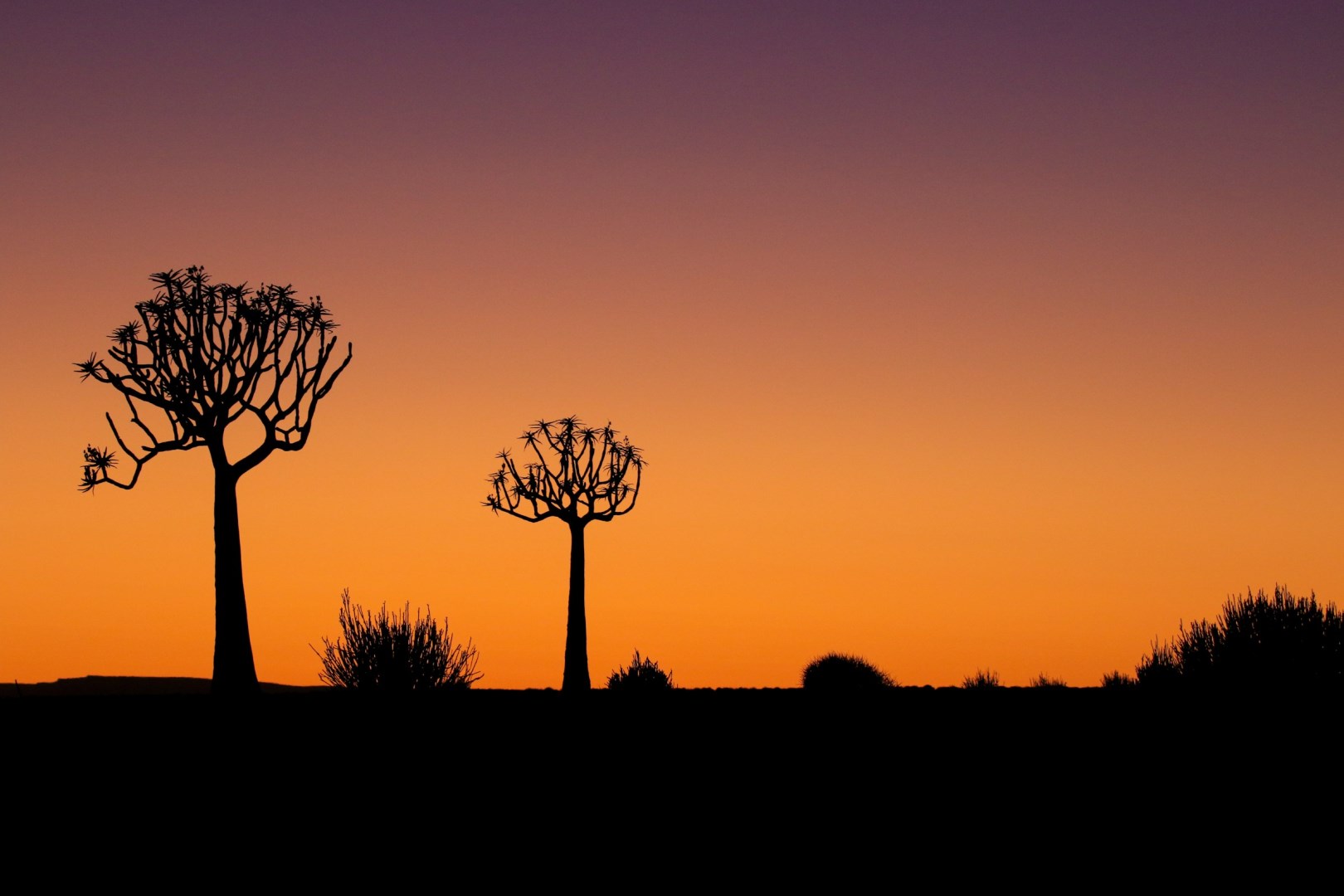
The most notable attractions around Keetmanshoop include the //Garas Quiver Tree Forest and the Giant's Playground. At //Garas, Aloe dichotoma trees rise among large granite and dolerite rocks, while the Giant's Playground consists of enormous blocks of dolerite stacked into unusual formations through natural erosion. The nearby Naute Recreation Resort surrounds Namibia's second-largest dam and provides opportunities for boating, fishing, birdwatching, and viewing wildlife such as gemsbok and springbok. The area around Keetmanshoop also contains prehistoric fish fossils and views toward the volcanic rim of Brukkaros.
Food in Keetmanshoop reflects the wider cuisine of southern Namibia, where meat, maize, dairy products, bread, and locally grown produce are common. Game meat such as gemsbok may also appear on menus in the surrounding region, while traditional Namibian cooking includes dishes prepared from mahangu and other grains. The town's dry climate supports hardy plants, including the quiver tree, which is one of the area's most recognizable natural features. A distinctive detail is that quiver trees are not actually trees in the botanical sense but large succulent plants. Their hollow branches were traditionally used by San communities to make quivers for arrows.
Other Popular Destinations in Namibia