
Novi Sad, Serbia’s second-largest city, sits along the banks of the Danube River and has long served as a cultural meeting point in the Balkans. Its centerpiece is Petrovaradin Fortress, a massive 18th-century stronghold nicknamed the "Gibraltar on the Danube." The fortress is known not just for its historic architecture but also for its network of underground tunnels and the iconic clock tower where the hands are reversed, meaning the large hand shows the hour.
Pinhão, nestled in the heart of Portugal’s Douro Valley, is a small town with a big reputation for its world-renowned port wine and stunning landscapes. Surrounded by terraced vineyards that cascade down to the banks of the Douro River, Pinhão is a paradise for wine lovers and nature enthusiasts alike.
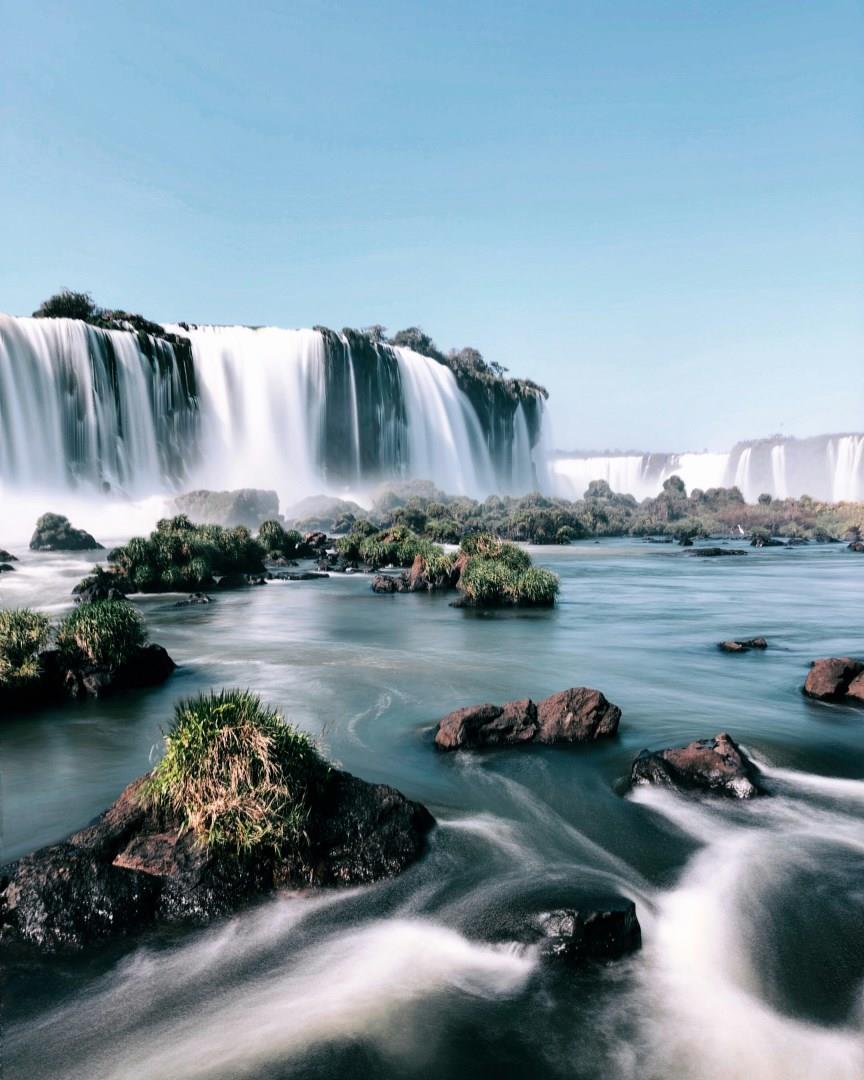
Set at the meeting point of Brazil and Argentina, Foz do Iguaçu is defined by the sheer scale of the Iguaçu Falls. Nearly 275 individual waterfalls stretch across close to three kilometers, sending mist into the air and sound echoing through the surrounding forest. Visitors follow raised walkways that bring them face to face with this moving wall of water, culminating at the dramatic Devil’s Throat, a deep, curved drop where the river seems to vanish into the earth.
Chiang Mai, located in northern Thailand, is a city where ancient walls surround over 30 historic temples, and daily life continues just steps away from centuries-old rituals. Founded in 1296 as the capital of the Lanna Kingdom, the city still reflects its origins through distinctive architecture, moats, and cultural practices. Wat Phra Singh and Wat Chedi Luang are two of the most visited temples within the Old City, offering a chance to see traditional Lanna-style design.
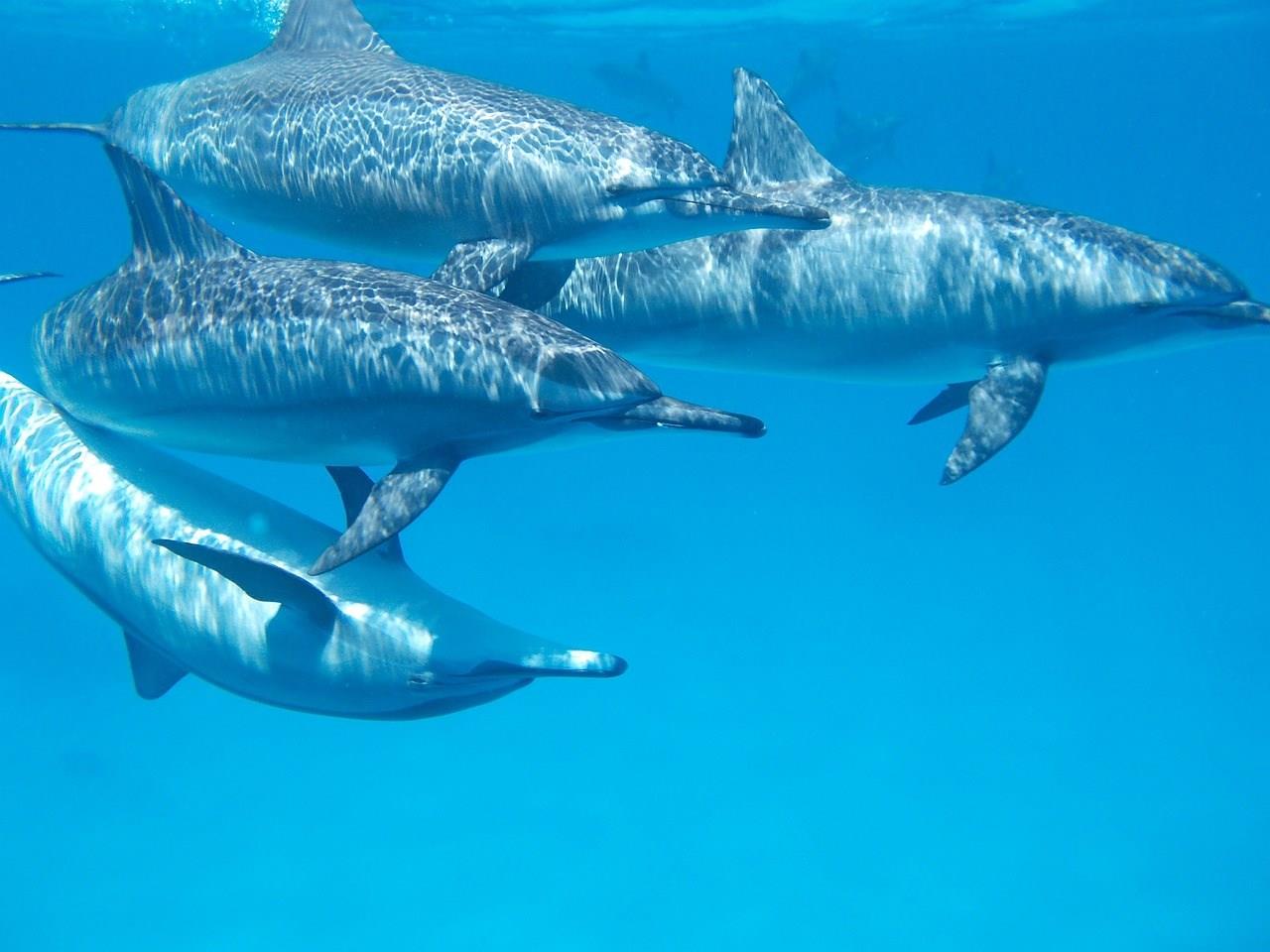
The Pacific Ocean is both the largest and the deepest ocean on Earth. It extends from the Americas in the east to Asia and Australia in the west, and from the Artic Ocean in the north to Antarctica in the south.
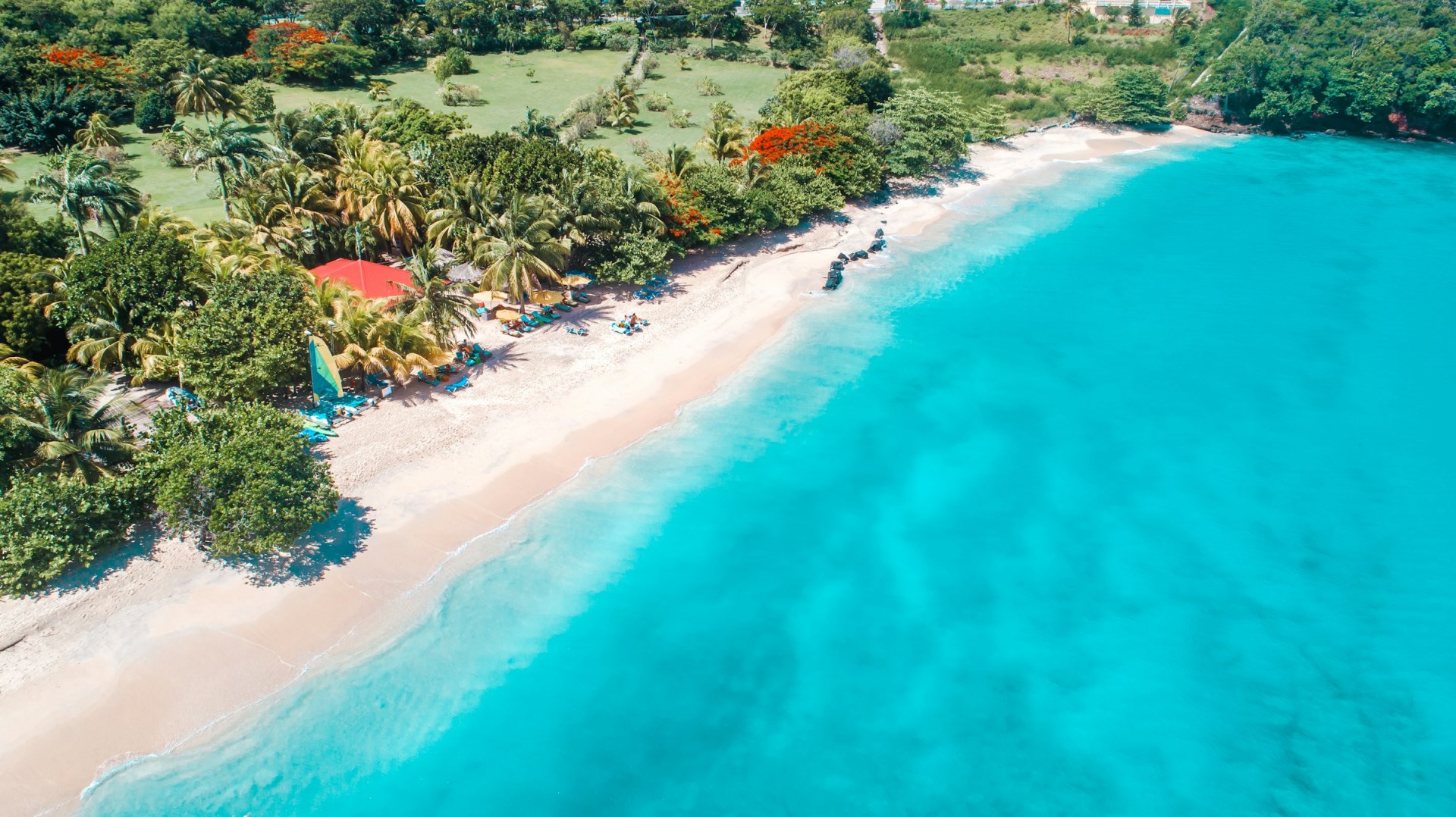
Morne Rouge Bay is a sheltered beach on Grenada’s southwestern coast, just south of Grand Anse and near the community of Morne Rouge. The bay curves around a small, protected stretch of pale sand, with calm Caribbean water and green hills surrounding the shoreline. Its sheltered position generally produces gentler conditions than Grenada’s more exposed Atlantic coast, making the bay suitable for swimming and paddling.
Photo Credit: Photo by Kameron Kincade on Unsplash
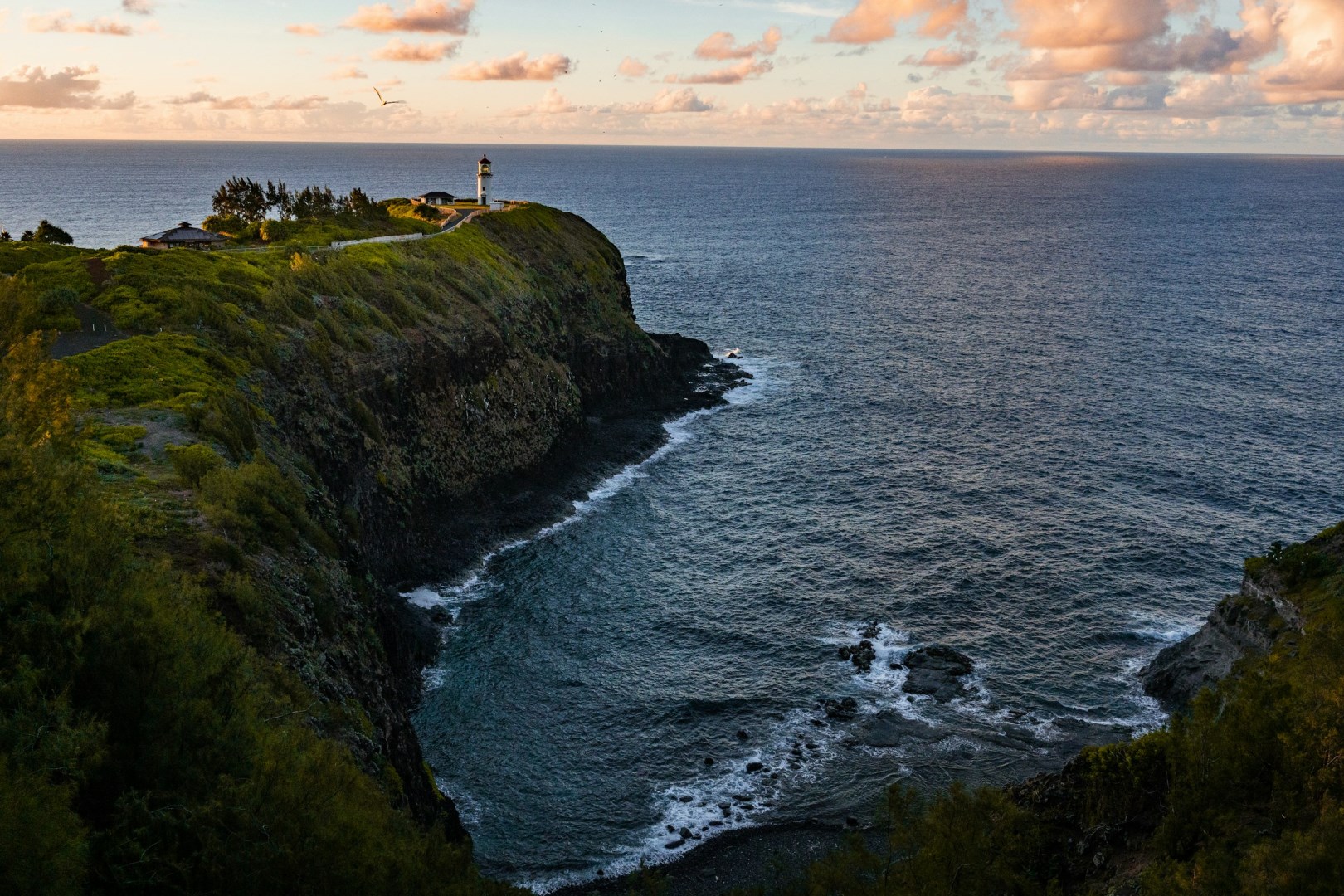
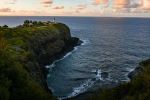
Kilauea is the world's largest active volcanic mass, located southeastern Hawaii Island. The central feature of Hawaii Volcanoes National Park is an elongated dome built of lava eruptions from a central crater and from lines of craters extending along east and southwest riffs or fissures.
Kilauea is bordered by the volcano of Mauna Loa to the west and north, the Kau Desert to the southwest, Ainahou Ranch to the south and a tropical fern jungle to the north-northeast.
Kipuka Puaula, also called Bird Park, is located to the northwest, a grassy meadow dotted with clumps of koa, ohia, soapberry, kolea and mamani trees, has a nature trail leading to an open forest with many varieties of native trees.
Other Popular Destinations in Hawaii
Honolulu, Oahu
Honolulu, the capital of Hawaiʻi and the largest city in the Pacific, blends the energy of a major urban center with the deep roots of Native Hawaiian culture. Set on the island of Oʻahu, it’s home to iconic beaches, royal history, and a rhythm all its own. This sunny capital city is the main portal to the larger Hawaiian archipelago, and the perfect base for exploring Oahu.
Kona, Hawaii
Kona started as King Kamehameha I's government seat, and is now a popular tourist destination with key landmarks like Hulihee Palace, as well as coffee farms, shopping and dining.