

Dominica
Dominica, known as the “Nature Island of the Caribbean,” is a haven for eco-tourists and adventure seekers. Nestled between the French islands of Guadeloupe and Martinique, this lush island boasts a remarkable landscape of volcanic mountains, dense rainforests, and stunning waterfalls. Dominica’s most iconic natural wonder is the Boiling Lake, the second-largest hot spring in the world.

Tirana
Tirana, the lively capital of Albania, is a city that blends historical charm with modern vibrancy. At the heart of its transformation is Skanderbeg Square, a bustling hub named after the national hero Gjergj Kastrioti Skanderbeg.
Nuevo Vallarta
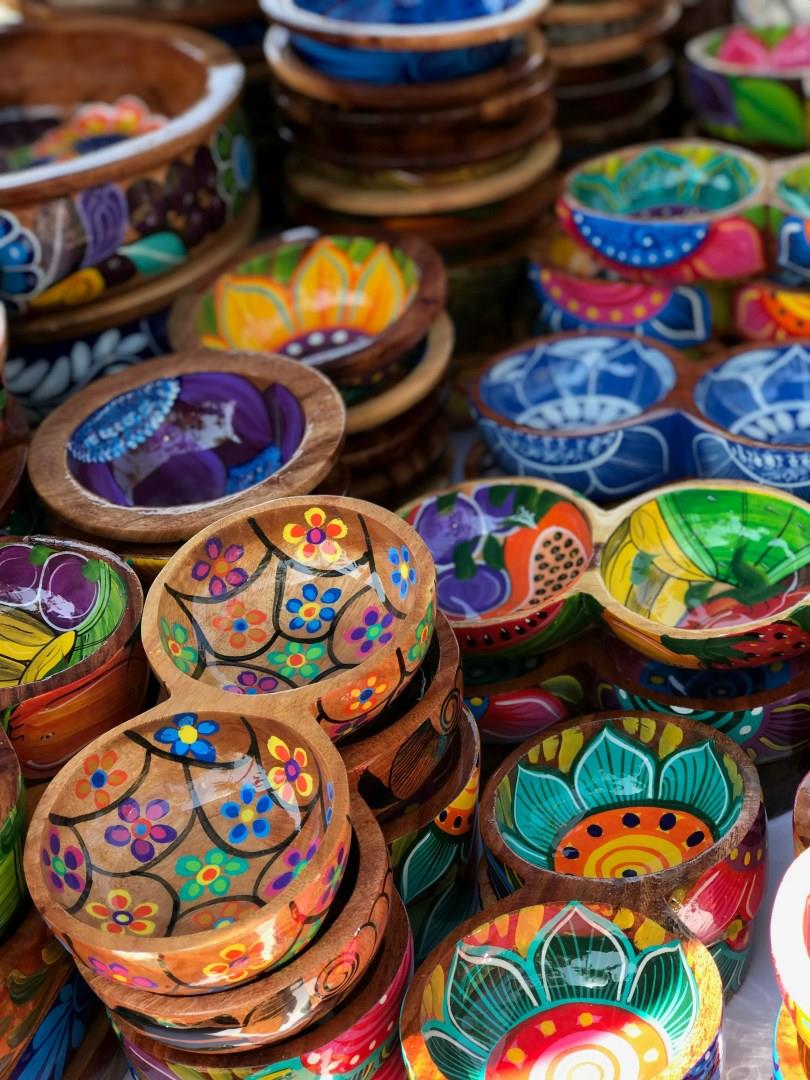
Nuevo Vallarta, located along the Bahía de Banderas in the state of Nayarit, is a coastal destination known for its wide, sandy beaches and marina-lined canals. Originally developed as a tourism project in the late 20th century, it has grown into a well-organized resort area with luxury hotels, golf courses, and waterfront condos. Unlike older beach towns with colonial roots, Nuevo Vallarta was designed from the start to offer modern comfort while being surrounded by natural landscapes.
Freetown
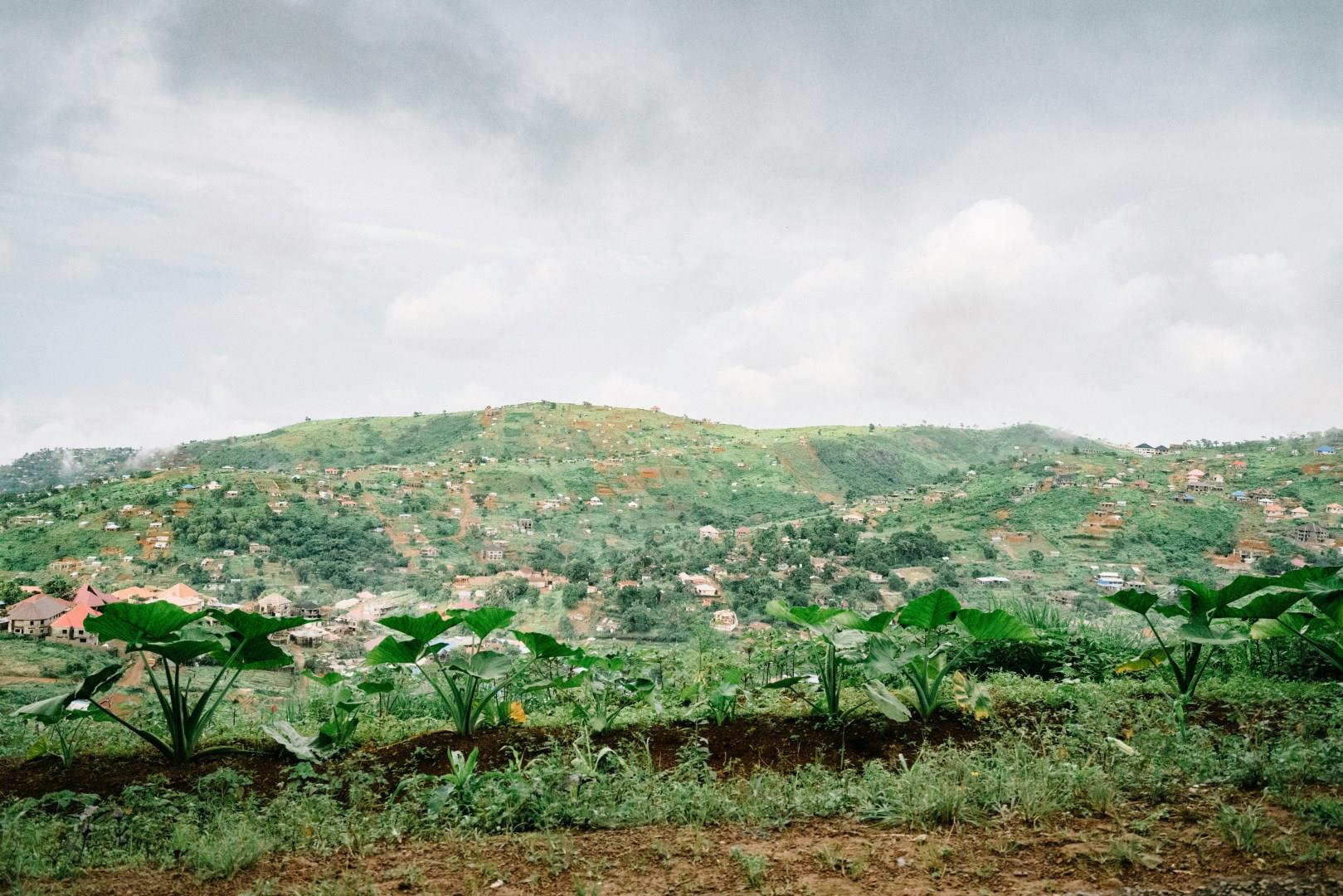
Freetown, the capital of Sierra Leone, is a city where history and daily life intertwine along the shores of the Atlantic. Founded in 1792 as a settlement for freed slaves from Britain and the Americas, it remains a place of cultural depth and resilience.
Abidjan
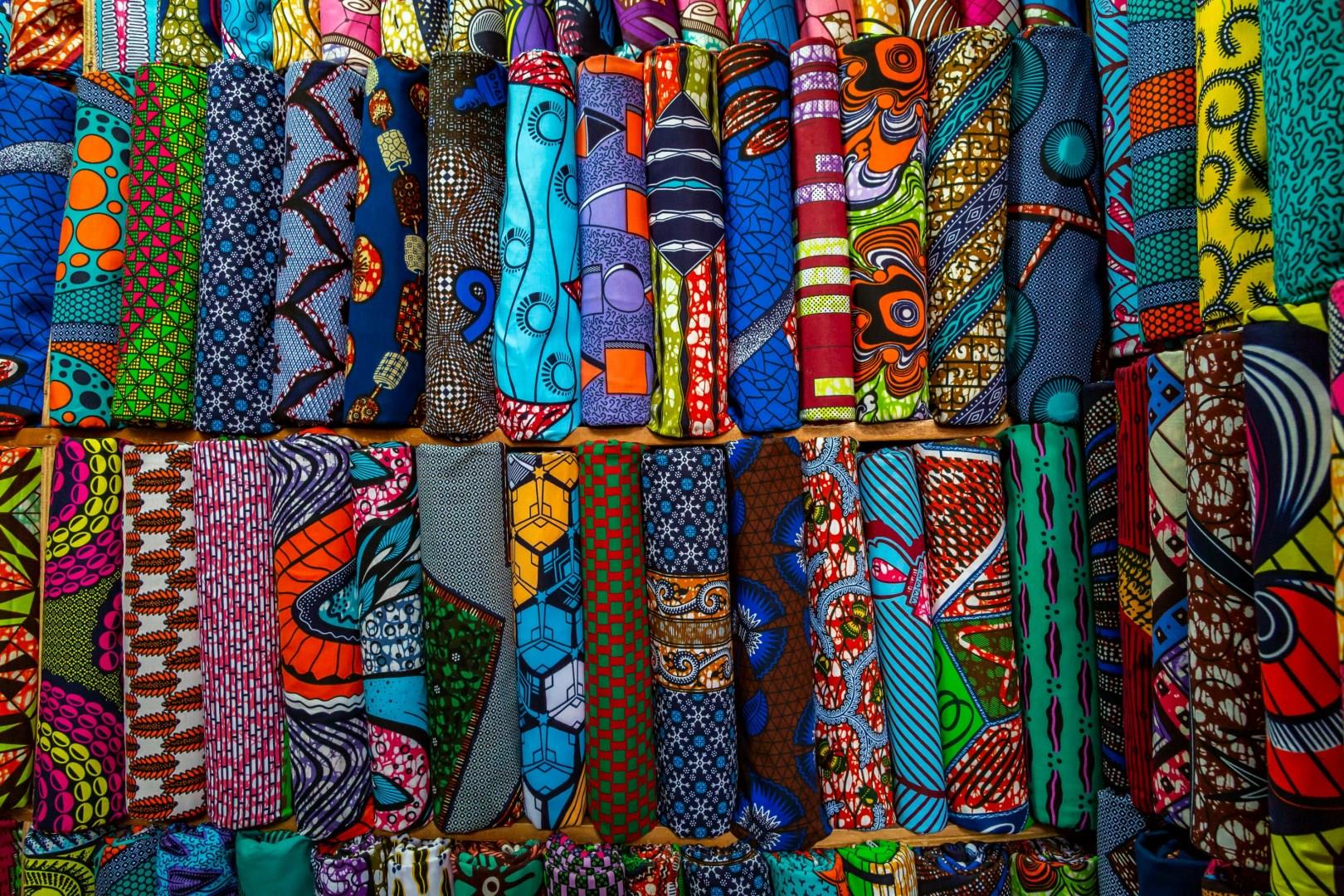
Abidjan, the largest city in Ivory Coast, is a vibrant coastal hub known for its striking skyline, lively markets, and cultural energy. Situated along the Ébrié Lagoon, it serves as the country’s economic and commercial center, blending modern urban life with West African traditions. Nicknamed the “Paris of West Africa,” Abidjan offers a dynamic mix of business districts, beachside neighborhoods, and green spaces that reflect its diverse character.
Iquitos
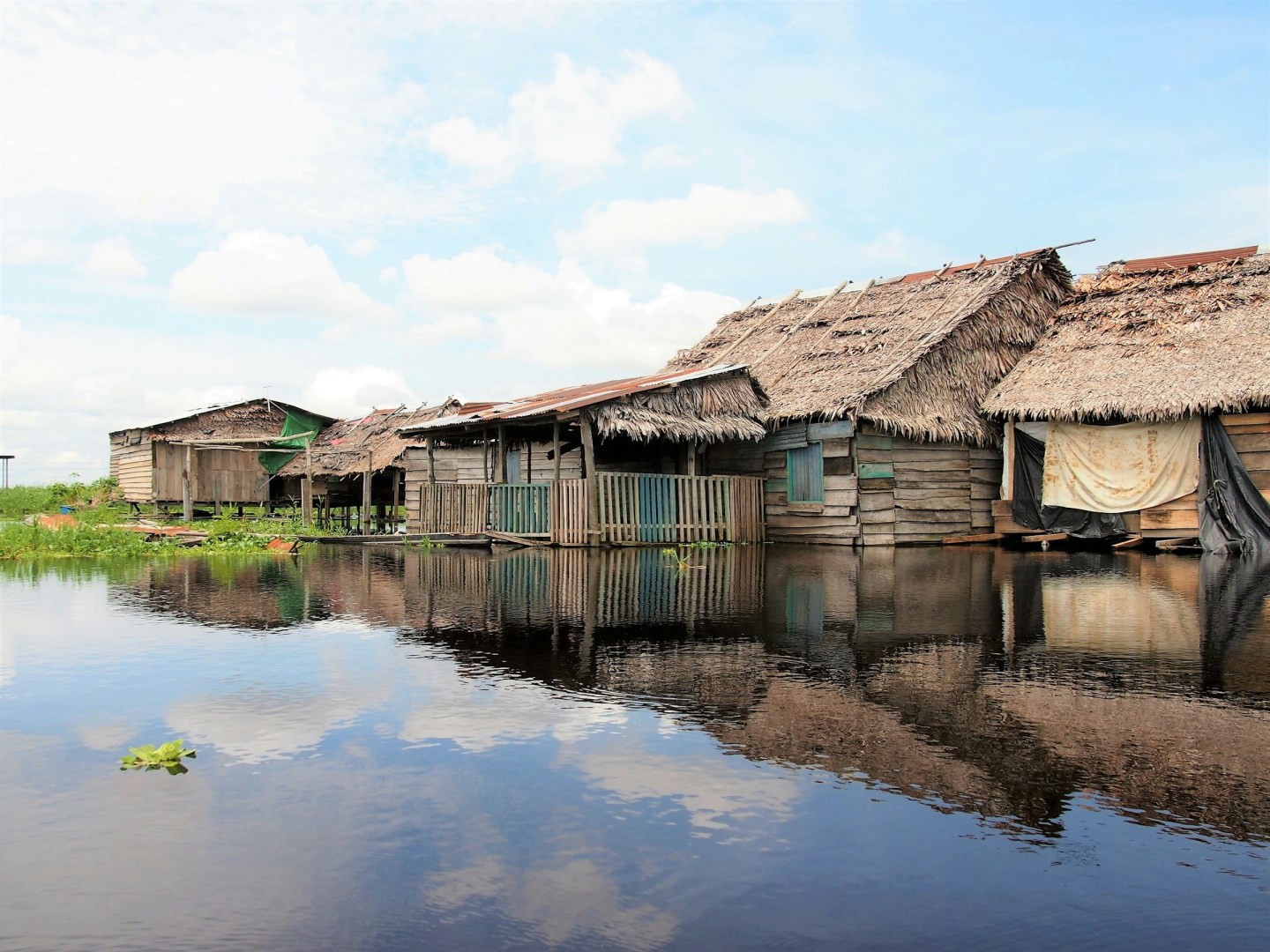
Although not accessible by road, it is Peru's most important commerical center in the east. It is on the Amazon which is wide enough to allow freighters at their busy port. The 1880's saw the rubber boom and recently oil has been the boom.
Searching...
