

Goa
Goa, the sun-soaked paradise on India's western coast, is a destination where history, culture, and natural beauty converge in a spectacular way. Known for its golden beaches and vibrant nightlife, Goa is also rich in heritage, reflecting its unique blend of Indian and Portuguese influences. The old quarters of Panaji and Margao are dotted with charming colonial-era buildings, quaint churches, and lively markets that beckon travelers to explore the region’s storied past.
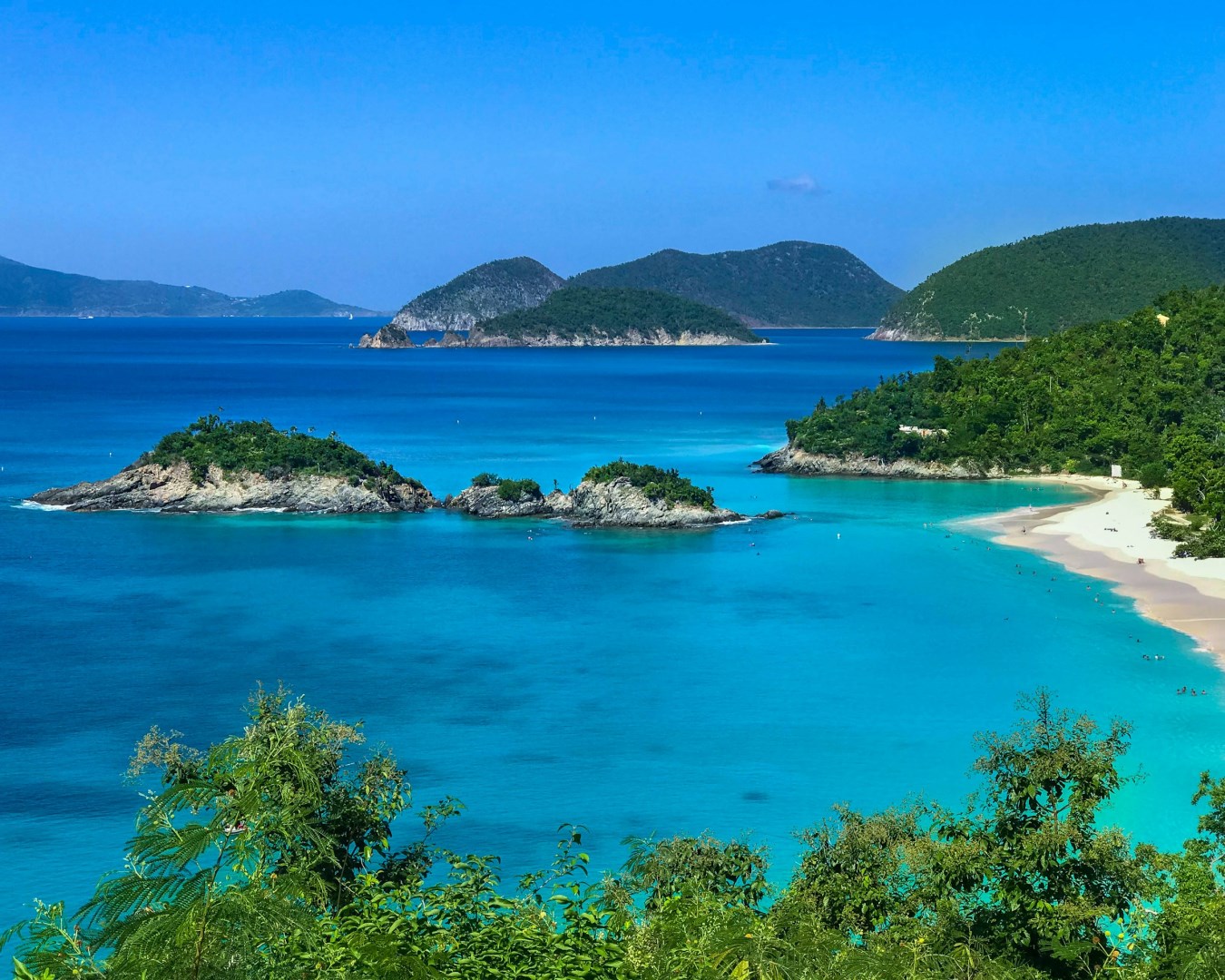
St. John Island
Think of it as a beach a day even on Leap Year. That's right, 366 beautiful beaches encircle this tropical island paradise, the focus of centuries of battles between Spain, France, Great Britain and Denmark. The Dane's influence has been the strongest.
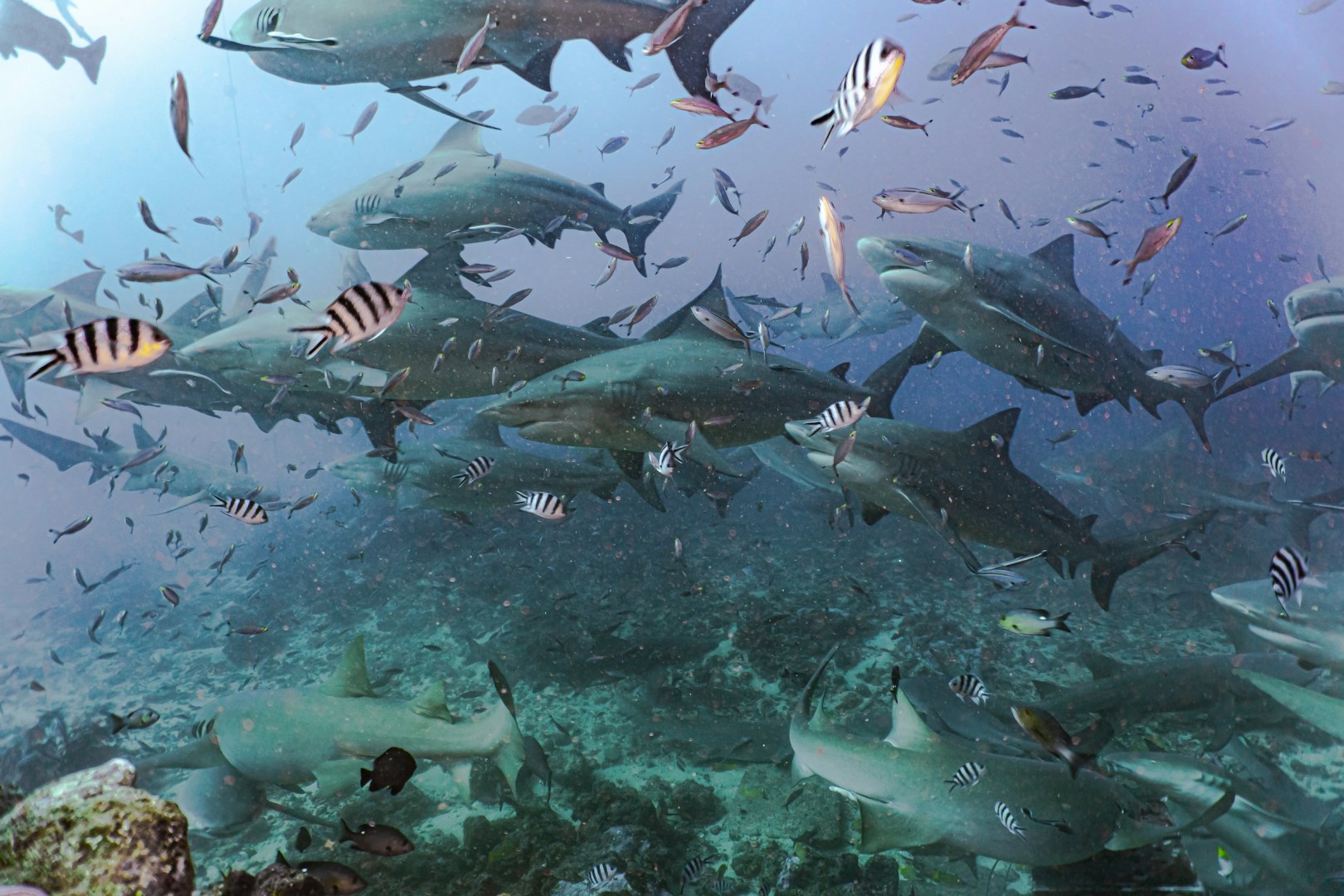
Beqa Island
In the heart of the South Pacific, beneath southern skies, lies the island paradise of Fiji. If you travel to dive, to eat fine food, to bask in the sun, or to simply relax in a tropical paradise the tiny, unspoiled island of Beqa, just might be what you're looking for. One exciting feature of Beqa is its seclusion. Beqa Island has no roads and no towns, only three isolated villages scattered around the perimeter. The island is skirted by stretches of sandy beaches laced, in the evening and ear
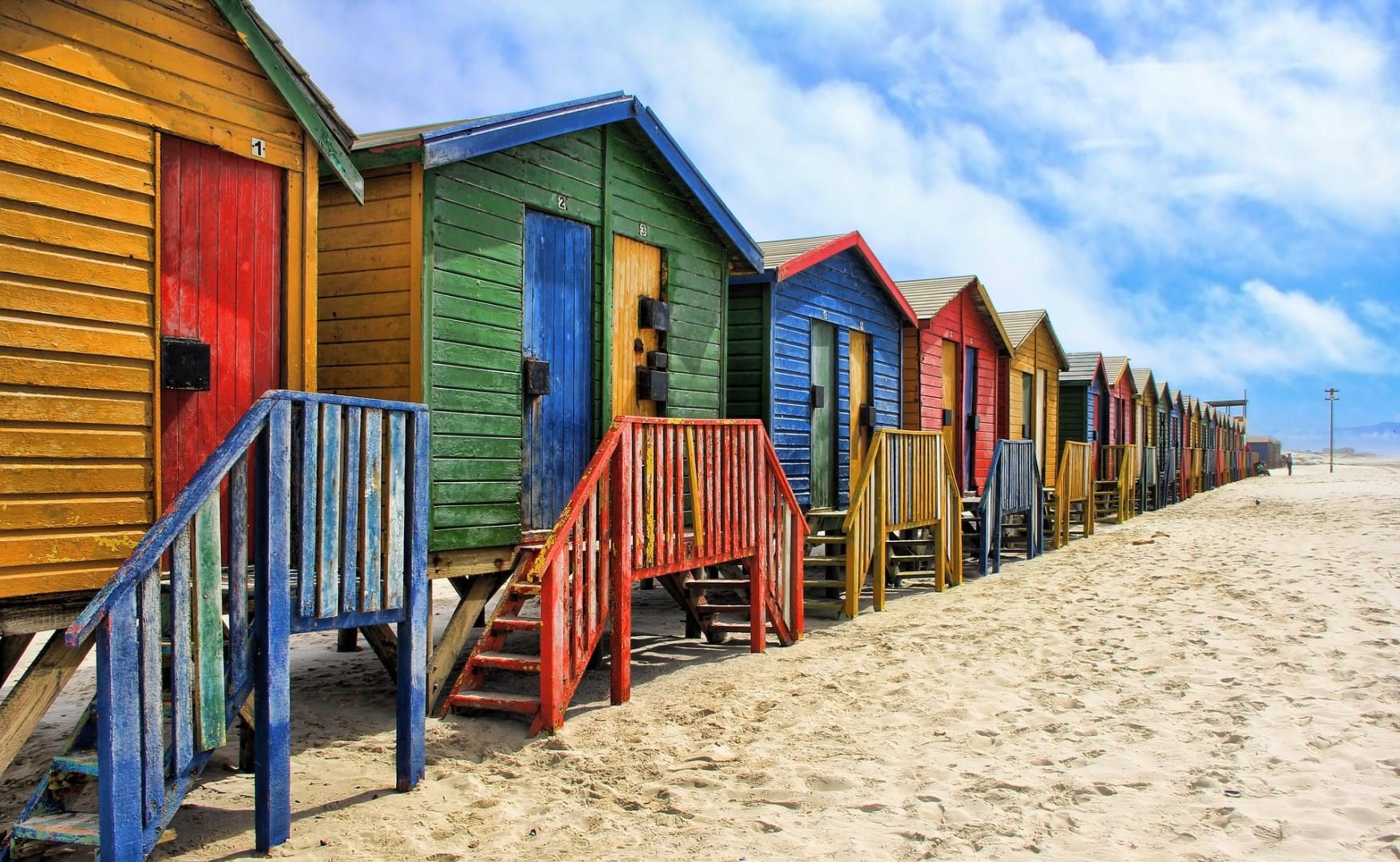
Muizenberg
Muizenberg, a picturesque suburb of Cape Town, South Africa, is renowned for its stunning coastline and vibrant atmosphere. Located along the False Bay, Muizenberg is celebrated for its expansive sandy beach and crystal-clear waters, making it a haven for surfers and sun-seekers alike. The beach is not only popular for its surf but also for its colorful Victorian-style beach huts, which have become iconic symbols of the area. These charming structures, with their bright hues and retro charm, pro
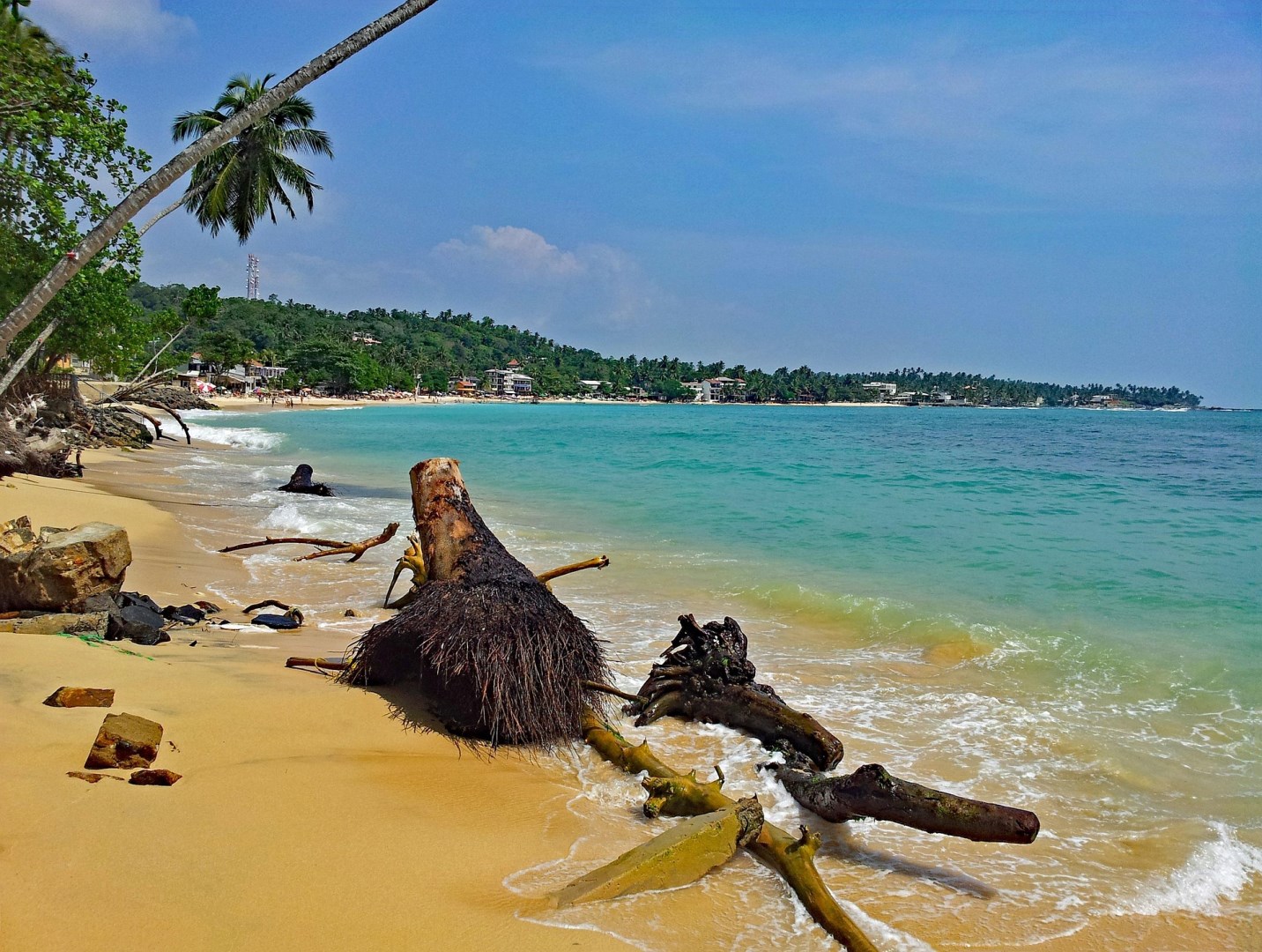
Unawatuna
Unawatuna lies along Sri Lanka’s southern coast, shaped by maritime trade, colonial encounters, and a long relationship with the sea. Once a small fishing village, it developed near historic Galle and reflects layers of Portuguese, Dutch, and British influence that passed through the region.

Tan Chau
Tan Chau, located in the Mekong Delta region of Vietnam, is most well-known for its exclusive silk production, using local materials such as dyes made from the mac nua (Diospyros mollis) fruit.
