



USA | California | Santa Ana
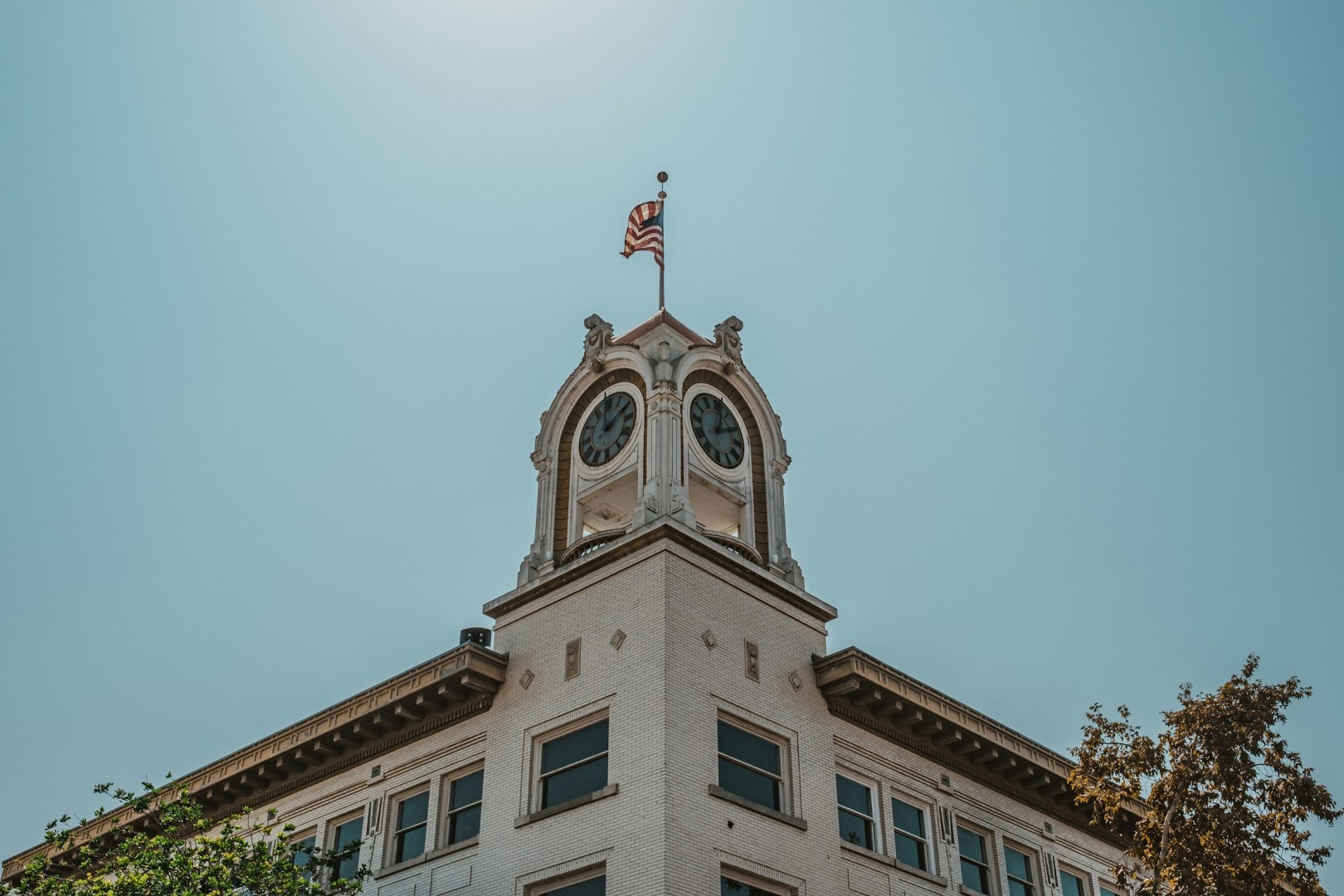

Santa Ana is the county seat of Orange County and one of the largest cities in the region, located inland from the Pacific coast in Southern California. Its identity is closely tied to a historic downtown, long-established residential neighborhoods, and a strong Mexican American cultural presence. Fourth Street and Main Street form the traditional center of the city, while areas such as the East End and Floral Park add distinct architectural and neighborhood character. Santa Ana also serves as an important civic and cultural center, with museums, performing arts venues, galleries, restaurants, and community spaces spread throughout the city.
Santa Ana developed on land associated with the Rancho Santiago de Santa Ana, and the area was home to Acjachemen and Tongva peoples before Spanish colonization. William Spurgeon is credited with establishing the town, which grew around its commercial center and later became the seat of Orange County. Agriculture, rail connections, and commerce shaped its development, while historic neighborhoods preserve examples of Victorian, Craftsman, Spanish Colonial Revival, English Tudor, and Art Deco architecture. Today, Spanish and Mexican influences remain an important part of local identity, reflected in neighborhood businesses, public art, celebrations, music, and community traditions.
Downtown Santa Ana provides several of the city's most recognizable attractions. The Bowers Museum presents art, cultural objects, and exhibitions from around the world, while the Santa Ana Historic District contains historic commercial buildings and civic landmarks. The Old Orange County Courthouse is another notable architectural site and remains an important part of the county's public history. For outdoor space, Santiago Park follows Santiago Creek and provides walking paths, shaded areas, and recreation facilities. Floral Park is known for its mature streetscapes and collection of historic homes, offering a different view of the city's architectural heritage.
Food is an important part of Santa Ana's cultural landscape, particularly in and around downtown, where Mexican and Central American restaurants, bakeries, mercados, and street-food businesses reflect the city's diverse population. Dishes commonly found around the city include tacos, tamales, birria, pupusas, and pan dulce, alongside newer restaurants representing other culinary traditions. A distinctive local detail is the survival of historic agricultural patterns in neighborhoods that were once surrounded by orange, avocado, and walnut groves. Santa Ana's combination of civic institutions, preserved architecture, immigrant traditions, and everyday neighborhood businesses gives it a strong sense of local identity.
Other Popular Destinations in California