USA | California | Marina del Rey
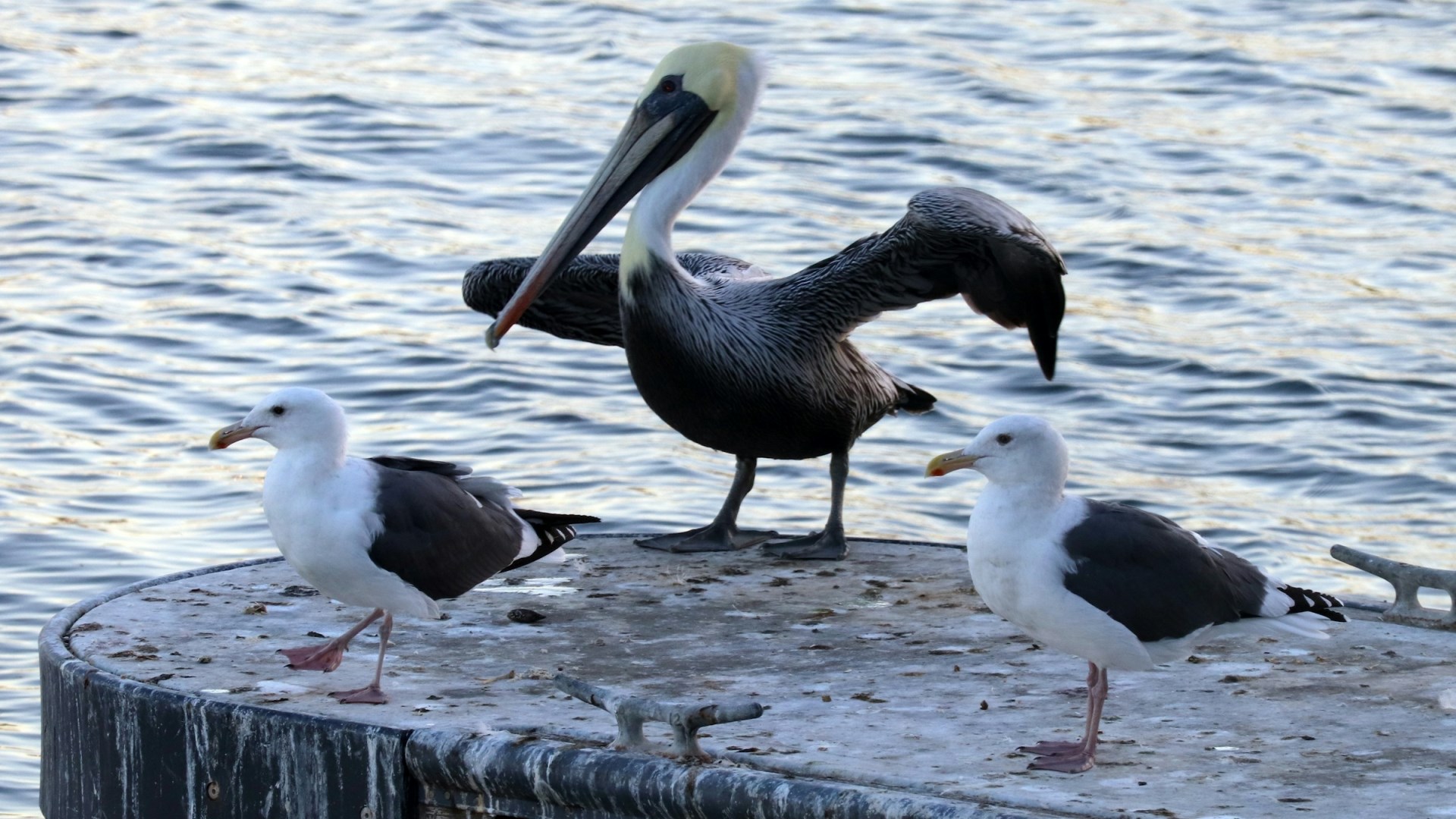
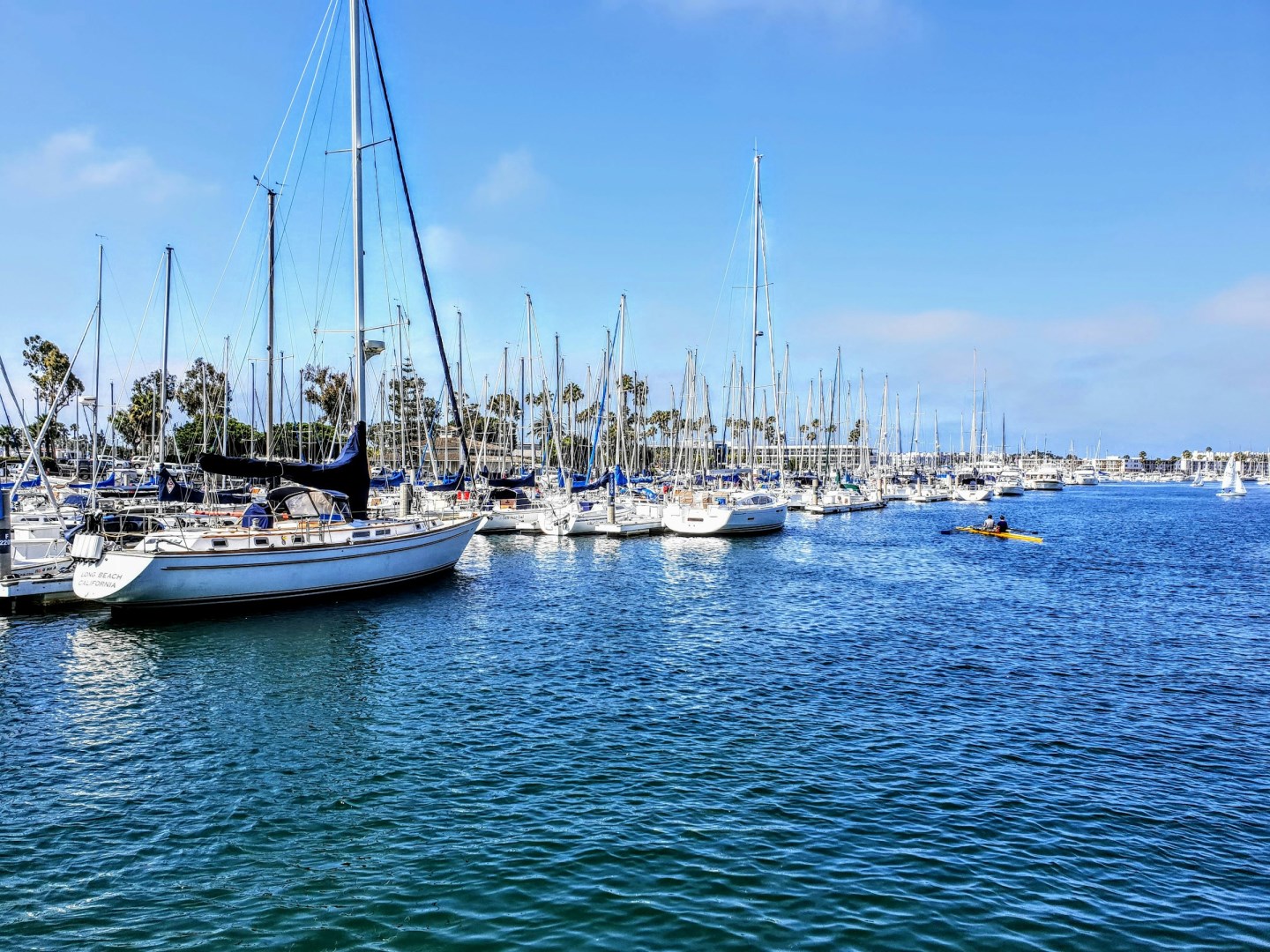
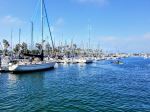
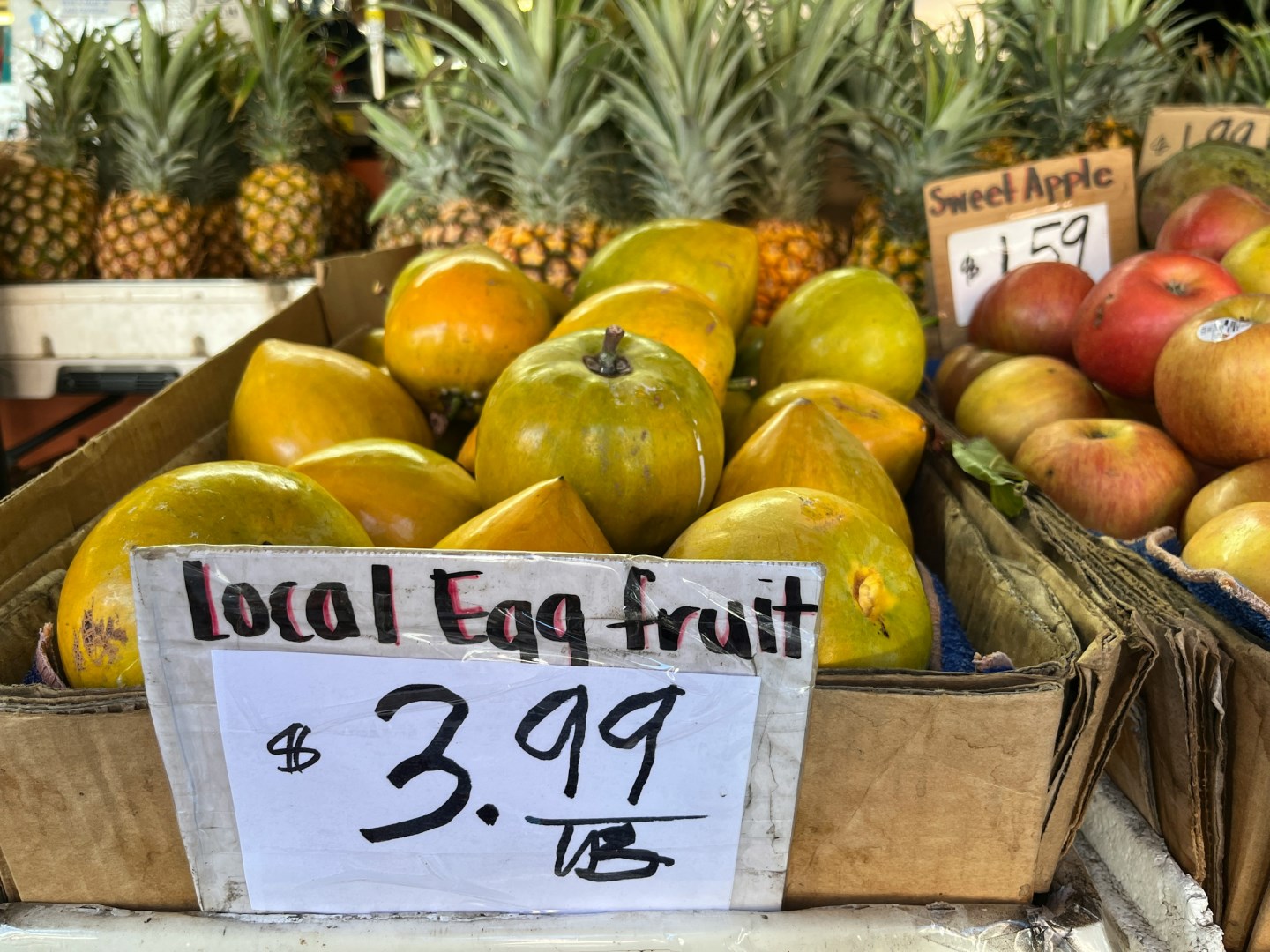

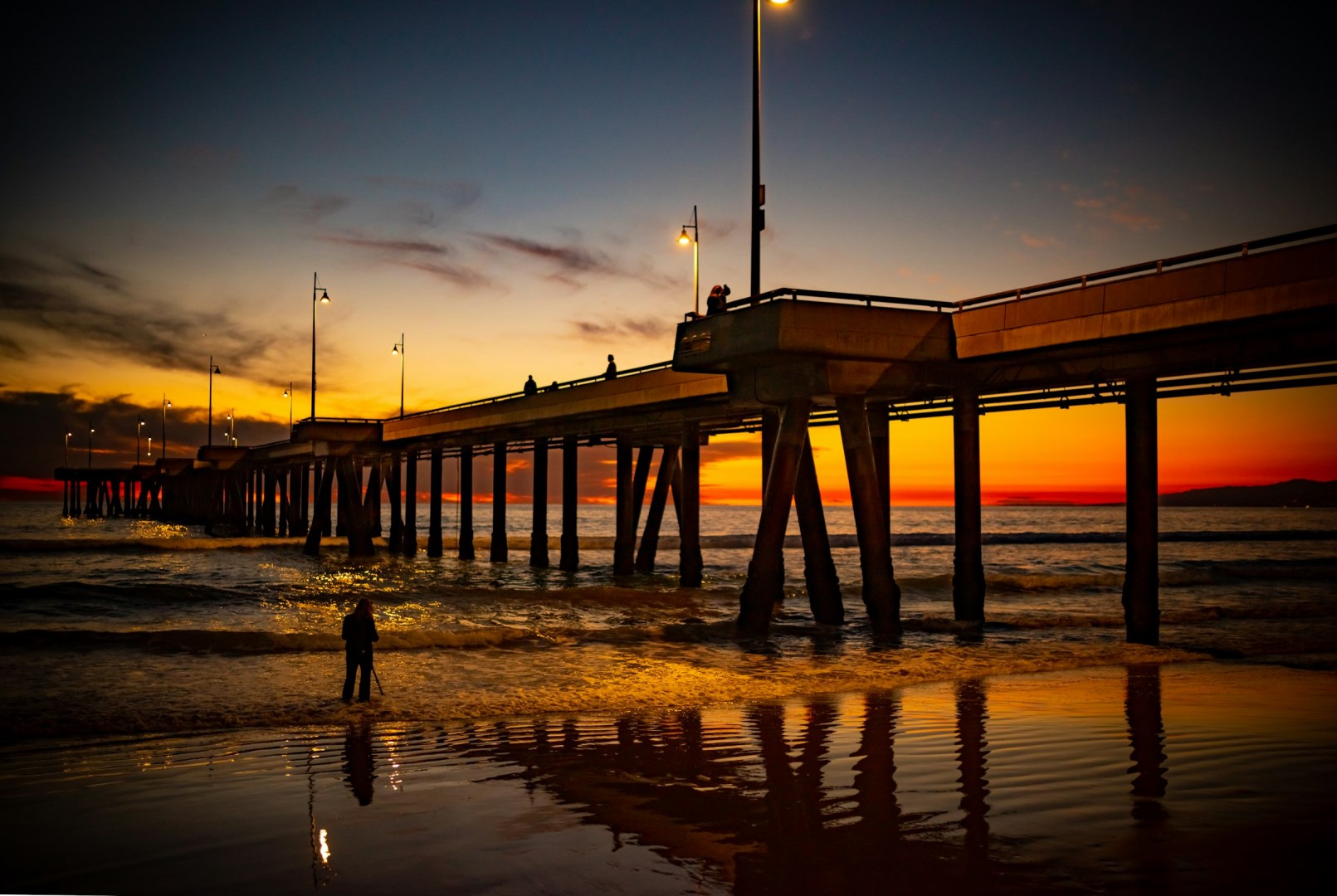
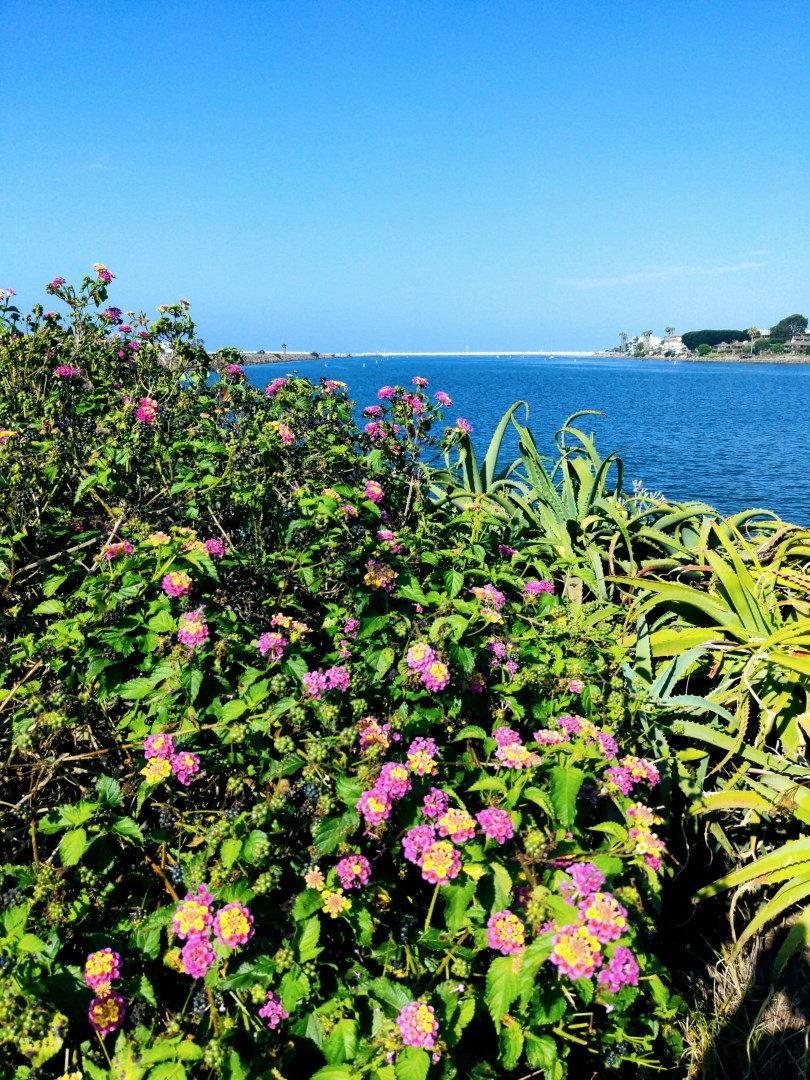
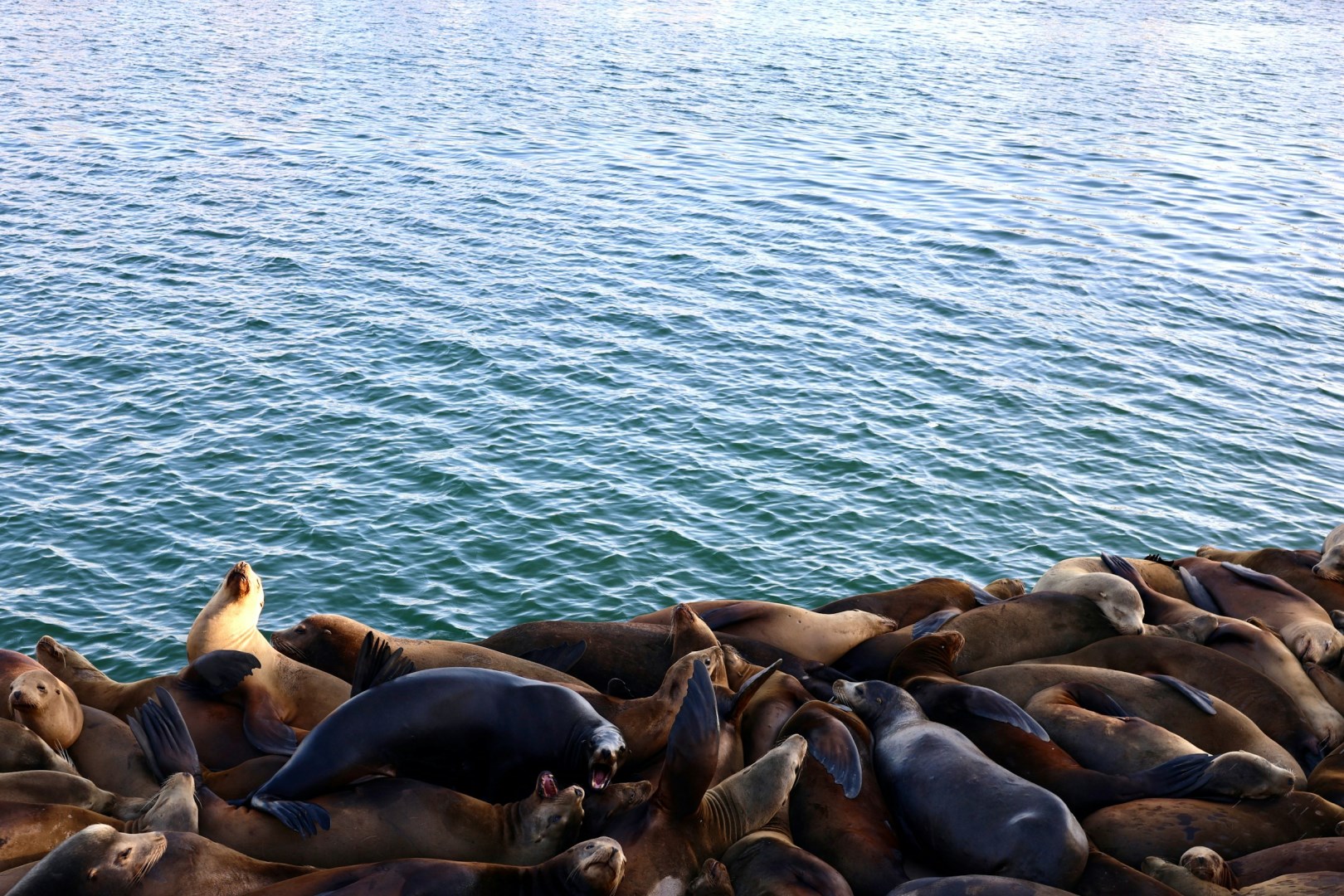
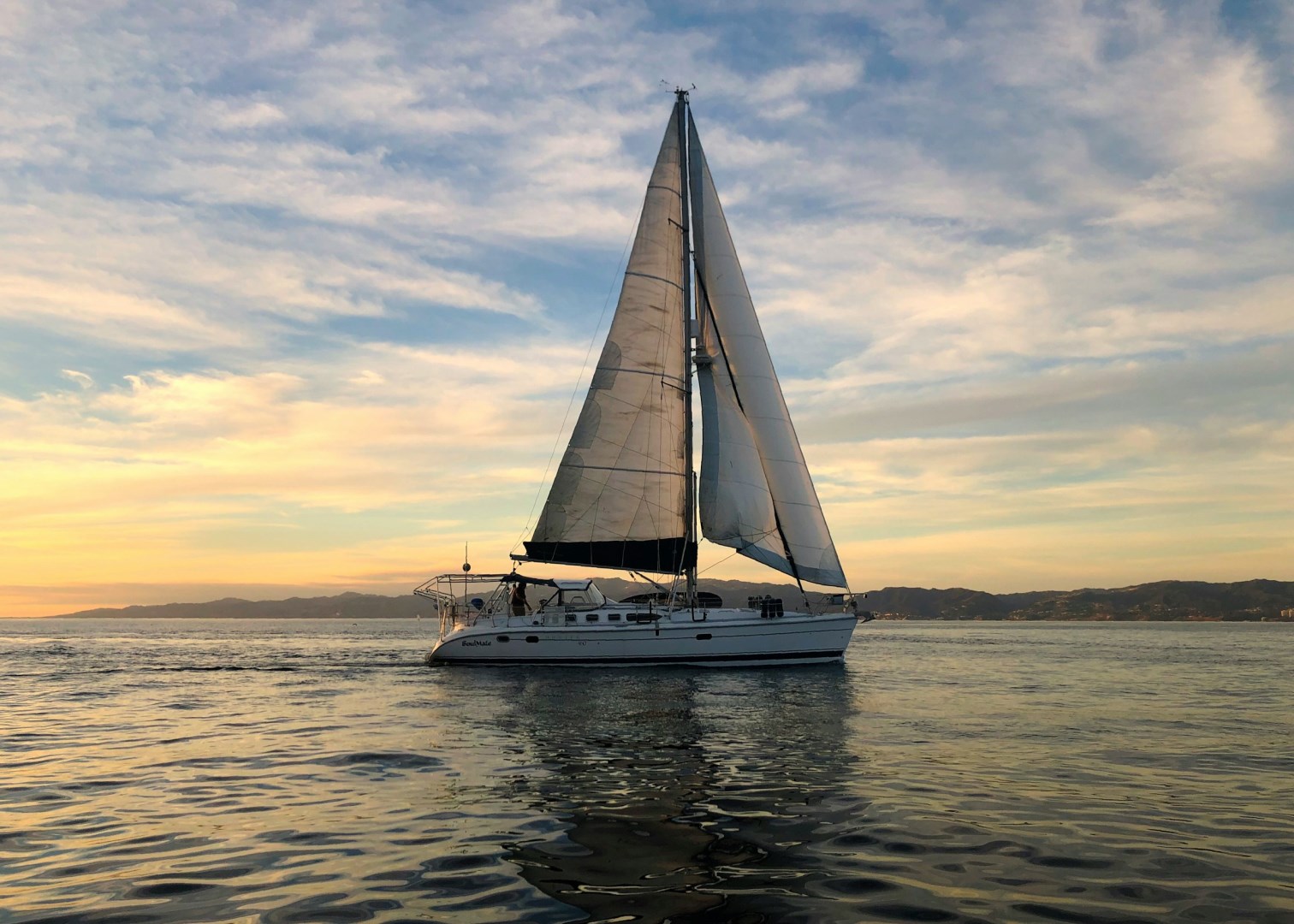
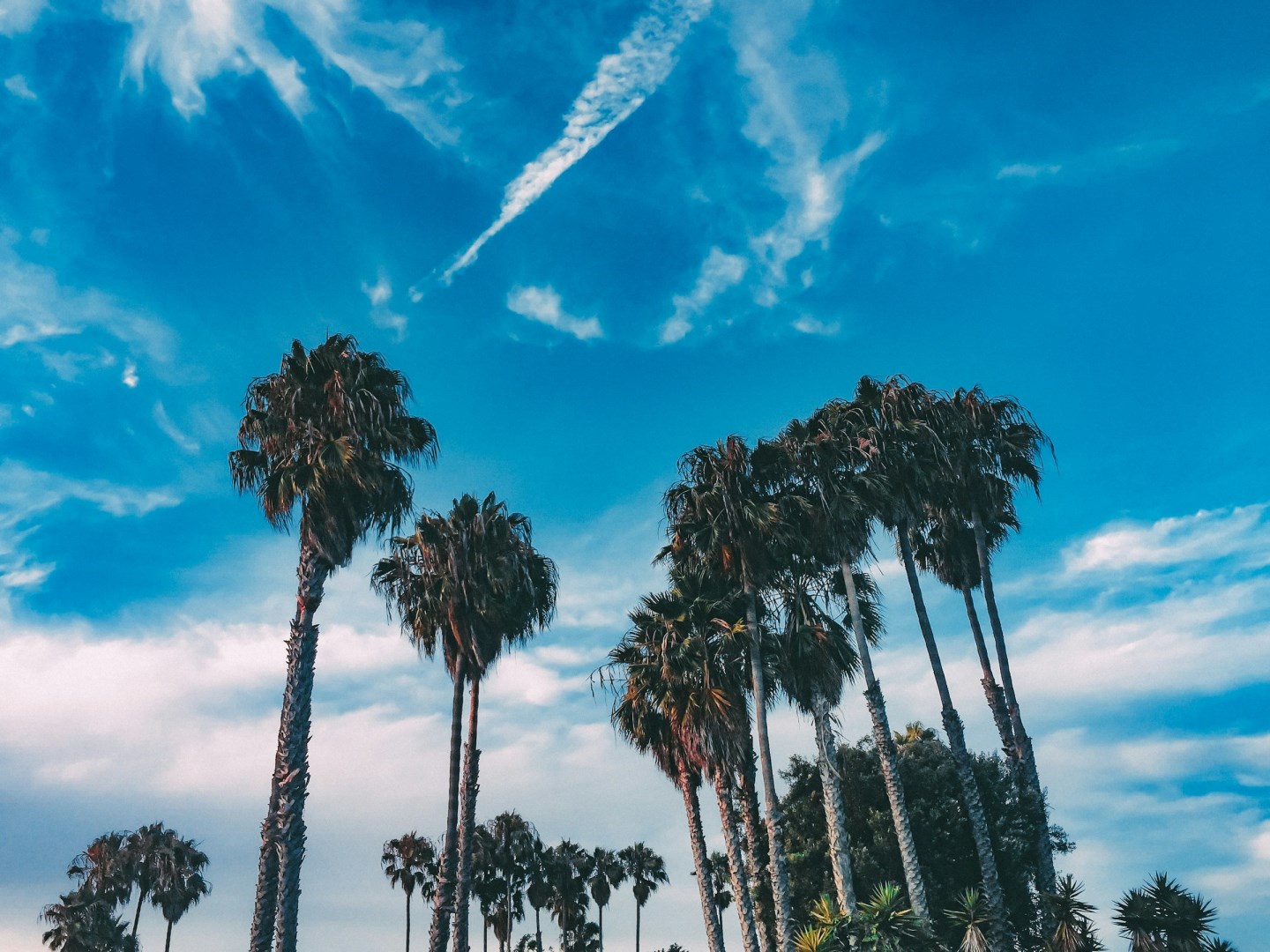
Marina del Rey is a coastal community in Los Angeles County, California, centered on one of the largest artificial small-craft harbors in North America. Located beside Santa Monica Bay, the area combines a network of marina basins with residential buildings, restaurants, parks, and waterfront paths. Its position between Los Angeles and the Pacific Ocean makes it closely connected to the wider Southern California coastline. The harbor is the defining feature, accommodating thousands of boats and providing a working and recreational focus for the surrounding community.
The area around Marina del Rey has longstanding connections to the Tongva people, whose ancestral lands included much of the Los Angeles Basin and coastal region. Before the harbor was developed, the area consisted largely of wetlands and marshes associated with Ballona Creek and the coastal plain. Harbor construction transformed the landscape and established Marina del Rey as a major boating center. Today, the community's maritime character remains visible in its docks, fishing vessels, sailing boats, and waterfront businesses, while nearby landmarks such as Burton Chace Park provide public space along the harbor.
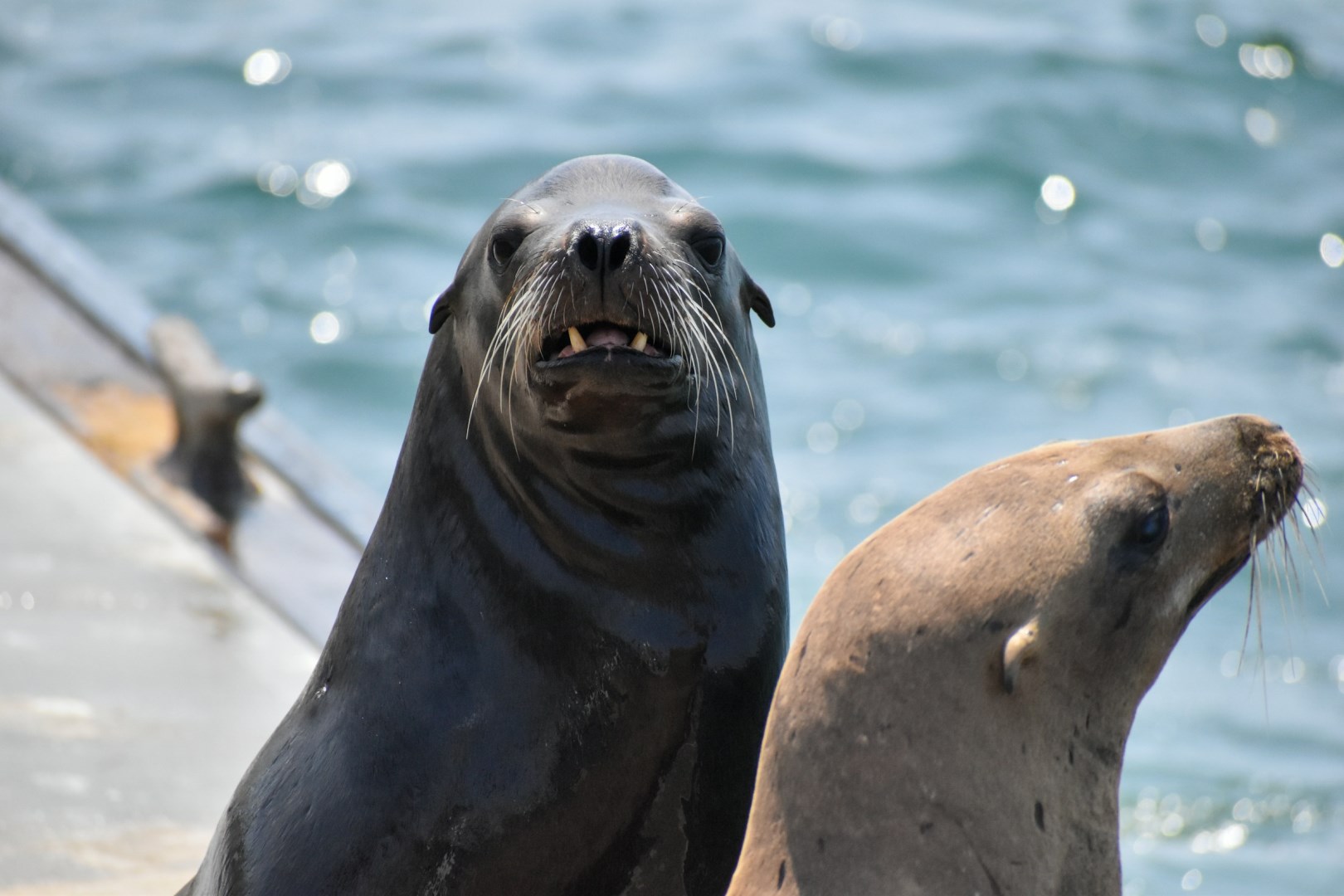
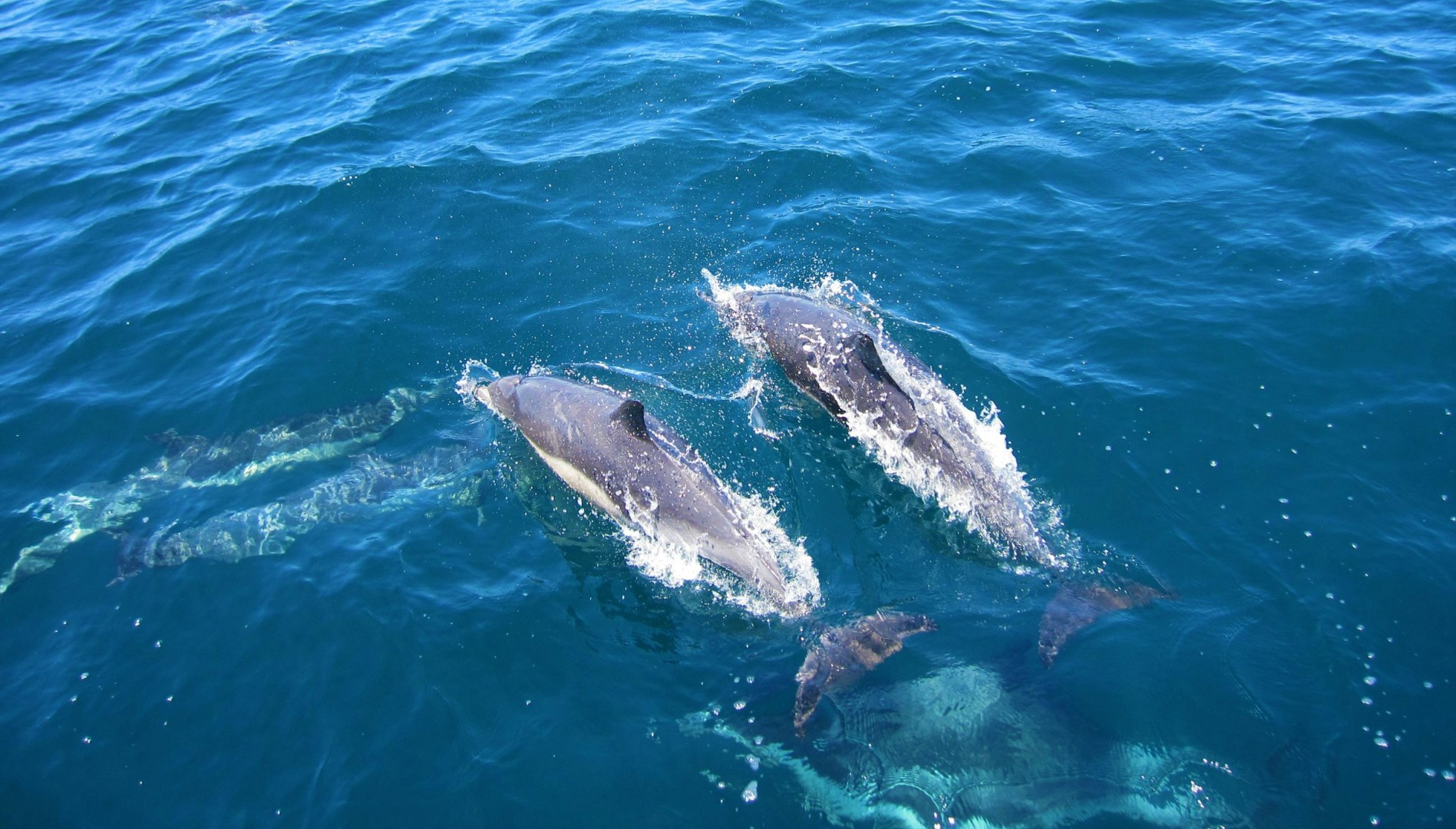
The marina provides access to a range of coastal activities, including sailing, kayaking, paddleboarding, fishing, and harbor cruises. Burton Chace Park offers walking paths, lawns, picnic areas, and views across the marina toward the surrounding city. Nearby Mother's Beach is a protected waterfront area suited to swimming and family recreation, while the Ballona Wetlands Ecological Reserve preserves one of the remaining coastal wetland areas in the Los Angeles region. The Pacific Ocean just beyond the harbor supports marine mammals and seabirds, and whale-watching excursions operate from nearby coastal harbors.
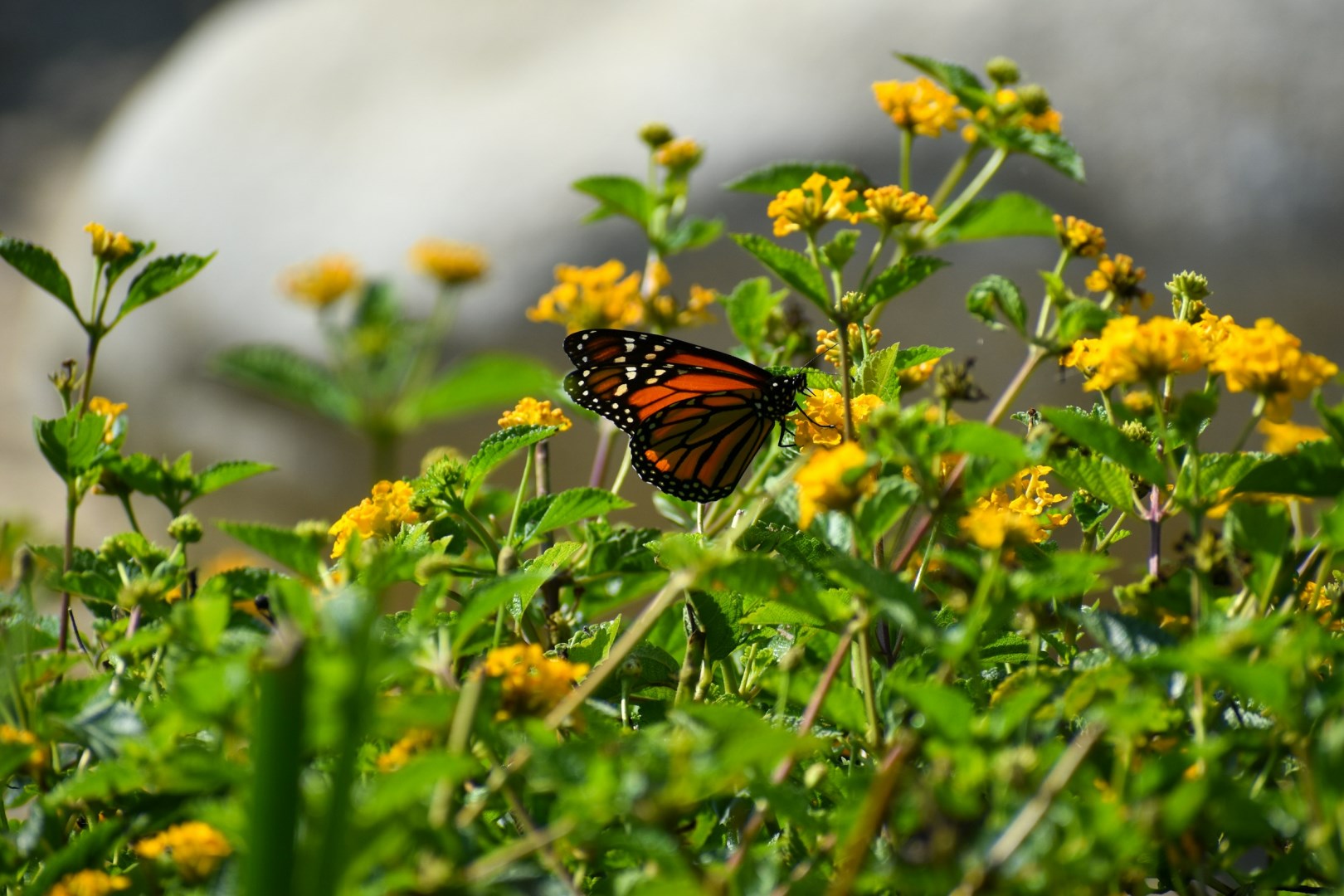
Marina del Rey's food scene is strongly connected to its waterfront setting, with restaurants overlooking the marina and menus that commonly feature seafood, California cuisine, and dishes influenced by Los Angeles's diverse culinary traditions. The harbor is also home to charter boats and recreational vessels, making fishing and boating an important part of local life. One distinctive detail is the contrast between the highly engineered marina and the remaining natural habitats nearby. Ballona Creek, coastal wetlands, beaches, and the open Pacific sit alongside apartment buildings, hotels, and harbor infrastructure, creating a landscape where urban development and coastal ecosystems exist in close proximity.
Other Popular Destinations in California