

Europe | Switzerland | Gstaad
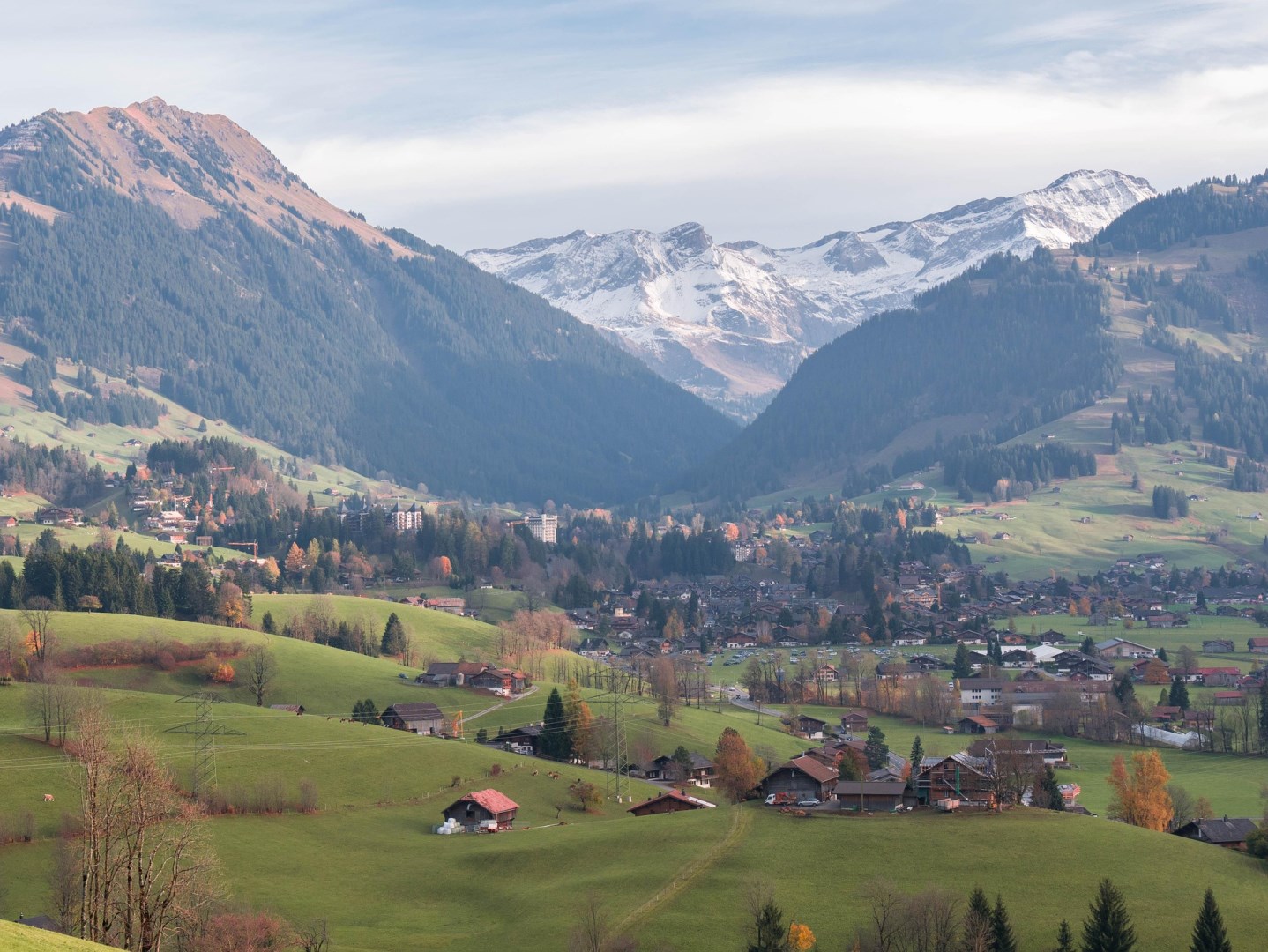
Elegant playground of the rich and famous, Gstaad also features the most glamorous snowfields in all of Europe. Mostly between Christmas and New Year, you will find international celebrities, aristocracy, movie stars and famous heads-of-state wherever you turn. Saanenland is a true paradise for fans of all kinds of winter sports.
Skiing starts here long before the other resorts get going, with ideal conditions on the nearby Diablerets glacier which offers year round skiing. By Christmas there is powder snow right down to the valley. With 250 kms of marked ski pistes for skiers of all standards, cross-country ski tracks and the excellent Swiss ski schools; 69 mountain railways and ski lifts, Gstaad is an ideal venue for all lovers of winter sun, sport and superb scenery.
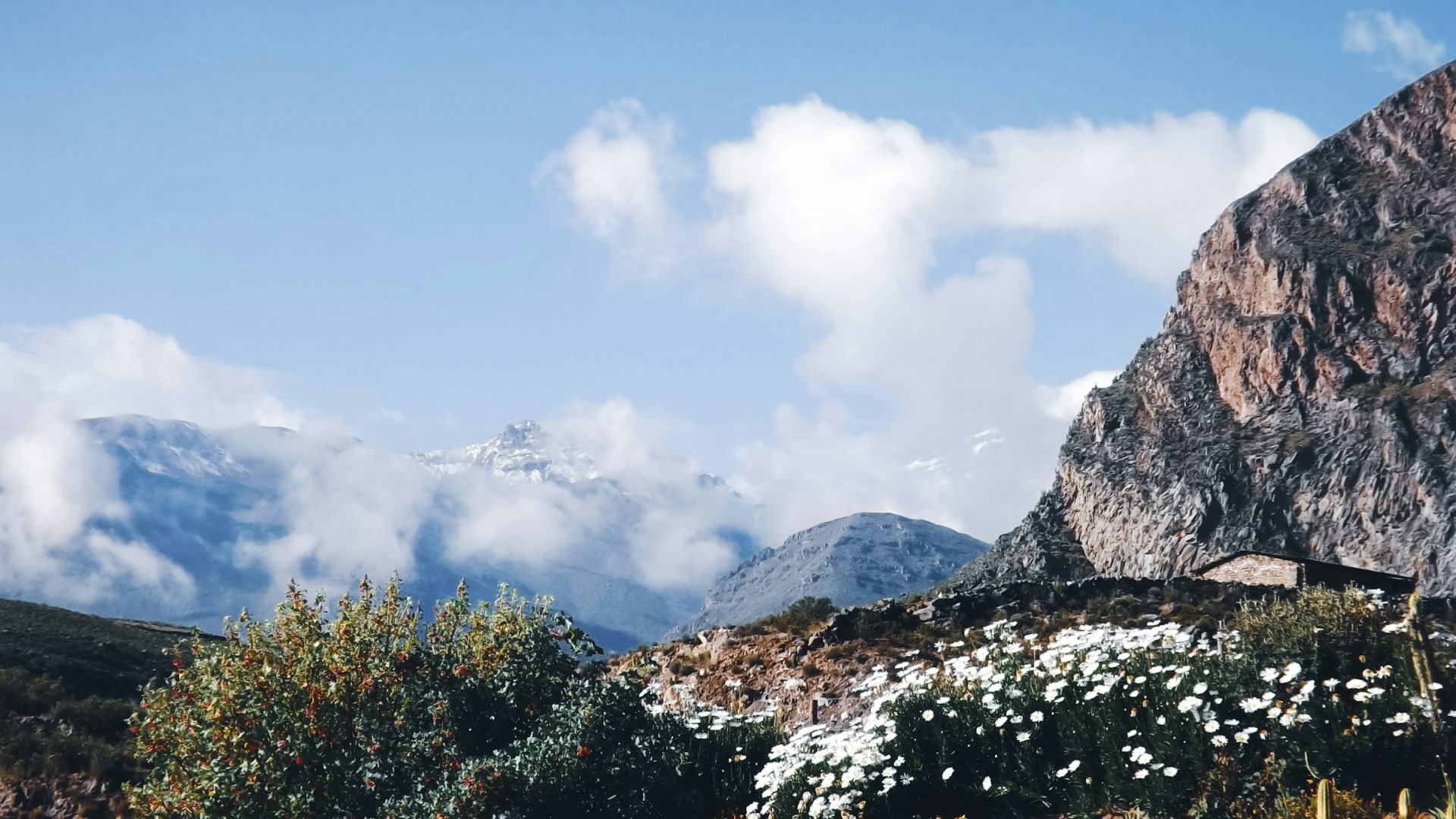
But Gstaad is not just a winter resort; as each season unfolds, the lush mountains are a sporting paradise all year round. Gstaad in summer offers the fascination of unspoilt mountain scenery, the special atmosphere of the original, cosy chalet village and an attractive programme of events and activities.
Guests can sense the sincerity of Saanen hospitality regardless of whether they are in a palatial five-star hotel or a simple village restaurant. All the features of summer sport are in abundance - hiking, climbing, swimming, tennis, fishing or golfing at the beautiful alpine golf course at Saanenmöser. Gstaad also has lots to offer culturally.
World renowned soloists and chamber music ensembles rendezvous every year at the Yehudi Menuhin Festival. The Alpengala presents major symphonic works, operas and ballet.
Skiing starts here long before the other resorts get going, with ideal conditions on the nearby Diablerets glacier which offers year round skiing. By Christmas there is powder snow right down to the valley. With 250 kms of marked ski pistes for skiers of all standards, cross-country ski tracks and the excellent Swiss ski schools; 69 mountain railways and ski lifts, Gstaad is an ideal venue for all lovers of winter sun, sport and superb scenery.
But Gstaad is not just a winter resort; as each season unfolds, the lush mountains are a sporting paradise all year round. Gstaad in summer offers the fascination of unspoilt mountain scenery, the special atmosphere of the original, cosy chalet village and an attractive programme of events and activities.
Guests can sense the sincerity of Saanen hospitality regardless of whether they are in a palatial five-star hotel or a simple village restaurant. All the features of summer sport are in abundance - hiking, climbing, swimming, tennis, fishing or golfing at the beautiful alpine golf course at Saanenmöser. Gstaad also has lots to offer culturally.
World renowned soloists and chamber music ensembles rendezvous every year at the Yehudi Menuhin Festival. The Alpengala presents major symphonic works, operas and ballet.
Other Popular Destinations in Switzerland
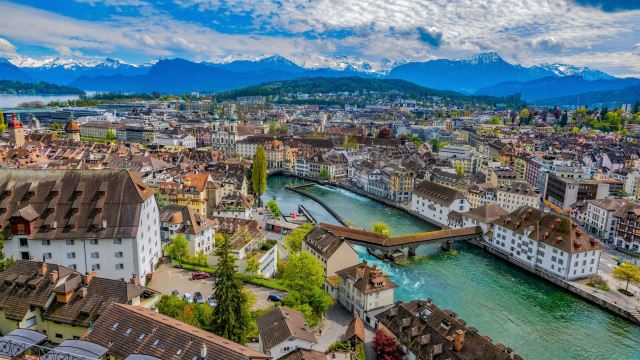
Behold beautiful Lucerne! This German-speaking area of central Switzerland on Lake Lucerne is a truly spectacular locale. Surrounded by mountains and notable for its famous Chapel Bridge, this idyllic and musical Swiss locale is wonderful any time of year.