
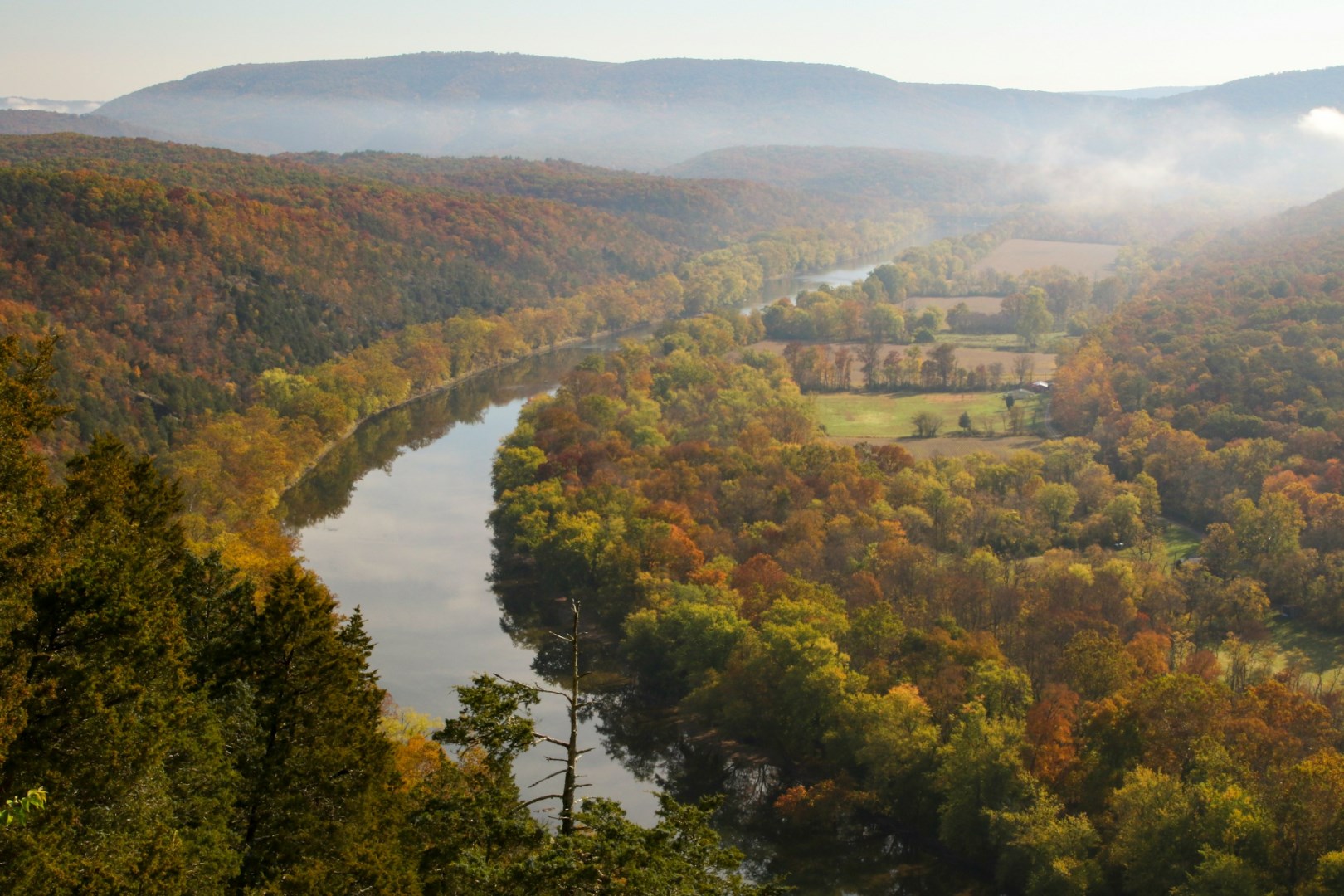

Maryland, a state rich in history and natural beauty, offers a diverse array of experiences for visitors. The city of Baltimore, with its vibrant Inner Harbor, serves as a cultural hub. The National Aquarium, featuring marine life from around the globe, is a highlight, while the nearby National Great Blacks in Wax Museum offers a profound look into African American history.
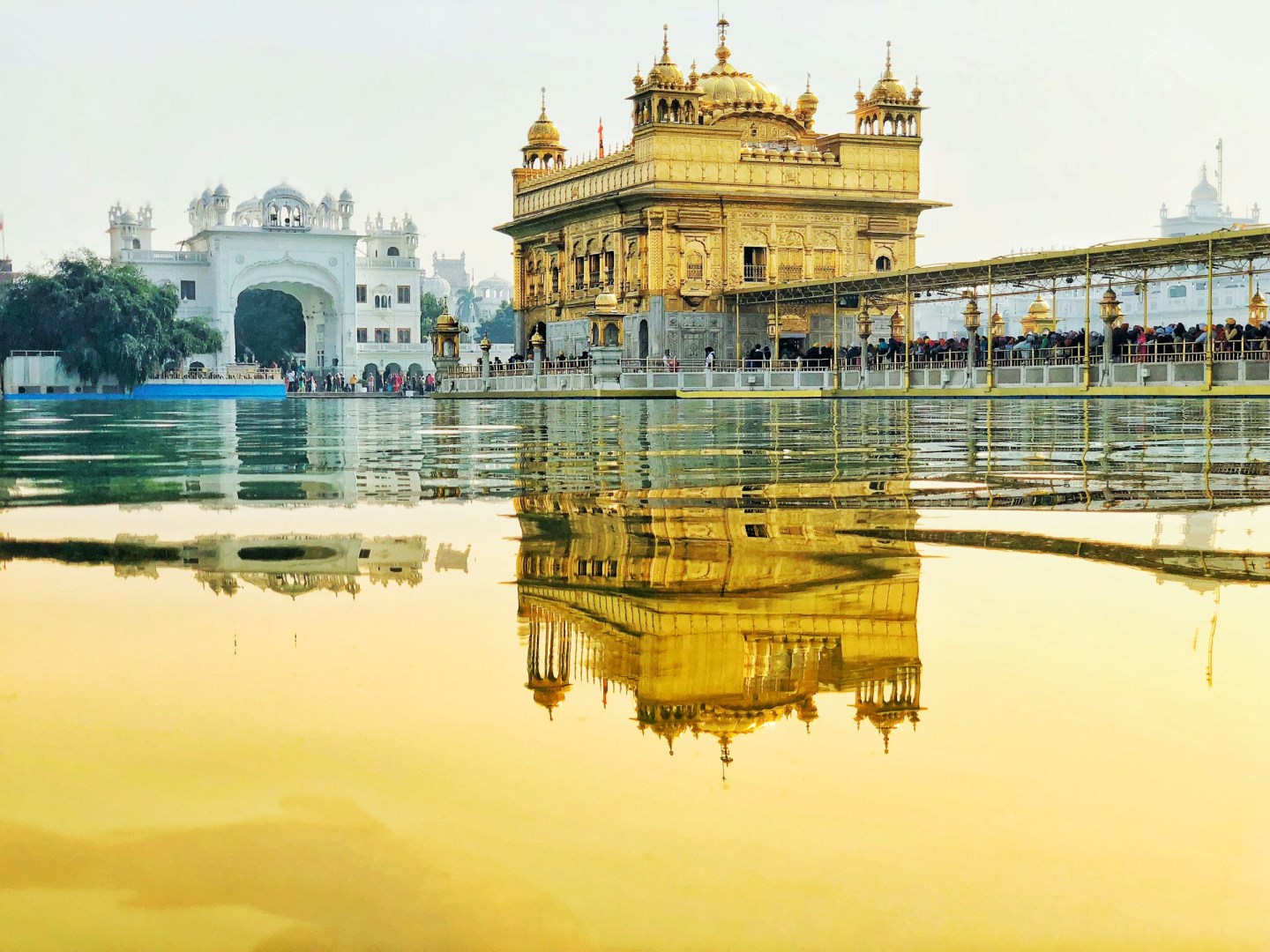
Located in the Indian state of Punjab, Amritsar is perhaps best known as the home of the Golden Temple, or Harmandir Sahib. It is one of the Sikhism religion's most significant and most-visited gurudwaras (place of worship). Tourists may also be interested in one of several museums, Urban Haat Food Street, Gobindgarh Fort and the Jallianwala Bagh memorial garden.
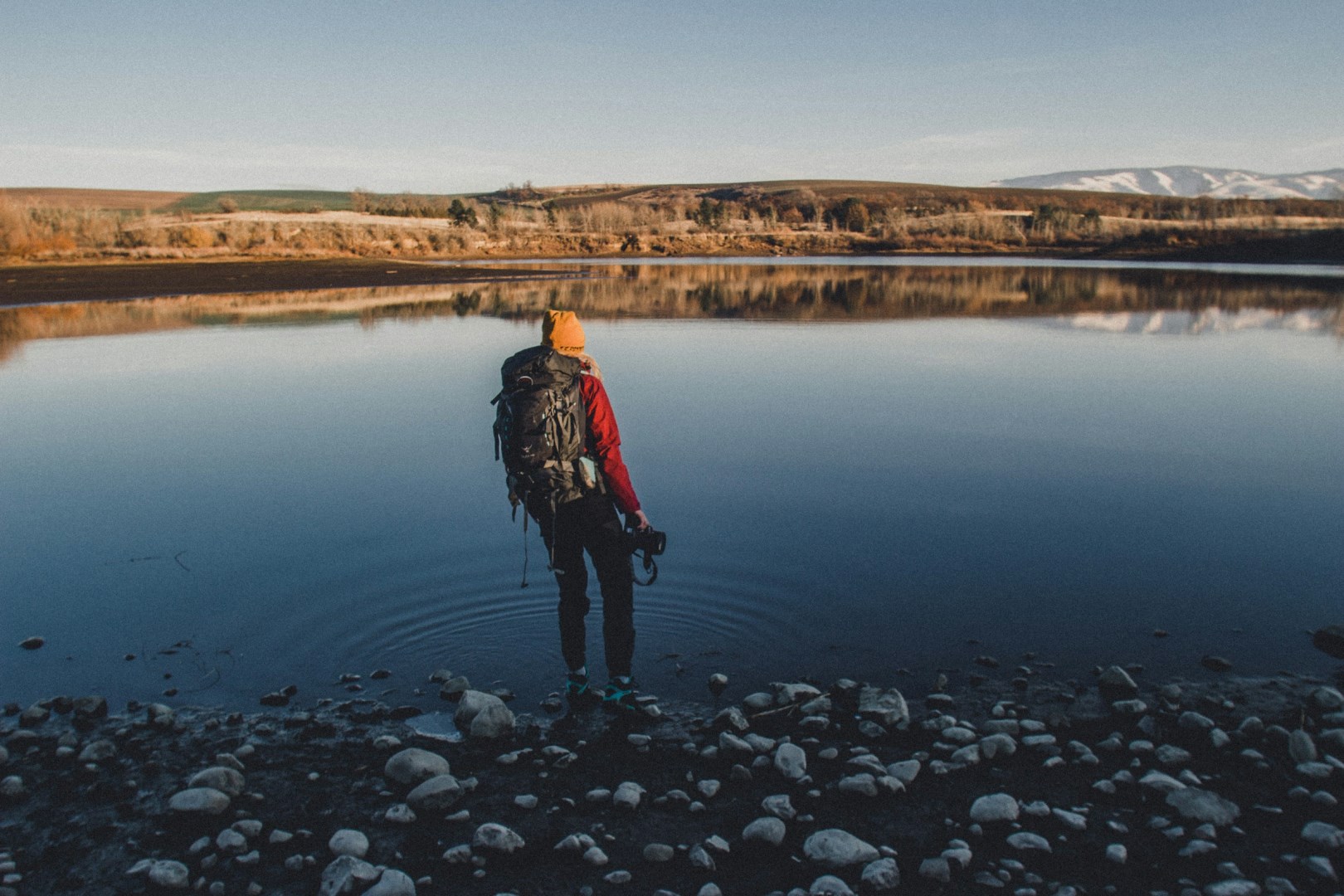
Walla Walla, Washington, is a hidden gem in the Pacific Northwest, renowned for its stunning vineyards and rich history. This charming city is nestled in the heart of the Walla Walla Valley, an area celebrated for its world-class wine production. The region’s wineries, offer exquisite tastings and picturesque settings, making Walla Walla a must-visit for wine enthusiasts.
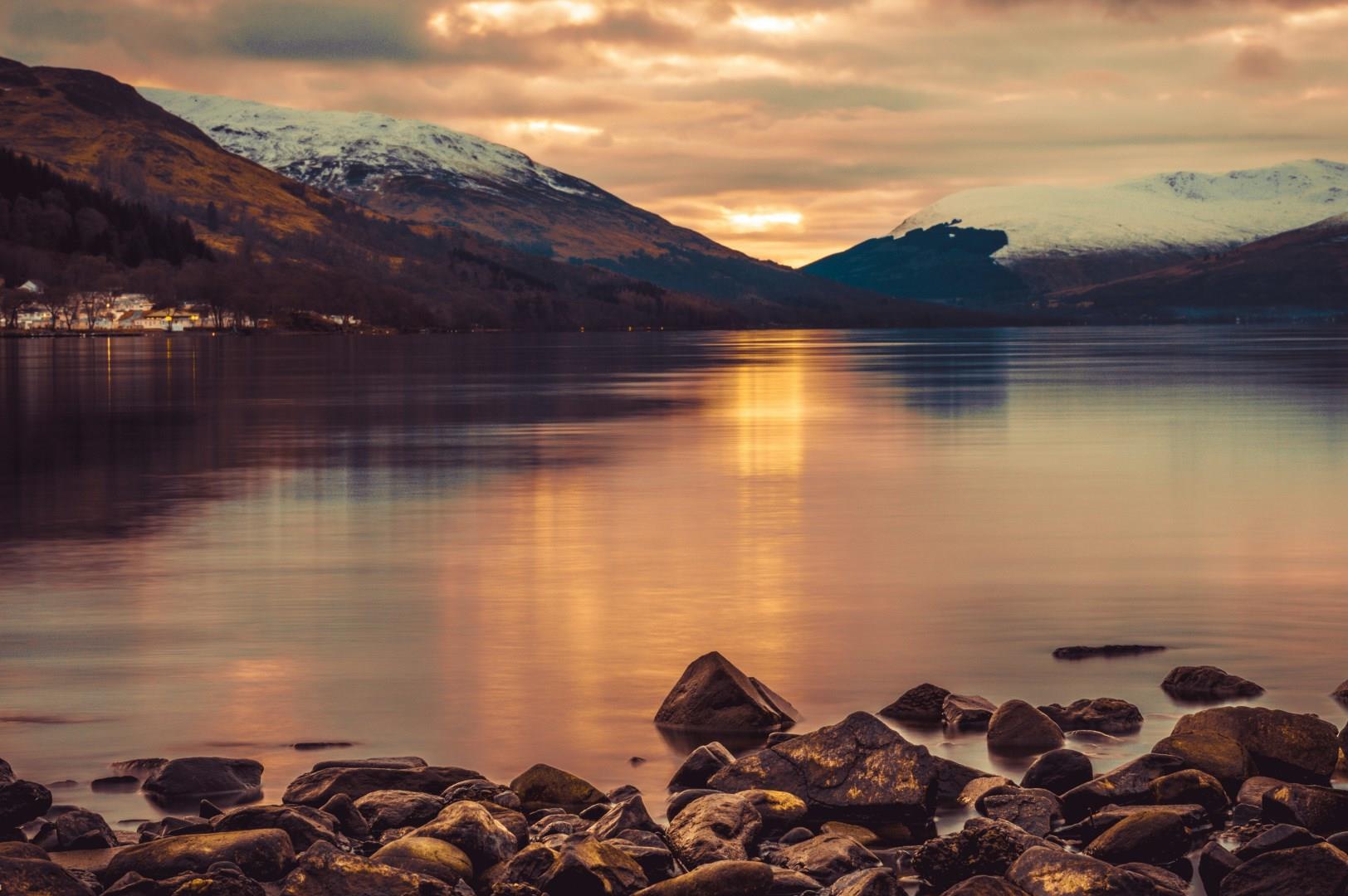
Loch Lomond, the largest lake in Great Britain by surface area, sits at the gateway to the Highlands and offers visitors a wide variety of ways to explore its islands, waters, and surrounding hills. Stretching over 22 miles and dotted with more than 30 islands, the loch has long been a source of inspiration for poets, musicians, and travelers.
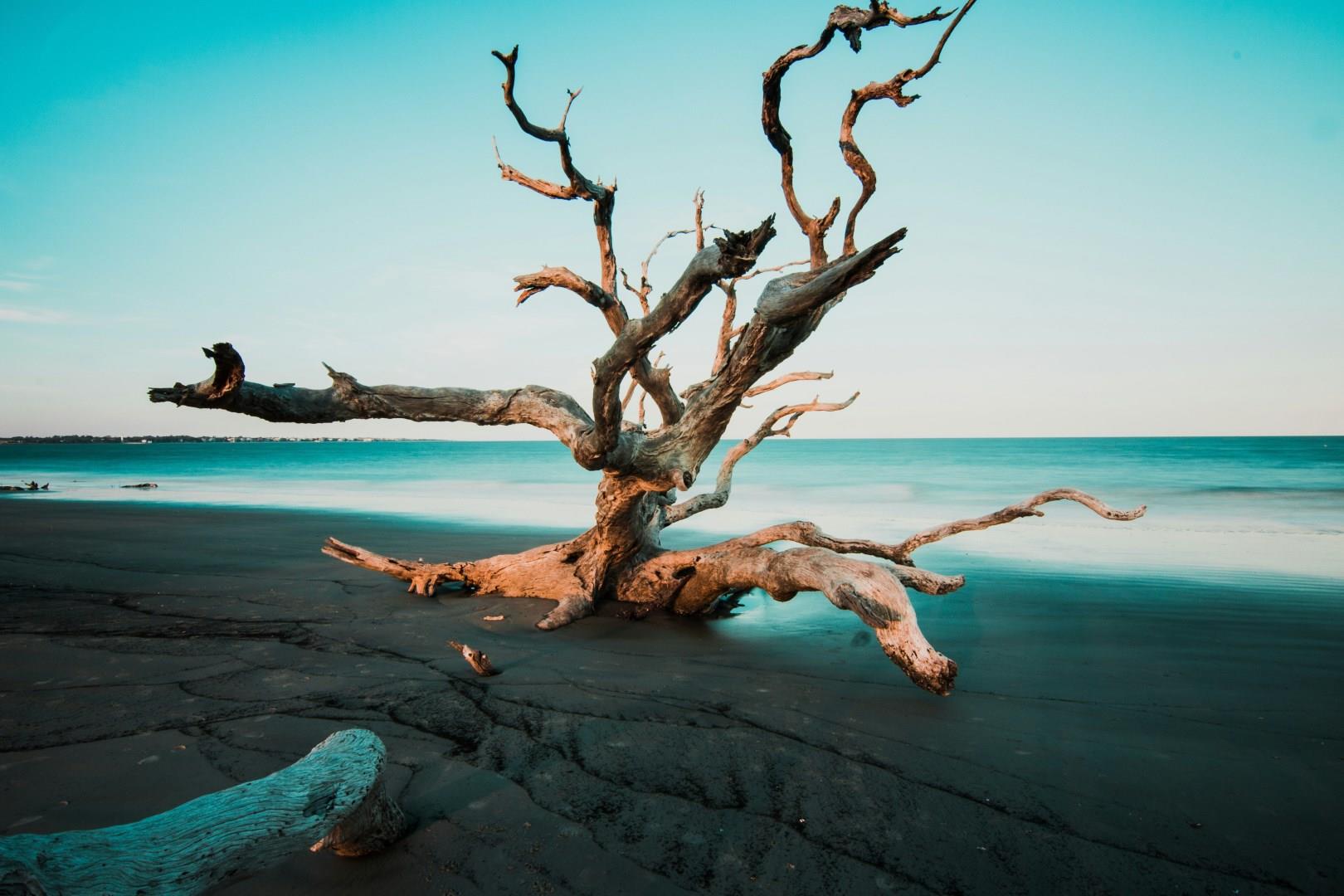
Jekyll Island, one of Georgia’s Golden Isles, is a barrier island with a story that stretches from ancient Indigenous cultures to Gilded Age millionaires. Today, it’s a state park carefully preserved for public enjoyment, offering a quiet blend of coastal landscapes, historic landmarks, and outdoor activities. With only a limited number of commercial developments allowed, the island maintains a peaceful, uncrowded atmosphere that’s hard to find on most Southeastern beaches.
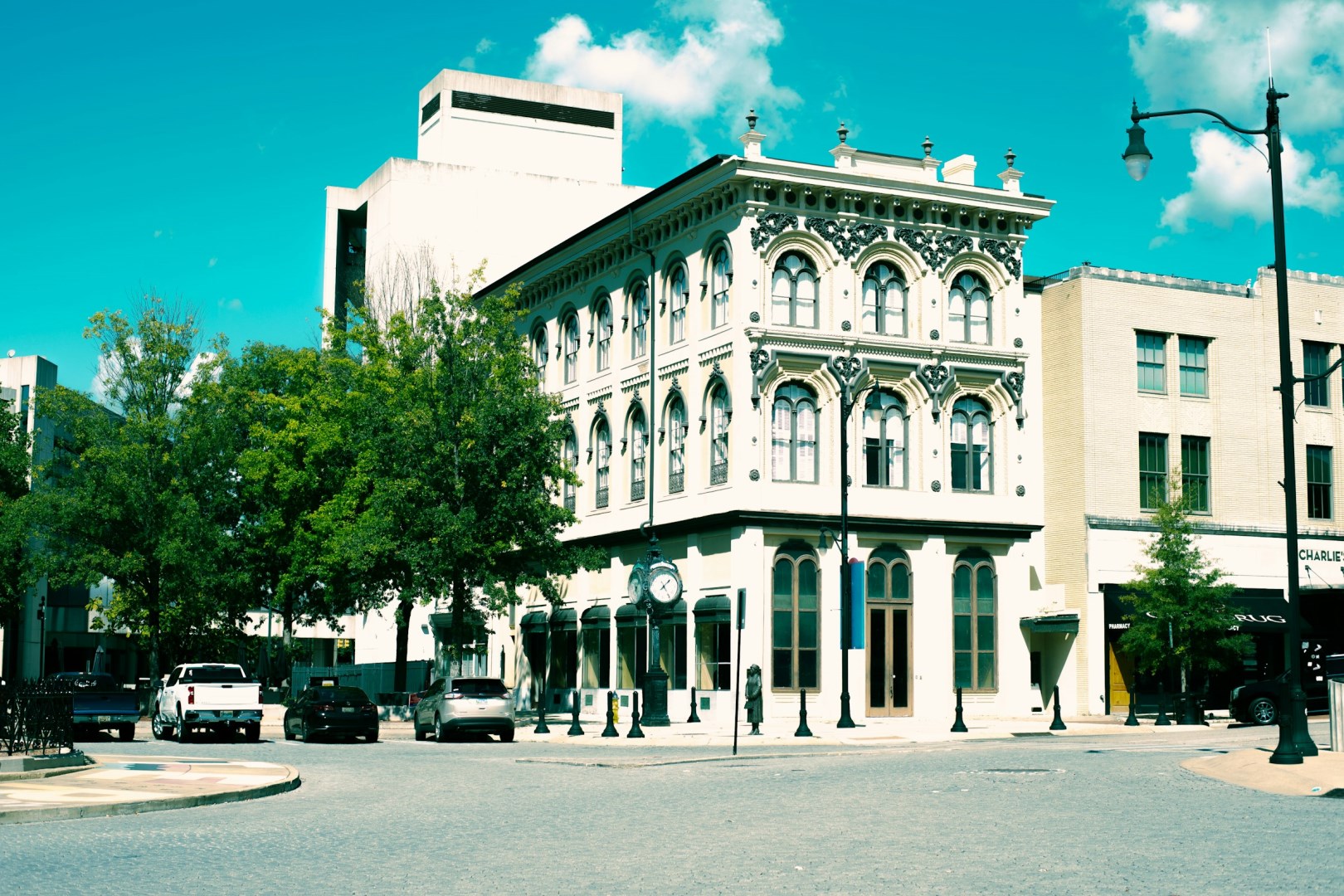
Montgomery, capital of Alabama and seat of Montgomery County, a port on the Alabama River, in the central part of the state. Montgomery is the site of Alabama State University (1874), Auburn University at Montgomery (1967), Huntingdon College (1854), Troy State University at Montgomery (1966), Faulken University (1942), and a junior college.
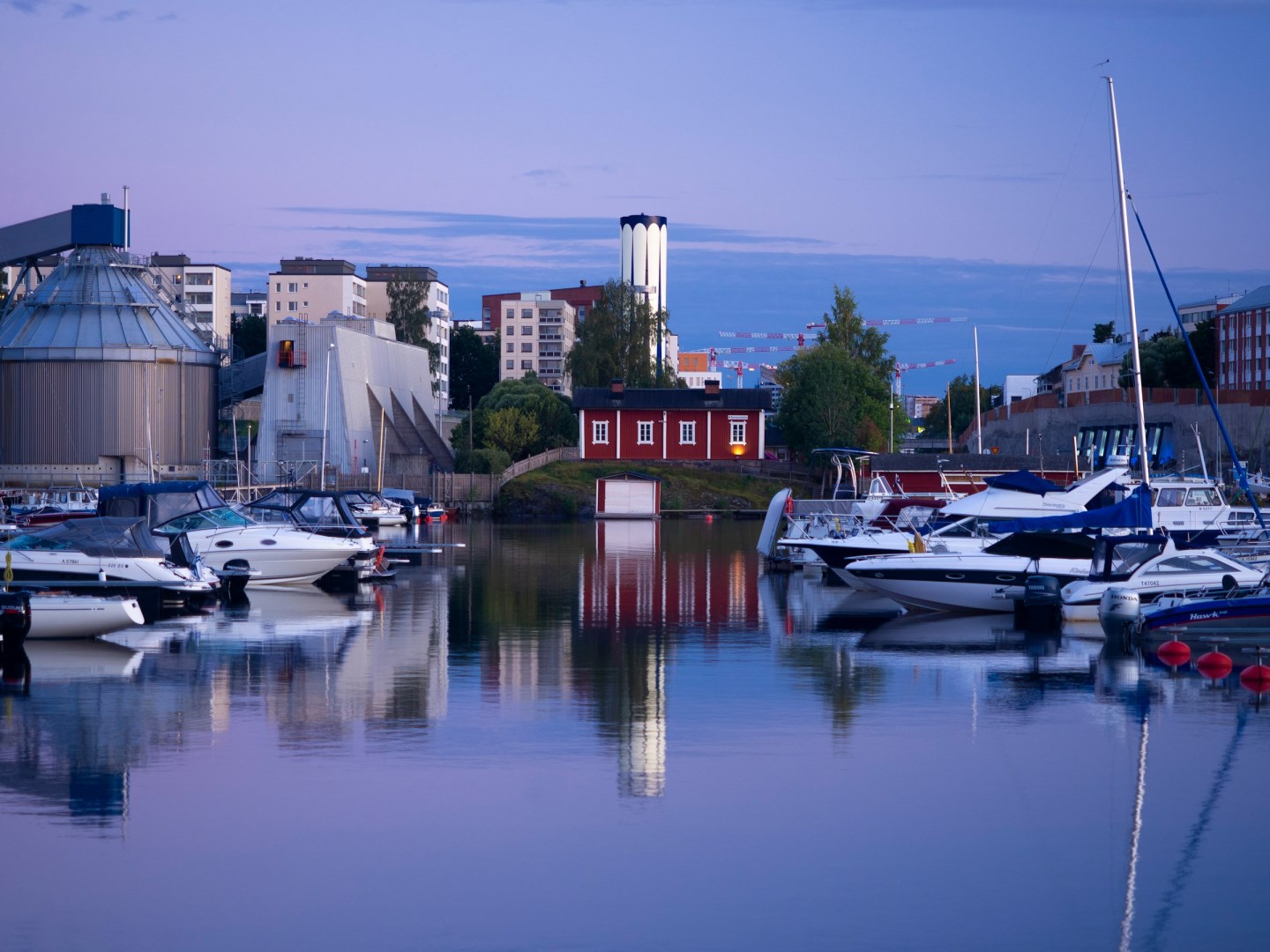
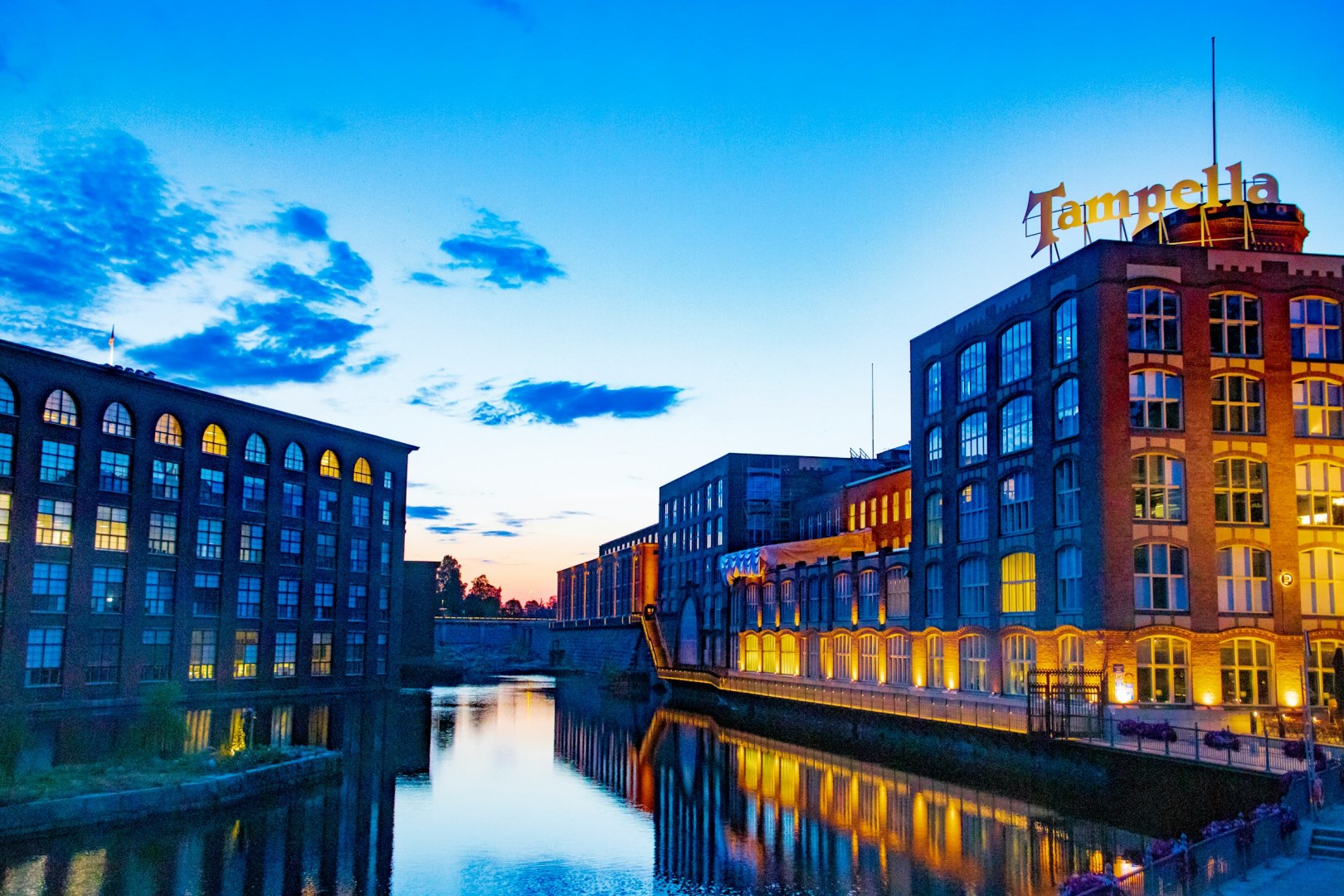
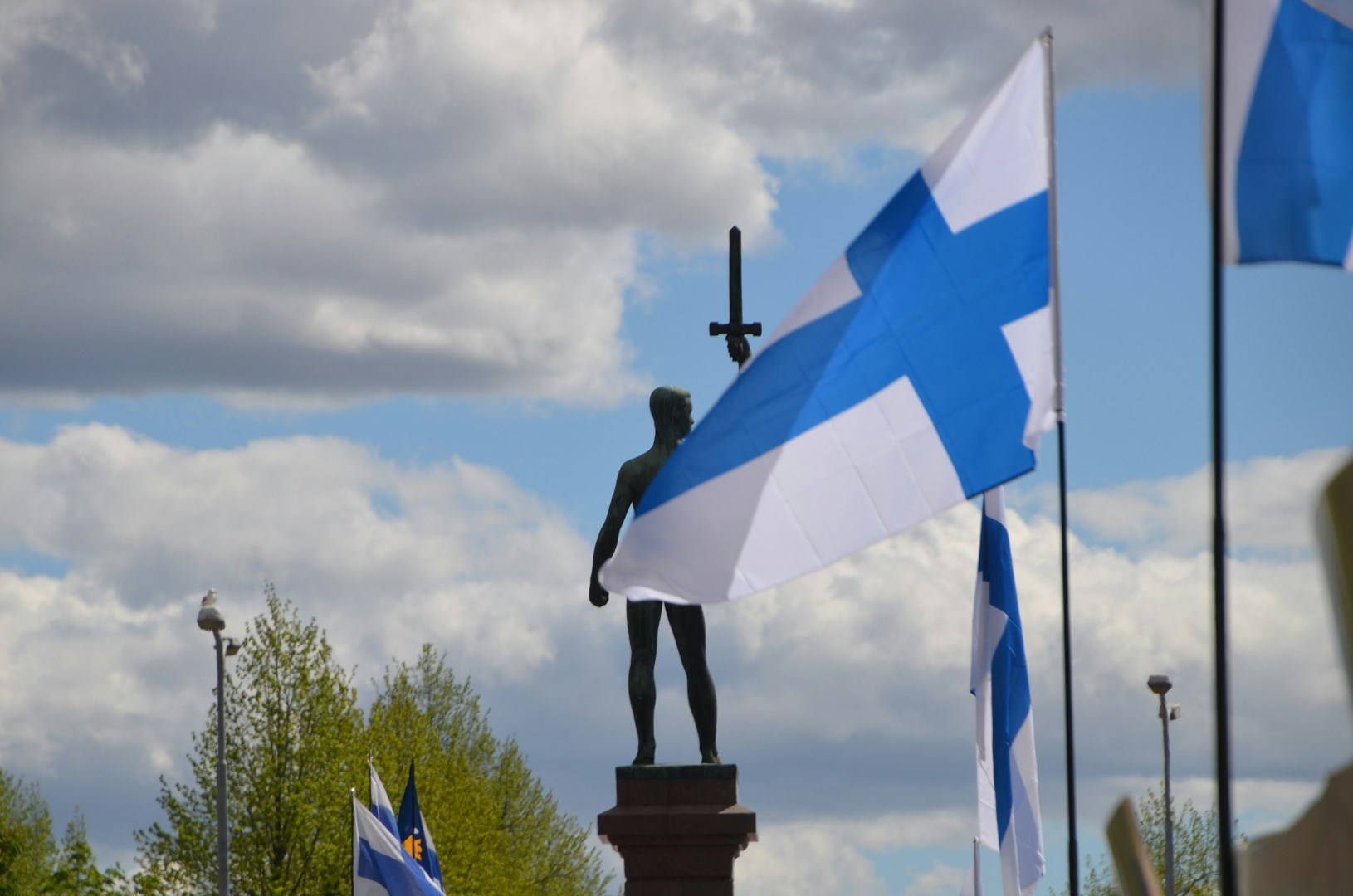
Tampere is the third largest city in Finland with a population of 182,000. Tampere is also the heart of the Tampere Region which has a dynamic population of about 430,000. In the last few years the city's population has grown rapidly. Tampere is located 110 miles north of Helsinki, the capital. The city has good railroad and road connections from any part of Finland. In addition to its dynamic commerce and industry, Tampere is also know for versatile cultural services, sports facilities and attractions to a traveller. Tampere's reputation as a city of culture can be mainly attributed to its severla theatres and art museums and the various types of festivals it organizes. Many world class artists perform at the new Tampere Hall, Scandanavia's largest concert and congress centre. Tampere is also well know from the large variety of educational organizations, such as University of Tampere, Tampere University of Technology, Institute of Commerce, Institute of Technology, and more.
Other Popular Destinations in Finland
Helsinki
Nature is never far in Helsinki. Locals swim in the sea, walk forested trails, and gather mushrooms or berries all within city limits. One popular local habit is heading to the sauna, and the city offers several open-to-the-public options. Löyly, located on the waterfront, combines traditional wood-burning saunas with a sleek, modern design. In winter, visitors can even pair a sauna session with a quick dip through a hole cut in the ice for an experience both shocking and strangely calming.
Rovaniemi
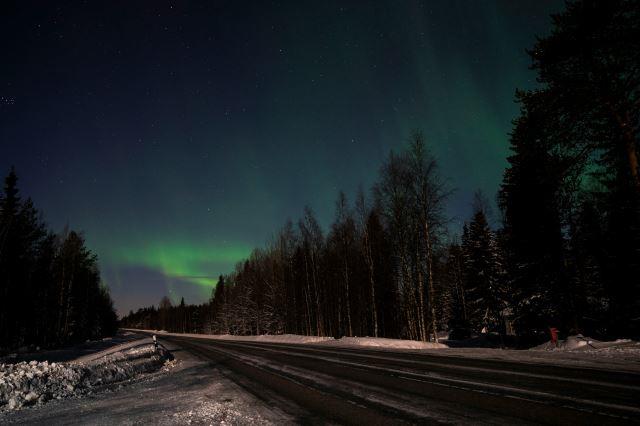
Rovaniemi, located just a few kilometers south of the Arctic Circle, is widely recognized as the official hometown of Santa Claus. From late August through early April, the Northern Lights are visible on clear nights, and several local guides offer nighttime tours to remote locations for optimal viewing. During summer, the sun doesn't set for weeks, giving travelers the rare chance to hike or kayak under a sky that stays bright at midnight.