
Dominica, known as the “Nature Island of the Caribbean,” is a haven for eco-tourists and adventure seekers. Nestled between the French islands of Guadeloupe and Martinique, this lush island boasts a remarkable landscape of volcanic mountains, dense rainforests, and stunning waterfalls. Dominica’s most iconic natural wonder is the Boiling Lake, the second-largest hot spring in the world.
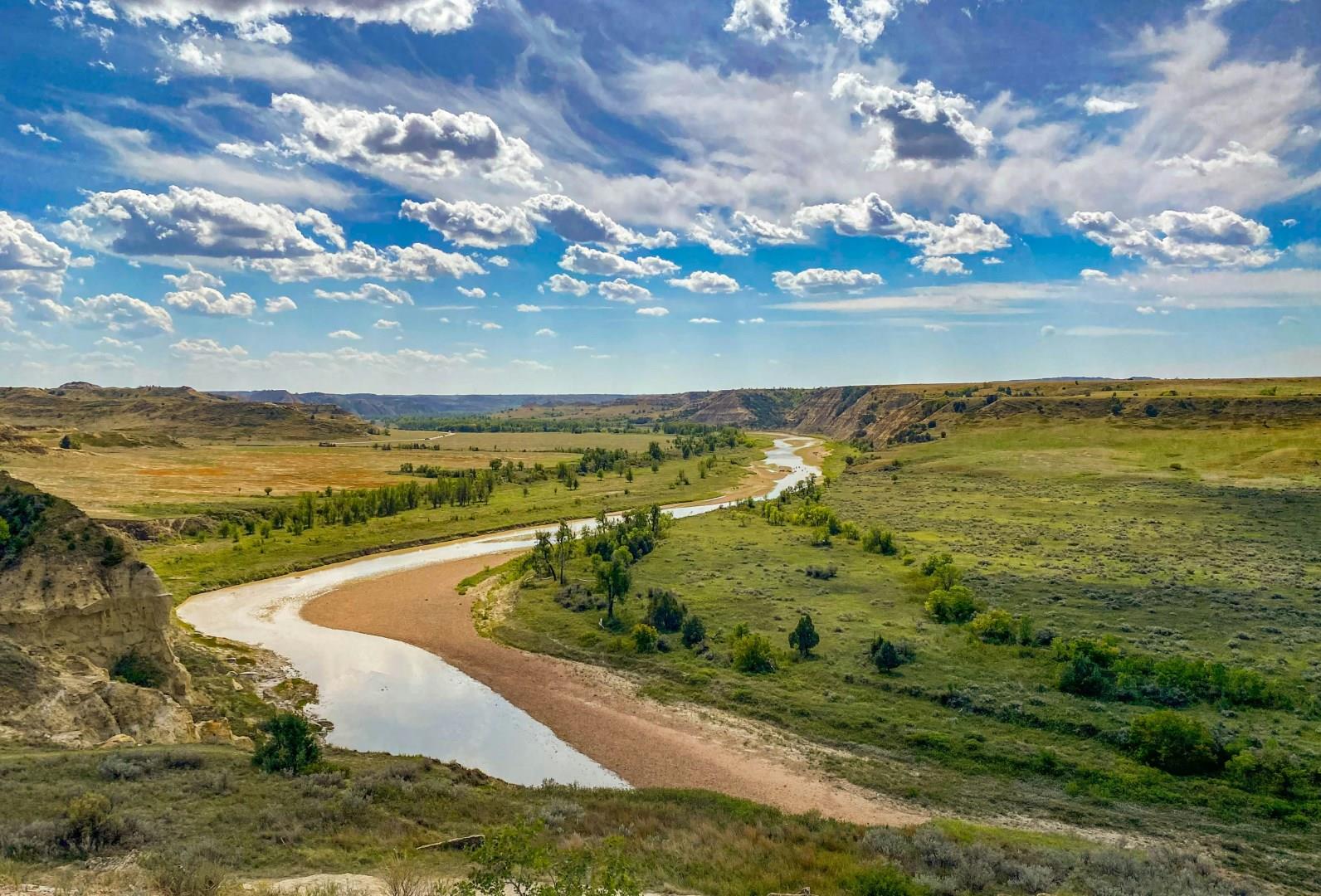
Theodore Roosevelt National Park, tucked into the rugged badlands of western North Dakota is where a young Theodore Roosevelt came to recover after the loss of his wife and mother in the same day. He bought a ranch, rode the open plains, and found the resolve that would later define his presidency. Today, the park named in his honor preserves that same wild spirit. Visitors can still see Roosevelt’s original Maltese Cross Cabin near the park's entrance and walk trails he once rode on horseback.
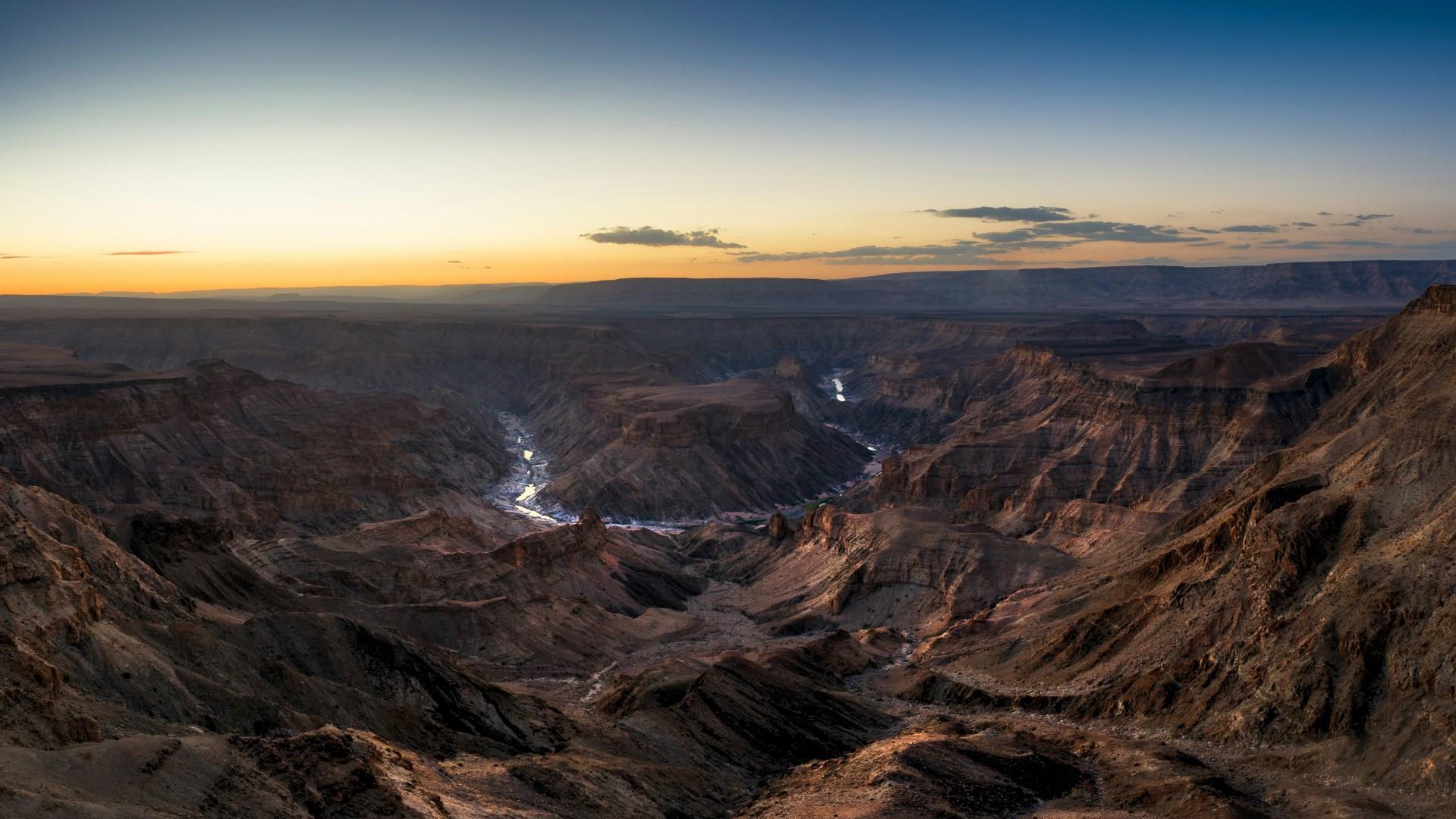
The Fish River Canyon in southern Namibia is one of the planet’s most remarkable landforms, stretching across vast terrain in the Richtersveld Transfrontier Park. It is one of Africa’s largest canyons, carved over millions of years by the Fish River as it etched a deep, twisting gorge into the desert plateau. From high viewpoints like Hell’s Bend, visitors can see layers of rock dropping away to reveal ridges and ravines that seem to go on forever, all under wide, open skies.
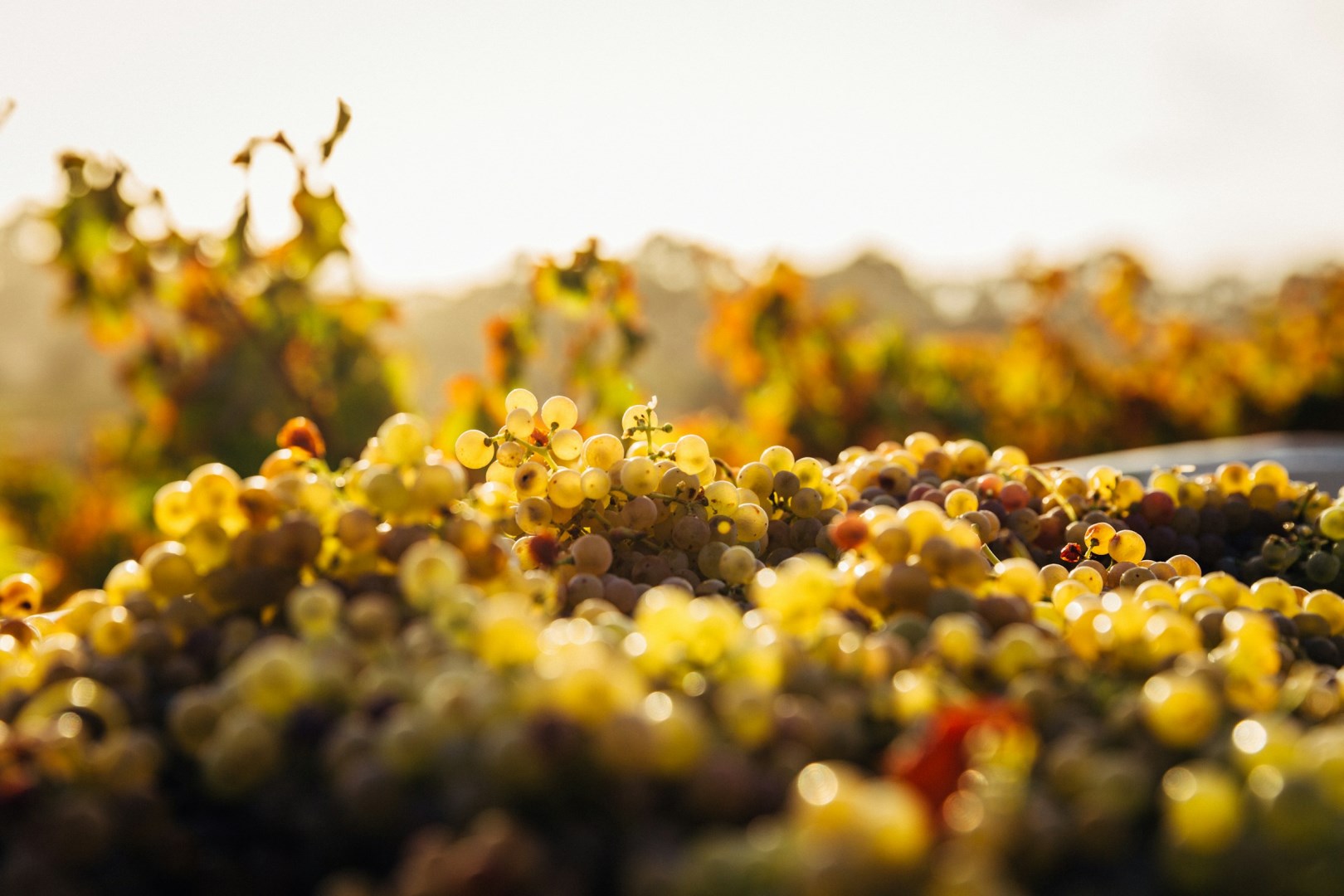
Barossa Valley is a wine-growing region in South Australia, northeast of Adelaide, known for its vineyards, historic villages, and strong food culture. The valley includes towns such as Tanunda, Angaston, and Nuriootpa, each with its own local character. Vineyards cover much of the surrounding landscape, while eucalyptus trees, rolling hills, and farm properties create a rural setting.
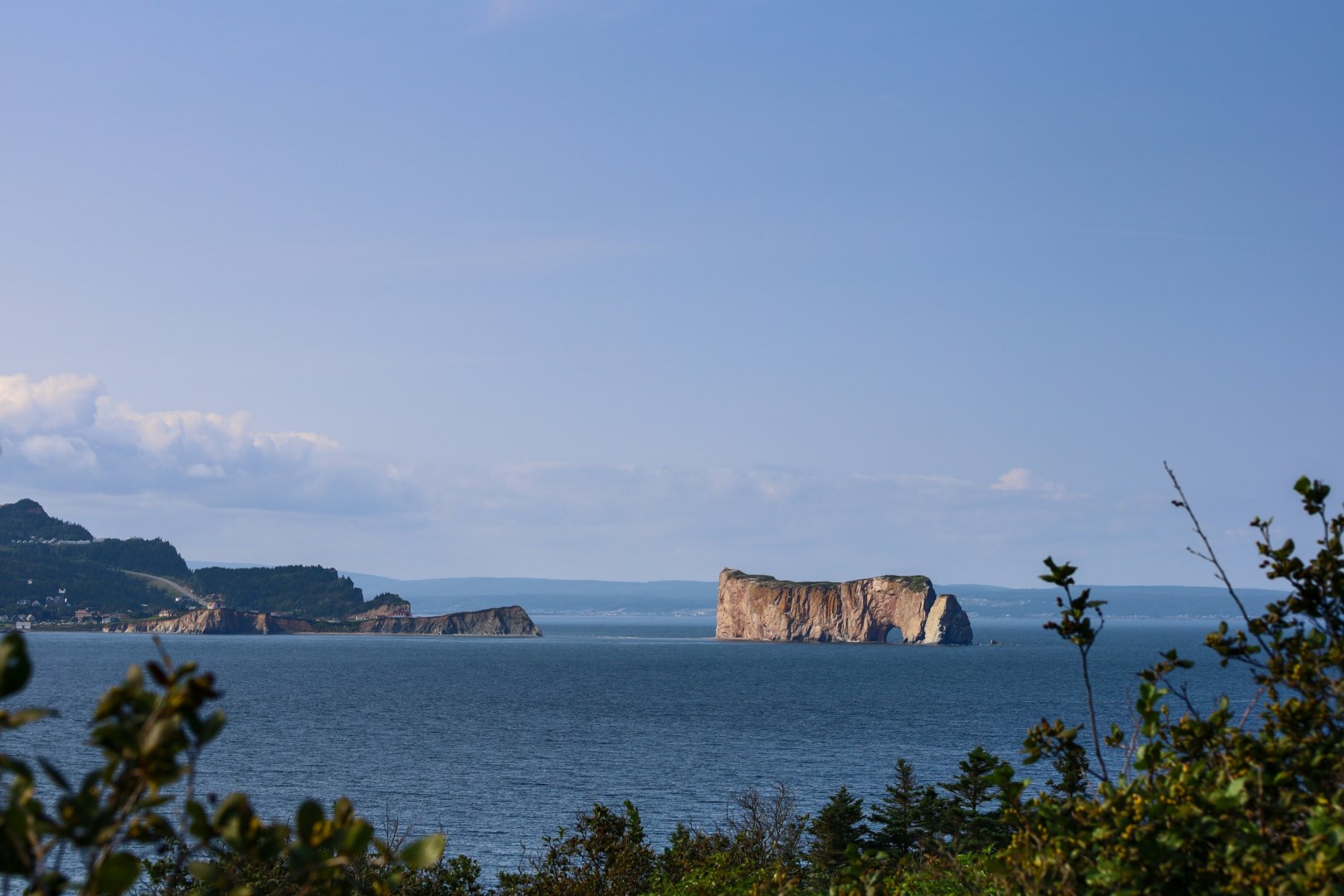
Bonaventure Island is a small island off the coast of Percé in Quebec's Gaspésie region, within the Parc national de l'Île-Bonaventure-et-du-Rocher-Percé. Surrounded by the Gulf of St. Lawrence, the island combines coastal cliffs, forests, meadows, rocky shorelines, and open sea. Its best-known feature is its large colony of Northern Gannets, one of the world's largest and most accessible colonies of the species.
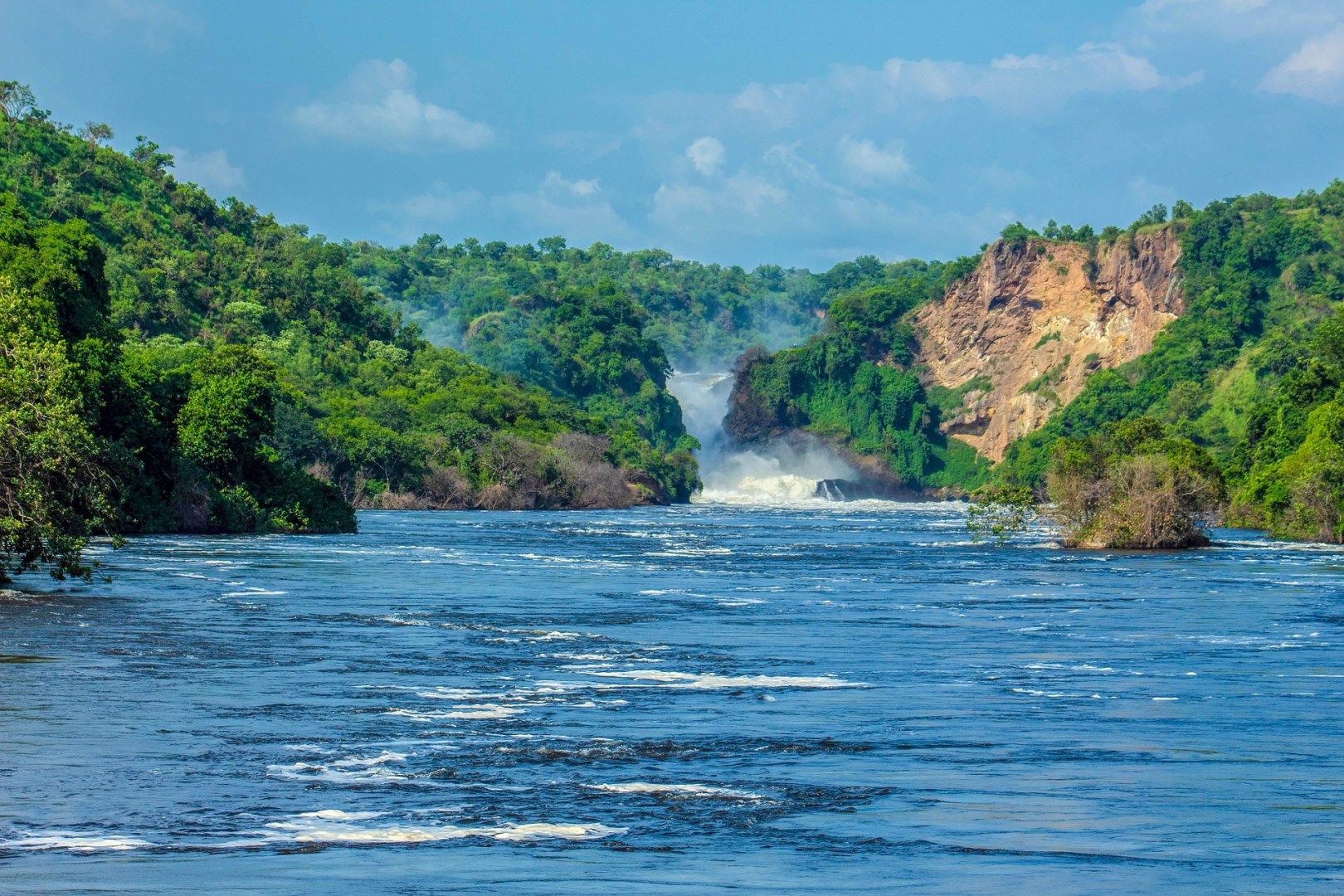
Murchison Falls is one of Uganda’s best-known natural landmarks, located within Murchison Falls National Park in the northwestern part of the country. The waterfall forms where the Victoria Nile is forced through a narrow gorge before dropping over the rocks and continuing toward Lake Albert.
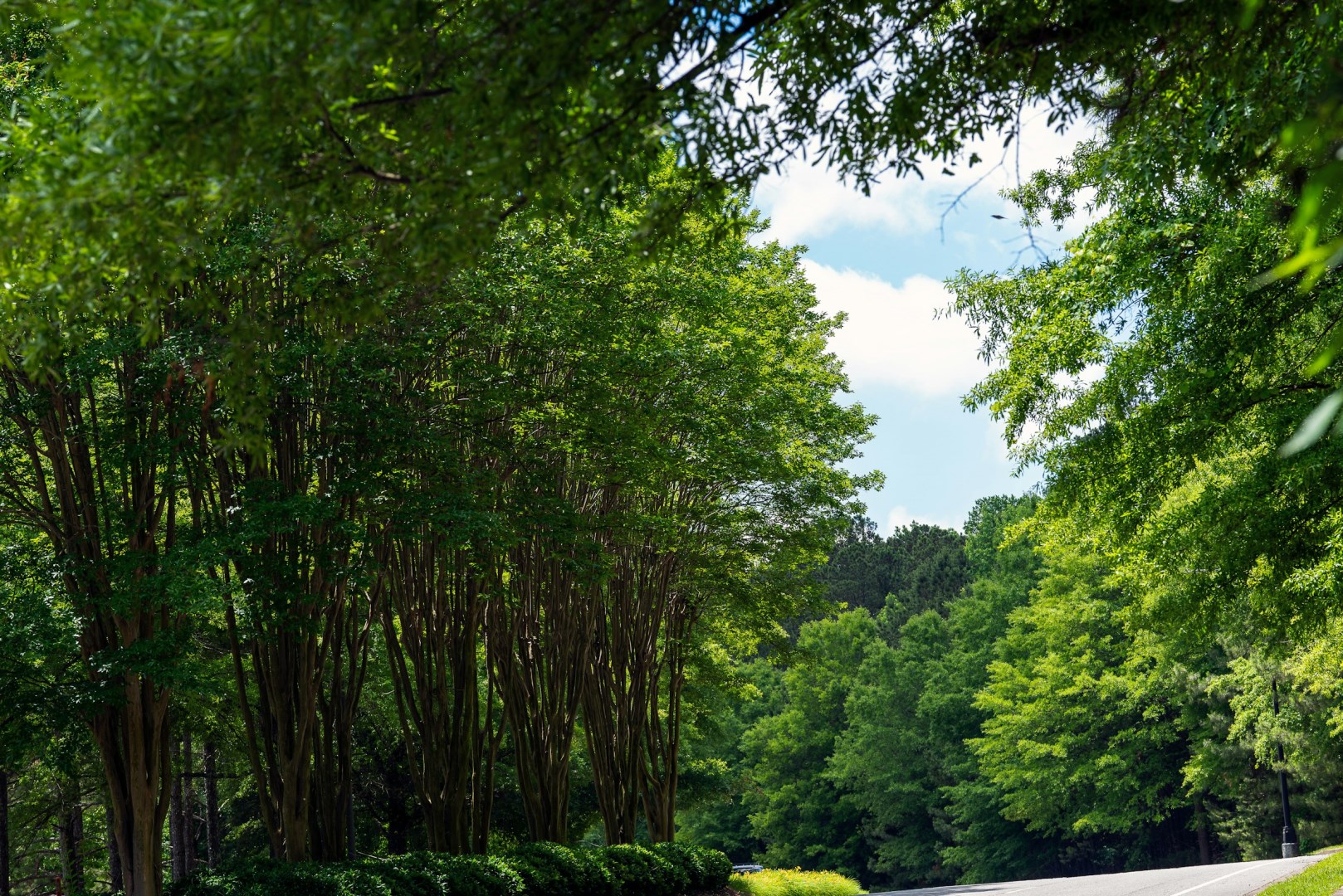
Although Alpharetta is not a particularly big city now, experts predict that in about 25 years, Alpharetta will be the geographical center of metro Atlanta, as the area continues to expand North. After driving past many empty fields, or wooded areas, you might find it hard to believe that Alpharetta will really become such a major city. What you probably don't know is that much of Alpharetta's empty land is owned by some of the biggest names in the nation.
Other Popular Destinations in Georgia
Savannah
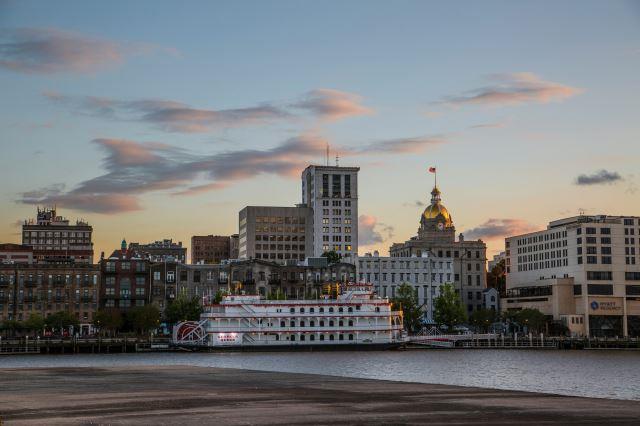
Savannah, Georgia, is a city that moves at its own pace, shaded by moss-draped oaks and shaped by centuries of stories. Founded in 1733, it was Georgia’s first city and still wears its history proudly. Visitors walking through the Historic District will find cobblestone streets, hidden gardens, and 22 public squares, each with its own character.
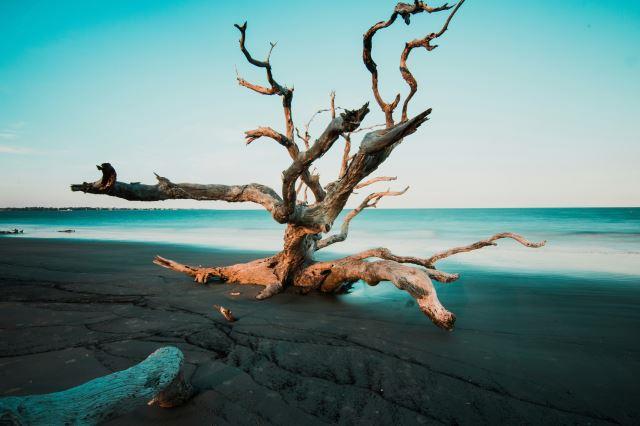
Jekyll Island
Jekyll Island, one of Georgia’s Golden Isles, is a barrier island with a story that stretches from ancient Indigenous cultures to Gilded Age millionaires. Today, it’s a state park carefully preserved for public enjoyment, offering a quiet blend of coastal landscapes, historic landmarks, and outdoor activities. With only a limited number of commercial developments allowed, the island maintains a peaceful, uncrowded atmosphere that’s hard to find on most Southeastern beaches.