



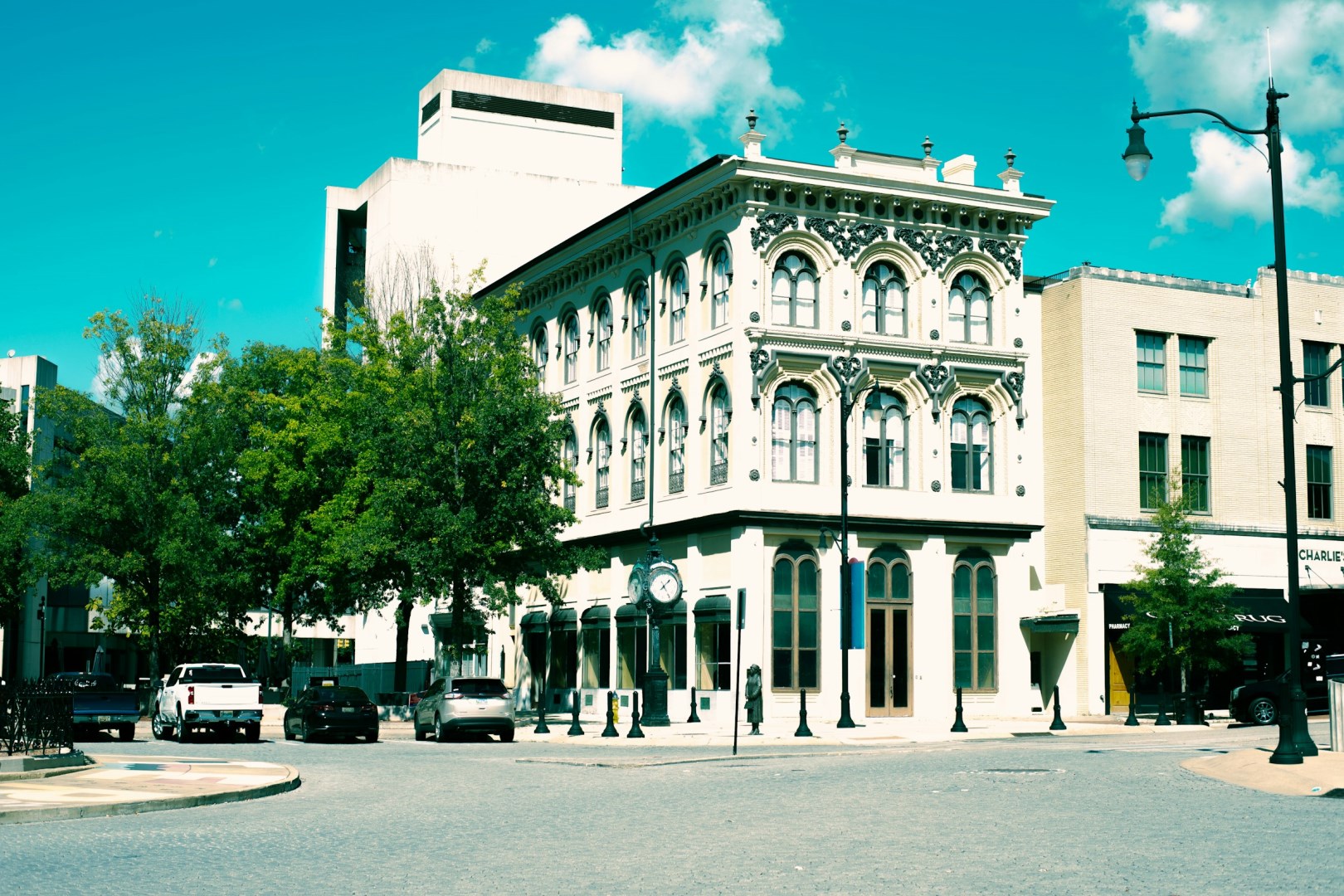

Montgomery, capital of Alabama and seat of Montgomery County, a port on the Alabama River, in the central part of the state. Montgomery is the site of Alabama State University (1874), Auburn University at Montgomery (1967), Huntingdon College (1854), Troy State University at Montgomery (1966), Faulken University (1942), and a junior college. Points of interest include the Greek Revival style State Capitol (1851), which served as the capitol of the Confederacy during the first few months of the American Civil War (1861-1865); the first White House of the Confederacy (built 1825?; now a museum), where Confederate President Jefferson Davis lived for a time; the Montgomery Museum of Fine Arts,
featuring displays of American art; the W. A. Gayle Planetarium; the Ordeman-Shaw House, maintained in the style of the 1850s; and the Civil Rights Memorial (1989), honoring 40 people who gave their lives between 1954 and 1968 in the fight for racial equality. Cramton Bowl (site of a postseason college all-star football game), Garrett Coliseum, and the
Junius Bragg Smith Theatre are major sports and entertainment facilities.
featuring displays of American art; the W. A. Gayle Planetarium; the Ordeman-Shaw House, maintained in the style of the 1850s; and the Civil Rights Memorial (1989), honoring 40 people who gave their lives between 1954 and 1968 in the fight for racial equality. Cramton Bowl (site of a postseason college all-star football game), Garrett Coliseum, and the
Junius Bragg Smith Theatre are major sports and entertainment facilities.
Other Popular Destinations in Alabama
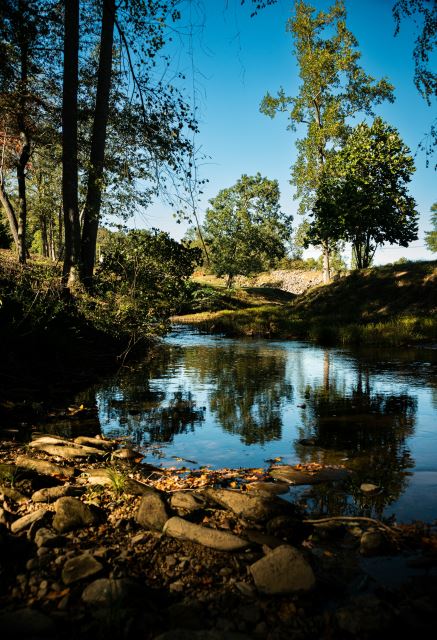
Hamilton, Alabama, nestled in the picturesque region of northwest Alabama, offers a unique blend of Southern charm and natural beauty. As the county seat of Marion County, Hamilton is renowned for its vibrant community and rich history. A visit to the Marion County Museum, located in the historic courthouse, provides a fascinating glimpse into the area’s past, showcasing exhibits ranging from Civil War artifacts to local memorabilia.

Birmingham, Alabama is a city that offers travelers a chance to experience Southern culture that’s both deeply rooted and constantly evolving. Known as the cradle of the Civil Rights Movement, the city features landmarks like the Birmingham Civil Rights Institute and the 16th Street Baptist Church, where pivotal moments in American history unfolded. The adjacent Kelly Ingram Park uses life-size sculptures to tell powerful stories of protest and resilience, making a walk through the area both mov
