


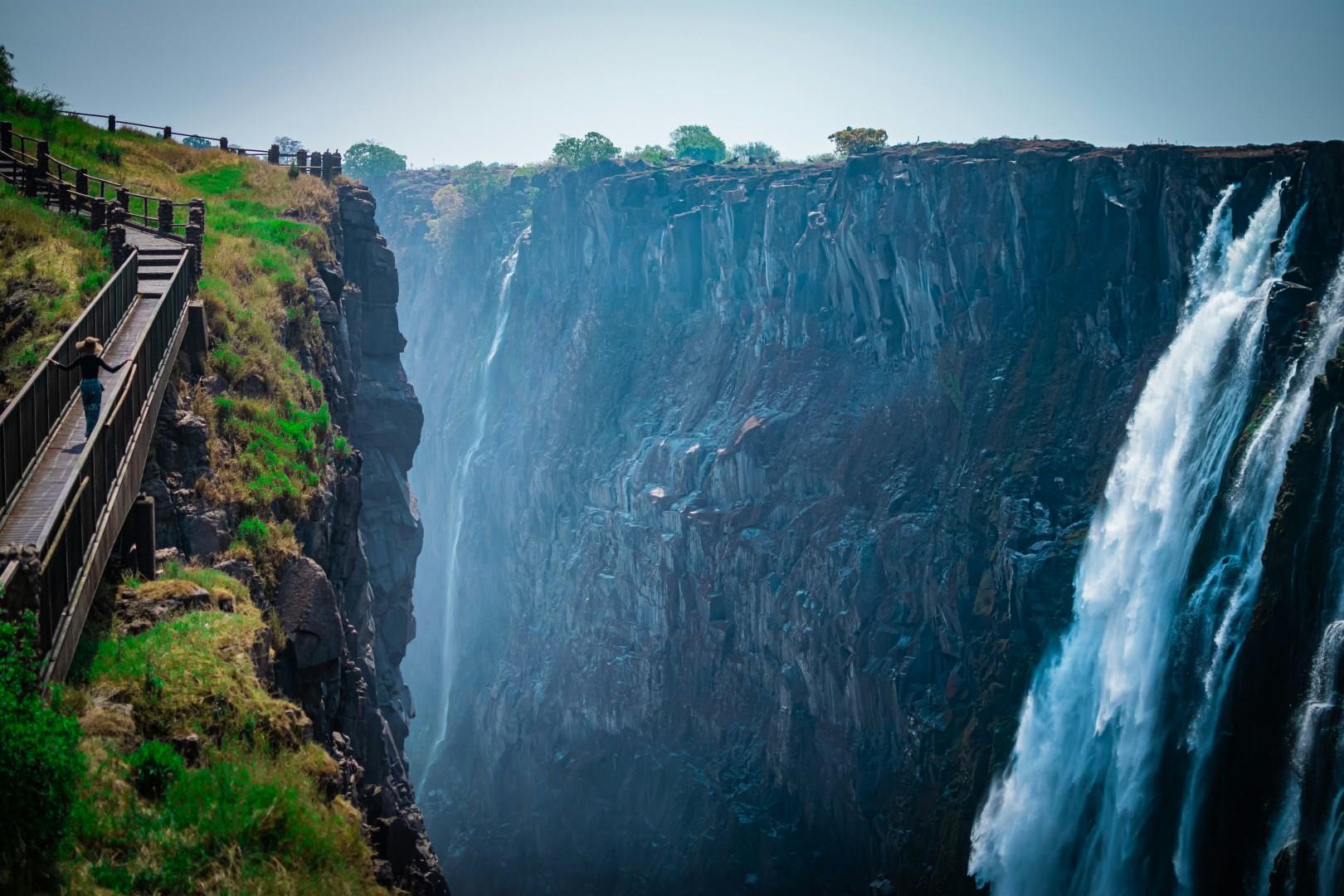
In the heart of Zambia lies Livingstone, a city that serves as the gateway to one of the most spectacular natural wonders in the world: Victoria Falls. This UNESCO World Heritage Site, often referred to as "The Smoke That Thunders," is renowned for its breathtakingly powerful waterfalls on the Zambezi River. The falls, which span over 1,700 meters wide and plunge 108 meters deep, offer a mesmerizing display of nature's might. The Mosi-oa-Tunya National Park, where the falls are located, provides excellent vantage points for viewing and photography.
Livingstone itself is rich with history and culture. Named after the famous explorer Dr. David Livingstone, the city celebrates its legacy with the Livingstone Museum, which showcases artifacts related to the explorer's life and the region's colonial past (Livingstone Museum). The city's colonial architecture, including the old railway station and the Christ Church, reflects a bygone era that adds to its charm.
For the adventurous, Livingstone offers a plethora of activities. Experience adrenaline-pumping bungee jumps from the Victoria Falls Bridge, or embark on thrilling white-water rafting trips on the Zambezi River. The area also offers serene options such as river cruises and guided wildlife safaris in the nearby game parks.
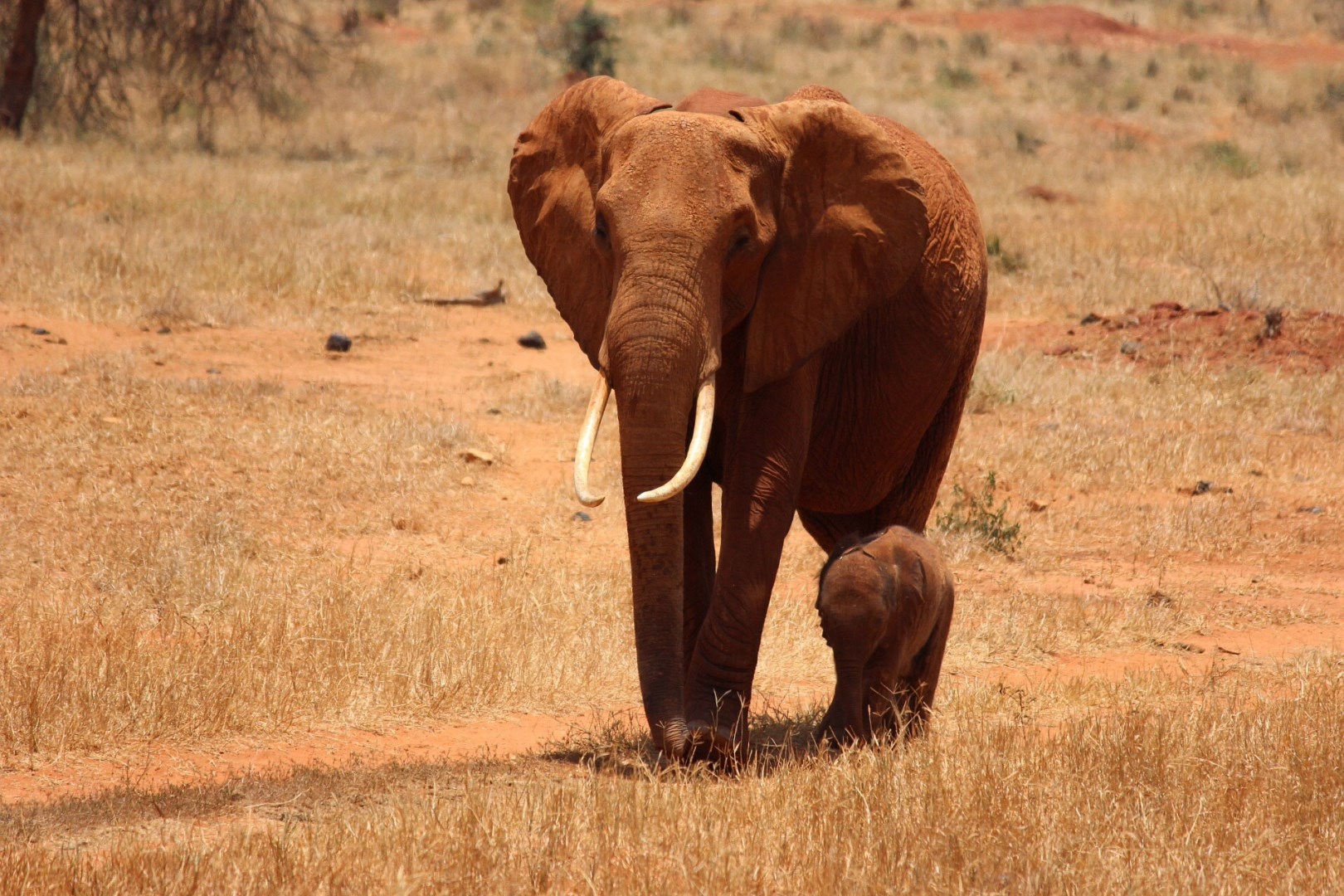
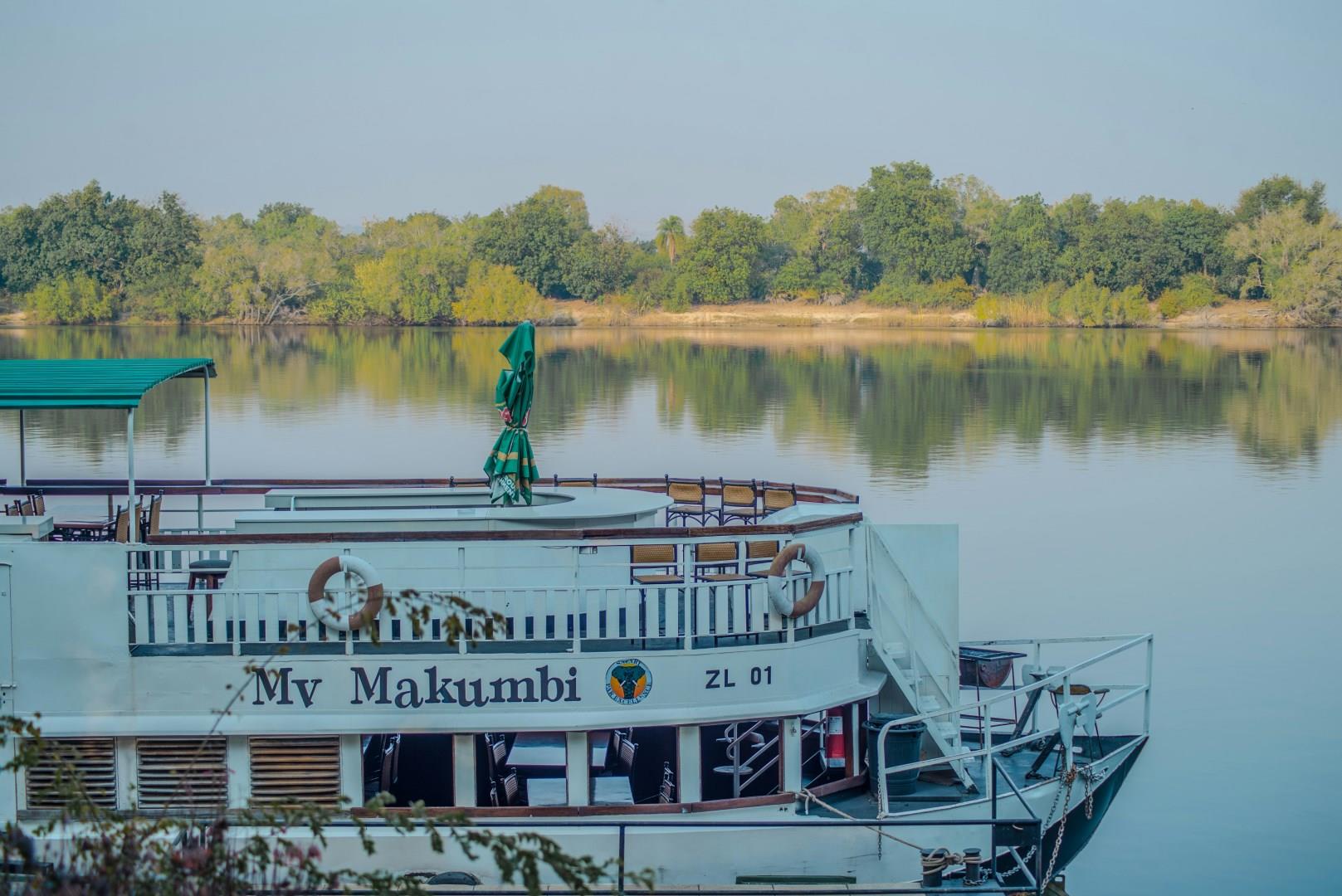
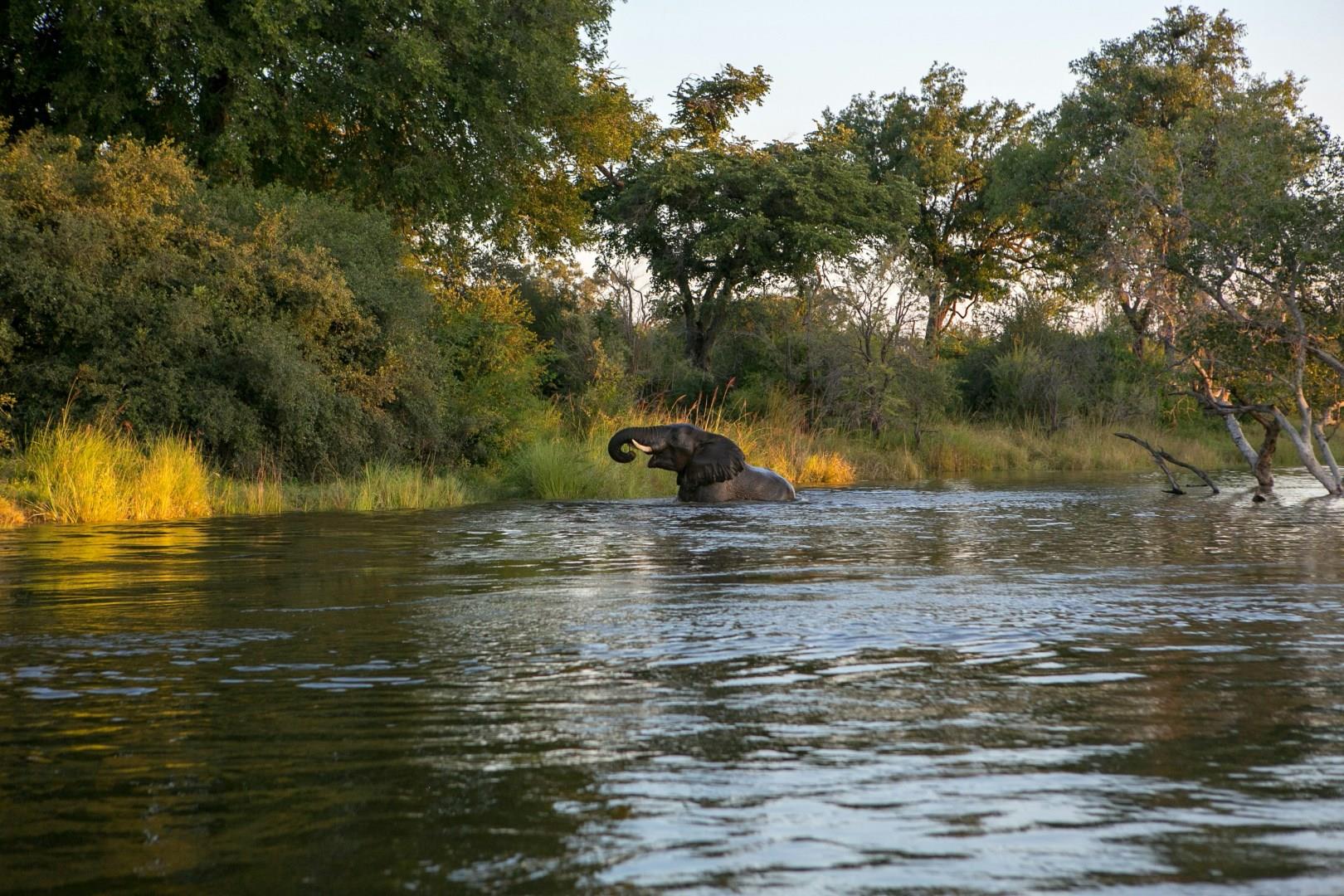
Fun Fact: Livingstone is not only a gateway to Victoria Falls but also a hub for Zambezi River cruises, where you might spot elephants and hippos from the comfort of your boat.
Livingstone itself is rich with history and culture. Named after the famous explorer Dr. David Livingstone, the city celebrates its legacy with the Livingstone Museum, which showcases artifacts related to the explorer's life and the region's colonial past (Livingstone Museum). The city's colonial architecture, including the old railway station and the Christ Church, reflects a bygone era that adds to its charm.
For the adventurous, Livingstone offers a plethora of activities. Experience adrenaline-pumping bungee jumps from the Victoria Falls Bridge, or embark on thrilling white-water rafting trips on the Zambezi River. The area also offers serene options such as river cruises and guided wildlife safaris in the nearby game parks.
Fun Fact: Livingstone is not only a gateway to Victoria Falls but also a hub for Zambezi River cruises, where you might spot elephants and hippos from the comfort of your boat.
Other Popular Destinations in Zambia
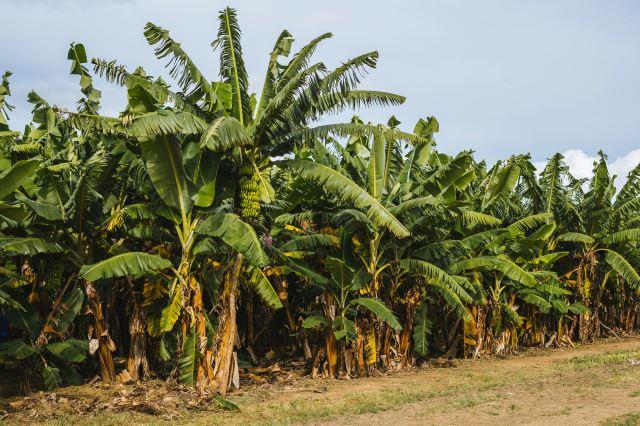
Lusaka, the capital of Zambia, is a city that blends modern energy with authentic African culture. As the country’s largest urban center, it serves as the gateway for travelers exploring Zambia’s natural wonders while also offering its own dynamic experiences.
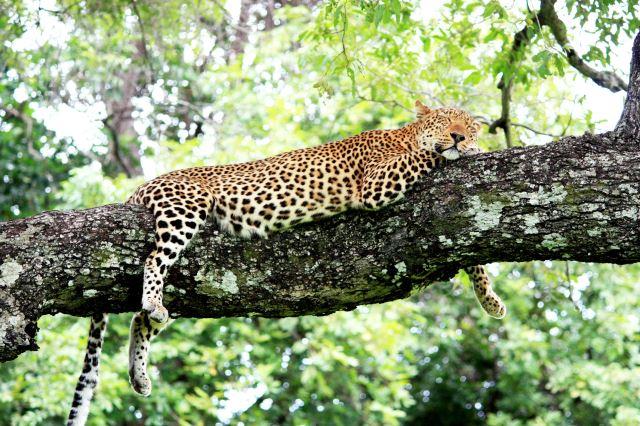
South Luangwa National Park in eastern Zambia is one of Africa’s most treasured wildlife areas, lying along the lush bends of the Luangwa River. Designated as a protected area in the 1970s, it stands out for its consistently high wildlife densities and landscapes that shift with the seasons. Dry grasslands, shaded woodlands, and green floodplains all unfold beneath wide skies, shaping the canvas for memorable animal sightings.
