
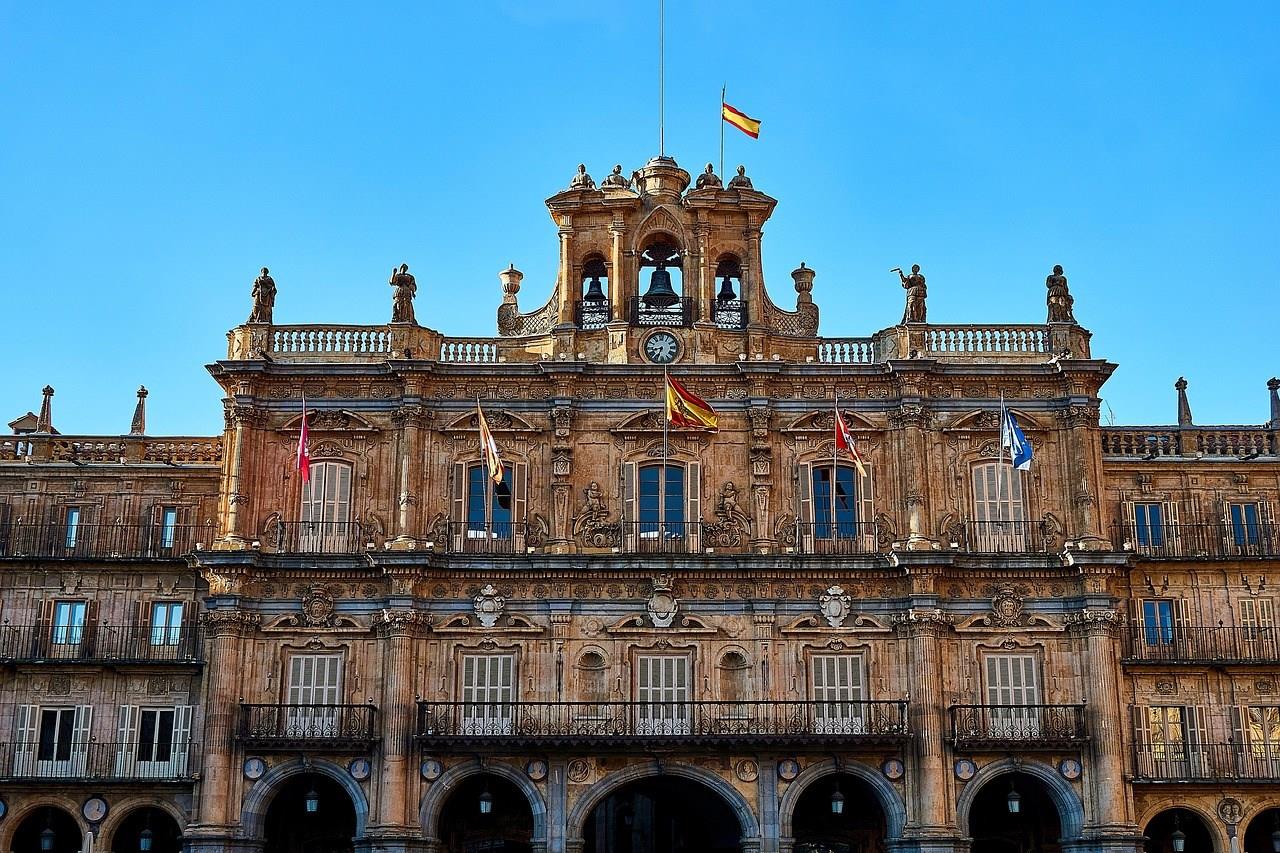



Salamanca, often called the “Golden City” for the warm glow of its sandstone buildings, is a place where centuries of stories are etched into every wall. Visit its historic center to wander through cobbled streets lined with architectural marvels. The University of Salamanca, founded in 1218, is one of the oldest in Europe and still buzzes with student life.
Seoul, the capital of South Korea, is a city where history and modernity coexist. Ancient palaces like Gyeongbokgung and Changdeokgung stand amid skyscrapers and contemporary architecture, offering a glimpse into the country’s rich heritage. The city’s neighborhoods, from Insadong’s traditional streets to Gangnam’s sleek districts, showcase its cultural and economic diversity.
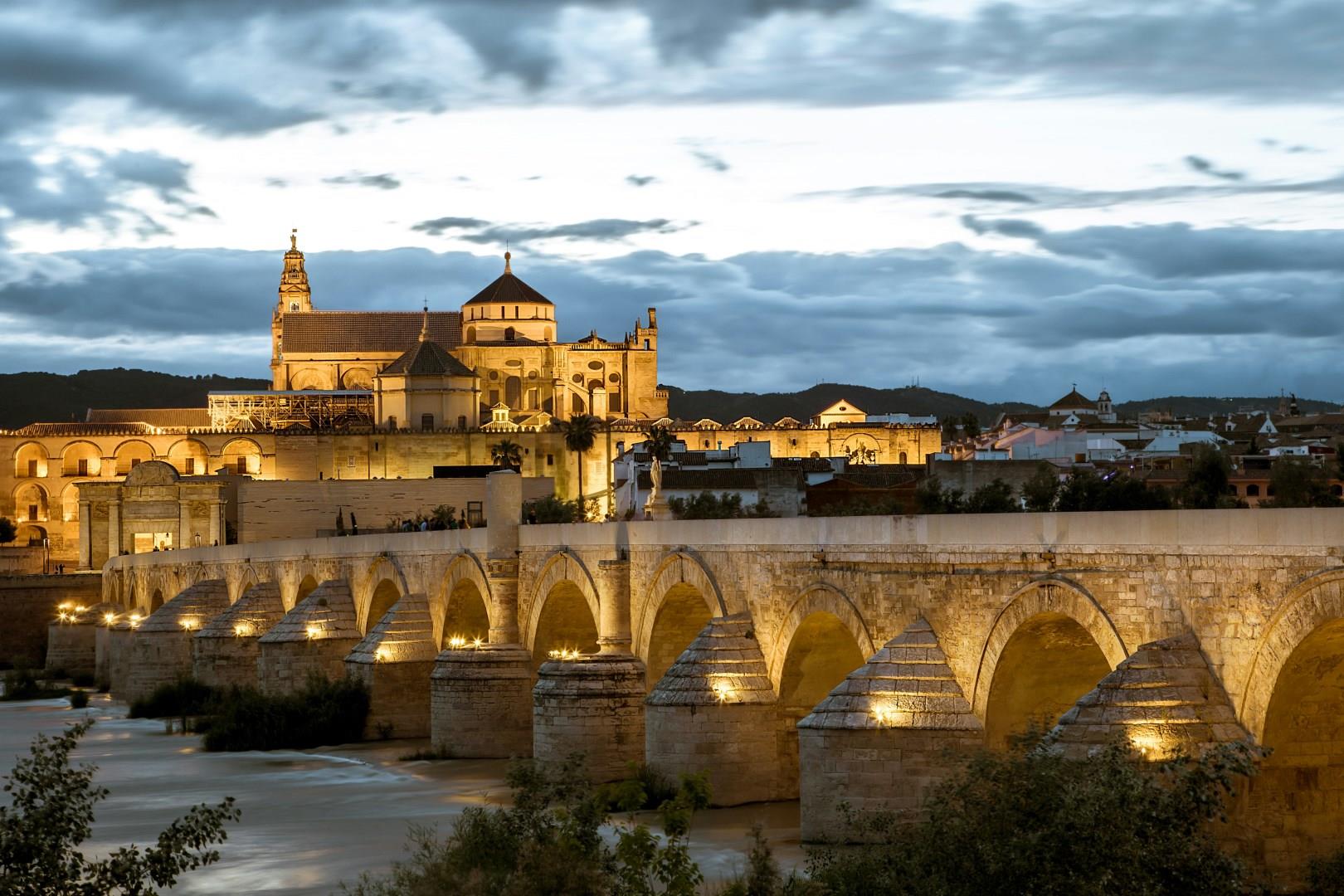
Córdoba, located in the heart of Andalusia, was once the most advanced city in Western Europe. During the 10th century, it served as the capital of Al-Andalus and was a center for learning, science, and art. Today, visitors walk the same streets that philosophers, poets, and physicians once crossed. The city’s most famous landmark, the Mezquita-Catedral, reflects its layered past. The red and white horseshoe arches inside are one of the most photographed interiors in Spain.
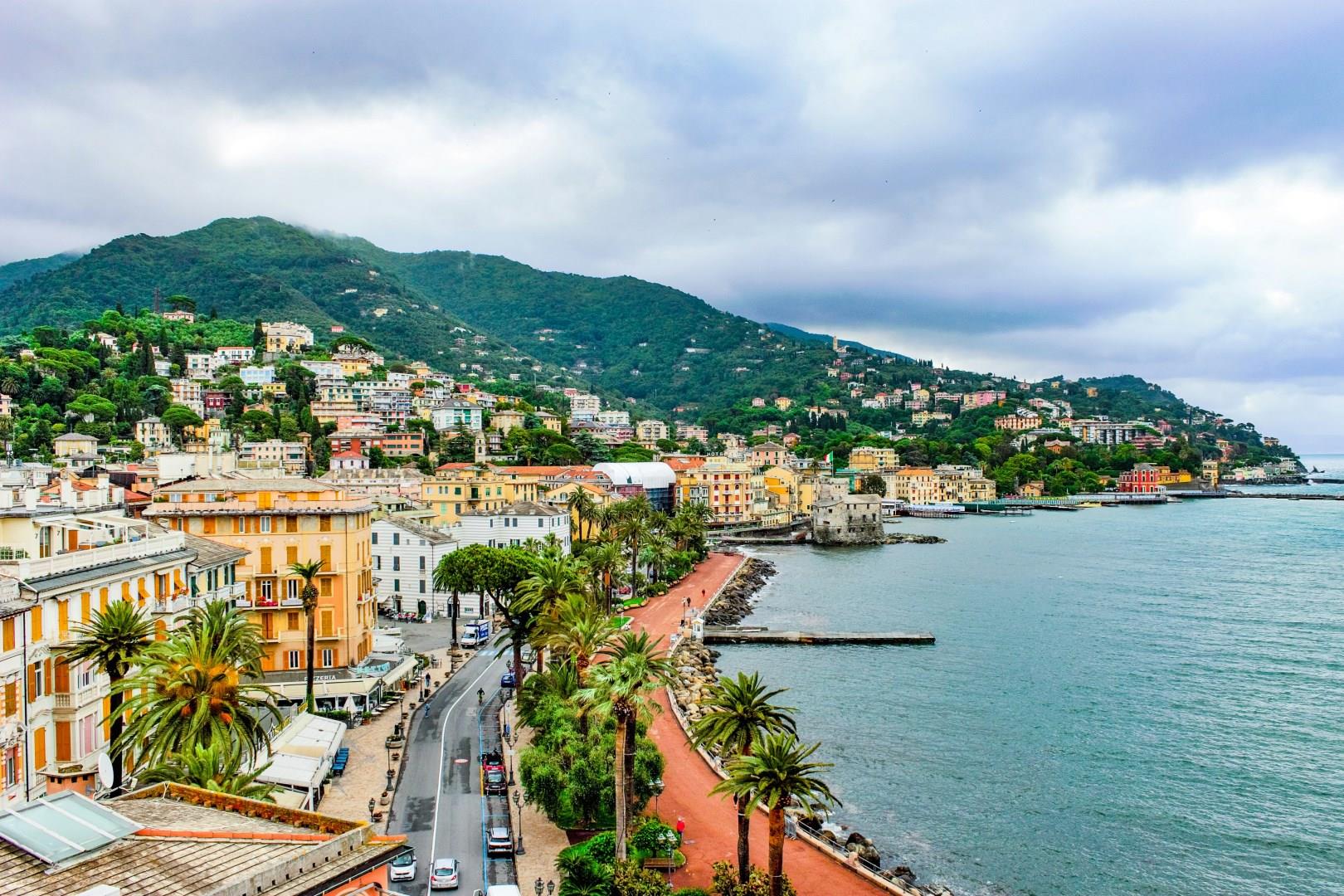
Naples, Florida, embodies the essence of coastal charm and luxury on the Gulf of Mexico. Renowned for its stunning beaches and pristine waters, Naples offers visitors a quintessential Florida experience. The city’s Naples Pier is a local landmark and a must-visit spot for panoramic views, fishing, and beautiful sunsets. Whether you’re strolling along the pier or relaxing on the sandy shores, the scenic beauty of Naples is sure to captivate.
Paraguay is a country that moves to its own rhythm. Landlocked and often overlooked, it’s one of South America’s most culturally distinct destinations. With two official languages, Spanish and Guaraní, and a strong Indigenous heritage, Paraguay offers a travel experience shaped more by tradition than by trend. For travelers drawn to wild, open landscapes, Paraguay offers two distinct ecosystems: the lush, river-fed east and the remote, dry Chaco in the west.
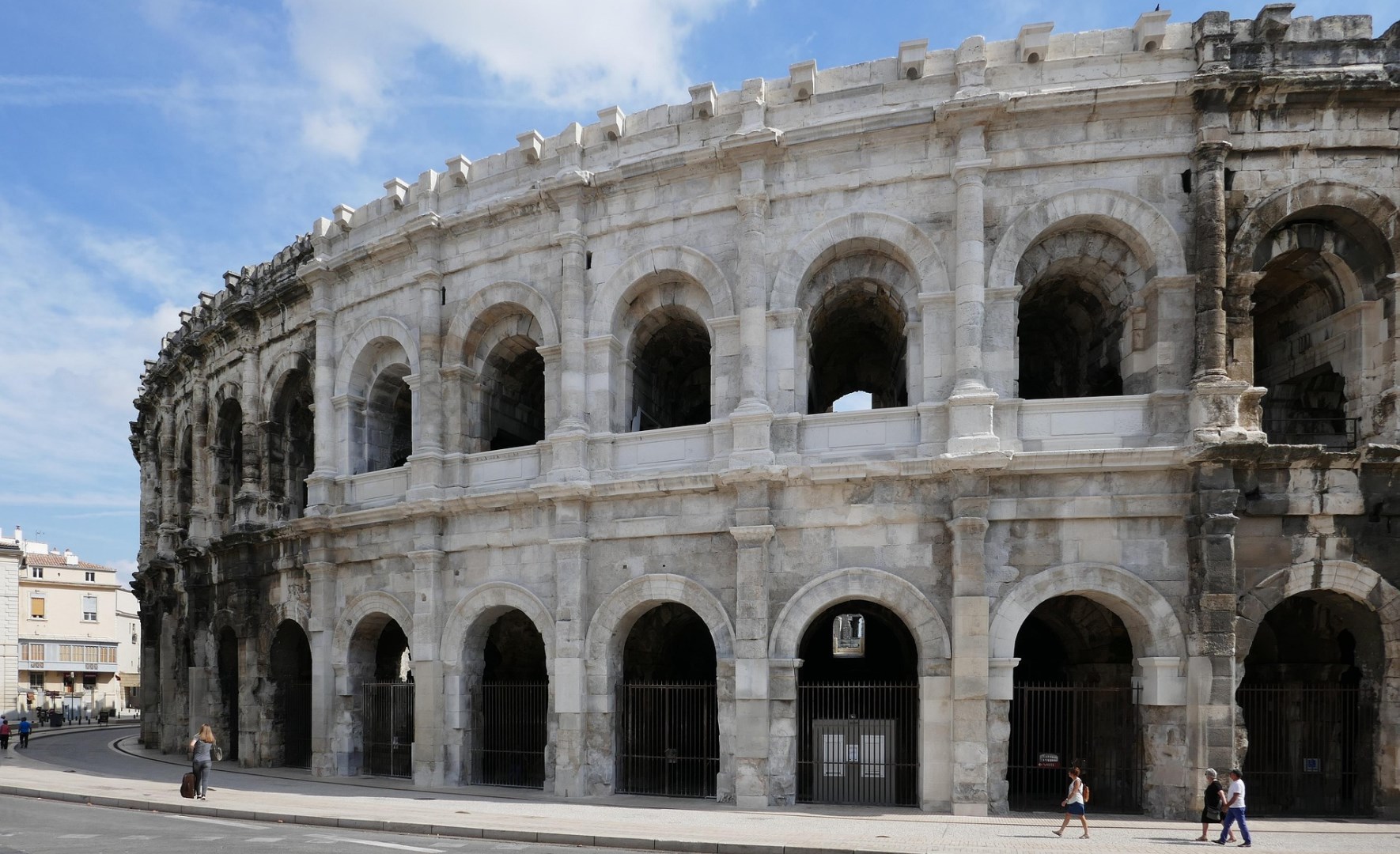
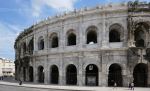
Located among the calcareous plateaus covered with Mideterranean scrub and alluvial deposites from the coastal plains, Nîmes appears as a city with various faces. First and foremost, the city is known as the 'French Roma', because of its famous history and its well conserved antique monuments. Nîmes is also, for many 'aficionados', the 'French Madrid' when the spanish music spreads into the streets and the arena, during and long after the 'corridas' or bullfights when comes the time of the Feria. It is also the most righteous of the mediterranean cities , never forgetting its protestant heritage, even under the wild rythm of 'flamencos'.
This set of faces in the countryside of Provence and Languedoc gathers the main lines of a higly coloured land : the french 'petanque' game, 'le pastis', terraces under shaded boulevards, animated arguments concerning bull races or the peaceful quietness of the Fountain Gardens. A whole set of traditional elements admirably displayed in an exceptional background of antique and middle aged architecture.
Other Popular Destinations in France
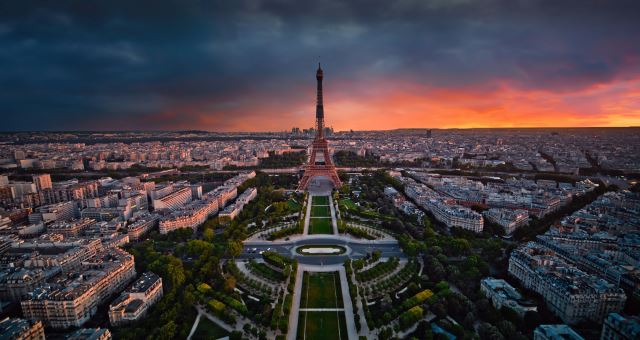
Paris
France's capital and most populated city, Paris is an alluring destination and an essential stop for any global traveler. A center of fashion, gastronomy, and the arts. Major tourist attractions in the City of Lights include the Eiffel Tower (such great heights!), the Louvre (home of the Mona Lisa and Venus de Milo), the Arc de Triomphe, and Grand Palais.
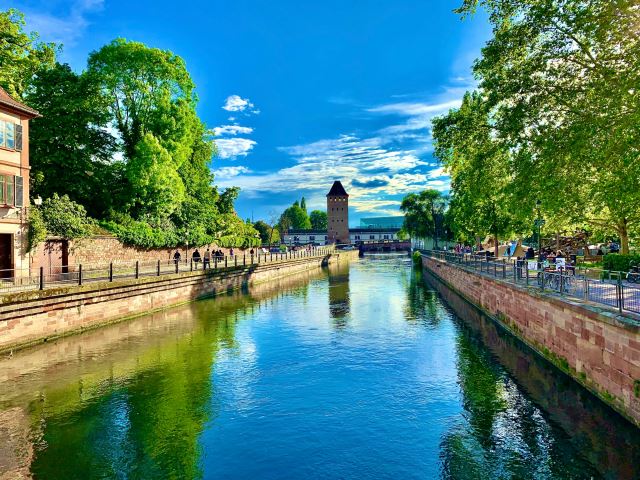
Strasbourg
This vibrant and picturesque city sits near the German border and is the 2nd most popular tourist city in France. Its historic city center is classified a World Heritage Site by UNESCO, and the Stasbourg Cathedral is one of the finest examples of Rayonnant Gothic architecture.