






At the very heart of Denmark lies Odense, birthplace of Hans Christian Andersen and Denmark's third-largest city - the fairy-tale capital of Funen, home to 200,000 people and with a history stretching back over 1000 years.
Odense is a top cultural city, with a wide range of exciting museums and attractions: The Hans Christian Andersen Museum, with rare, unique editions of the author's fairy-tales, private letters, notes and personal effects, and "Brandts Klædefabrik", with a Museum of Printing/Press Museum: Denmark's only Museum of Photographic Art and an art gallery, Kunsthallen.
Odense is a vibrant modern city, with a host of events - especially in the summer, including music, theatre and street entertainment for young and old everywhere - normally free of charge. Every Saturday, from mid-June to mid-August, the river cruise boat glides down to Fruens Bøge, where well-known jazz ensembles play.
Explore Odense's exciting city centre, with pedestrian streets, wonderful shops, small cafés and restaurants, where you can enjoy life with the locals - or visit the large shopping centres, with all the heart can desire under one roof.
Odense is a top cultural city, with a wide range of exciting museums and attractions: The Hans Christian Andersen Museum, with rare, unique editions of the author's fairy-tales, private letters, notes and personal effects, and "Brandts Klædefabrik", with a Museum of Printing/Press Museum: Denmark's only Museum of Photographic Art and an art gallery, Kunsthallen.
Odense is a vibrant modern city, with a host of events - especially in the summer, including music, theatre and street entertainment for young and old everywhere - normally free of charge. Every Saturday, from mid-June to mid-August, the river cruise boat glides down to Fruens Bøge, where well-known jazz ensembles play.
Explore Odense's exciting city centre, with pedestrian streets, wonderful shops, small cafés and restaurants, where you can enjoy life with the locals - or visit the large shopping centres, with all the heart can desire under one roof.
Other Popular Destinations in Denmark

Charming Copenhagen is the jewel of Denmark and a delightful stop for any traveler. Well-known as an eco-friendly haven for sustainable and green living, Copenhagen has embraced its status as the best “bike city” on earth and promoted the use of bicycles by locals and tourists.
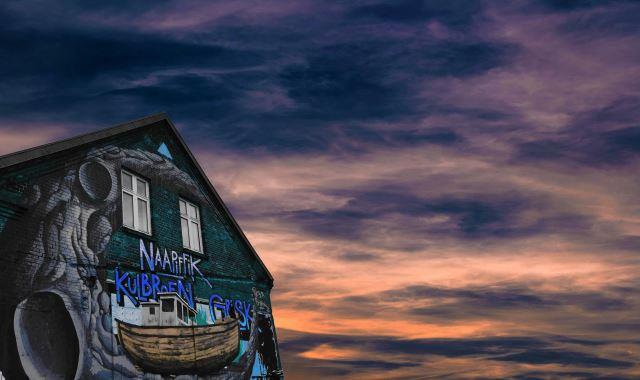
Aarhus, Denmark's second-largest city, offers a captivating blend of historical charm and modern vibrancy. Founded in the 8th century, Aarhus boasts a rich history that visitors can explore at the Old Town Museum, an open-air museum that recreates Danish life through the ages with its historical buildings and interactive exhibits. The city's medieval roots are also visible in the well-preserved Aarhus Cathedral.
