




Karlstad
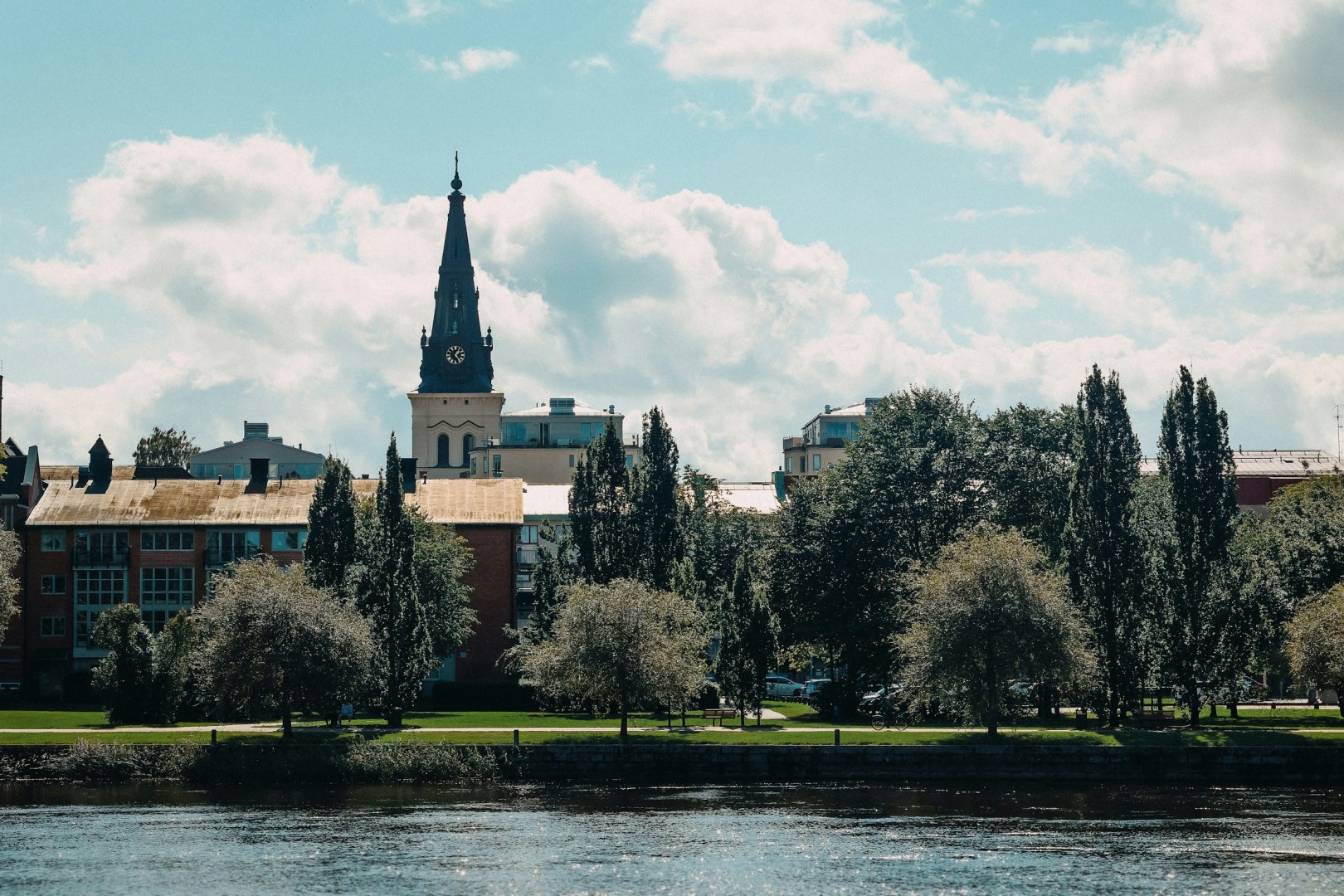

Karlstad, Sweden, is a city that elegantly combines natural beauty with cultural charm. Situated on the banks of Lake Vänern, Sweden’s largest lake, Karlstad is renowned for its picturesque waterfront and abundant sunshine. The city’s Värmlands Museum provides an enriching experience with its exhibits on local history, art, and the region's unique cultural heritage.
The city’s iconic Karlstad Cathedral stands as a testament to its architectural and spiritual heritage. This 18th-century structure features stunning Baroque design elements and offers visitors a serene space to reflect and admire the intricate details of its interior. The cathedral’s central location makes it a focal point of the city, often surrounded by vibrant markets and local events.
A fun fact about Karlstad is that it is often referred to as the "City of the Sun" due to its high number of sunny days throughout the year. This makes it an ideal destination for those looking to bask in Sweden's natural light and enjoy outdoor pursuits. Visit Karlstad between May and September for the best weather and to experience the city’s vibrant summer festivals and cultural events.
The city’s iconic Karlstad Cathedral stands as a testament to its architectural and spiritual heritage. This 18th-century structure features stunning Baroque design elements and offers visitors a serene space to reflect and admire the intricate details of its interior. The cathedral’s central location makes it a focal point of the city, often surrounded by vibrant markets and local events.
A fun fact about Karlstad is that it is often referred to as the "City of the Sun" due to its high number of sunny days throughout the year. This makes it an ideal destination for those looking to bask in Sweden's natural light and enjoy outdoor pursuits. Visit Karlstad between May and September for the best weather and to experience the city’s vibrant summer festivals and cultural events.
