
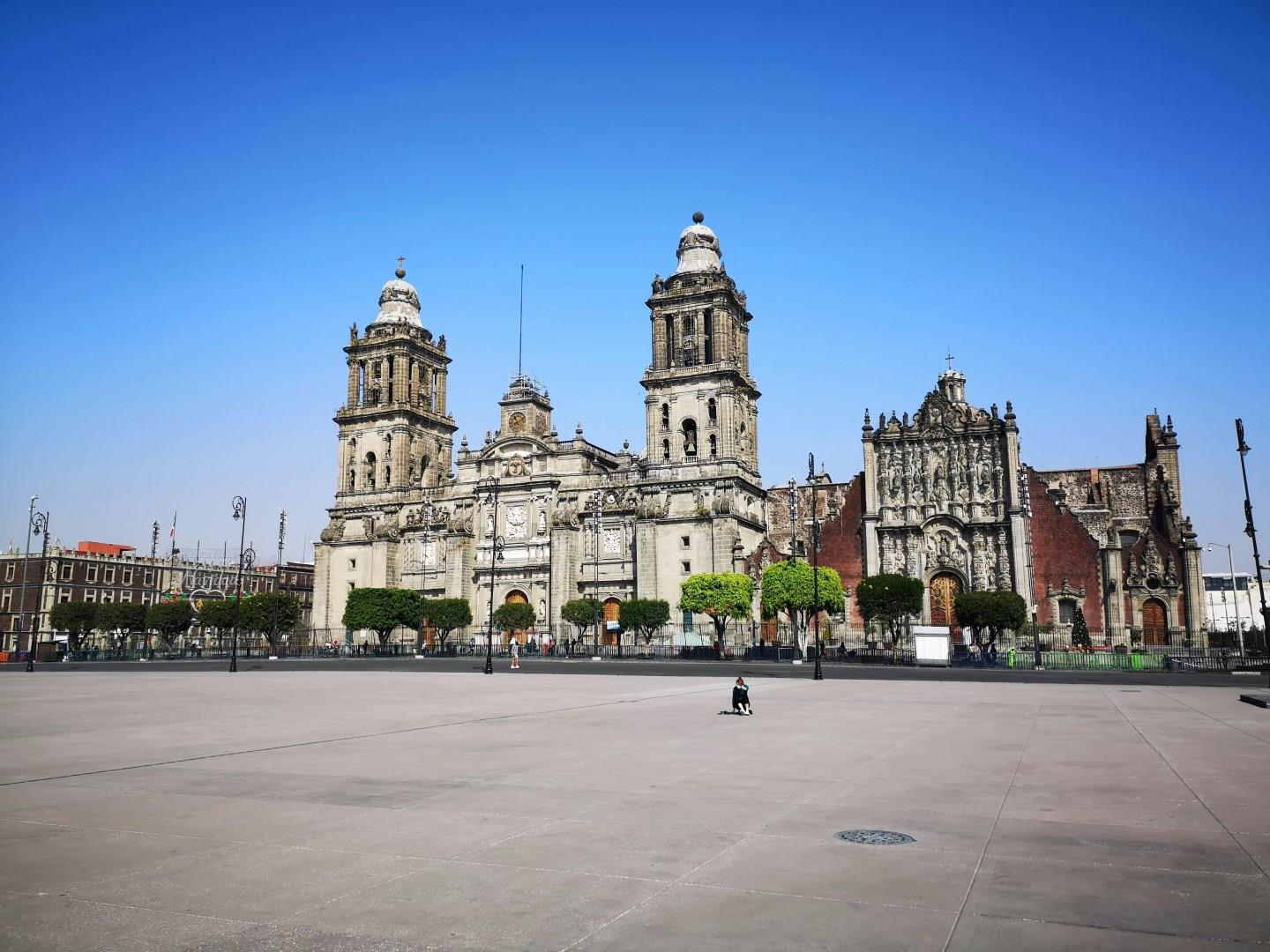

Mexico City sits on the high plateau of central Mexico, layered with more than seven centuries of history and culture. Built atop the ruins of the Aztec capital Tenochtitlán, the city reflects a continuous dialogue between Indigenous foundations, Spanish colonial influence, and modern urban life.
Dominica, known as the “Nature Island of the Caribbean,” is a haven for eco-tourists and adventure seekers. Nestled between the French islands of Guadeloupe and Martinique, this lush island boasts a remarkable landscape of volcanic mountains, dense rainforests, and stunning waterfalls. Dominica’s most iconic natural wonder is the Boiling Lake, the second-largest hot spring in the world.
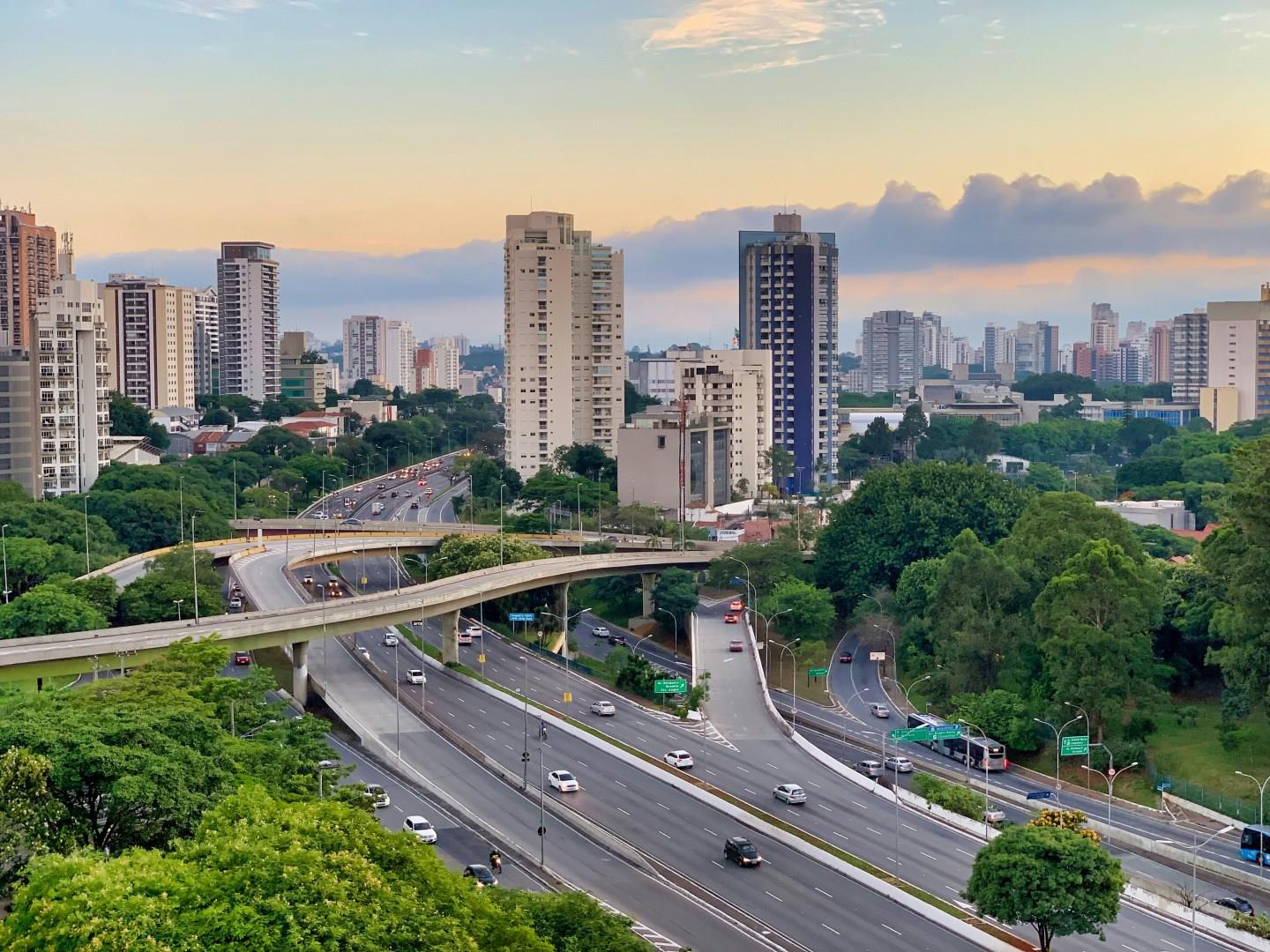
Sao Paulo is Brazil’s largest city and its economic engine, shaped by waves of migration that began in the late 19th century and never truly slowed. Italians, Japanese, Lebanese, and migrants from across Brazil all left visible marks on the city’s neighborhoods, food, and cultural life.
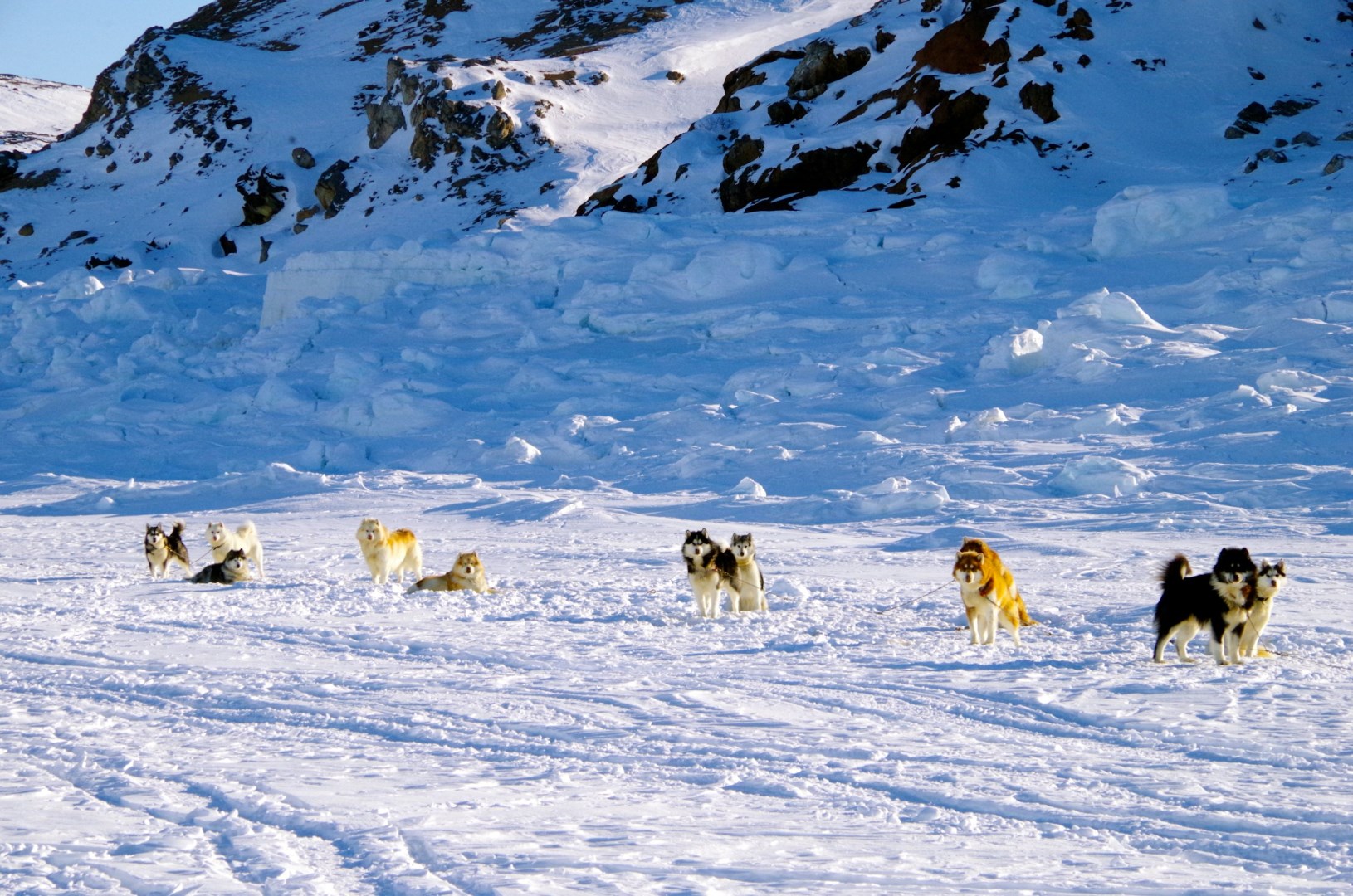
Kimmirut is a small Inuit community on the southern coast of Baffin Island in Nunavut, located beside the waters of Hudson Strait. Formerly known as Lake Harbour, the settlement sits among rocky hills, freshwater lakes, coastal inlets, and tundra. Its sheltered location gives it a close relationship with the surrounding sea, while the wider landscape contains exposed rock and low Arctic vegetation shaped by a cold, windy climate.
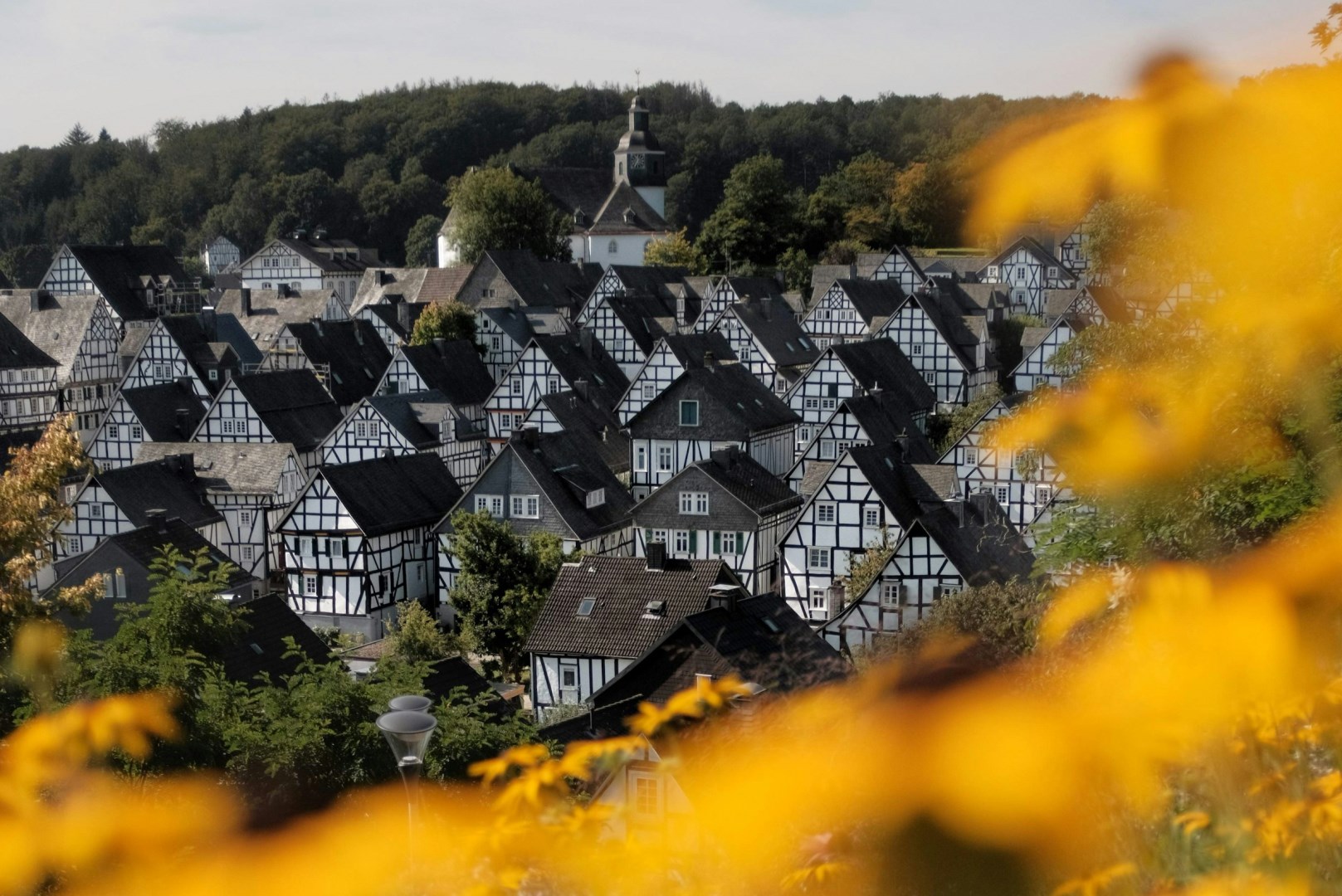
Freudenberg is a small medieval town in Germany. The "Alter Flecken" is Freudenberg's downtown area, built wholly of half-timbered houses that give the town a fairytale appearance. An open-air stage with roofed grandstand, the town museum housing a 1904 steam engine, and annual Oktoberfest celebrations are the town's most popular attractions.
Patagonia, Argentina, is a land of untamed beauty, where jagged peaks, expansive glaciers, and crystal-clear lakes come together to create one of the most awe-inspiring landscapes on Earth.
Photo Credit: Photo by Christer Lässman on Unsplash
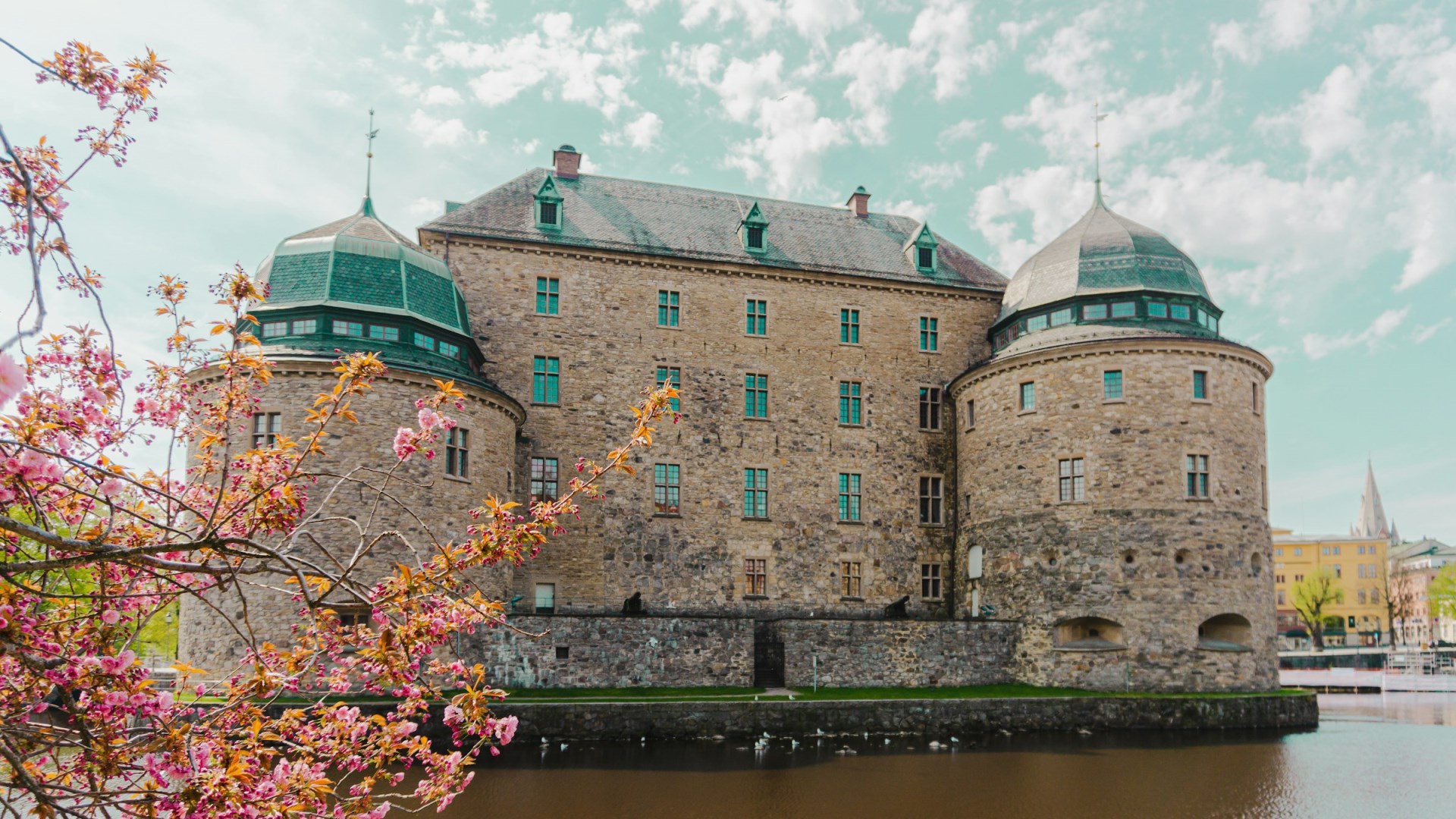
Örebro castle
Photo Credit: Photo by Philip Myrtorp on Unsplash
Photo Credit: Photo by Christer Lässman on Unsplash
Photo Credit: Photo by Oleh Holodyshyn on Unsplash
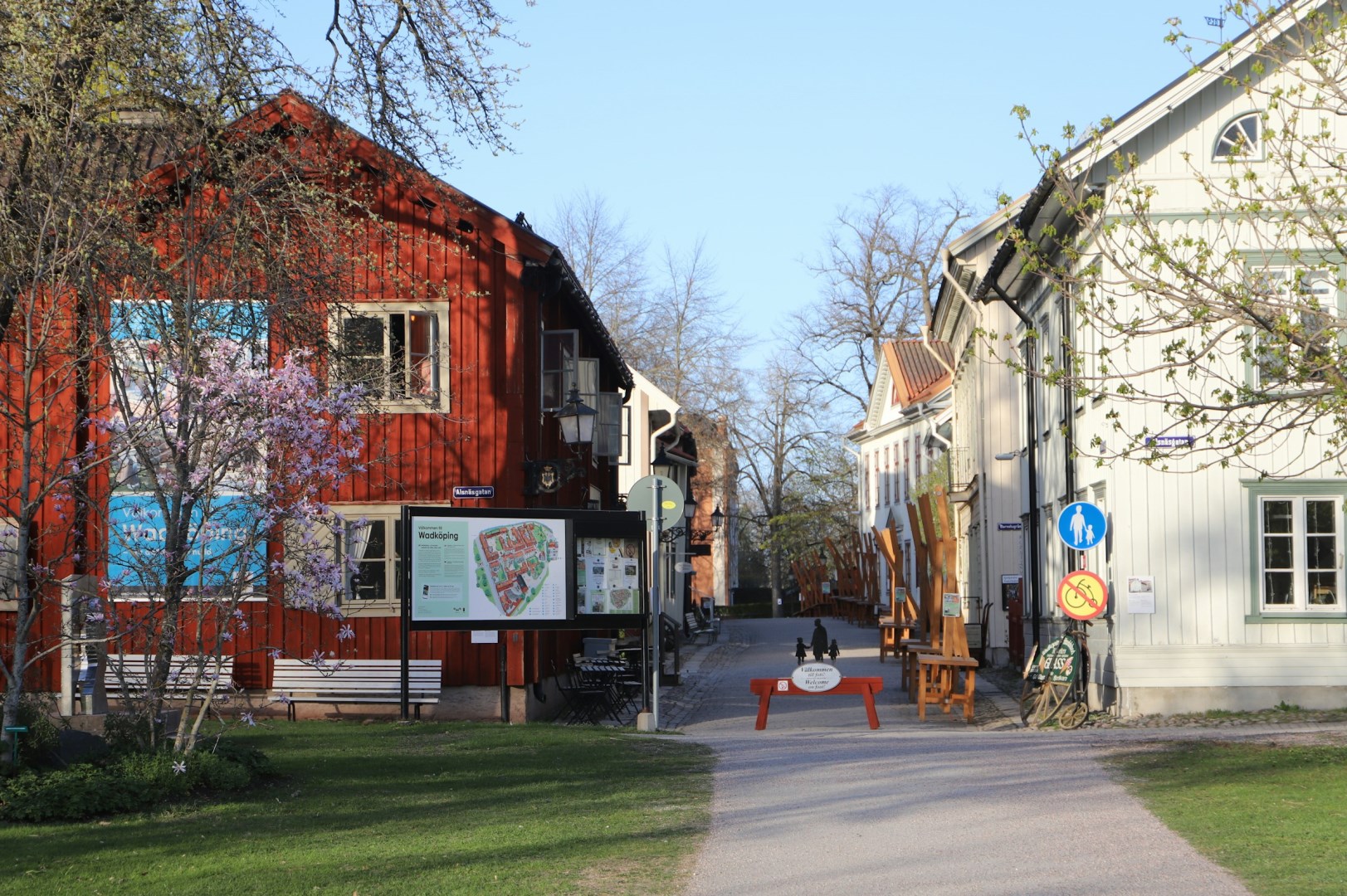
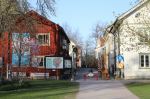
The old village of Wadköping
Photo Credit: Photo by Christer Lässman on Unsplash
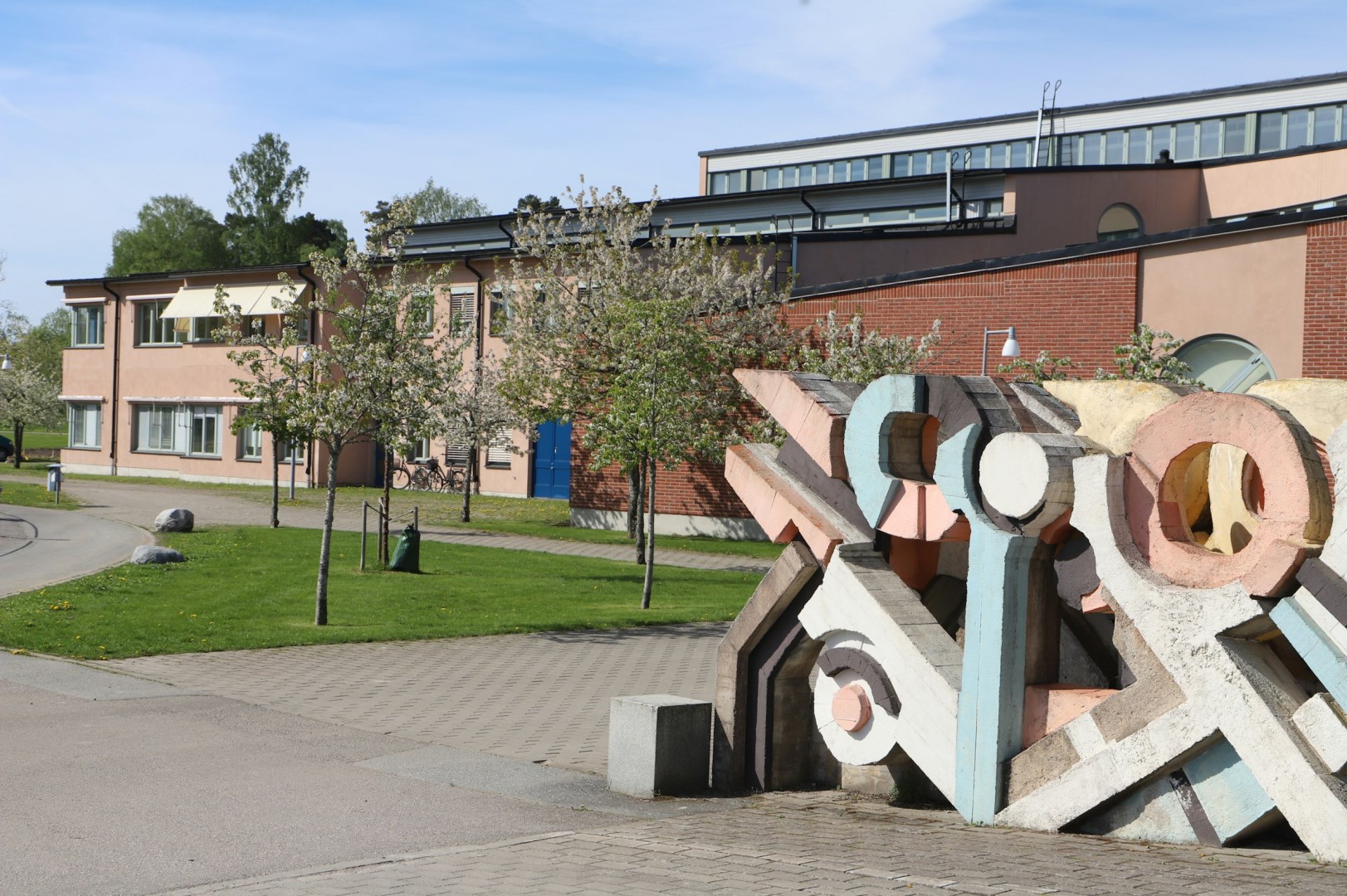
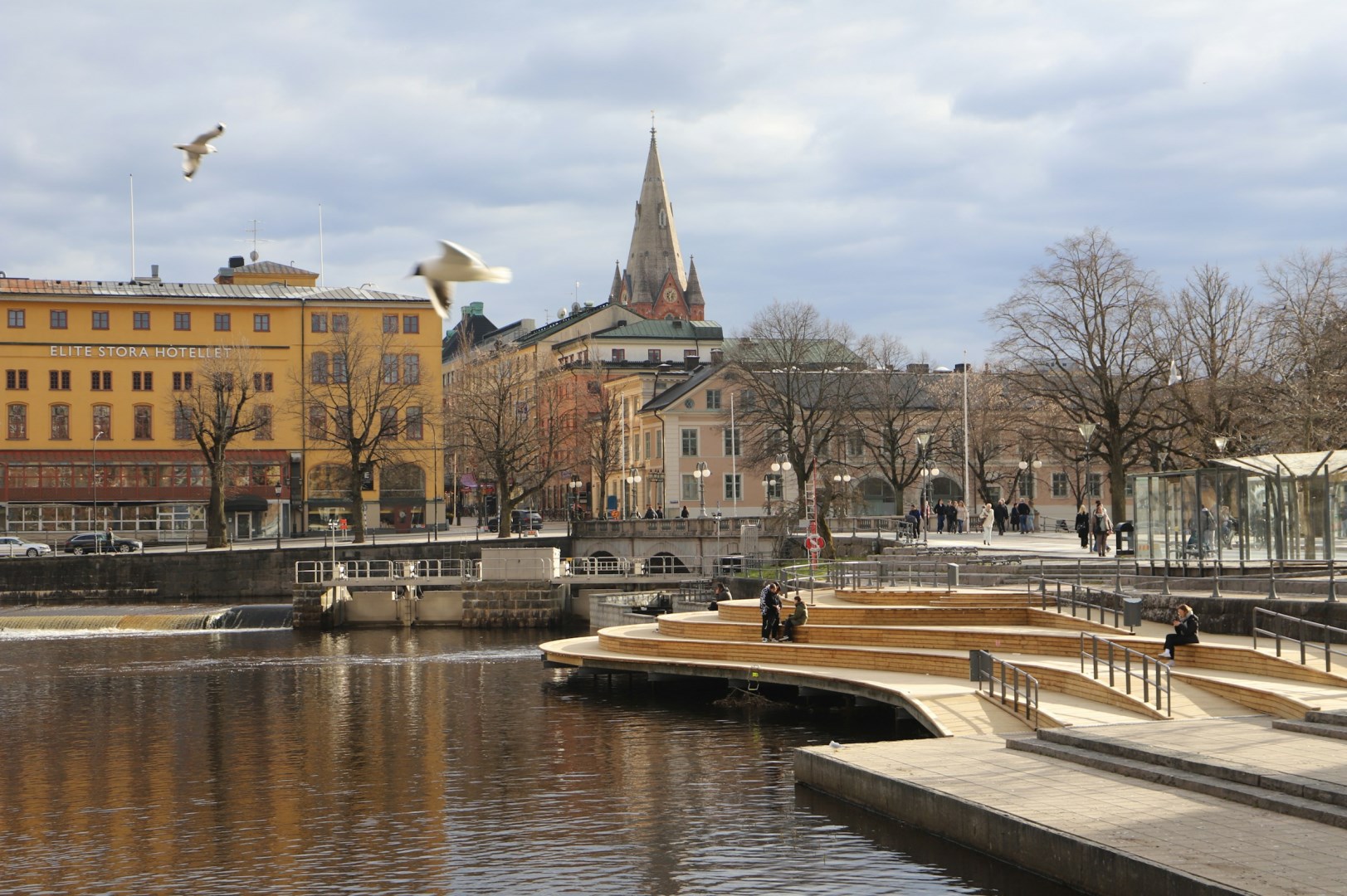
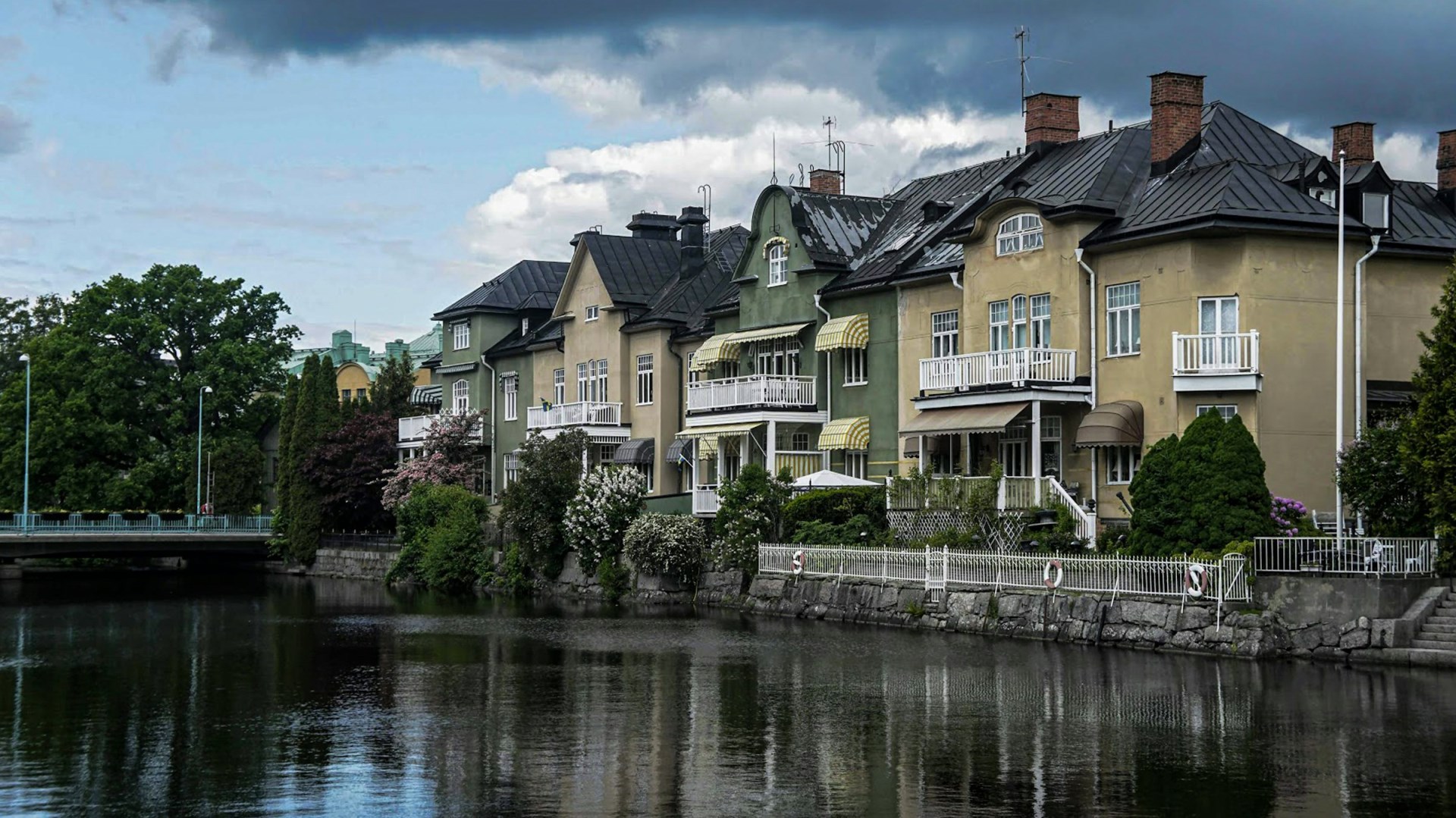
Örebro today is the eighth largest city in Sweden, with about 119,000 inhabitants. The city is no longer dominated by any particular industry or trade, and now has a many-facetted economy. Industry is directed towards metal goods, machines, foods and graphic products. The former shoe town has become a prominent center for education.
Other Popular Destinations in Sweden
Stockholm
As a city located in a Baltic Sea archipelago, it's not surprising that Stockholm has 50 bridges and sightseeing boats moving people between its 14 islands. This contemporary and welcoming capital of Sweden is nonetheless easily navigable by foot. Every district here has a distinct flavor, from the sophisticated Östermalm to the bustling downtown energy of Norrmalm to the delightful Old Town.
Gothenburg
Gothenburg, Sweden’s vibrant west coast gem, offers a perfect blend of maritime charm, innovative design, and sustainable living. Known for its picturesque canals, cobblestone streets, and classic Nordic architecture, Gothenburg invites visitors to explore its rich history and modern flair. The city’s heart is anchored by the famous Kungsportsavenyen (Avenyn), a grand boulevard lined with cafes, boutiques, and cultural landmarks like the Gothenburg Museum of Art.
