
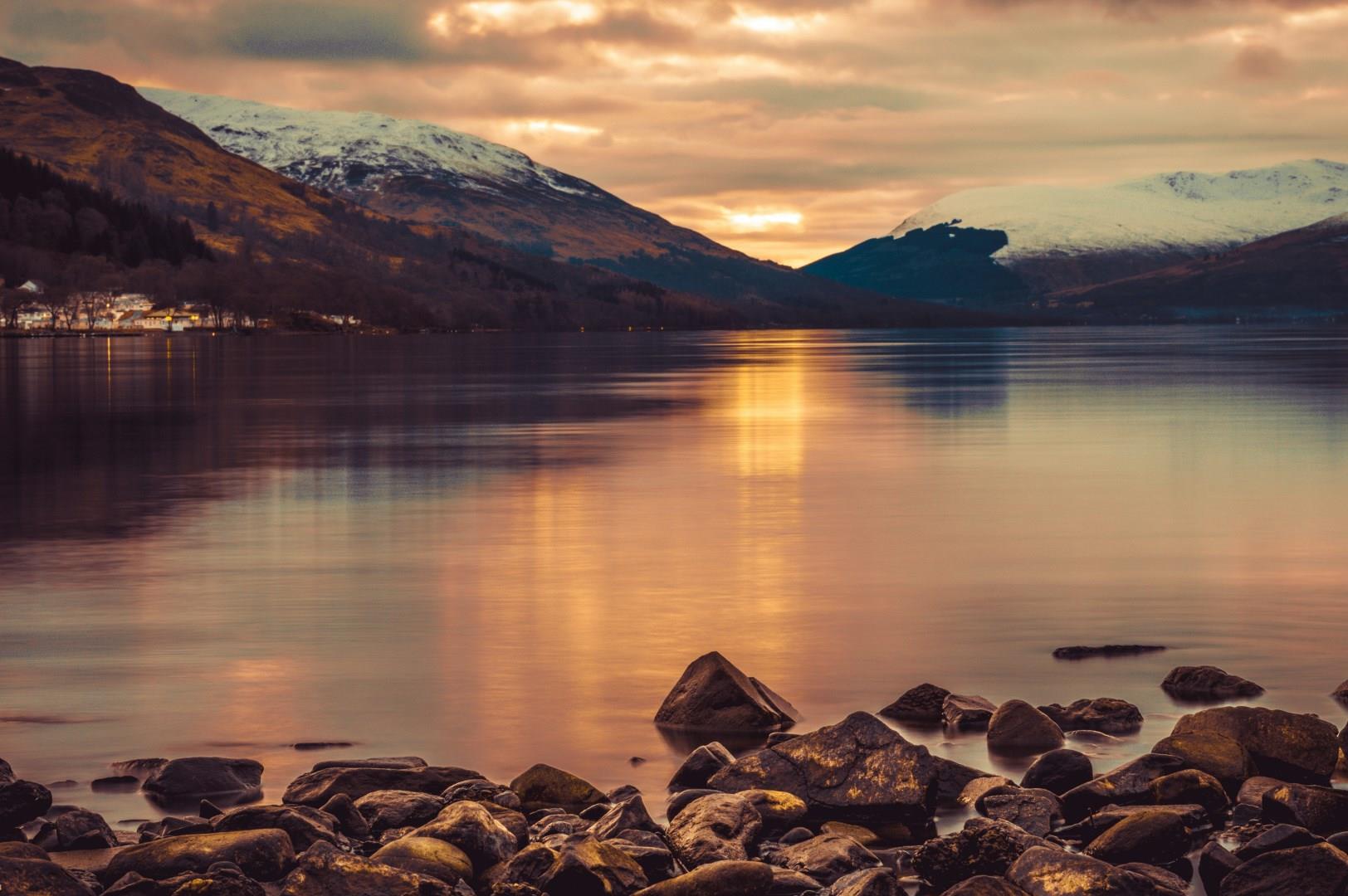

Loch Lomond, the largest lake in Great Britain by surface area, sits at the gateway to the Highlands and offers visitors a wide variety of ways to explore its islands, waters, and surrounding hills. Stretching over 22 miles and dotted with more than 30 islands, the loch has long been a source of inspiration for poets, musicians, and travelers.
Bibury, often described as one of the most beautiful villages in England, is a must-visit destination in the heart of the Cotswolds. The village is famous for its idyllic setting along the River Coln and its stunning stone cottages that date back to the 17th century. Chief among these is Arlington Row, a series of picturesque weavers’ cottages that have become one of the most photographed spots in England.
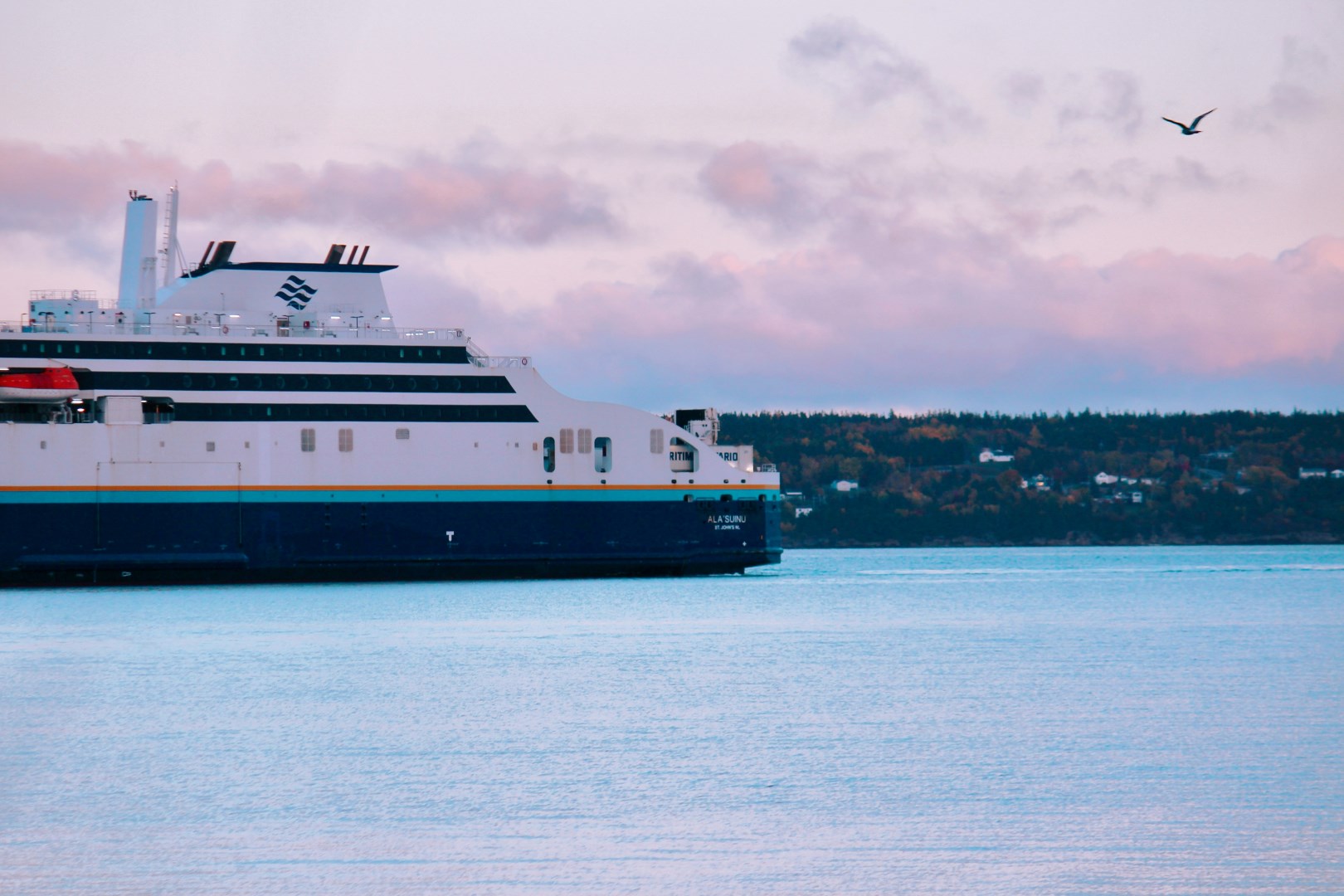
Situated on the eastern edge of Cape Breton Island, Sydney in Nova Scotia welcomes visitors with a strong connection to the sea and a deep-rooted cultural identity. The city’s waterfront is a natural gathering place, where boardwalks stretch along the harbor and offer views of fishing boats, cruise ships, and open water. One of its most recognizable landmarks is the world’s largest fiddle, a towering tribute to the region’s musical traditions.
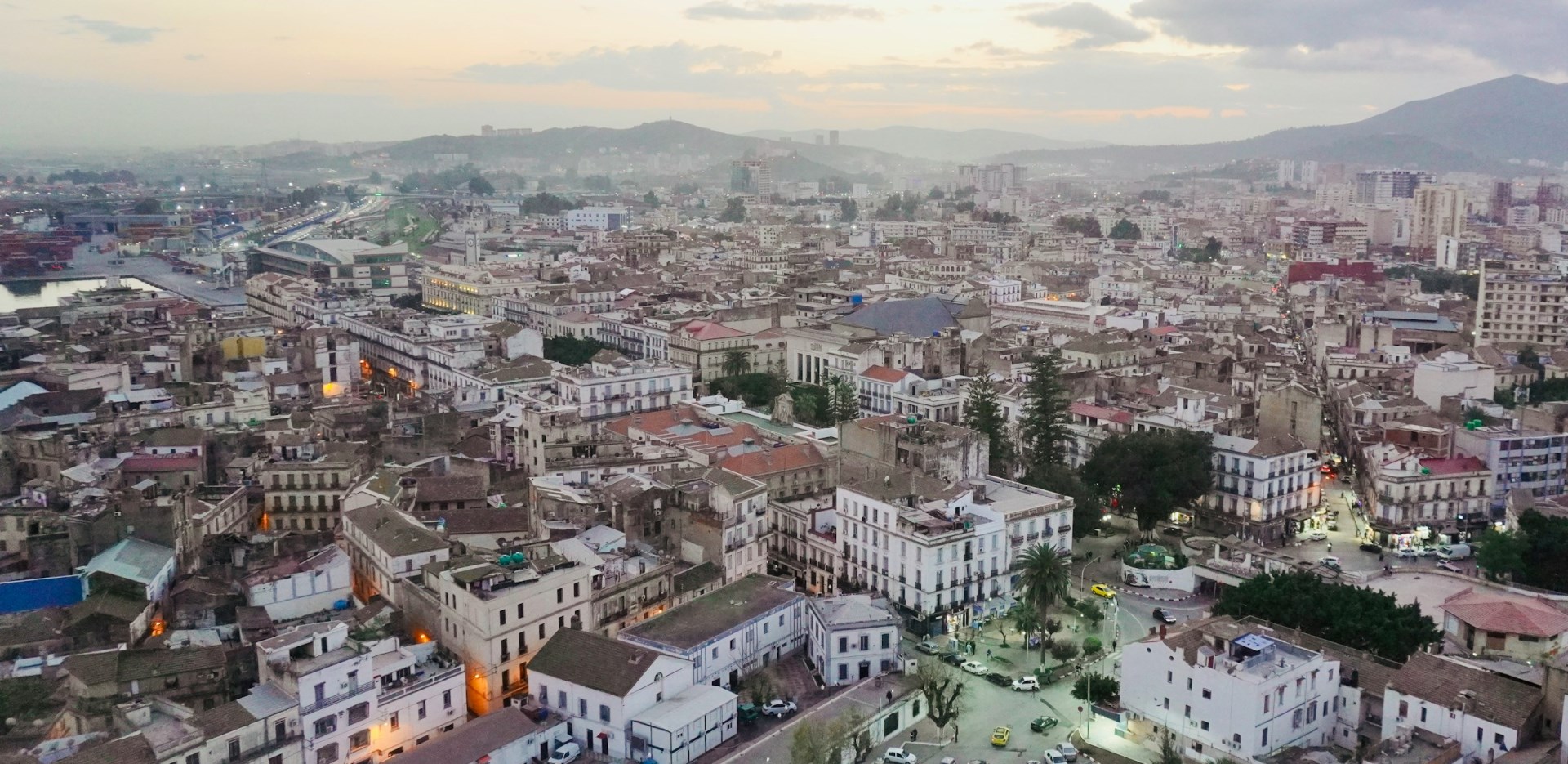
Annaba is a coastal city in northeastern Algeria, set along the Mediterranean near the forested hills of the Edough Mountains. Its identity combines a working port, sandy beaches, historic neighborhoods, and the archaeological remains of ancient Hippo Regius. The city is also closely associated with Saint Augustine, who served as bishop of Hippo, giving Annaba an important place in the religious and intellectual history of North Africa.
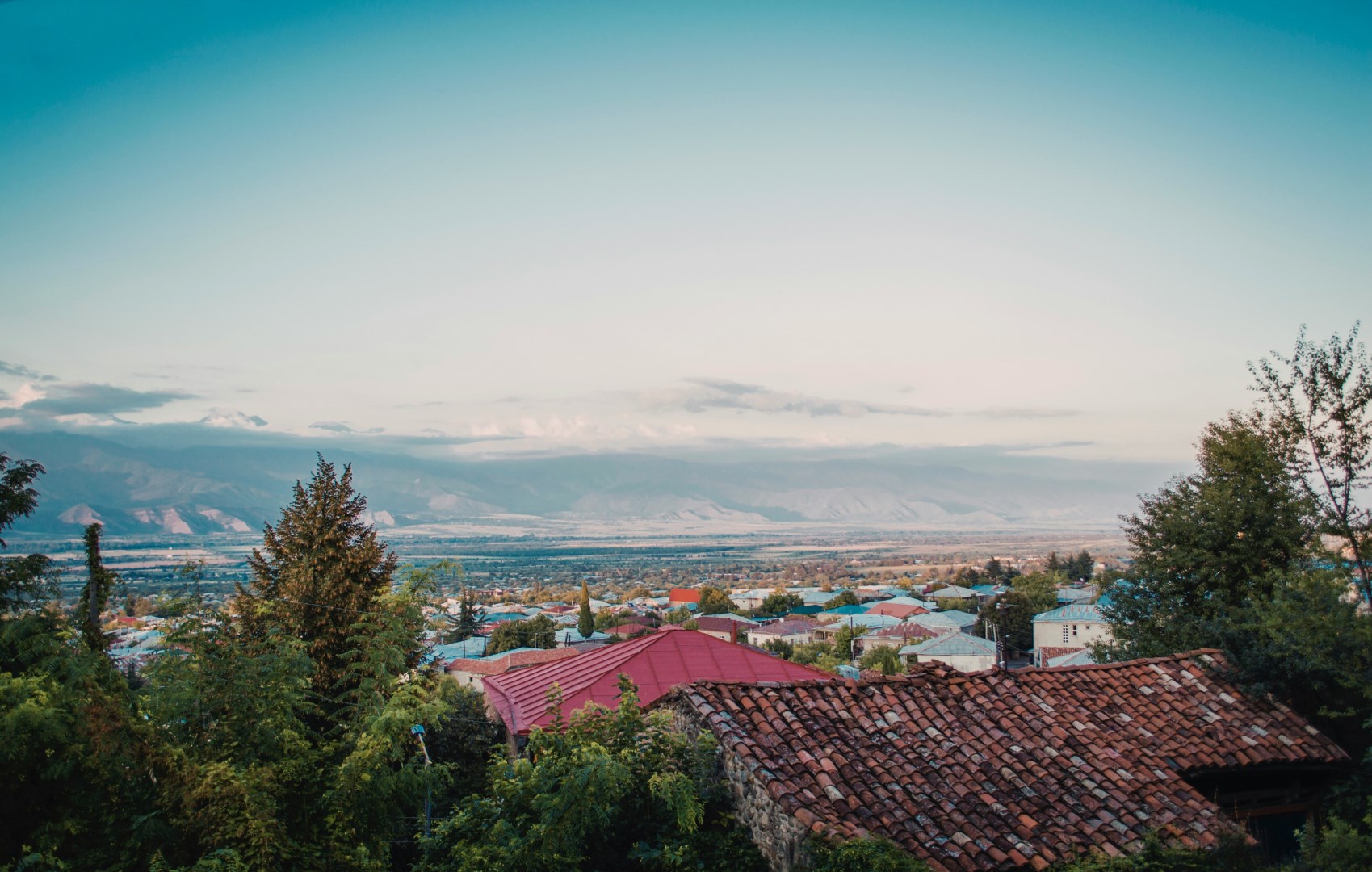
Telavi is the administrative center of Georgia’s Kakheti region, located between the Gombori mountain range and the Alazani Valley. The town is known for its connection to winemaking, traditional balconies, and views toward the snow-covered Caucasus Mountains.
If you find yourself in Rotterdam, there's a strong chance you've arrived by water. This popular port city (the second largest in the Netherlands) has gone through an architectural renaissance since World War II, with daring, innovative structures dotting the city (cube houses!) and defining its skyline. Café culture is on the rise here, so grab yourself a table and a cup.
Photo Credit: Photo by Christer Lässman on Unsplash
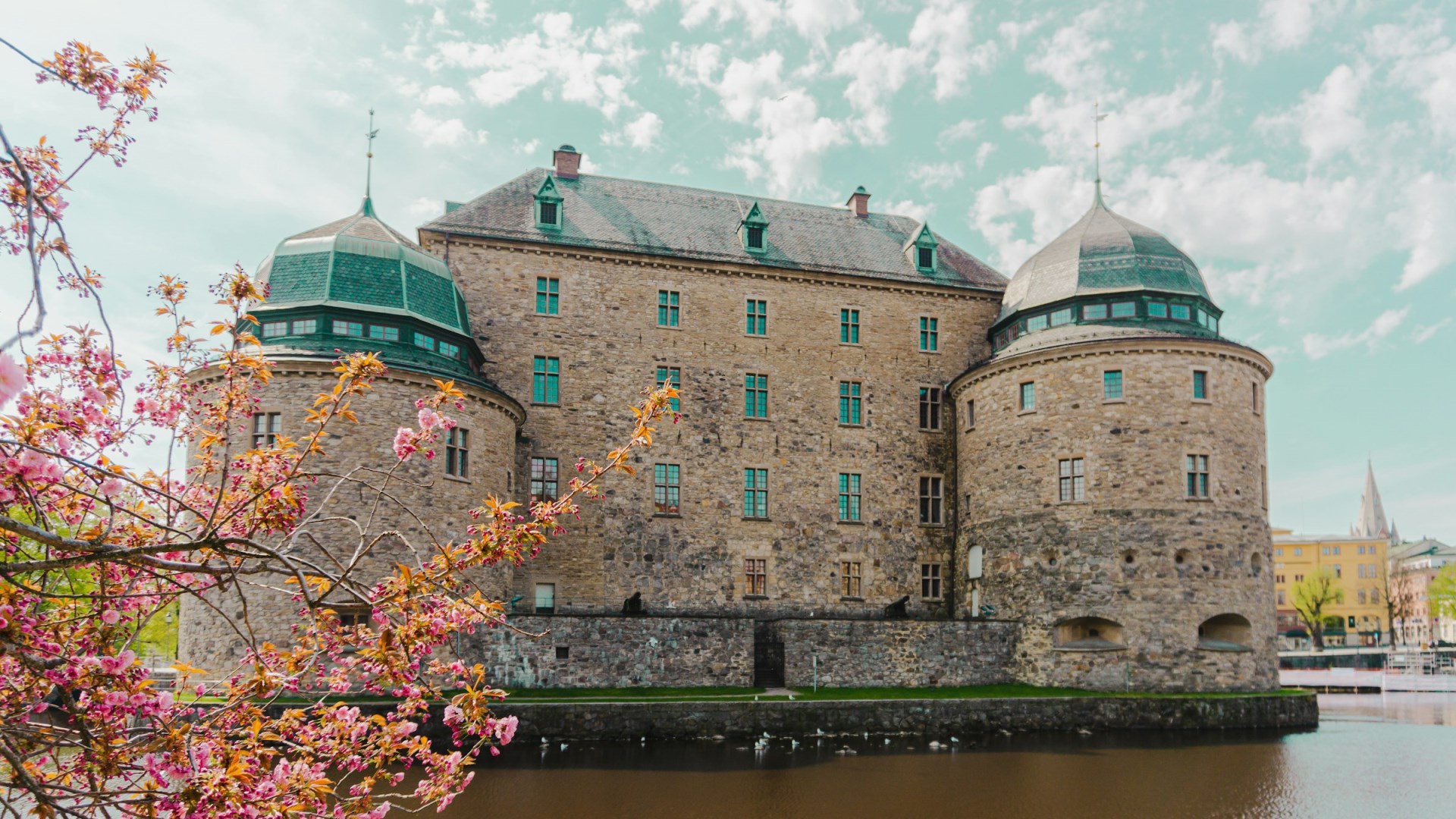
Örebro castle
Photo Credit: Photo by Philip Myrtorp on Unsplash
Photo Credit: Photo by Christer Lässman on Unsplash
Photo Credit: Photo by Oleh Holodyshyn on Unsplash
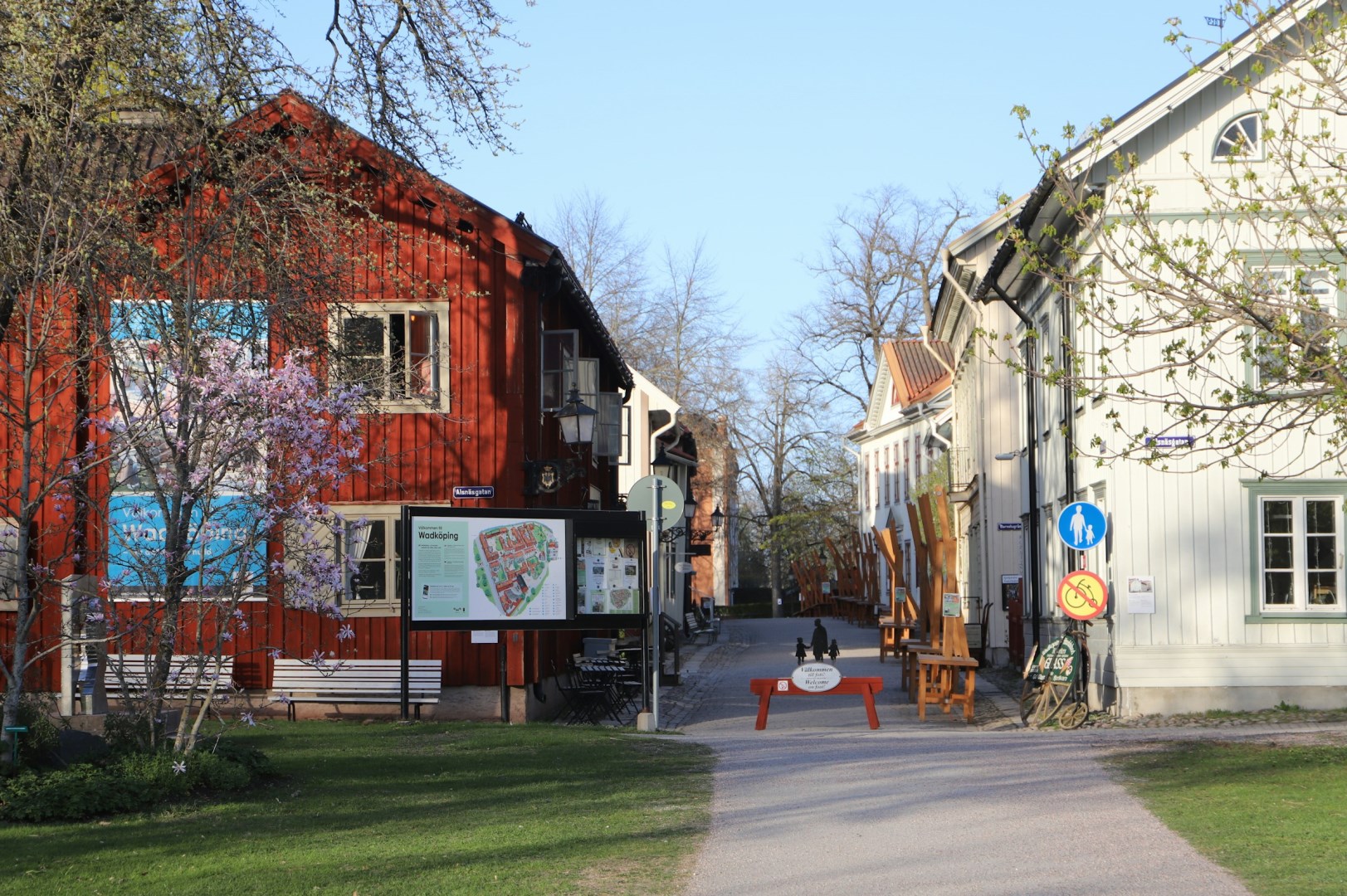
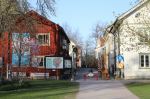
The old village of Wadköping
Photo Credit: Photo by Christer Lässman on Unsplash
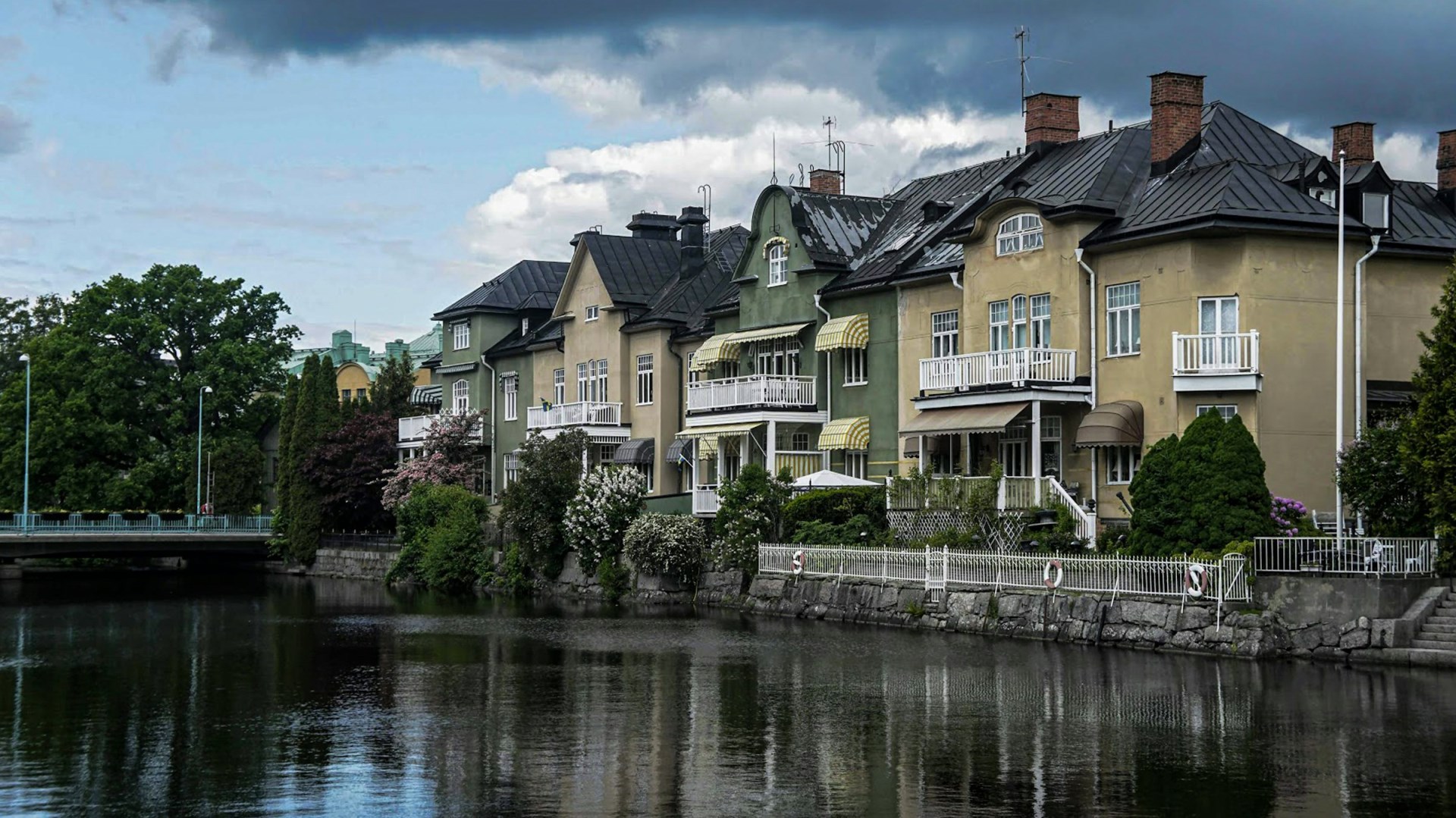
Örebro today is the eighth largest city in Sweden, with about 119,000 inhabitants. The city is no longer dominated by any particular industry or trade, and now has a many-facetted economy. Industry is directed towards metal goods, machines, foods and graphic products. The former shoe town has become a prominent center for education.
Other Popular Destinations in Sweden
Stockholm
As a city located in a Baltic Sea archipelago, it's not surprising that Stockholm has 50 bridges and sightseeing boats moving people between its 14 islands. This contemporary and welcoming capital of Sweden is nonetheless easily navigable by foot. Every district here has a distinct flavor, from the sophisticated Östermalm to the bustling downtown energy of Norrmalm to the delightful Old Town.
Gothenburg
Gothenburg, Sweden’s vibrant west coast gem, offers a perfect blend of maritime charm, innovative design, and sustainable living. Known for its picturesque canals, cobblestone streets, and classic Nordic architecture, Gothenburg invites visitors to explore its rich history and modern flair. The city’s heart is anchored by the famous Kungsportsavenyen (Avenyn), a grand boulevard lined with cafes, boutiques, and cultural landmarks like the Gothenburg Museum of Art.