



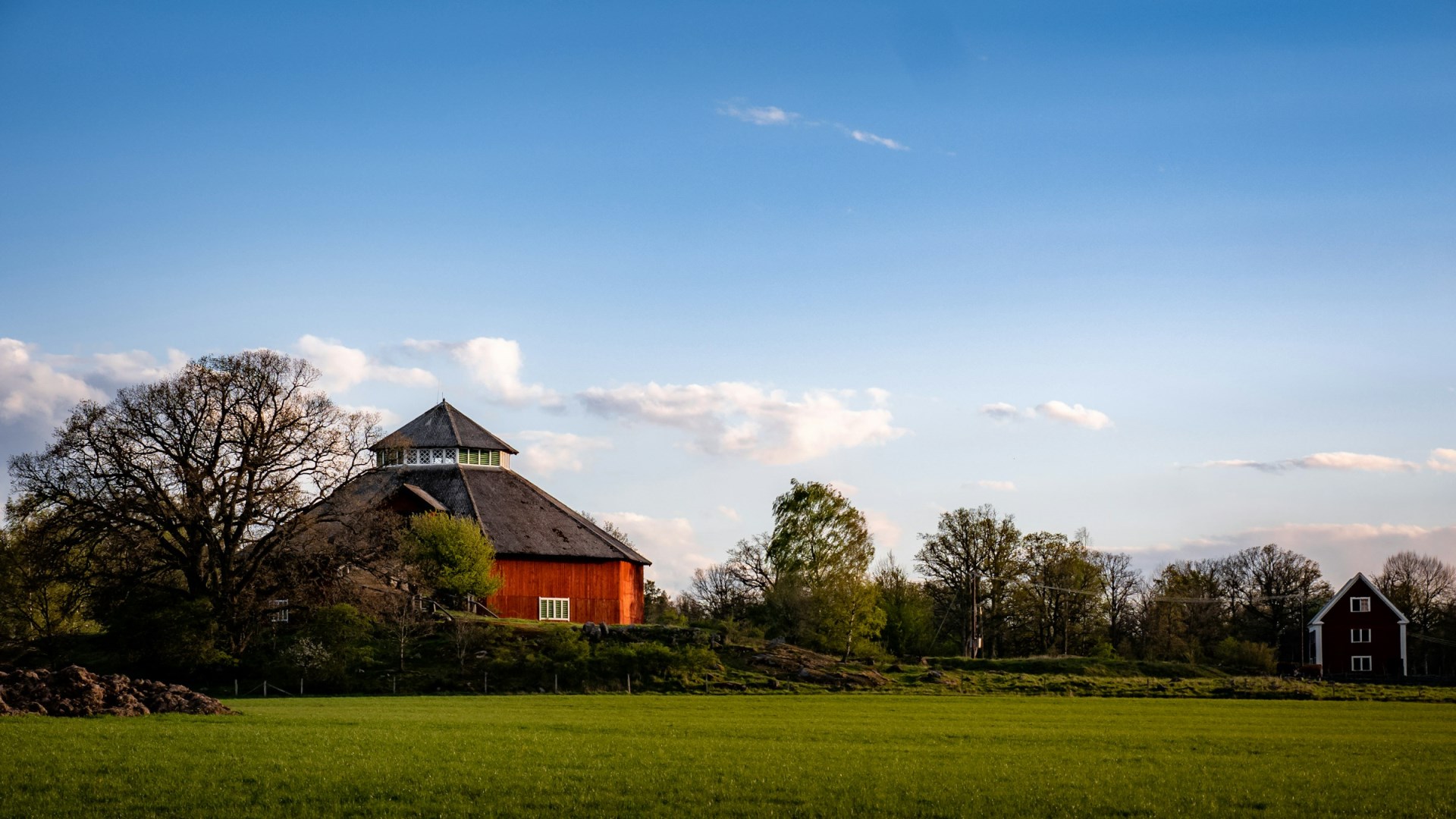

An intellectual and religious center during the Middle Ages, Linköping has grown into a modern center for technology and higher education. This city of over 130,000, lying southwest of Stockholm, enjoyed rapid growth after the founding of Linköping University, the Institute of Technology and the University Hospital.
Even though Linköping has developed into an industrial center and is Sweden's fifth-largest city, it maintains a small-town atmosphere. Old Linköping is the restored town center with preserved buildings from the 18th and 19th centuries. The tower of the impressive Linköping Cathedral, which took nearly 300 years to complete, can be seen from a distance of more than 10 kilometers.
One of Sweden's top attractions, the Göta Canal, passes through the countryside just outside Linköping. At nearby sister city Norrkoping is Himmelstalund, one of the largest rock carving sites in Europe.
Even though Linköping has developed into an industrial center and is Sweden's fifth-largest city, it maintains a small-town atmosphere. Old Linköping is the restored town center with preserved buildings from the 18th and 19th centuries. The tower of the impressive Linköping Cathedral, which took nearly 300 years to complete, can be seen from a distance of more than 10 kilometers.
One of Sweden's top attractions, the Göta Canal, passes through the countryside just outside Linköping. At nearby sister city Norrkoping is Himmelstalund, one of the largest rock carving sites in Europe.
Other Popular Destinations in Sweden

As a city located in a Baltic Sea archipelago, it's not surprising that Stockholm has 50 bridges and sightseeing boats moving people between its 14 islands. This contemporary and welcoming capital of Sweden is nonetheless easily navigable by foot. Every district here has a distinct flavor, from the sophisticated Östermalm to the bustling downtown energy of Norrmalm to the delightful Old Town.

Gothenburg, Sweden’s vibrant west coast gem, offers a perfect blend of maritime charm, innovative design, and sustainable living. Known for its picturesque canals, cobblestone streets, and classic Nordic architecture, Gothenburg invites visitors to explore its rich history and modern flair. The city’s heart is anchored by the famous Kungsportsavenyen (Avenyn), a grand boulevard lined with cafes, boutiques, and cultural landmarks like the Gothenburg Museum of Art.
