



South Pacific | Cook Islands | Aitutaki


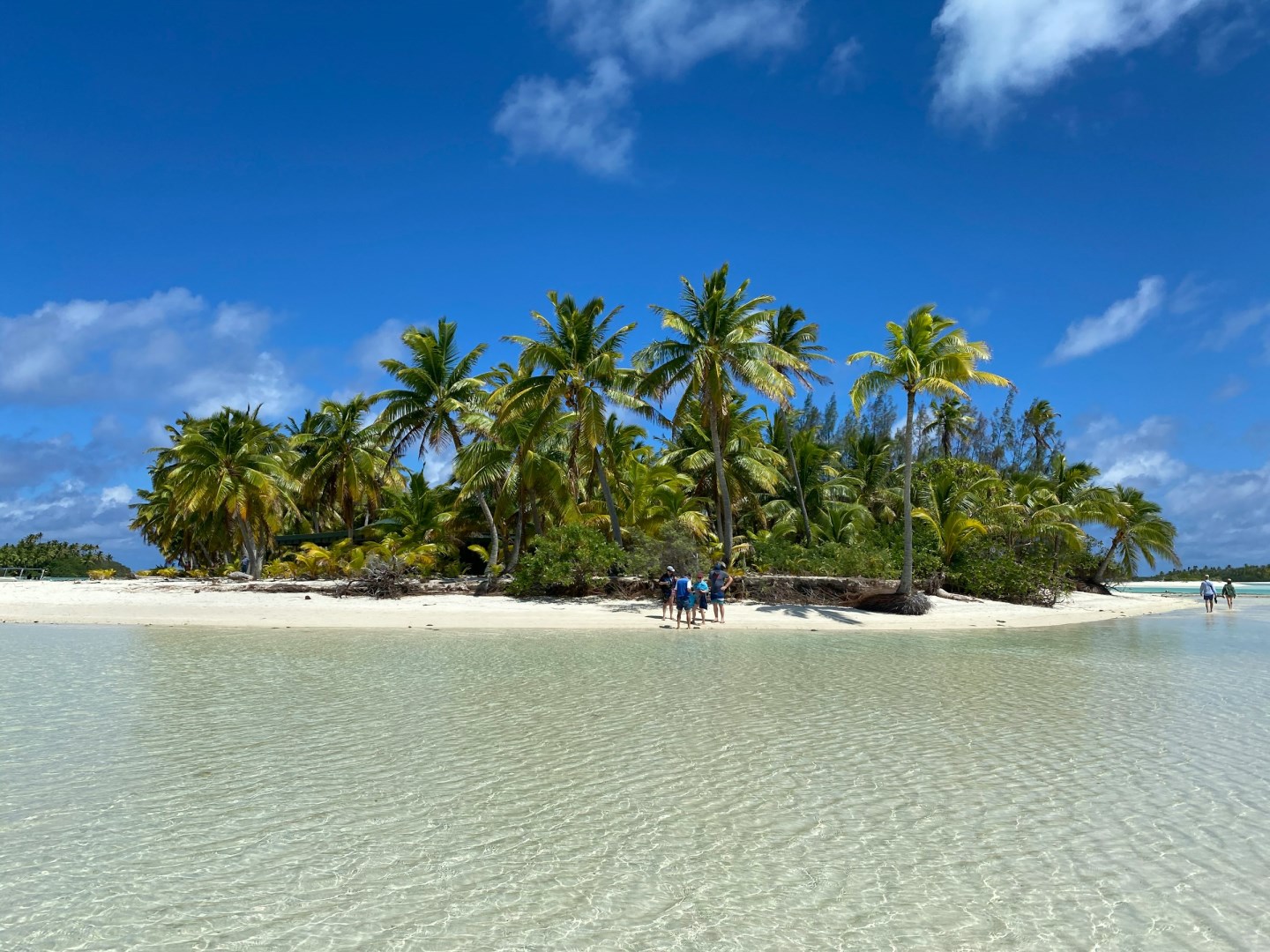
A visit to the Cook Islands is not complete without seeing the beautiful island of Aitutaki, 220 km north of Rarotonga and less than an hours flight away. Aitutaki is the second most visited of the magical Cook Islands and is recommended as a "must see" extension of any Rarotonga holiday. Day trips are also popular.
Partly volcanic and (in parts) of atoll origin, its highest hill, Maungapu (124 meters) is said to be the top of Rarotonga's Raemaru Peak brought back by victorious Aitutaki warriors. Its large and spectacular lagoon (45 kms round) teems with colored fish of many varieties and many small and charming uninhabited islands (motus), are sprinkled along the fringes of the outer lagoon. This is a place of great natural beauty and tranquility, where crystal clear waters and
swaying palms provide a simple tonic to sooth away the pressures of the outside world.
With the arrival of Reverend John Williams, Aitutaki became the first island to receive Christianity back in 1821. The first Polynesian explorer was Ru from Raiatea in the Society Islands, while Captain William Bligh of "Bounty" fame is credited with being the first European to sight the island in 1789. Aitutaki was also a favorite stop for whalers in the 1950's and in 1888 the British flag was raised and Aitutaki and Rarotonga were included in the boundaries of New Zealand.
Partly volcanic and (in parts) of atoll origin, its highest hill, Maungapu (124 meters) is said to be the top of Rarotonga's Raemaru Peak brought back by victorious Aitutaki warriors. Its large and spectacular lagoon (45 kms round) teems with colored fish of many varieties and many small and charming uninhabited islands (motus), are sprinkled along the fringes of the outer lagoon. This is a place of great natural beauty and tranquility, where crystal clear waters and
swaying palms provide a simple tonic to sooth away the pressures of the outside world.
With the arrival of Reverend John Williams, Aitutaki became the first island to receive Christianity back in 1821. The first Polynesian explorer was Ru from Raiatea in the Society Islands, while Captain William Bligh of "Bounty" fame is credited with being the first European to sight the island in 1789. Aitutaki was also a favorite stop for whalers in the 1950's and in 1888 the British flag was raised and Aitutaki and Rarotonga were included in the boundaries of New Zealand.
Other Popular Destinations in Cook Islands

Rarotonga, the vibrant heart of the Cook Islands, offers visitors a chance to experience island life with striking scenery and rich tradition. This volcanic island is only 32 kilometers around, making it easy to explore by scooter or bicycle in a single day. From the lush mountains of the interior to the lagoon that wraps around the coast, Rarotonga feels intimate but never short on discovery.
